
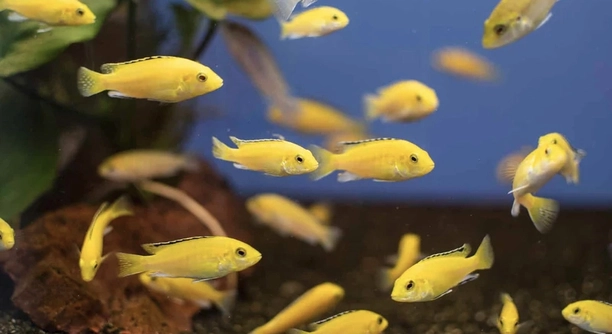
Keeping cichlids healthy requires daily attention and careful observation. Many aquarists overlook small changes in behavior or appearance, which can signal health issues. Monitoring consistently helps ensure your fish thrive in their environment.
Daily monitoring of cichlid health involves observing behavior, checking water quality, inspecting fins and scales, maintaining diet consistency, and monitoring for signs of stress or disease. Regular attention prevents health problems and supports long-term wellbeing in captive environments.
Consistent care and observation form the foundation of a thriving cichlid aquarium. Small daily actions contribute significantly to their overall health and vitality.
Observing Behavior Daily
Watching cichlids closely each day helps you notice changes that could indicate stress or illness. Look for unusual swimming patterns, hiding more than usual, or aggression that seems out of place. Even slight changes in feeding habits are important. By spending a few minutes observing your fish, you can catch potential problems early before they escalate. Consistency matters; checking at the same time each day creates a routine for both you and your fish. This makes it easier to spot deviations from normal behavior. Over time, you will begin to recognize each fish’s unique personality and habits, allowing for quicker responses to issues. Daily observation also strengthens your understanding of social dynamics in the tank, ensuring dominant fish do not harm others. Keeping a simple log of behaviors can help track trends and identify early warning signs, making interventions more effective.
Tracking behavioral changes over time prevents serious health issues and keeps the aquarium stable.
Spending even ten minutes observing cichlids allows you to notice subtle differences, from slight fin clamping to minor hesitation when eating. Early recognition of stress behaviors helps in adjusting tank conditions, diet, or environment. Recording these observations ensures you can compare daily notes and respond promptly. Maintaining this habit improves overall health and reduces stress for your fish, helping them stay active and vibrant.
Checking Water Quality
Water quality directly affects cichlid health. Regularly measure pH, ammonia, nitrite, and nitrate levels to ensure the tank remains safe.
Maintaining stable water conditions requires testing and adjustments, such as partial water changes or filtration checks, to prevent fluctuations that stress fish.
Water parameters influence fish immune systems and behavior. Poor water quality can cause lethargy, disease, and fin damage. Ammonia and nitrite are highly toxic even at low levels, while nitrate buildup can lead to long-term stress. Temperature stability is also critical, as cichlids are sensitive to sudden changes. Using reliable test kits and recording results helps track trends and prevent unexpected spikes. Regular water changes and cleaning routines maintain clarity and remove debris, reducing the risk of pathogens. Filtration systems should be checked for proper function, ensuring circulation and aeration are adequate. Observing fish behavior alongside water measurements gives a complete picture of their wellbeing. A stable, clean environment supports natural behaviors, growth, and reproduction, making daily maintenance essential for healthy cichlids.
Inspecting Fins and Scales
Regularly check fins and scales for tears, discoloration, or unusual spots. Healthy cichlids have smooth scales and intact fins. Early detection of damage can prevent infections and further complications.
Physical inspections reveal signs of disease or injury before behavior changes. Look for frayed fins, white spots, or redness around the edges. Scale loss or raised scales may indicate bacterial or parasitic infections. Minor wounds can worsen if water quality is poor, so immediate attention is crucial. Grooming or small injuries may occur during interactions with tankmates, so observing social behavior alongside physical checks is important. Keeping a record of physical conditions helps identify trends and ensures timely treatment.
Preventing serious infections requires quick responses to visible issues. Treating minor damage early often avoids expensive or stressful interventions. Regularly inspecting each fish strengthens your understanding of their health patterns.
Maintaining Consistent Feeding
Feeding on a consistent schedule keeps cichlids healthy and reduces stress. Overfeeding can harm water quality, while underfeeding impacts growth.
A balanced diet is essential. Provide appropriate portions and rotate food types, including pellets, flakes, and occasional live or frozen options. Consistency ensures cichlids receive the nutrients they need without overloading the tank. Observe how each fish responds to feeding. Some may eat faster, while others need encouragement or separate feeding areas. Avoid letting uneaten food sit for long periods, as it can decay and affect water parameters. Adjust quantities based on appetite, seasonal needs, or growth stages. Feeding routines support energy levels, coloration, and immune system strength.
Recording feeding patterns helps identify changes in appetite. Sudden refusal to eat may indicate illness, stress, or environmental issues. Regular monitoring ensures all fish maintain proper nutrition and stay active. Adapting portions gradually helps maintain water quality while supporting healthy growth and behavior.
Monitoring Tank Temperature
Cichlids need stable water temperatures to thrive. Sudden fluctuations can stress fish and make them more susceptible to disease. Using a reliable heater and thermometer ensures conditions remain consistent.
Check the temperature daily, especially after maintenance or seasonal changes. Even small drops or spikes can impact behavior and appetite.
Observing Social Interactions
Watch how cichlids interact with one another. Dominant or aggressive behavior can injure weaker fish. Early intervention helps maintain a peaceful tank.
Pay attention to chasing, nipping, or hiding. Adjusting territories or rearranging decorations can reduce conflicts. Regular observation prevents stress-related illness and supports healthy social dynamics.
Checking Filter and Equipment
Filters, heaters, and aerators must function properly to maintain water quality and oxygen levels. Regular inspection prevents sudden malfunctions.
Recording Daily Observations
Keep a simple log of feeding, behavior, and water parameters. Consistent records reveal trends and allow early responses to potential health issues.
FAQ
How often should I check my cichlids for health issues?
Daily observation is the most effective way to ensure cichlids remain healthy. Spend a few minutes each day watching their behavior, swimming patterns, feeding habits, and physical condition. Keeping a consistent routine helps you notice even small changes that could indicate illness or stress.
What are the first signs of stress in cichlids?
Stress can appear in subtle ways, including hiding more than usual, clamped fins, reduced appetite, or unusual aggression. Sudden color changes or rapid gill movement are also indicators. Identifying these signs early allows for quick intervention, preventing long-term health problems.
How do I maintain proper water quality?
Regular testing of ammonia, nitrite, nitrate, and pH is essential. Partial water changes, cleaning filters, and monitoring temperature help maintain a stable environment. Consistent care ensures your fish stay active and reduces the risk of disease caused by poor water conditions.
What should I do if a fish shows signs of fin damage or disease?
Isolate affected fish if necessary to prevent spreading infection. Inspect for visible signs of parasites, fungus, or bacterial infections. Treat with recommended medications and improve water conditions to promote recovery. Early attention increases the chances of full healing.
How important is a consistent feeding schedule?
Cichlids thrive on routine. Feed the same amounts at regular intervals and provide a balanced diet, including pellets, flakes, and occasional live or frozen food. Avoid overfeeding to prevent water contamination. Observing feeding behavior helps you spot appetite changes that may indicate illness.
Can tank decorations or territory changes affect health?
Yes. Aggression and stress often occur when territories are not well-defined. Rearranging decorations or adding hiding spots can reduce fights and provide safe spaces, particularly for shy or weaker fish. Observing interactions regularly helps maintain a balanced environment.
How do I track changes in behavior or health?
Keeping a daily log is highly effective. Note feeding habits, social interactions, water parameters, and any physical changes. Over time, patterns emerge, making it easier to detect problems early. Consistent records support better decisions about diet, medication, and tank adjustments.
What is the ideal temperature range for most cichlids?
Most tropical cichlids do best between 75°F and 82°F (24°C–28°C). Consistent temperatures prevent stress, support digestion, and enhance immune function. Use a reliable heater and thermometer to maintain stable conditions, especially during seasonal temperature fluctuations.
How do I know if my cichlids are getting enough oxygen?
Active swimming, normal breathing rates, and smooth movement indicate adequate oxygen levels. Signs of low oxygen include gasping at the surface or lethargy. Aeration devices, proper filtration, and avoiding overcrowding help maintain sufficient oxygen in the tank.
When should I contact a veterinarian or aquatic specialist?
If unusual behaviors persist despite adjustments to water, feeding, or social conditions, professional guidance is recommended. Rapid deterioration, severe injuries, or repeated illness may require expert evaluation and targeted treatment to prevent loss of fish.
How can I prevent common diseases in cichlids?
Maintaining stable water conditions, consistent feeding routines, regular cleaning, and daily observation are key preventive measures. Quarantining new fish before introducing them reduces the risk of spreading pathogens. Prompt attention to any health changes ensures long-term wellbeing.
Is it necessary to rotate food types?
Yes, variety supports optimal nutrition. Mixing pellets, flakes, frozen, and occasional live food provides essential vitamins and minerals. Rotation also encourages natural foraging behavior and helps maintain vibrant coloration and strong immunity.
How do I manage aggression in a cichlid tank?
Observe dominant fish and note repeated aggression. Adjust territories, add hiding spaces, or consider separating overly aggressive individuals. Balanced stocking, adequate space, and proper decorations reduce stress and maintain harmony among tankmates.
What tools are essential for daily monitoring?
A reliable thermometer, test kits for ammonia, nitrite, nitrate, and pH, a notebook or digital log, and a quality flashlight for inspecting fins and scales are essential. Consistent use of these tools allows for accurate monitoring and quick responses to changes.
Can stress affect cichlid lifespan?
Yes. Chronic stress weakens the immune system, reduces growth, and increases susceptibility to disease. Maintaining consistent water quality, proper diet, social balance, and daily observation helps minimize stress and supports longevity.
How often should I clean the tank and equipment?
Partial water changes of 15–25% weekly, cleaning filters as recommended, and removing debris from the substrate prevent toxins from accumulating. Over-cleaning can also disrupt beneficial bacteria, so balance is important. Regular maintenance supports both water quality and fish health.
How can I identify early signs of illness?
Early signs include decreased appetite, unusual swimming patterns, fin clamping, discoloration, spots, or swelling. Daily observation and logs help distinguish minor temporary changes from persistent health issues requiring intervention.
What are the most common mistakes in cichlid care?
Overfeeding, inconsistent water monitoring, overcrowding, ignoring early signs of stress, and neglecting tank maintenance are frequent issues. Addressing these factors proactively ensures a stable, healthy environment for all fish.
How long should I monitor each cichlid daily?
Even ten minutes per day is effective if focused on behavior, feeding, and physical condition. Short, consistent observation sessions help detect problems early and allow timely adjustments.
Can diet changes improve health quickly?
Yes, but changes should be gradual. Introducing high-quality food or supplements supports recovery from stress or minor illness. Sudden drastic changes may cause digestive issues, so monitor fish response carefully.
Are there visual cues that water quality is poor?
Cloudy water, algae overgrowth, debris accumulation, and gas bubbles around fins can indicate water issues. Observing fish behavior alongside water appearance provides a clearer picture of potential problems.
What should I do if multiple fish get sick?
Quarantine affected individuals if possible. Test water quality, adjust conditions, and administer appropriate treatment. Maintaining logs helps track progress and prevent further spread. Early intervention is crucial for tank-wide health.
How important is tank size for cichlid health?
Adequate space reduces stress and aggression. Overstocking leads to competition for territory and resources, increasing disease risk. Ensure each fish has enough room and hiding places to support natural behaviors and social balance.
Can regular observation prevent unexpected deaths?
Yes. Daily monitoring of behavior, feeding, and physical condition allows for early detection of stress, illness, or environmental issues. Consistent care significantly reduces sudden fatalities and supports long-term health.
How do I know if a fish is recovering?
Recovery signs include restored appetite, normal swimming, vibrant coloration, and improved interaction with tankmates. Continuing observation and maintaining stable water conditions are essential during recovery to prevent relapse.
What is the best way to introduce new cichlids?
Quarantine new fish for at least two weeks to prevent disease transmission. Introduce them gradually, monitor interactions closely, and provide adequate hiding spaces to reduce stress and aggression.
How do seasonal changes affect cichlids?
Temperature fluctuations, daylight changes, and water chemistry shifts can impact behavior and health. Monitoring and adjusting water temperature, feeding routines, and lighting helps maintain stability throughout the year.
Is it necessary to treat water before adding it to the tank?
Yes. Dechlorinate tap water and adjust pH or hardness as needed. Properly conditioned water prevents stress, chemical burns, and long-term health issues in cichlids.
How can I tell if a fish is overeating?
Leftover food, bloated appearance, and slower swimming after feeding indicate overfeeding. Adjust portion sizes gradually and remove uneaten food promptly to maintain water quality and prevent digestive issues.
What role does lighting play in cichlid health?
Proper lighting supports natural behavior, coloration, and stress reduction. Avoid sudden bright lights or prolonged darkness. Maintaining a consistent day-night cycle helps regulate activity levels and feeding routines.
Can tank mates affect health?
Yes. Aggressive or incompatible species increase stress and risk of injury. Carefully select compatible cichlids and monitor interactions to maintain harmony and minimize health problems.
How do I prevent parasite infestations?
Quarantine new fish, maintain clean water, avoid overfeeding, and monitor daily. Early detection of abnormal behavior or spots allows prompt treatment, reducing the spread of parasites and maintaining overall health.
What is the importance of hiding spots?
Hiding spots reduce stress, especially for shy or weaker fish. Providing caves, plants, and decorations supports natural behavior, minimizes aggression, and improves overall wellbeing in the tank.
How often should I change water for optimal health?
Partial water changes weekly help remove toxins, maintain stable parameters, and support fish health. Frequency can vary with tank size, stocking levels, and filtration efficiency.
How do I identify common diseases early?
Watch for behavioral changes, fin damage, spots, swelling, or unusual swimming. Daily observation and careful logging allow early intervention and effective treatment.
Are there specific signs that indicate nutritional deficiencies?
Faded coloration, slower growth, weight loss, or lethargy can suggest deficiencies. Adjusting diet with varied, high-quality foods corrects issues and supports long-term health.
How can I reduce stress during maintenance?
Perform changes gradually, avoid sudden temperature shifts, and move decorations carefully. Keeping routines predictable helps cichlids adapt without prolonged stress.
What equipment is most critical for health monitoring?
Thermometers, test kits, filters, heaters, and aerators are essential. Regular inspection and maintenance of equipment ensure water quality and overall wellbeing.
How can I ensure all fish get enough food?
Observe feeding habits, separate aggressive eaters if needed, and provide multiple feeding spots. This prevents malnutrition and supports healthy growth.
What is the impact of overcrowding on health?
Overcrowding causes stress, aggression, reduced oxygen, and rapid waste buildup. Adequate space and proper stocking levels prevent these issues and support overall wellbeing.
How often should I observe fish after changes in the tank?
After water changes, new fish introduction, or equipment adjustments, monitor closely for a few hours to ensure normal behavior resumes.
Can observation alone prevent disease?
Observation helps detect early signs of illness, but maintaining water quality, nutrition, and social balance is equally important for prevention. Regular monitoring allows for timely intervention.
How do I know if a fish is stressed versus ill?
Stress shows as temporary hiding, color changes, or mild appetite loss. Illness includes persistent abnormal behavior, visible wounds, or rapid deterioration. Tracking daily patterns helps differentiate causes.
What is the best way to document health and behavior?
Use a notebook, spreadsheet, or app to record feeding, behavior, water tests, and physical observations. Consistent records allow trend analysis and early problem detection.
Can diet alone solve health problems?
Diet supports recovery and immune function but cannot replace proper water quality, social management, or medical treatment when needed. Balanced care is essential.
How do I adjust care for growing cichlids?
Increase space, adjust diet, monitor aggression, and maintain stable water parameters. Growth phases require attentive observation to prevent stress and injury.
What signs indicate recovery is incomplete?
Persistent hiding, faded color, irregular swimming, or continued appetite loss suggest recovery is ongoing. Continued monitoring and stable care support full rehabilitation.
How long should quarantined fish stay separate?
A minimum of two weeks is recommended. Observe for illness signs before introducing to the main tank, reducing disease risk.
Can daily observation replace professional care?
Observation is critical for prevention but does not replace veterinary evaluation for severe or persistent health issues. Professional guidance ensures proper diagnosis and treatment.
How can I track long-term trends in cichlid health?
Maintain consistent logs of behavior, feeding, water quality, and physical condition. Reviewing records over months highlights patterns and early warning signs.
What is the impact of sudden environmental changes?
Temperature swings, pH shifts, or new tankmates cause stress and weaken the immune system. Gradual adjustments and careful observation mitigate negative effects.
How do I know when to adjust feeding amounts?
Monitor appetite, leftover food, and growth. Gradual changes ensure proper nutrition without compromising water quality.
What role does filtration play in daily health?
Filters remove waste, circulate water, and support oxygenation. Proper maintenance is essential to prevent stress, disease, and toxic buildup in the tank.
How do I balance multiple health monitoring tasks?
Create a daily routine that includes observation, feeding, water testing, and equipment checks. Consistency ensures no aspect of care is neglected.
What is the effect of ignoring minor changes?
Small issues can escalate into serious health problems. Timely attention to behavior, appearance, and water quality prevents complications and supports longevity.
How can I support weak or shy fish?
Provide hiding spots, reduce aggressive interactions, and monitor feeding closely. Targeted care helps these fish thrive alongside more dominant tankmates.
How do I know if water parameters are ideal?
Stable pH, ammonia, nitrite, nitrate, and temperature within species-specific ranges indicate healthy conditions. Daily testing ensures consistency.
Can observation improve overall tank harmony?
Yes. Monitoring social interactions allows for adjustments in territories, hiding spaces, or stocking to reduce aggression and stress, supporting balanced behavior.
What are the consequences of inconsistent care?
Irregular feeding, water testing, or observation leads to stress, illness, aggression, and decreased lifespan. Consistency is key to healthy cichlids.
How do I detect subtle illness signs?
Look for small changes in appetite, activity, coloration, or fin position. Subtle signs often precede more serious problems, making early detection crucial.
What is the best approach to maintain long-term health?
Combine daily observation, consistent feeding, water quality monitoring, social management, and prompt treatment of issues. Regular, structured care ensures thriving cichlids over years.
How does tank size affect daily monitoring?
Larger tanks require more time for observation, feeding, and equipment checks. Proper planning ensures all fish receive attention and care is manageable.
Can stress be fully eliminated in cichlids?
Stress can be minimized through proper environment, diet, and social balance, but occasional stress from changes is normal. Daily monitoring reduces long-term impacts.
How do I handle multiple issues at once?
Prioritize urgent problems, such as illness or water quality, while maintaining routine feeding and observation. Addressing critical factors first prevents escalation.
What is the most effective way to prevent recurring illness?
Combine quarantine protocols, clean water, consistent feeding, observation, and prompt treatment. Regular care and monitoring create a stable environment that reduces recurrence.
How can I identify non-visible health problems?
Behavioral changes, appetite loss, and lethargy often indicate underlying issues. Pair observation with water testing and careful monitoring for early intervention.
What adjustments are needed for seasonal growth or spawning?
Increase space, monitor aggression, adjust diet, and maintain stable water parameters. Spawning periods require additional observation and attention to avoid stress.
How can I ensure observation remains accurate over time?
Use logs, photos, or videos to track behavior and physical condition. Comparing records helps identify deviations and improves monitoring precision.
What is the role of water flow in health?
Adequate water circulation ensures oxygenation, prevents dead zones, and supports natural behavior. Insufficient flow can lead to stress and localized poor water quality.
How do I prevent mistakes during daily monitoring?
Follow a consistent routine, use reliable tools, and focus on key parameters: behavior, feeding, physical condition, and water quality. Consistency reduces errors.
What are the long-term benefits of daily monitoring?
Early problem detection, reduced disease risk, healthier growth, better social balance, and longer lifespan result from attentive, consistent care. Monitoring strengthens both fish wellbeing and aquarium management skills.
How do I integrate monitoring with other maintenance tasks?
Combine observation with feeding, water testing, and equipment checks. A structured routine ensures all aspects of care are addressed efficiently without overlooking critical details.
Can I rely solely on visual observation?
Visual checks are important but must be paired with water testing and equipment monitoring. Comprehensive care ensures hidden problems do not go unnoticed.
How do I respond to minor changes in behavior?
Monitor for patterns, check water quality, and adjust feeding or environment as needed. Early intervention prevents small issues from becoming major health problems.
How do I maintain a stress-free environment consistently?
Stable water parameters, hiding spots, proper stocking levels, predictable routines, and careful introductions minimize stress and support long-term health.
What is the best approach to detect chronic issues?
Daily logs, careful observation, and consistent water testing reveal gradual declines in health or behavior, allowing proactive interventions before serious illness develops.
How do I prevent overlooked injuries?
Inspect fins, scales, and body daily, especially after aggressive interactions or maintenance. Early detection ensures proper treatment and reduces infection risk.
How does daily care affect reproduction success?
Stable environment, balanced diet, and low stress levels improve spawning behavior, egg survival, and fry health. Consistent monitoring is essential during breeding periods.
What is the role of water changes in preventing disease?
Regular partial water changes remove toxins, control nitrate buildup, and maintain stable chemistry, reducing stress and preventing disease outbreaks.
How do I ensure all aspects of health are covered?
Combine observation, feeding, water testing, equipment checks, and record-keeping. A structured routine ensures comprehensive care for cichlids daily.
How can minor diet adjustments improve health?
Introducing nutrient-rich foods or supplements supports immunity, coloration, and growth. Gradual adjustments prevent digestive issues while enhancing overall wellbeing.
What is the effect of overcrowding on observation accuracy?
Overcrowding makes it harder to monitor individual fish. Adequate space ensures each fish can be observed properly for behavior, feeding, and physical condition.
How do I handle unpredictable issues in the tank?
React quickly, prioritize urgent problems, maintain routine care, and monitor all fish closely. Timely responses prevent escalation and preserve overall health.
Can monitoring reduce treatment costs?
Yes. Early detection of minor issues often avoids expensive medications or intensive interventions. Preventive care is more efficient and effective than treating advanced problems.
How do I balance observation with daily life?
Short, consistent daily checks integrated into feeding and maintenance routines make monitoring manageable without consuming excessive time.
What should I do if one fish consistently shows stress?
Provide additional hiding spots, reduce aggression, monitor diet closely, and consider temporary separation. Focused care helps stressed fish recover while maintaining tank harmony.
How important is lighting observation during daily checks?
Lighting affects behavior, coloration, and stress levels. Monitor fish responses to light changes and maintain a consistent day-night cycle to support wellbeing.
Can consistent monitoring prevent sudden deaths completely?
Monitoring the health of cichlids is a daily responsibility that benefits both the fish and the aquarium environment. Regular observation allows for early detection of changes in behavior, appearance, or appetite, which are often the first signs of stress or illness. By dedicating time each day to watch the fish, check water parameters, and inspect equipment, minor issues can be addressed before they escalate into serious problems. Consistency in this routine is key. Even small lapses in observation can allow unnoticed changes to develop into conditions that compromise health. Maintaining a structured approach makes it easier to track trends and respond promptly. Over time, you develop a better understanding of each fish’s habits, preferences, and interactions, which supports more precise care. This attention not only improves individual fish health but also helps maintain a balanced and stable aquarium overall, reducing conflicts and ensuring all fish have a healthy environment in which to thrive.
Water quality, temperature stability, and proper filtration are fundamental components of daily monitoring. Cichlids are particularly sensitive to shifts in their environment, and sudden fluctuations in pH, ammonia, nitrite, nitrate, or temperature can cause stress and weaken their immune systems. Consistently testing and recording these parameters ensures that any deviation from safe ranges is noticed and corrected quickly. Partial water changes and regular filter maintenance help remove toxins and maintain a clean, oxygen-rich habitat. Observing how fish respond to water changes or adjustments in temperature provides additional insight into their overall wellbeing. Keeping equipment in good working order, including heaters, aerators, and lighting systems, supports both physical health and natural behavior. By integrating water and equipment monitoring into daily routines, you prevent long-term problems and create a reliable, stable environment where cichlids can thrive.
Feeding, diet, and social interactions are equally important to daily monitoring. Providing a consistent feeding schedule with a balanced diet supports growth, immunity, and natural behavior. Watching how fish interact during feeding can reveal dominance issues, aggression, or stress among tankmates. Observing physical signs such as fin damage, scale irregularities, or unusual swimming patterns complements these routine checks, allowing for early interventions. Recording observations in a notebook or digital log helps track trends, identify recurring issues, and make informed adjustments. Small actions, like rearranging hiding spots or adjusting portion sizes, can significantly improve health outcomes. Overall, daily care and monitoring create a predictable environment that reduces stress, supports natural behavior, and ensures long-term wellbeing for cichlids. Consistency, attention to detail, and proactive adjustments are the foundation of maintaining a healthy, thriving aquarium.

Hello,
If you enjoy the content that we create, please consider saying a "Thank You!" by leaving a tip.
Every little bit helps us continue crafting quality advice that supports the health, happiness, and well-being of pets around the world, for pets of all shapes, sizes, and species.
We really appreciate the kindness and support that you show us!