
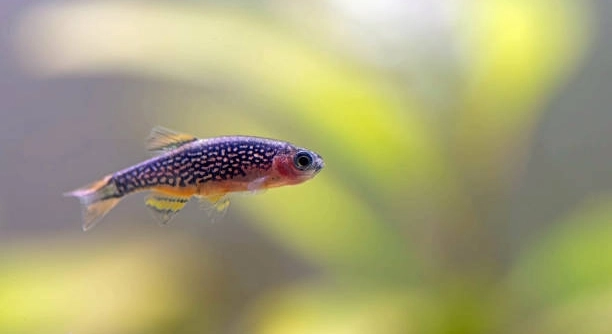
Celestial Pearl Danios are small, colorful fish often kept in home aquariums for their lively behavior and striking appearance. Their gentle nature and active swimming make them enjoyable to watch, adding vibrancy to any aquatic setup.
Celestial Pearl Danios can be trained with food using consistent feeding routines and positive reinforcement techniques. Gradually rewarding desired behaviors helps them associate actions with treats, allowing them to learn simple responses such as coming to the hand or following movement.
Observing their reactions to food provides insight into their behavior and enhances the bond between owner and fish over time.
Understanding Celestial Pearl Danios Behavior
Celestial Pearl Danios are naturally curious and social fish. They prefer to swim in groups, which provides them comfort and security. Observing their natural tendencies can help you anticipate how they respond to feeding and interaction. These fish are active during the day, often exploring their environment. They enjoy small hiding spots and plants, which reduce stress and make them more likely to engage with their surroundings. When food is introduced, they quickly learn its source, especially if it appears at regular times. Repetition is key to training, as they rely on visual and spatial cues. Gentle movements and consistent placement of food help reinforce patterns. Over time, they start recognizing the person feeding them and may swim closer in anticipation. Understanding these behaviors allows for more effective training and strengthens the connection between owner and fish. Patience and observation are essential for success.
Observing their patterns daily ensures you can adjust feeding methods and optimize training results efficiently.
Creating a structured feeding routine helps the fish associate specific signals with food. Regular timing, consistent placement, and small, frequent portions improve responsiveness. Training should be gradual, rewarding minor actions first, such as swimming toward your hand or following a finger. Avoid sudden movements that may startle them, as trust is built slowly. Recording their reactions can help track progress. Environmental enrichment, like adding small plants or decorations, encourages exploration and increases learning opportunities. Avoid overcrowding the tank, as stress reduces responsiveness. Food-based training is most effective when fish are slightly hungry but not starving. Combining these methods ensures both mental stimulation and proper nutrition.
Tips for Effective Food Training
Start with tiny portions to prevent overfeeding while gaining attention from your fish.
Consistency is critical for training Celestial Pearl Danios. Conduct sessions at the same time daily, ensuring that cues, hand gestures, and feeding locations remain identical. Gradual progression from simple behaviors to more complex responses keeps them engaged without overwhelming them. Using small, high-quality foods like micro pellets or live foods can increase motivation. Monitor their health closely, as changes in behavior or appetite may indicate stress or illness. Reinforcing positive actions consistently helps solidify learned behaviors, while ignoring undesired actions prevents confusion. Social dynamics within a group also affect training, so ensure each fish has equal access to food and attention. Over time, they become responsive, demonstrating learned behaviors reliably. Proper patience and repetition allow the training process to remain smooth, creating a manageable and enjoyable routine for both fish and owner.
Choosing the Right Food
Small, high-protein foods are ideal for Celestial Pearl Danios. Micro pellets, baby brine shrimp, and finely crushed flakes work best. Foods should be easy to digest and sized appropriately to prevent choking or waste in the tank.
Using high-quality foods improves training efficiency and keeps the fish healthy. Fresh or live foods like daphnia or baby brine shrimp are excellent for encouraging active behavior. They respond quickly to these treats, which helps reinforce training patterns. Avoid overfeeding, as excess food can pollute the water and reduce fish activity. Incorporating a variety of foods ensures balanced nutrition, maintaining their vibrant colors and overall well-being.
Feeding in small, frequent amounts allows the fish to anticipate rewards, strengthening the learning process. Consistent placement of food, such as near a hand or a specific spot, creates a clear association. Observing which foods attract the most attention can help refine training strategies. Maintaining water quality and providing a calm environment ensures that the fish remain focused during training sessions.
Setting Up a Training Routine
Short, consistent sessions work best for Celestial Pearl Danios. Two to three minutes per session keeps their attention and prevents stress.
Establishing a predictable schedule helps the fish recognize patterns and respond reliably. Begin with one session per day at the same time, gradually increasing frequency if the fish remain attentive. Always use the same hand gestures or feeding tools to signal food presence. Consistency in timing, location, and type of food is crucial to reinforce desired behaviors. Observation during each session allows you to adjust methods for better responsiveness. Ensuring the tank environment is calm, with minimal distractions, supports effective learning.
Gradually increasing task complexity keeps the fish engaged without overwhelming them. Start by rewarding simple behaviors, such as swimming toward the hand, and progress to following a finger or performing small movements. Repetition and patience are critical, as Celestial Pearl Danios learn through association rather than instinct. Avoid punishing undesired behaviors; instead, redirect focus toward positive actions. Monitoring health and stress levels ensures that training remains beneficial. Over time, fish develop reliable responses, demonstrating that structured routines combined with proper nutrition can produce consistent results.
Observing Their Responses
Celestial Pearl Danios react quickly to visual cues and food signals. Noticing their swimming patterns and attention levels helps determine which methods work best for training. Consistent observation ensures progress is tracked accurately.
Subtle changes in behavior, such as approaching a hand or following movement, indicate learning. Recognizing these signs allows adjustments to training techniques. Timing, environment, and food type all influence responsiveness, making careful monitoring essential for successful results.
Using Positive Reinforcement
Rewarding desired behaviors strengthens the association between actions and food. Consistently providing treats for correct responses encourages repeated performance. Over time, fish begin to anticipate rewards, improving training efficiency.
Common Challenges
Distractions from other tank mates or sudden movements can reduce training effectiveness. Minimizing stress and maintaining a calm environment improves learning outcomes.
Monitoring Progress
Tracking behaviors during each session helps measure improvement. Recording responses and adjusting routines ensures training remains productive and engaging for the fish.
FAQ
Can Celestial Pearl Danios recognize their owner?
Yes, they can. With consistent feeding and gentle interactions, these fish start to associate you with food and safety. Over time, they may swim closer when they see you near the tank, showing familiarity and trust. This recognition is subtle but noticeable through repeated behavior.
How long does it take to train them with food?
Training time varies depending on consistency and the fish’s temperament. Some Danios may respond to cues in a few days, while others take weeks. Short, regular sessions with the same signals and hand gestures accelerate learning and reinforce predictable behavior patterns.
What types of food work best for training?
Small, high-protein foods are most effective. Micro pellets, finely crushed flakes, and live foods like baby brine shrimp or daphnia encourage active participation. Rotating food types can maintain interest and prevent boredom while ensuring balanced nutrition.
How often should I train them?
Two to three short sessions per day are ideal. Each session should last two to three minutes to maintain attention and avoid stress. Consistency in timing, environment, and gestures is more important than session length. Gradually increasing frequency is possible if the fish remain engaged.
What if the fish ignore the food?
If they show little interest, assess water quality, stress levels, and feeding schedule. Hungry but healthy fish respond better to training. Avoid overfeeding beforehand, as satiated fish are less likely to engage with cues. Switching food type or presentation may also help regain their attention.
Can all Celestial Pearl Danios be trained?
Most can be trained, but individual temperament matters. Some fish are more curious and responsive, while others are shy or easily stressed. Group dynamics also influence behavior; a timid fish may follow bolder tank mates rather than respond to training cues directly.
Is hand feeding necessary for training?
Hand feeding is not required but helps create a stronger association between the owner and food. Placing food consistently near a finger or hand encourages approach behaviors. Using feeding tools or tweezers can achieve similar results without direct contact, reducing stress for shy fish.
How do I avoid overfeeding during training?
Use very small portions and split daily food into training sessions. Micro pellets or tiny live food portions allow multiple repetitions without exceeding nutritional needs. Monitoring water quality and fish health ensures that training does not compromise overall care.
Can training improve their behavior in the tank?
Yes. Food-based training encourages active swimming, reduces hiding, and promotes natural behaviors. It can also reduce aggression in group settings by providing structured interaction and predictable routines, helping maintain harmony among tank mates.
What are signs that training is working?
Signs include approaching your hand or food consistently, following finger movements, or performing simple responses like swimming toward a specific area. Gradual improvement in attentiveness and willingness to interact indicates the fish is learning successfully.
Can stress affect training?
Stress significantly reduces learning ability. Avoid sudden movements, overcrowding, or aggressive tank mates. Calm water conditions, stable temperature, and appropriate tank decor help fish feel safe, increasing responsiveness to training. Stress management is crucial for maintaining motivation and consistency.
How do I progress to more advanced behaviors?
Start with simple actions, then reward incremental improvements. For example, begin with swimming to the hand, then progress to following a finger or swimming through a small hoop. Patience, repetition, and consistent reinforcement are essential for building more complex responses.
Is training harmful to their health?
No, if done carefully. Training with food should complement their regular feeding schedule and not cause overfeeding. Short, stress-free sessions support mental stimulation and improve activity levels, contributing to overall health and well-being.
Can multiple Danios be trained at the same time?
Yes, but monitor for dominance or competition. Group dynamics may require separate attention for shy or less assertive fish. Ensure all individuals have equal access to food and rewards to prevent stress or aggression.
How do I keep training interesting for the fish?
Vary food types, adjust placement, and introduce simple new cues gradually. Changing sessions slightly prevents boredom and maintains engagement while reinforcing learned behaviors. Observing individual preferences helps tailor training to each fish’s responsiveness.
This FAQ covers most common concerns and provides practical strategies for training Celestial Pearl Danios effectively. With patience, consistent methods, and careful observation, their responses to food-based training can become reliable and enjoyable for both owner and fish.
Final Thoughts
Training Celestial Pearl Danios with food is a practical and rewarding approach to encourage interaction and mental stimulation. These fish are naturally curious, and their responses to feeding cues can be surprisingly consistent when approached with patience and routine. Using small, high-protein foods like micro pellets, finely crushed flakes, or live foods such as baby brine shrimp provides both motivation and proper nutrition. Consistency in timing and placement of food is crucial. When fish learn to associate a particular hand movement, feeding tool, or spot in the tank with a reward, they gradually begin to respond predictably. Short, frequent sessions allow the fish to maintain focus without becoming stressed, and repeating the same gestures helps reinforce the desired behaviors. Over time, these small interactions can enhance observation of natural behaviors while creating a subtle bond between the fish and the owner.
Careful observation is an important aspect of this process. Noticing how individual fish respond to cues allows adjustments to training strategies. Some Danios are more outgoing, swimming quickly toward food, while others may take longer to approach. Environmental factors such as tank decor, presence of other fish, and water quality can influence responsiveness. Ensuring a calm, stable environment improves the likelihood of success. Stress should be minimized, as it can interfere with learning and overall health. Training should never replace proper feeding schedules or maintenance, but rather complement them. Small, repeated successes gradually build confidence in the fish, allowing more advanced behaviors to be introduced over time. Documenting progress and monitoring reactions also ensures that training remains effective and aligned with the fish’s needs.
Overall, food-based training is a practical tool that encourages both mental stimulation and active behavior in Celestial Pearl Danios. It is important to maintain realistic expectations, as learning is gradual and varies among individuals. Patience, consistency, and careful attention to environmental conditions are key to achieving successful results. By providing structured feeding cues and rewarding desired actions, fish can develop reliable responses while remaining healthy and active. This approach not only enhances the enjoyment of observing their behavior but also contributes to the fish’s overall well-being. With dedication and careful observation, owners can create a manageable and enriching routine, allowing Celestial Pearl Danios to thrive in their tank while responding to training in a predictable and engaging manner.

Hello,
If you enjoy the content that we create, please consider saying a "Thank You!" by leaving a tip.
Every little bit helps us continue crafting quality advice that supports the health, happiness, and well-being of pets around the world, for pets of all shapes, sizes, and species.
We really appreciate the kindness and support that you show us!