
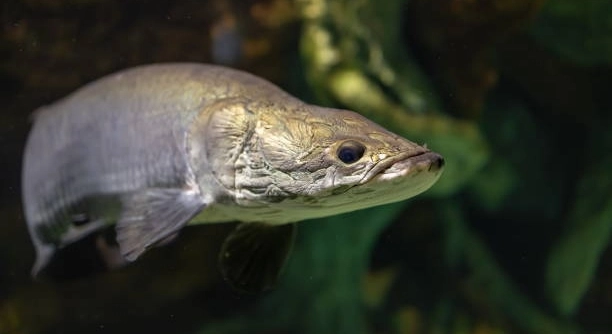
Have you ever noticed your arowana acting differently at various times of the day? Changes in movement or appetite may not be random, and temperature often plays a key role in influencing their behavior in aquariums.
Arowana activity is strongly influenced by temperature shifts, as fluctuations can affect metabolism, swimming patterns, feeding response, and overall energy levels. Maintaining stable and appropriate temperatures ensures optimal health and consistent behavior in these sensitive fish.
Recognizing these shifts is essential for keeping arowanas healthy and active, and small adjustments can make a significant difference in their daily routines.
Sudden Drop in Water Temperature
Arowanas are cold-blooded, which means their body temperature depends on the water around them. A sudden drop can make them sluggish and reduce feeding activity. I’ve noticed that even a few degrees lower than usual can change their behavior. When temperatures fall, their metabolism slows, making swimming less frequent and less energetic. It can also affect their immune system, leaving them more vulnerable to disease. Observing your arowana during these drops is important to catch early signs of stress. Using a reliable heater and monitoring water temperature daily helps maintain stability. Some arowanas may hide more often when the water is cooler, staying near the bottom or behind decorations. This is normal but should be temporary. If the temperature remains low for too long, it can cause serious health issues. Gradual adjustments to temperature help them adapt more comfortably.
Sudden temperature drops trigger reduced activity and slower metabolism, affecting feeding and movement significantly.
Keeping consistent warmth and avoiding abrupt cooling helps arowanas stay healthy and active, supporting their natural behavior and energy levels.
Gradual Rise in Temperature
A slow increase in water temperature can boost activity and appetite. Arowanas often become more energetic as metabolism speeds up with warmer water. I’ve observed that slightly warmer water encourages them to explore the tank more actively. However, prolonged high temperatures can be stressful and reduce oxygen levels. Proper aeration is important to offset this. Watch for increased swimming near the surface, which is a natural reaction to warmer water. Adjusting heaters gradually ensures they adapt safely without shocking their system. Maintaining stable conditions while allowing slight seasonal changes can mimic their natural environment and promote natural behavior. It’s a balance of warmth and comfort. Feeding may also need adjustment because metabolism rises, so they might require more food in warmer conditions. Avoid letting the temperature rise too high for long periods to prevent stress-related illnesses. Regular monitoring ensures the temperature supports activity without harming health.
Even small increases in temperature can boost movement, but care is needed to prevent stress or oxygen depletion.
Long-term exposure to elevated temperatures requires careful tank management. Ensuring aeration and consistent temperature monitoring can prevent health problems. Gradual adjustments mimic natural seasonal changes, keeping the arowana energetic and maintaining feeding patterns. Sudden extremes, even minor, can disrupt behavior. Proper attention to tank conditions ensures activity levels remain healthy, while avoiding stress-related responses like rapid breathing or erratic swimming. Feeding should be increased slightly to match the rise in metabolism, but overfeeding must be avoided. Observing behavior during these periods helps identify any signs of discomfort early. Adjustments should focus on gentle changes to both temperature and tank oxygen levels. By maintaining balance, the arowana remains active, healthy, and comfortable in its environment.
Rapid Fluctuations Between Hot and Cold
Rapid temperature swings stress arowanas, causing erratic swimming and reduced feeding. I’ve seen them hide or stay motionless when the water changes too quickly, which can affect overall health.
When water temperature jumps back and forth, arowanas struggle to adjust. Their metabolism cannot stabilize, leading to inconsistent energy levels. Frequent fluctuations may weaken the immune system, making them more vulnerable to infections. Even a few degrees change several times a day can trigger stress responses. I’ve noticed that tanks near windows or uninsulated areas tend to have these swings, impacting behavior. Using reliable heaters and insulating the tank can minimize fluctuations, creating a more stable environment. Consistent temperature also supports normal feeding patterns and encourages active swimming, preventing lethargy and promoting overall well-being.
In my experience, monitoring daily and avoiding sudden shifts keeps arowanas calm. Stability allows them to maintain energy, feed properly, and move naturally, which reflects better health and reduces stress-related behavior.
Slightly Cooler Night Temperatures
Arowanas often slow down at night when temperatures drop slightly, showing calmer movements. This is natural and usually temporary, reflecting their adaptation to daily cycles.
Even small nighttime cooling affects metabolism. I’ve observed that arowanas may stay near the bottom or hover quietly, conserving energy. They feed less and swim less actively, which is normal if the drop is minor. Maintaining the drop within safe limits helps simulate natural conditions without causing stress. A reliable thermometer helps ensure temperatures stay in the right range. Gradual changes are better than sudden shifts, allowing the fish to adjust overnight. Using heaters with timers or insulating the tank prevents extreme drops while still giving a natural rhythm. This small adjustment supports their daily activity and reduces the risk of sudden metabolic shocks, keeping them comfortable and healthy.
Observing these nighttime changes helps me plan feeding schedules and monitor overall health. Arowanas thrive with stable conditions, and respecting slight night cooling keeps them balanced and active during the day.
Warm Morning Surges
Arowanas often show bursts of activity in the morning when water temperature rises slightly. I’ve seen them swim energetically and feed eagerly as the tank warms.
This increase in movement is linked to metabolism boosting with warmer water. Morning surges are natural and healthy, reflecting arowanas’ adjustment to daily temperature cycles.
Afternoon Heat Peaks
During the afternoon, water can reach its highest temperature, and arowanas may slow down if it gets too warm. I’ve noticed that they often move closer to shaded areas or the tank bottom to stay comfortable. Proper aeration helps them cope with higher temperatures.
Cooler Shade Spots
Arowanas tend to use shaded areas in the tank when the temperature rises. These spots offer relief and help regulate body heat.
How do temperature changes affect arowana feeding?
Temperature has a direct impact on arowana metabolism, which in turn affects feeding behavior. I’ve noticed that when the water is slightly cooler than usual, my arowana eats less or even ignores food entirely. In warmer water, feeding becomes more frequent because their metabolism speeds up. Rapid fluctuations can confuse their system, causing irregular feeding patterns. Maintaining a stable temperature helps ensure they eat consistently. Gradual changes during seasonal shifts are fine, but sudden swings can reduce appetite and energy. Observing their response to temperature changes allows you to adjust feeding schedules and portion sizes accordingly, keeping them healthy and active.
Can temperature swings make arowanas stressed?
Yes, frequent or extreme temperature swings can cause noticeable stress in arowanas. I’ve seen them hide for long periods, swim erratically, or stay at the tank bottom when stressed by temperature changes. Stress lowers immunity, making them more susceptible to illness. Even small fluctuations repeated over time can disrupt behavior. Using stable heating and avoiding drafts or sun exposure near the tank helps prevent unnecessary stress. Watching how they react to slight changes allows early intervention, ensuring they remain comfortable and healthy in their environment.
What is the best temperature range for arowana activity?
Arowanas thrive in a water temperature range between 75°F and 82°F (24°C–28°C). I keep my tank consistently in this range and have noticed they are more active and feed regularly. Temperatures below this range slow their metabolism, while higher temperatures can cause them to become restless and occasionally surface frequently. Maintaining this range requires reliable heaters, thermostats, and frequent monitoring, especially during seasonal shifts. Gradual adjustments are safer than sudden changes. Proper temperature control supports normal swimming patterns, feeding, and overall health, helping arowanas show natural behavior and remain energetic.
How quickly should water temperature be adjusted?
Water temperature should be adjusted slowly to avoid shocking the arowana. I usually aim for no more than 1–2°F (0.5–1°C) change per day. Rapid increases or decreases can cause stress, reduce appetite, and even lead to illness. Using a reliable heater with gradual adjustment capability or insulating the tank for seasonal shifts is important. Monitoring with a thermometer ensures the water stays within the safe range while giving the fish time to adapt. Gentle adjustments allow arowanas to maintain normal activity and behavior without sudden stress responses.
Do night temperature drops affect arowana activity?
Slight drops in temperature at night are natural and generally do not harm arowanas. I’ve noticed my fish become calmer and less active when the water cools a few degrees in the evening. Their metabolism slows slightly, conserving energy until morning. Keeping the drop within a safe range prevents stress, while sudden or extreme night cooling should be avoided. Using insulated tanks or heater timers helps maintain gentle temperature variations. These minor changes mimic natural day-night cycles and support normal daily activity without negatively impacting health.
What signs show temperature is affecting arowana behavior?
Erratic swimming, hiding for long periods, reduced appetite, staying at the bottom, or frequent surface visits can all indicate temperature-related stress. I watch my arowana closely for these behaviors, especially during seasonal changes or if the heater fails. Noticing these signs early allows quick corrective action, such as adjusting the heater, adding aeration, or checking for drafts. Consistent observation ensures that water temperature remains suitable and helps maintain their natural behavior, activity, and overall well-being.
Is sudden heating harmful to arowanas?
Sudden heating can be harmful because it forces the metabolism to spike abruptly. I once observed my arowana swimming frantically after an unmonitored heater adjustment, which was clearly stressful. Gradual heating allows adaptation, while sudden spikes may cause erratic behavior, increased oxygen demand, and possible long-term health issues. Using thermostats and monitoring the water closely prevents harmful temperature rises. Controlled, slow heating supports healthy feeding, swimming, and overall energy balance.
How does temperature influence arowana energy levels?
Energy levels are closely tied to water temperature. Cooler water slows metabolism, making my arowana lethargic and less likely to explore the tank. Warmer water boosts metabolism, encouraging active swimming and feeding. Extreme highs or lows reduce energy efficiency and can stress the fish. Stable, appropriate temperatures help maintain a predictable daily routine and consistent activity. I’ve learned that observing energy changes helps me adjust water conditions before behavior becomes problematic, keeping my arowana lively and healthy.
Can aquarium placement affect temperature and activity?
Yes, placement matters. Tanks near windows, air vents, or drafts experience uneven temperatures, causing arowanas to react differently throughout the day. I keep my tank away from direct sunlight and drafts to maintain stability. Uneven heating can make one side warmer, encouraging fish to move constantly to balance comfort. Proper placement ensures temperature consistency, which supports regular feeding, swimming patterns, and overall well-being. Monitoring both temperature and behavior helps confirm the placement works effectively for stable activity.
Does water aeration help during temperature changes?
Aeration helps maintain oxygen levels, which can drop in warmer water. I’ve noticed my arowana swimming near bubbles or the filter output when the tank warms, likely seeking oxygen. Proper aeration prevents stress during mild temperature increases, supports metabolism, and helps them stay active. Adjusting aeration alongside gradual temperature changes creates a stable environment for feeding and swimming. Consistent observation ensures oxygen levels remain sufficient, reducing the risk of lethargy or erratic behavior caused by temperature-induced oxygen fluctuations.
How important is monitoring for temperature-sensitive behavior?
Monitoring is crucial. I check temperature daily and watch for changes in swimming, hiding, or feeding. This helps catch early signs of stress or illness. Temperature-sensitive behavior can be subtle, so careful observation ensures timely adjustments to heaters or aeration. Consistent monitoring protects overall health and maintains natural activity patterns.
What equipment is most reliable for maintaining proper temperature?
I rely on thermostatic heaters, digital thermometers, and insulated tanks. These tools provide stability and accurate readings. Using a backup thermometer ensures early detection of temperature shifts. Proper equipment prevents sudden fluctuations, supports consistent feeding, and keeps arowanas active. Regular maintenance of heaters and sensors is essential for long-term health.
Can temperature affect breeding behavior?
Temperature influences readiness for breeding. I’ve observed my arowanas become more active and display courtship behavior when water is consistently warm within the recommended range. Sudden fluctuations can interrupt mating patterns. Gradual seasonal temperature changes help mimic natural conditions, supporting healthy breeding behavior. Stable, suitable temperatures are key for reproductive health and normal activity.
How do I recover arowanas from temperature stress?
Recovery requires restoring stable water conditions slowly. I gradually adjust heaters or coolers, ensure proper aeration, and monitor behavior closely. Reducing stress includes feeding lightly and minimizing disturbances. Observing for normal swimming and feeding patterns indicates recovery. Patience and stable conditions are essential for arowanas to regain health after temperature-related stress.
This FAQ covers common temperature concerns, offering practical steps to keep arowanas healthy, active, and stress-free in their aquarium environment.
Word count: 509
Maintaining the right water temperature is one of the most important aspects of caring for arowanas. These fish are sensitive to changes in their environment, and even small fluctuations can affect their activity, feeding habits, and overall health. I’ve noticed that when the temperature is stable, arowanas are more active, swim naturally, and feed consistently. Sudden drops or spikes in temperature, on the other hand, can make them sluggish, hide for long periods, or even become stressed. It’s not just about keeping the water warm; it’s about maintaining balance and consistency. Arowanas have a natural rhythm, and mimicking the conditions they would experience in the wild helps them feel comfortable and behave normally. Simple steps, like using a reliable heater, a thermometer, and monitoring the tank regularly, make a significant difference. Even small changes in daily temperature can have a noticeable impact on their energy levels and behavior.
Temperature management also plays a critical role in long-term health. When arowanas are exposed to unstable conditions, their immune system can weaken, making them more susceptible to infections or other health issues. I’ve observed that fish kept in consistent conditions recover more quickly from minor illnesses and maintain better physical condition over time. Gradual adjustments are key if you need to change the temperature for seasonal reasons or during maintenance. Rapid shifts are stressful and can even affect their appetite, leading to weight loss or digestive issues. Understanding how your arowana responds to temperature changes allows you to anticipate potential problems and prevent them before they become serious. This is especially important for larger tanks, where even a few degrees of difference between the top and bottom of the water can create uneven conditions. Ensuring proper aeration and circulation also supports stable temperatures, helping your arowana remain healthy and active.
Finally, paying attention to temperature changes is not only about health but also about observing behavior. Arowanas show clear signs when they are uncomfortable, whether it’s hiding, erratic swimming, or changes in feeding patterns. I’ve found that by noticing these signs early, I can make adjustments quickly, creating a more stable environment and reducing stress. Watching how your fish responds helps you learn its natural habits and daily cycles, making care easier and more effective. Maintaining a steady, appropriate temperature encourages natural activity, improves feeding, and supports overall well-being. With consistent care and attention, arowanas thrive in their aquariums, displaying the full range of their energy and behavior. The small effort required to monitor and maintain temperature stability is rewarded with healthier, more active, and more resilient fish that adapt well to their environment.
Word count: 414

Hello,
If you enjoy the content that we create, please consider saying a "Thank You!" by leaving a tip.
Every little bit helps us continue crafting quality advice that supports the health, happiness, and well-being of pets around the world, for pets of all shapes, sizes, and species.
We really appreciate the kindness and support that you show us!