
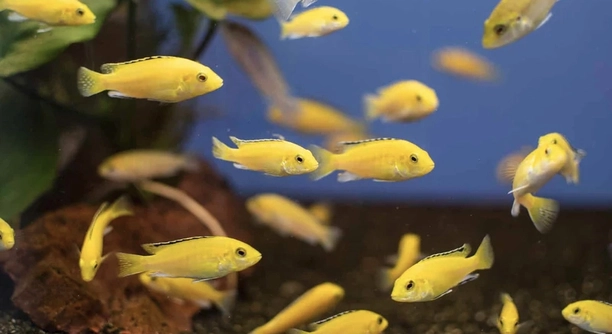
Cichlids are fascinating fish known for their vibrant colors and distinct personalities. Their behavior can change noticeably with shifts in their environment, especially when water temperatures fluctuate, influencing feeding, activity, and social interactions.
Temperature drops in aquariums can significantly alter cichlid behavior. Sudden decreases may reduce activity levels, slow metabolism, trigger stress responses, affect aggression, and disrupt breeding patterns. Understanding these changes is essential for maintaining healthy fish and a balanced aquatic environment.
Observing these temperature-induced behaviors can help ensure your cichlids thrive and maintain their natural routines in your aquarium.
Sudden Drops Affect Activity Levels
When the water temperature drops quickly, cichlids tend to become less active almost immediately. Their swimming slows, and they often retreat to the corners or bottom of the tank. Feeding habits can change too, as their metabolism slows down, making them eat less. Some species may float near the surface, appearing lethargic, while others hide behind decorations or plants. Observing your fish during these moments can help identify their comfort zones and preferred hiding spots. Gradual temperature changes are less stressful, but sudden shifts can trigger stress responses. Over time, frequent drops in temperature may weaken their immune system, making them more prone to disease. Maintaining consistent temperature is important, especially for species sensitive to cold. Using heaters, monitoring equipment, and observing your fish regularly ensures they stay active and healthy. Even small adjustments in daily routines can make a noticeable difference in how your cichlids respond to the environment.
Sudden temperature changes can lead to slower movements, reduced feeding, and hiding behavior, signaling stress in cichlids.
Monitoring activity patterns helps maintain a stable environment. Regular checks prevent long-term health problems and support natural behaviors in your tank.
Aggression and Territorial Shifts
Temperature drops can influence cichlids’ social behavior, particularly aggression. Lower temperatures may cause dominant fish to assert control more frequently, while weaker fish retreat more often. This can change the hierarchy within the tank temporarily. Aggression spikes are often short-term but can impact breeding and feeding.
Stress from cooler water can disrupt normal interactions, making some cichlids more defensive over territory. Hiding places and tank layout can help reduce confrontations. Observation is key, as behavior changes might go unnoticed at first. Ensuring stable temperature limits unexpected fights and promotes a balanced community.
Consistent temperature control reduces stress-related aggression. Implementing barriers and rearranging decorations provides safety for less dominant fish. Careful monitoring of fish interactions ensures peaceful coexistence. Tank conditions, combined with natural instincts, dictate how cichlids respond to sudden environmental changes, influencing overall health and social balance.
Feeding Patterns Slow
Cichlids often eat less when the water cools. Their digestion slows, and they may ignore food for hours or even a full day, affecting growth if the temperature drop persists.
Reduced appetite during cooler periods is normal but requires careful observation. If feeding decreases for more than a day, it can signal stress or illness. Offering smaller portions and ensuring water remains clean helps prevent leftover food from polluting the tank. Some species may resume normal feeding once temperatures stabilize, while others remain cautious. Gradually adjusting water temperature can encourage them to eat without causing sudden stress. Monitoring their behavior around feeding times is important.
Slow feeding affects nutrient intake, growth, and energy levels. Observing which fish eat first, how long they hesitate, and whether any show signs of lethargy helps prevent long-term health issues in your aquarium.
Breeding Behavior Changes
Cooler temperatures can delay or halt breeding activity in many cichlid species. Eggs may not be laid, and males may reduce courtship displays, disrupting reproductive cycles.
Temperature drops impact hormonal cycles that trigger mating behavior. Males often lose coloration or become less territorial, and females may show less interest in nesting sites. In established pairs, sudden cooling can interrupt ongoing spawning, leading to abandoned eggs or increased aggression. Some species resume breeding once water warms, but repeated fluctuations can lower overall fertility. Maintaining stable conditions is essential for predictable reproductive behavior. Observing subtle changes in behavior, such as shifts in proximity between pairs or nest guarding, can provide insight into how your cichlids are coping with cooler water.
Monitoring breeding behavior allows adjustments to temperature, tank setup, and care routines. Consistency ensures healthier offspring and reduces stress-related conflicts during reproductive periods.
Hiding and Shelter-Seeking
When temperatures drop, cichlids often retreat to hiding spots. Rocks, plants, and decorations become preferred areas, offering comfort and reducing stress during cooler periods.
Frequent shelter-seeking is a normal response to environmental changes. Observing where fish hide most can help identify preferred areas and improve tank arrangement for their comfort.
Schooling and Group Behavior
Cooler water can influence schooling tendencies in cichlids. Fish may cluster together more tightly, reducing individual movement and conserving energy. This behavior helps maintain warmth and provides a sense of security in unstable conditions.
Grouping behavior can also impact feeding and social dynamics. Dominant fish may control food access, while others wait for safer moments to approach. Monitoring interactions during these periods ensures that all fish receive proper nutrition. Adjusting tank layout or adding extra hiding spots can reduce competition and stress. Understanding these patterns helps maintain balance and supports the well-being of the entire group in the aquarium.
Color Changes
Temperature drops can affect cichlid coloration. Colors may fade, appearing duller, which is often a temporary response to stress or slowed metabolism.
Maintaining consistent water conditions can help restore vibrant colors as fish adjust to a stable environment.
FAQ
How low is too low for cichlid tank temperatures?
Most cichlids thrive between 75°F and 82°F (24°C–28°C). Drops below 72°F (22°C) can slow metabolism, reduce activity, and increase stress. Sensitive species may react even at slightly higher temperatures, so monitoring your thermometer daily is important. Sudden temperature changes are more harmful than gradual shifts.
What signs show my cichlids are stressed by cold?
Lethargy, hiding more than usual, faded coloration, reduced feeding, and unusual aggression are common indicators. Stress weakens their immune system, making them more prone to infections. Noticing subtle changes early helps prevent long-term health issues.
Can cooler temperatures stop breeding entirely?
Yes. Drops in temperature can delay egg-laying, reduce courtship displays, or cause males to lose territorial behavior. Females may abandon nesting sites. If you want consistent breeding, maintaining stable, warm water is essential. Repeated fluctuations can lower fertility and stress both partners.
Do all cichlids react the same to temperature drops?
No. Species vary widely in tolerance. Tropheus and African rift lake cichlids are particularly sensitive, while some South American cichlids tolerate slightly cooler water. Knowing your species’ natural habitat helps determine safe temperature ranges and prevent stress-related behavior.
How quickly should I raise water temperature after a drop?
Temperature should be increased gradually, around 1–2°F (0.5–1°C) per hour. Sudden heating can shock fish, worsening stress. Using a reliable heater and monitoring devices ensures a smooth recovery without causing additional behavioral issues.
Will cichlids regain color after a cold period?
Yes. Once water stabilizes and stress decreases, vibrant colors usually return. Recovery may take several days depending on the severity and duration of the temperature drop. Ensuring proper nutrition and clean water supports faster color restoration.
Should I adjust feeding during colder periods?
Yes. Reduce portion sizes and offer easily digestible food. Slower metabolism means they need less food. Overfeeding can lead to water quality issues, increasing stress. Observe which fish eat and remove uneaten food promptly.
Can temperature drops trigger aggression?
Yes. Dominant fish may assert control over limited resources, while weaker fish hide. Aggression may peak temporarily but usually decreases as conditions stabilize. Adding extra hiding spaces and rearranging decorations can help reduce conflicts during these periods.
Is it necessary to isolate sick or stressed fish during cold spells?
Isolation can help prevent further stress and reduce disease transmission. However, it should be temporary. Provide stable temperatures, clean water, and proper nutrition to encourage recovery before returning them to the main tank.
How can I prevent temperature drops in the first place?
Use a reliable heater with a thermostat, insulate the tank in cooler rooms, and avoid placing it near drafts or air conditioning vents. Regular monitoring and gradual seasonal adjustments help maintain consistent water temperatures and support stable cichlid behavior.
Can temperature fluctuations affect long-term health?
Yes. Frequent drops or sudden changes increase stress, lower immunity, and may shorten lifespan. Consistency in water conditions supports healthy metabolism, activity, and social interactions, ensuring your cichlids remain vibrant and resilient over time.
Are there signs that temperature is too high instead of too low?
Yes. Rapid swimming, gasping at the surface, faded color, and increased aggression can indicate overheating. While this article focuses on drops, maintaining a stable range in both directions is essential for overall health and behavior stability.
What is the safest way to acclimate new cichlids in a colder tank?
Float the bag in the tank to equalize temperatures slowly, then gradually mix tank water. Avoid sudden immersion in cooler water to reduce stress. Patience during acclimation helps maintain activity, feeding habits, and long-term adjustment.
Does lighting affect temperature-related behavior?
Indirectly. Strong lighting can slightly increase water temperature and influence activity cycles. Consistent lighting schedules combined with stable water temperature help maintain normal behavior, coloration, and feeding patterns.
How often should I check water temperature?
Daily checks are ideal. Using a reliable thermometer ensures immediate detection of drops or spikes. Quick action minimizes stress, helps maintain normal behavior, and protects long-term health of your cichlids.
Can adding more fish affect temperature stability?
Not directly, but a crowded tank can stress fish if temperature fluctuates. More fish increase oxygen demand and waste production, making stable temperature and filtration even more important. Proper tank management supports balanced behavior even during cooler periods.
Are there supplements that help cichlids during cooler temperatures?
High-quality, nutrient-rich food supports immune function and energy during slower metabolism periods. Avoid overfeeding, as uneaten food can harm water quality. Supplements cannot replace proper temperature management but can help fish stay healthy.
How do I know if my cichlids are adjusting well to a temperature change?
Active swimming, resumed feeding, normal coloration, and regular social interactions indicate good adjustment. Monitoring behavior closely after any change helps ensure recovery and long-term health.
Can cooler water improve lifespan in some species?
Slightly cooler temperatures may slow metabolism, potentially extending lifespan in certain species, but sudden drops or prolonged cold are harmful. Balance is key to supporting normal behavior and preventing stress-related illness.
What is the best way to recover fish from stress caused by temperature drops?
Stabilize water temperature gradually, maintain clean water, provide balanced nutrition, and minimize disturbances. Observing for resumed normal behavior like feeding, swimming, and social interaction signals recovery and helps prevent long-term effects.
Final Thoughts
Maintaining a stable environment is essential for keeping cichlids healthy and active. Temperature drops, even minor ones, can cause noticeable changes in their behavior. Fish may become lethargic, hide more frequently, or show reduced feeding. Aggression can increase temporarily, and breeding patterns may be disrupted. By paying attention to these signs, you can identify problems early and take steps to correct them. Consistent monitoring of your aquarium’s temperature, along with observing your fish daily, allows you to respond quickly to changes. Small adjustments, like moving the tank away from drafts or using a reliable heater, make a significant difference in maintaining a safe and stable environment. Over time, consistent care helps your cichlids remain active, colorful, and comfortable in their home. Understanding their natural behaviors and responses to environmental shifts is key to ensuring their long-term health.
Temperature fluctuations affect more than just behavior. They influence metabolism, digestion, and immunity. Fish that are stressed by cooler water are more vulnerable to illness, which can be compounded if multiple drops occur over time. Feeding patterns often change as well, so adjusting portion sizes and types of food helps prevent overfeeding or leftover waste in the tank. Providing hiding spaces and rearranging decorations can reduce stress during periods of lower temperature. Some species are more sensitive than others, so knowing the specific needs of your cichlids is important. Gradual temperature adjustments are always preferable to sudden shifts, which can shock the fish. Observing how your fish react during these changes allows you to improve their environment and prevent long-term negative effects. Consistency is key for promoting natural behavior, minimizing stress, and supporting overall well-being.
Caring for cichlids requires attention to their environment, behavior, and health. Temperature is a critical factor that affects every aspect of their lives, from activity levels to social interactions. By understanding how cooler water influences aggression, feeding, and breeding, you can create a stable and balanced aquarium. Regular monitoring, careful adjustments, and providing safe spaces for hiding contribute to a more comfortable habitat. Ensuring consistent water conditions and responding to behavioral changes allows your cichlids to thrive. Ultimately, maintaining stable temperatures supports their natural behaviors and promotes long-term health. A well-managed aquarium not only keeps your fish active and vibrant but also allows you to enjoy observing their unique personalities and interactions every day.

Hello,
If you enjoy the content that we create, please consider saying a "Thank You!" by leaving a tip.
Every little bit helps us continue crafting quality advice that supports the health, happiness, and well-being of pets around the world, for pets of all shapes, sizes, and species.
We really appreciate the kindness and support that you show us!