
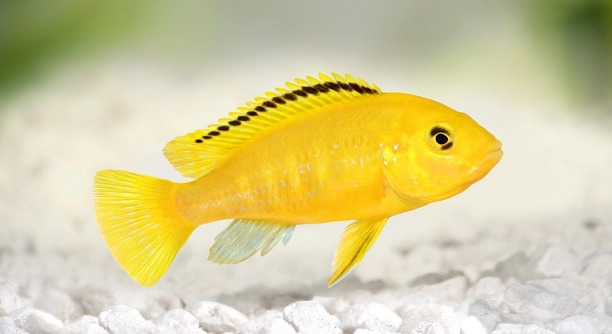
Do you ever notice your cichlids acting differently in their tank, sometimes seeming restless or unusually calm? Their environment can greatly affect their behavior, and one of the most overlooked factors is the type of substrate beneath them.
Different substrates influence cichlid mood through variations in texture, color, and composition. Fine sand may encourage digging and natural behaviors, while rough gravel can restrict movement and cause stress, affecting overall well-being and social interactions within the tank.
Understanding substrate impact is essential for a balanced aquarium. Small changes can lead to significant improvements in your cichlids’ mood and activity.
Sand Substrates and Cichlid Behavior
Sand is one of the most common substrates for cichlid tanks. Its fine texture allows fish to dig naturally, which can reduce stress and encourage normal behaviors. Many cichlids, especially those from African lakes, use sand to create pits or sift through for food. A smooth sand bed can also prevent injuries to delicate fins and bodies, making it suitable for sensitive species. Lighter-colored sand reflects more light, which can brighten the tank and influence activity levels. However, sand needs regular maintenance to prevent compaction and the buildup of waste. Stirring or gently siphoning debris is necessary to maintain water quality. Choosing the right type of sand is important, as sharp or coarse varieties may harm fish. Observing your cichlids’ interaction with sand can provide insights into their comfort and mood. Their digging and sifting habits often indicate satisfaction with their environment.
Sand provides a natural setting that encourages exploration and reduces stress for many cichlid species.
Using sand as a substrate supports natural behaviors, including digging, hiding, and foraging. It mimics the cichlids’ native environment and allows them to express instinctive activities. Proper maintenance, such as gentle cleaning and avoiding compacted layers, ensures water quality remains high. Different species have varying preferences, so monitoring reactions helps in fine-tuning substrate choices. Over time, sand can influence social interactions, reducing aggression as territories become clearer. It also offers a safe surface for breeding, as some cichlids lay eggs directly on sand pits. The reflective quality of lighter sand can make the tank feel more open, impacting light distribution and fish visibility. Choosing the right sand not only improves aesthetics but also promotes mental stimulation. Observing patterns like digging or sifting can indicate the substrate’s suitability. A well-chosen sand substrate is a simple yet effective way to support cichlid health, behavior, and overall mood.
Gravel Substrates and Mood
Gravel offers a firmer surface that some cichlids use for territorial markers, though it can limit digging behaviors. Its uneven texture may increase stress for species that prefer smoother surfaces.
Gravel is durable and easy to clean but may restrict natural digging and foraging behaviors. Its texture can influence fish activity, especially for species that require softer substrates. Uneven surfaces can trap debris, affecting water quality if not cleaned regularly. Gravel color can impact tank aesthetics and the perceived brightness, subtly affecting fish mood. Some cichlids adapt well, using larger stones for shelter or hiding spots, but fine gravel may prevent delicate species from comfortably sifting or creating pits. Observing behavior in gravel tanks helps determine whether it suits your fish. Adjusting gravel depth and layering can make a difference in comfort and reduce aggression. Overall, gravel offers versatility, but it requires attention to species-specific needs and regular maintenance to ensure it supports both physical health and emotional well-being.
Mixed Substrates
Mixed substrates combine sand and gravel, giving cichlids both smooth and firm areas. This setup allows fish to dig in sand while using gravel for territorial boundaries, balancing activity and comfort naturally.
Mixed substrates offer flexibility for different species with varying preferences. Cichlids can dig and sift in sandy areas, while gravel sections provide stable surfaces for resting or establishing territories. This combination can reduce stress by catering to multiple behaviors, allowing dominant and submissive fish to find suitable spaces. Maintenance requires careful cleaning, as sand may settle into gravel gaps, trapping debris. Choosing particle sizes that complement each other prevents injury and preserves water quality. Observing behavior in mixed setups can guide adjustments. The interaction between the two substrates often promotes exploration and social balance. Mixed substrates can also enhance tank aesthetics by providing natural contrast, making the environment stimulating.
Caring for a mixed substrate tank means balancing cleaning routines, monitoring cichlid behavior, and ensuring sand and gravel layers remain distinct. This approach supports health and encourages a range of natural behaviors.
Bare-Bottom Tanks
Bare-bottom tanks eliminate substrate entirely, simplifying cleaning and monitoring water quality. Fish have open space to swim freely, which can reduce hidden aggression and territorial disputes.
Without substrate, cichlids may display increased swimming activity and clearer visibility of interactions. Territorial disputes become more obvious, allowing timely intervention if aggression rises. Breeding behaviors may be affected, as some species rely on substrate for egg-laying or pit creation. Adding minimal decorations or flat rocks can compensate, providing some structure while maintaining easy maintenance. Bare-bottom setups reduce the risk of trapped debris and simplify daily care routines. Observing fish in this environment offers clear insights into social hierarchies and individual moods. Tank aesthetics may seem less natural, but practicality often outweighs appearance.
For those prioritizing hygiene and monitoring, bare-bottom tanks provide a straightforward solution, though species-specific needs must be considered to maintain comfort and natural behavior.
Fine Gravel
Fine gravel provides a stable surface while remaining gentle on cichlids’ fins. It allows limited digging and foraging, suitable for species that do not require deep sand beds.
This substrate is easy to clean and reduces the risk of compacted layers. Fish can explore without injury, though natural digging behaviors may be partially restricted.
River Stones
River stones create natural hiding spots and visual barriers in the tank. Their smooth surfaces prevent injuries, and varied sizes encourage exploration. Stones also influence water flow and can help cichlids establish territories, impacting mood and social interactions within the tank.
Crushed Coral
Crushed coral raises pH and hardness in freshwater tanks, which can positively influence cichlid health. It provides a rough texture, suitable for certain species’ digging and sifting behaviors, while promoting a more natural environment.
FAQ
How does substrate choice affect cichlid mood?
Substrate impacts cichlid behavior by influencing comfort, stress levels, and natural activity. Soft substrates like sand allow digging and sifting, which reduces stress and encourages exploration. Hard or coarse substrates can limit these behaviors, causing restlessness or aggression. Observing how fish interact with their substrate provides insight into their mood.
Can cichlids adapt to different substrates?
Many cichlids can adjust over time, but adaptation depends on species and individual preferences. Fish that naturally dig or sift may struggle with gravel or bare-bottom tanks. Gradually introducing new substrate and monitoring behavior helps ensure they remain comfortable and active. Some species may never fully accept unsuitable substrates.
Is sand better than gravel for all cichlids?
Not all species benefit equally from sand. African cichlids and those that dig prefer fine sand, while other species are fine with gravel. Gravel can offer stability for territorial behaviors and resting spots. Choosing a substrate should consider natural habitat and behavioral needs rather than aesthetics alone.
How often should substrates be cleaned?
Substrate maintenance depends on type and tank population. Sand may require gentle stirring or siphoning weekly to prevent compaction and debris buildup. Gravel needs careful vacuuming to remove trapped waste. Over-cleaning can disrupt beneficial bacteria, so balance is essential to maintain water quality and mood.
Do bare-bottom tanks affect cichlid stress?
Bare-bottom tanks make cleaning easy and reduce hidden aggression, but lack of substrate can limit natural digging or sifting behaviors. Some cichlids may become bored or stressed without tactile interaction with the tank floor. Adding minimal decorations or flat rocks can provide stimulation while maintaining hygiene.
Can substrate influence breeding behavior?
Yes, substrate choice affects egg-laying and territorial behaviors. Sand and fine gravel support pit digging, which is essential for many cichlid species during breeding. Bare-bottom tanks or rough gravel may reduce breeding activity or cause stress. Providing suitable substrate encourages natural reproductive behaviors and improves overall mood.
What signs indicate substrate-related stress?
Fish that constantly hide, display aggression, or stop digging may be stressed by the substrate. Restlessness, pale coloration, or reduced appetite can also signal discomfort. Observing daily behavior and making small substrate adjustments can improve mood and activity, promoting healthier, more confident fish.
Is mixing substrates beneficial?
Mixed substrates allow cichlids to enjoy both sand and gravel areas. Digging behaviors are supported in sandy sections, while gravel provides stability and hiding spots. This combination caters to multiple species or individuals with different preferences, balancing comfort, activity, and social dynamics within the tank.
How do substrate colors affect cichlids?
Color can influence mood and visibility. Lighter substrates reflect light, brightening the tank and encouraging activity, while darker substrates may reduce stress and make timid fish feel secure. Choosing colors that match natural habitats helps fish feel comfortable, supporting natural behaviors and interactions.
Can I change substrate after setting up the tank?
Substrate changes are possible but should be gradual to avoid stress and water quality issues. Slowly introducing new materials or layering over old substrate can help fish adjust. Monitoring behavior and removing any particles that could harm fish ensures a smoother transition and maintains a positive mood.
What is the easiest substrate for beginners?
Sand and fine gravel are beginner-friendly due to ease of maintenance and suitability for many species. Sand supports natural behaviors, while gravel prevents compacting. Both require routine cleaning and observation to ensure fish comfort. Bare-bottom tanks are also simple but may limit behavioral expression for some species.
Does substrate affect water chemistry?
Certain substrates, like crushed coral or aragonite, can raise pH and hardness, impacting water chemistry and fish health. Regular monitoring is important, especially for sensitive species. Inappropriate substrate may cause stress or health issues over time, so matching substrate to cichlid needs is essential for a balanced environment.
How do I choose the right substrate for multiple cichlid species?
Observe natural behaviors and preferences of each species. A mixed substrate can cater to different needs, combining soft and firm areas. Ensure depth, texture, and maintenance requirements align with all species in the tank. Providing suitable hiding spots, digging areas, and stable surfaces promotes harmony and reduces stress across species.
Can substrate affect disease risk?
Poorly maintained substrate can harbor waste and pathogens, increasing disease risk. Sand may compact, and gravel can trap debris, both requiring regular cleaning. Healthy substrate supports beneficial bacteria that aid in waste breakdown and maintain water quality, indirectly protecting cichlids from infections and promoting a calm, active mood.
What is the best way to observe substrate impact on mood?
Watch daily behaviors such as digging, sifting, resting, and social interactions. Increased aggression, hiding, or inactivity may indicate substrate issues. Recording behaviors over time helps identify patterns and informs adjustments. Gradual changes allow assessment of positive or negative impacts, ensuring fish remain comfortable and active.
How important is substrate depth?
Depth affects digging, sifting, and territory creation. Shallow layers may limit behavior, while overly deep layers can trap debris or stress fish. Match depth to species’ natural habits. Observing interaction with the substrate informs necessary adjustments, balancing natural behaviors with easy maintenance for a healthier, happier tank.
Final Thoughts
Choosing the right substrate is a crucial part of maintaining a healthy cichlid tank. The type of substrate directly influences fish behavior, comfort, and mood. Soft substrates like sand allow natural digging and sifting, which can reduce stress and encourage exploration. Harder materials like gravel provide stable surfaces for resting and establishing territories but may limit natural digging behaviors. Mixed substrates offer a balance, combining the benefits of both sand and gravel, giving cichlids areas to dig and areas to rest. Bare-bottom tanks make cleaning easier but can restrict natural behaviors, potentially causing boredom or stress. Considering the species you keep and observing their interactions with the substrate will help ensure they remain active and comfortable in their environment.
Substrate also affects social dynamics within the tank. Cichlids establish territories, and the type of substrate can either support or restrict these behaviors. Sandy areas encourage natural pit-digging and foraging, while gravel may define boundaries more clearly. The choice of substrate can influence aggression, hierarchy, and even breeding behaviors. Fish that feel comfortable with their substrate are more likely to display natural and calm behaviors, whereas inappropriate substrates can lead to stress, hiding, or aggression. Additionally, substrate can impact water quality and chemistry. Certain materials, like crushed coral, alter pH and hardness, affecting fish health and mood. Regular maintenance, whether cleaning sand or gravel, prevents debris accumulation and ensures a stable environment. By matching the substrate to the fish’s natural habits and tank conditions, you support both their mental and physical well-being.
In addition to behavioral and chemical impacts, substrate also contributes to the visual and tactile environment of the tank. Colors, textures, and depth all play roles in how fish perceive their surroundings. Lighter-colored substrates reflect light and may make the tank feel more open, while darker substrates can reduce stress for shy or timid fish. Depth matters too, as some species require deeper layers for digging or egg-laying, while others are comfortable with shallow beds. Observing fish behavior over time provides valuable insights into whether the chosen substrate meets their needs. Small adjustments, like adding smooth stones, flat rocks, or changing particle size, can greatly improve comfort and activity levels. Ultimately, a thoughtful substrate choice is more than just decoration—it is a key factor in promoting a healthy, balanced, and engaging environment that supports cichlids’ natural behaviors, reduces stress, and encourages overall well-being.

Hello,
If you enjoy the content that we create, please consider saying a "Thank You!" by leaving a tip.
Every little bit helps us continue crafting quality advice that supports the health, happiness, and well-being of pets around the world, for pets of all shapes, sizes, and species.
We really appreciate the kindness and support that you show us!