
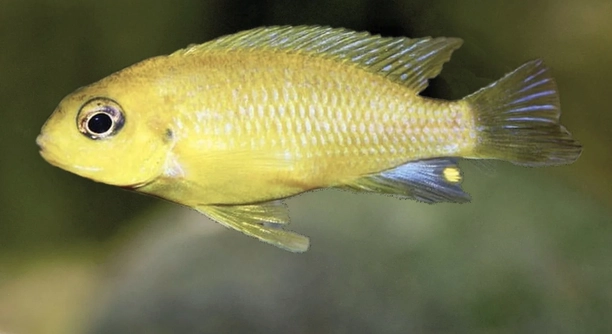
Are your cichlids staying in one area of the tank even though you hoped they would explore more of their space with confidence and ease as part of their daily routine in your aquarium setup?
Limited tank exploration in cichlids typically results from stressors, territorial conflicts, poor layout, or unsuitable water conditions which affect natural behaviors. These factors restrict movement patterns and encourage sedentary positioning, reducing engagement with the full dimensions of the aquarium environment.
Learning what influences their movement helps you create a calmer tank, supporting healthier activity patterns and a balanced aquatic environment.
Territorial Behavior Limiting Movement
Cichlids often limit their movement when territorial behavior becomes too intense, creating pressure within the tank that shapes how they navigate their space. When one area becomes heavily guarded, the others may feel unwelcome and unsafe for the rest of the group. I have seen how a dominant cichlid can push others into corners, leaving them hesitant to roam freely. This can become even more noticeable in smaller tanks where boundaries feel tighter. Decorations and caves also influence their decisions, since poorly placed structures can be claimed quickly, leaving little room for peaceful swimming. You might notice certain paths remain unused because the fish fear entering contested spots. This behavior is natural for many species, but it can reduce the active use of the tank. Providing a clear layout, balanced territories, and more visual breaks helps reduce conflict, supporting healthier activity patterns throughout the entire environment for your cichlids too.
Territorial pressure becomes easier to manage when the tank layout supports several comfortable resting spots. By spreading decorations and creating separate zones, each fish can claim a safe space without blocking others. This simple adjustment encourages calmer swimming patterns and helps them feel more secure across the entire tank space.
Territorial behavior can soften when the environment feels balanced, so adjusting the design of the tank plays a large role in improving movement. Adding rocks, branches, and stable hiding areas gives each fish a comfortable place to settle. When they feel secure, they explore more, spreading their activity across wider sections of the tank. I like using items that break line of sight, since this reduces tension and prevents aggressive fish from dominating specific regions. A well planned arrangement also supports healthier routines, allowing them to swim with less hesitation. With thoughtful placement, you encourage natural behavior and fuller use.
Stress From Poor Water Conditions
Stress related to poor water conditions often pushes cichlids to retreat instead of swimming across their full environment. When the parameters drift from their comfort range, they become cautious and less willing to move. Addressing these issues quickly helps them feel safe and active again in their tank each day.
Water quality has a strong influence on how confidently cichlids use every part of their tank, so keeping the conditions stable is essential for their behavior. When ammonia, nitrite, or nitrate levels rise, the fish begin to feel physical stress that limits their comfort. This stress leads them to stay near specific corners or hover close to the bottom, avoiding open areas that require more energy. I have noticed that even slight shifts in temperature can make them withdraw, showing how sensitive many species can be to sudden changes. Regular testing helps you stay aware of small fluctuations before they affect your fish. Performing steady water changes, cleaning filters, and removing waste also play an important role in maintaining a space where they feel healthy enough to swim freely. A balanced tank supports stronger activity patterns, allowing them to explore without hesitation. Proper circulation keeps oxygen levels consistent, supporting calmer breathing and smoother movement. When everything remains controlled, the fish feel more secure and respond with natural patterns that brighten the overall environment. Taking the time to maintain these routines protects their well-being and helps them remain active, comfortable, and engaged throughout the tank, giving them confidence to roam freely.
Inadequate Tank Layout
A poorly arranged tank can restrict how cichlids move, leaving them unsure about certain areas. When decorations create tight spaces, awkward angles, or blocked passages, the fish may avoid exploring the full setup and remain in only a few predictable zones.
A balanced layout helps cichlids feel comfortable enough to move around without hesitation. When the tank includes smooth paths, open swimming sections, and stable hiding spots, the fish distribute themselves more naturally. I like keeping decorations spaced evenly so each area feels inviting instead of overwhelming. Cichlids depend on visual breaks to navigate calmly, so scattered plants, rocks, and caves help them feel protected. When everything flows, their movements look smoother, and they seem more relaxed. Creating this flow involves adjusting heights, leaving open pockets, and making sure no section feels too tight. This small effort supports healthier patterns and encourages full use of the available space.
A cluttered environment often feels stressful for cichlids, especially when sharp or bulky decorations block their natural paths. Rearranging the tank with intentional spacing helps release this tension. You can shift taller items to the back and use shorter structures near the front to open up the view and improve circulation. Cichlids respond well to this type of setup because it feels less confining and allows them to navigate without bumping into obstacles. When the tank feels open but still includes enough hiding options, the fish gain confidence to explore. This promotes gentle movement through multiple levels, encouraging them to swim in areas they once ignored. With a thoughtful layout, their behavior becomes more balanced and comfortable.
Bullying From Dominant Fish
Bullying from dominant fish often causes others to stay in one area and avoid moving across the tank. When aggressive behavior intensifies, the targeted fish try to protect themselves by limiting their movement, which leads to reduced activity and uneven use of the overall space.
Dominance issues can change the entire dynamic of a cichlid tank, especially when one fish repeatedly pressures others into corners. I have noticed that bullied fish stay near the surface or bottom, depending on where they feel safest. Identifying the aggressor helps you understand how the tank has shifted. Sometimes separating the dominant fish provides immediate relief, but adjusting the layout can also help by breaking lines of sight. Adding more hiding spaces allows shy fish to recover and regain confidence. Improving the environment reduces tension and promotes healthier social behavior. Over time, this encourages more even swimming patterns and a calmer atmosphere for every cichlid in the tank.
Insufficient Hiding Spots
Insufficient hiding spots make cichlids feel exposed, causing them to stay in safer corners instead of exploring. When they cannot retreat comfortably, they limit their movements to areas that feel secure and predictable, reducing their activity through the rest of the tank.
Adding more caves, plants, and cover helps them relax and move confidently. I like placing hiding spots across different zones so no single area becomes overcrowded or ignored. When each fish has a private place to retreat, the overall environment feels calmer and more balanced.
Strong Water Flow
Strong water flow can push cichlids into specific sections where swimming requires less effort. When the current becomes overwhelming, they stay in calmer corners, avoiding areas where they must constantly swim against the pressure. Reducing the intensity helps them move through the tank more naturally and comfortably.
Lack of Vertical Swimming Space
Lack of vertical swimming space causes cichlids to stay near familiar levels of the tank. When the height feels limited or cluttered, they avoid moving upward or downward. Opening these spaces helps them feel more at ease exploring different depths.
FAQ
Why are my cichlids staying in one corner of the tank?
Cichlids often stick to one corner when they feel stressed, intimidated, or unsure about their surroundings. I have seen this happen when water conditions drift, decorations crowd the tank, or one fish becomes too aggressive. When they feel pressure, they choose a safe area and remain there to avoid tension. Adjusting the environment usually helps them feel secure enough to explore again. Improving water stability, opening the layout, and reducing conflict give them a sense of calm. When they feel supported, their activity becomes more natural and spread out across the tank.
Why do my cichlids hide all day?
Cichlids hide when they feel threatened or overstimulated. Sometimes loud noises, sudden movement, or new tank mates make them retreat. I also notice hiding when the tank lacks enough cover, making them feel exposed. Adding stable hiding spots helps them settle and move more confidently. Over time they adjust to the environment and begin exploring once they feel secure. Keeping the layout predictable and gentle encourages them to return to healthy activity.
Can tank size affect how much space my cichlids use?
Tank size plays a huge role in how freely cichlids move. A small tank limits their natural behavior, causing them to avoid certain areas and stay closer to spots that feel safe. Larger tanks allow smoother swimming paths and more comfortable spacing between fish. Even slightly increasing the space gives them room to separate territories and reduce conflict. When the tank fits their needs, they become more active and confident throughout the entire layout.
Why do my cichlids avoid the middle of the tank?
Cichlids avoid the middle when the current feels too strong or there is not enough cover to make that area feel safe. If decorations stay near the edges, the middle becomes too open, and they hesitate to swim there. I find that placing a few plants or rocks near the center helps guide them into that space. Reducing water flow also makes that zone more comfortable. Once the area feels secure, they move through it naturally without hesitation.
Can lighting affect their tank movement?
Lighting has a strong effect on cichlid behavior. Bright lights can make them feel exposed, while dim lights can make them feel unsure or disoriented. A balanced light level helps them see their surroundings without feeling pressured. Adding floating plants or adjustable lighting helps soften their environment. When the lighting feels comfortable, they navigate more freely and explore areas they avoided before. Light changes should be gentle so they have time to adjust.
How do I know if bullying is affecting their movement?
Bullying becomes noticeable when one fish chases others repeatedly, guards specific areas, or forces tank mates into corners. You may see the targeted fish stay near surfaces, bottoms, or behind decorations to avoid conflict. When this happens, adjusting territories and adding hiding spots helps distribute pressure. Separating the aggressive fish sometimes becomes necessary to restore balance. Once the tension fades, the others often begin exploring again. Watching their interactions helps you understand how each fish feels within the space.
Why do my cichlids only swim at the bottom of the tank?
Cichlids often remain at the bottom when oxygen levels drop or the upper areas feel too bright or exposed. A strong surface current can also make them avoid the top. Improving aeration and smoothing out water movement encourages them to rise comfortably. Adding cover near the upper levels also helps them feel less exposed. When the entire tank feels safe and stable, they explore every depth more evenly.
How can I encourage them to use the full tank space?
Encouraging full tank movement involves improving layout, stability, and comfort. I like rearranging decorations to create open paths, lowering strong currents, and spreading hiding spots evenly across the tank. Maintaining consistent water quality also plays a huge role. When everything aligns, their confidence grows and they begin exploring naturally. Adjusting the tank thoughtfully supports healthy patterns and makes the whole environment feel more inviting for them.
Final Thoughts
Cichlids respond to their environment in very clear ways, and their movement patterns reveal a lot about how comfortable they feel in their tank. When something is off, they show it through hesitation, avoidance, or by staying in small sections that feel safer. I have watched how simple adjustments make a noticeable difference, and it becomes easier to understand what they need once you pay attention to the small signals. Their behavior is shaped by layout, water quality, flow strength, lighting, and social dynamics, and each of these elements works together to influence how freely they move. When these pieces fall out of balance, their confidence changes, and they become more cautious. Supporting them with a stable, calm, and well organized space helps them regain ease in their movements. It takes steady care and observation, but seeing them swim comfortably across the full tank makes the effort worthwhile. Keeping things predictable and gentle encourages a relaxed environment where they can thrive.
Consistency makes a big difference in how they behave, since cichlids rely on steady conditions to feel secure. When the water stays clean, the lighting stays soft, and the layout stays open enough for healthy navigation, their patterns become much more natural. I have seen how even small improvements, like adding one extra hiding spot or adjusting a filter output, can shift the entire mood of the tank. These changes help them recognize the space as their own instead of something they must defend constantly. A calm tank supports healthier interactions, and healthier interactions lead to wider exploration. When they feel safe enough to move through different levels and sections, their energy becomes more balanced. You can see the difference in how they swim, how they interact, and how steady their routines become. Offering them a thoughtful setup is one of the simplest ways to keep them active and comfortable.
Maintaining this balance becomes easier once you get used to watching their responses. They show you how they feel through every movement, whether they hover near a corner, glide across the center, or pause in one spot longer than usual. These small signs help you understand what to adjust and when to step back. With steady care, the tank becomes a peaceful and stable place for every fish, giving them the space they need to move without tension. Their well being improves when the environment stays predictable, gentle, and suited to their needs. Over time, these efforts come together to create a tank where your cichlids feel confident exploring every section.

Hello,
If you enjoy the content that we create, please consider saying a "Thank You!" by leaving a tip.
Every little bit helps us continue crafting quality advice that supports the health, happiness, and well-being of pets around the world, for pets of all shapes, sizes, and species.
We really appreciate the kindness and support that you show us!