
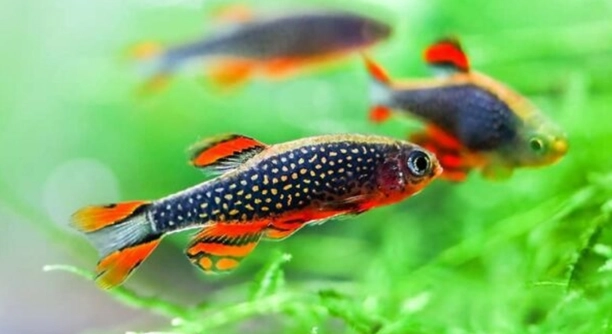
Keeping a group of danios happy in your home aquarium can feel like a small challenge at first. These active, schooling fish need enough space to swim freely and thrive together in harmony.
The best tank sizes for groups of danios depend on the number of fish. A 10-gallon tank can support a small school of 5-6, while larger groups of 10 or more require 20 to 30 gallons to ensure proper swimming space and water quality.
Choosing the right tank size helps maintain a healthy, active school and reduces stress among the fish.
10-Gallon Tank for Small Groups
A 10-gallon tank is the minimum size I recommend for a small school of danios. If you only have five or six fish, this size gives them space to swim without overcrowding. The tank should include a gentle filter to maintain clean water and reduce stress. I like to add a few plants or decorations to create hiding spots, but too many can limit swimming space. For danios, open swimming areas are important because they are active and social fish. Regular water changes are key to keeping the tank healthy. A 10-gallon setup is manageable for beginners, making it easy to monitor water conditions. The temperature should stay between 65 and 75°F, and keeping it stable helps prevent health issues. Even in a small tank, providing a balanced diet and proper lighting supports their natural behavior and vibrant colors.
This tank works best for a very small group of danios, keeping them active without overcrowding.
Maintaining a 10-gallon tank requires commitment. Daily observation ensures the fish are swimming well and eating properly. Overfeeding can quickly reduce water quality, so measuring food helps. Weekly partial water changes maintain stability and prevent harmful buildup. Even with fewer fish, monitoring filter function and water parameters like pH, ammonia, and nitrites is necessary. Plants can help with water quality, but they need occasional trimming. Open areas allow the fish to school naturally. Decorations should not block movement. Adding new fish should be done gradually, with quarantine if possible. This size teaches patience and careful maintenance, which prepares you for larger setups if you choose to expand your group later. It’s simple but requires consistent attention to keep the danios thriving.
20-Gallon Tank for Medium Groups
A 20-gallon tank is ideal for medium-sized schools of 8 to 12 danios.
Larger tanks give fish more room to swim and explore, reducing stress and aggression. With a medium group, spacing matters. Filter and aeration should match the water volume.
This size allows more creativity with decoration while keeping open swimming areas. You can include plants along the edges or floating plants for shade. It also handles waste better, so water quality stays more stable between cleanings. Feeding multiple fish becomes easier without worrying about overfeeding quickly affecting the environment. Temperature stability is easier in this volume, helping reduce illness risk. A 20-gallon tank is also easier to manage if you want a diverse but compatible group of fish. Observing interactions is simpler, and you can introduce enrichment items like gentle currents or varied hiding spots. This size is a balance between simplicity and enough space for active schooling, ensuring danios display natural behaviors.
30-Gallon Tank for Larger Groups
A 30-gallon tank comfortably supports 15 to 20 danios. It provides enough swimming space for schooling behavior and reduces competition for territory. Proper filtration and aeration are essential to maintain clean water.
With this size, maintaining water quality becomes easier despite a larger number of fish. I usually add several plants and decorations along the edges to create hiding spots without crowding the central swimming area. A 30-gallon tank allows more flexibility in arranging the tank layout. Feeding multiple danios is manageable without causing rapid water pollution, and temperature fluctuations are minimal compared to smaller tanks. Regular partial water changes, at least 25% weekly, help sustain a stable environment. The extra space also reduces stress and improves overall fish health.
This tank size supports natural schooling behavior and offers plenty of space for activity. Filtration, regular cleaning, and monitoring water parameters are key. It also allows for a more dynamic tank setup with decorations and plants that don’t restrict movement.
40-Gallon Tank for Very Large Schools
A 40-gallon tank works best for 20 to 30 danios. Larger groups thrive in spacious environments where swimming room is plentiful and stress levels remain low.
This tank size gives freedom for natural schooling and reduces aggressive interactions. With more space, I can arrange plants, rocks, and driftwood without interfering with swimming paths. Aeration and filtration must handle the larger bioload to prevent ammonia spikes. Feeding multiple fish evenly is easier, and the water stays cleaner longer. Temperature control is also more stable in this volume. Monitoring water parameters remains crucial, as overcrowding can still occur if more fish are added. This setup allows the fish to show natural behavior and vibrant colors. Regular maintenance ensures the environment remains healthy, supporting long-term well-being.
55-Gallon Tank for Very Active Schools
A 55-gallon tank is perfect for 25 to 35 danios. It gives them room to swim freely and reduces crowding. Filtration and aeration need to match the larger water volume to keep the environment stable.
This size also allows adding taller plants or larger decorations along the edges. Open swimming areas remain central, which is important for schooling behavior. Regular water changes and careful feeding keep water quality high. A 55-gallon setup supports both activity and visual appeal, letting the danios thrive in a balanced environment.
75-Gallon Tank for Large Communities
A 75-gallon tank can house 35 to 50 danios comfortably. This size provides abundant space for active schooling and reduces stress significantly. With this volume, I can include multiple plants, rocks, and decorations without restricting movement. Filtration and aeration must be robust to handle the larger bioload. The tank allows for diverse layouts, creating zones for resting and swimming. Regular water maintenance and monitoring are crucial to maintain optimal conditions. Feeding can be evenly distributed to prevent overfeeding in one area. Temperature control is easier in a larger tank, supporting long-term health. Overall, it ensures the fish display natural behavior and vibrant colors.
100-Gallon Tank for Very Large Groups
A 100-gallon tank supports over 50 danios. It provides enough room for extensive swimming and stable water conditions.
FAQ
How many danios can I keep in a 10-gallon tank?
A 10-gallon tank can hold about five to six danios comfortably. This size gives them enough space to swim without overcrowding, but it requires consistent maintenance. You’ll need to monitor water quality closely and perform partial water changes regularly to keep ammonia and nitrite levels safe. Keeping fewer fish helps maintain a stable environment, and adding plants along the edges provides hiding spaces without taking away swimming room.
What is the ideal tank size for 20 danios?
For a group of 20 danios, a 30-gallon tank is most suitable. This volume provides ample swimming space and reduces stress caused by overcrowding. Open areas in the center are important for schooling behavior. Strong filtration is necessary to handle the higher bioload, and regular partial water changes help maintain water quality. Decorations and plants can be added along the sides to create resting areas while keeping open swimming zones.
Can I keep danios with other fish in the same tank?
Yes, danios are generally peaceful and can coexist with other non-aggressive fish of similar size. It’s important to choose tankmates that can handle similar water conditions. Avoid slow-moving or delicate species, as danios are very active swimmers and may stress them. Make sure the tank is large enough to provide separate swimming areas, and use plenty of hiding spots to reduce territorial disputes. Monitoring interactions for the first few weeks is crucial to ensure harmony.
How often should I feed my danios?
Feeding should be done once or twice daily with small portions that the fish can consume in a few minutes. Overfeeding can quickly degrade water quality and lead to health issues. A mix of high-quality flake food and occasional live or frozen foods works well. Rotating food types also helps maintain vibrant colors and overall health. Avoid leaving uneaten food in the tank, as it can cause ammonia spikes and cloudiness in the water.
Do danios need a heater in their tank?
Danios are cold-water fish but prefer stable temperatures between 65 and 75°F. In warmer climates, a heater may not be necessary, but in cooler rooms, using a heater ensures the water stays within the ideal range. Sudden temperature changes can stress danios, so consistent heating is important. Monitoring water temperature with a thermometer helps prevent problems, especially during seasonal changes or at night when room temperatures drop.
How many plants should I have in a danio tank?
Plants are beneficial for providing hiding spaces and improving water quality, but too many can restrict swimming. Focus on placing plants along the edges or in corners to maintain open central areas. Floating plants can provide shade and reduce stress. Regular trimming keeps the tank tidy and prevents overcrowding. A balance of open space and plant cover helps danios feel secure while allowing them to display natural schooling behavior.
How do I keep water quality stable in a large danio tank?
Maintaining water quality involves regular partial water changes, monitoring ammonia, nitrite, and nitrate levels, and using an appropriate filter for the tank size. Avoid overstocking and overfeeding. Adding live plants helps absorb some waste naturally. Cleaning the substrate periodically removes uneaten food and debris. Observing the fish daily can alert you to early signs of water issues, such as lethargy or unusual swimming patterns, allowing prompt action.
Can danios live in small tanks for a long time?
Danios can survive in smaller tanks temporarily, but long-term health and natural behavior require adequate space. Overcrowding in small tanks can lead to stress, stunted growth, and increased susceptibility to disease. Providing a proper tank size encourages activity, reduces aggression, and supports overall well-being. If you start with a small tank, upgrading as the school grows is highly recommended.
Do danios need special water conditions?
Danios are hardy but thrive in slightly soft to moderately hard water with a pH between 6.5 and 7.5. Stable water parameters are more important than exact numbers. Rapid changes can stress fish and make them prone to disease. Using a reliable test kit helps maintain optimal conditions, and regular partial water changes keep the environment safe for a healthy, active school.
How can I tell if my danios are stressed?
Signs of stress include erratic swimming, hiding, loss of appetite, or faded colors. Stress often results from overcrowding, poor water quality, or sudden temperature changes. Observing their behavior daily helps catch issues early. Adjusting tank conditions, providing more space, or adding plants for cover can help reduce stress and promote natural activity.
Final Thoughts
Keeping danios in a home aquarium is very rewarding, but it requires careful planning and attention to their needs. Tank size is one of the most important factors for a healthy school. Small tanks may seem convenient, but overcrowding can quickly lead to stress and water quality problems. Each group size has a recommended tank volume that ensures enough swimming space, proper filtration, and stable water conditions. Choosing the right tank from the beginning helps prevent problems later and allows the fish to display natural behaviors. Even in larger tanks, consistent maintenance is necessary to keep the environment clean and safe.
In addition to tank size, providing a balanced environment is key. Plants, decorations, and open swimming areas all play a role in keeping danios active and comfortable. Too many decorations can limit movement, while too few can make the tank feel empty and stressful for the fish. Proper placement of plants along the edges or corners creates hiding spaces without restricting swimming paths. Water quality must be monitored regularly, including parameters such as temperature, pH, ammonia, nitrites, and nitrates. Even though danios are hardy fish, they respond best to stable conditions. Feeding should be controlled, offering small portions once or twice daily to prevent water contamination and support their overall health.
A proper tank setup also includes compatible tankmates and careful observation of the fish’s behavior. Danios are active and social, and they thrive when they can swim freely and interact with a group of similar size and temperament. Watching their behavior can give early signs of stress or illness, allowing adjustments before problems worsen. Planning the tank layout, maintaining water quality, and feeding correctly all work together to create a healthy environment. Taking these steps ensures that the danios remain vibrant, active, and healthy over the long term. By paying attention to their needs, you can enjoy a lively aquarium where danios thrive naturally and display their full range of behavior.

Hello,
If you enjoy the content that we create, please consider saying a "Thank You!" by leaving a tip.
Every little bit helps us continue crafting quality advice that supports the health, happiness, and well-being of pets around the world, for pets of all shapes, sizes, and species.
We really appreciate the kindness and support that you show us!