
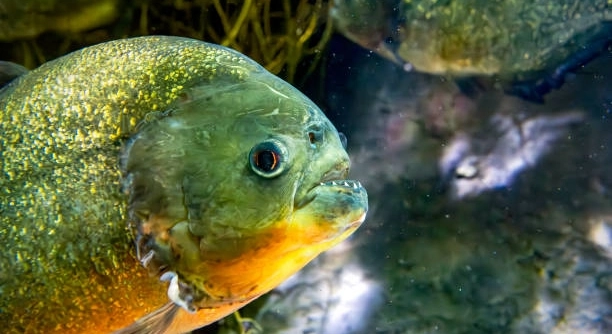
Nervous piranhas require careful handling to ensure safety and calmness for both the fish and their handler. These fish can become stressed easily, which may lead to unpredictable behavior. Knowing how to approach and manage them is essential.
The best techniques for handling nervous piranhas include using slow, deliberate movements, minimizing sudden noises or changes in lighting, and maintaining a calm environment. Proper equipment and gentle handling reduce stress and help keep the fish secure and stable.
Understanding these methods will help you manage nervous piranhas more effectively and safely. Applying these techniques can make a significant difference in your interaction with these unique fish.
Approach Slowly and Calmly
Approaching nervous piranhas with slow, deliberate movements is crucial. Sudden gestures or quick hand motions can startle them, increasing stress and the chance of bites. When you need to interact, move your hands gently and avoid splashing water. This creates a sense of safety for the fish. Dim lighting helps reduce their anxiety, as bright lights often trigger nervous behavior. Keeping the environment quiet by avoiding loud noises or vibrations also makes a big difference. Consistency in your routine signals to the piranhas that no harm is intended, helping them adjust. When feeding or cleaning, patience and calmness are key to preventing agitation. The more relaxed you are, the more likely the fish will remain calm, making care easier and safer for both of you.
Keeping a calm demeanor around your piranhas lowers their stress and prevents sudden reactions. Patience pays off.
Taking time to build trust through steady, gentle interactions improves your ability to handle nervous piranhas safely over time. Being consistent helps them become familiar with your presence, which gradually reduces their anxiety. When they sense calm, their natural defensive instincts soften. This trust is vital for routine care and maintenance. Additionally, using soft tools designed for delicate handling minimizes physical stress. Never rush the process, as forcing interaction can worsen their nervousness. Gradually introducing changes to their environment allows them to adapt without panic. Overall, steady and careful handling creates a positive experience, ensuring the well-being of the fish and reducing risks for the handler.
Use Proper Handling Tools
Using the right tools makes a significant difference when managing nervous piranhas. Nets with soft mesh and long handles prevent accidental injury and limit direct contact, which helps keep the fish calm. Avoiding bare hands reduces stress and potential bites. When transferring piranhas, use containers that are smooth inside to prevent scraping their skin. Tools should be cleaned regularly to avoid contamination. Handling tools are not just practical but also create a physical barrier, which piranhas find less threatening. By choosing appropriate equipment, you protect both yourself and the fish during care activities.
Proper tools improve safety and reduce stress for everyone involved.
Choosing the correct equipment is part of responsible care. Soft nets reduce the chance of damaging sensitive fins or scales. Long-handled nets keep your hands at a safer distance, minimizing risk. Smooth containers prevent injury when moving fish between tanks or during cleaning. Using a gentle water flow when moving piranhas through nets helps avoid sudden jerks that startle them. Tools also help keep your movements controlled, supporting the slow approach that piranhas respond well to. Regular maintenance of equipment ensures no harmful residues or bacteria affect the fish. Overall, investing in and using the right tools shows respect for the piranhas’ well-being and improves your confidence during handling.
Maintain Stable Water Conditions
Stable water conditions are critical for keeping nervous piranhas calm. Sudden changes in temperature or pH can cause stress and erratic behavior. Regularly check and maintain the tank environment to avoid fluctuations.
Maintaining consistent water quality helps reduce anxiety in piranhas. Fluctuations in temperature, pH, or ammonia levels disrupt their natural balance and increase nervousness. A steady environment supports their health and behavior stability. Using a reliable heater, filter, and regular water testing prevents sudden changes. Avoid overfeeding, which can affect water quality and stress fish. Keeping the tank clean but not overly disturbed is also important. Gradual water changes, done carefully, prevent shock. This steady care fosters a calm atmosphere for your piranhas to thrive.
A stable aquatic environment decreases stress, making handling much easier. When piranhas feel secure, their nervous reactions lessen, improving overall care.
Avoid Overhandling Your Piranhas
Excessive handling increases stress and fear in piranhas. Limit physical contact to necessary tasks like tank cleaning or health checks to avoid overwhelming the fish. Frequent disturbance triggers defensive behavior and nervousness.
Overhandling can make piranhas wary and difficult to manage. These fish respond best to minimal interference, so plan interactions carefully. Use proper tools to avoid direct contact and reduce handling time. Allow them to settle after any disturbance before resuming care. Stress from overhandling can lead to health problems and aggressive responses. Observing your piranhas without disturbing them often provides the best insight into their condition. Keeping handling brief and purposeful maintains their calm nature and builds trust over time. Balancing care and respect for their space leads to healthier fish and safer interactions.
Use Minimal Lighting During Handling
Reducing light intensity when handling nervous piranhas helps keep them calm. Bright lights can startle them and increase stress, so dim lighting is preferable during care activities.
Low lighting mimics their natural environment and reduces agitation. It allows the fish to feel safer and more secure, making handling smoother and less risky.
Provide Hiding Spots in the Tank
Hiding spots offer nervous piranhas places to retreat and feel safe. Adding plants, caves, or decorations helps reduce stress and promotes natural behavior.
Monitor Their Behavior Closely
Watching your piranhas closely helps you notice early signs of stress or illness. Quick attention to changes supports better care and lowers nervousness during handling.
Avoid Sudden Movements
Quick movements can startle nervous piranhas. Moving slowly and deliberately around the tank prevents unnecessary stress and keeps the fish calm.
FAQ
How do I know if my piranhas are nervous?
Nervous piranhas often show signs like rapid swimming, hiding frequently, or flaring their fins. They may dart suddenly or refuse to eat, indicating stress. Watching their usual behavior helps spot when something feels off. Changes in color or increased aggression also signal nervousness.
What should I avoid when handling nervous piranhas?
Avoid sudden movements, loud noises, and bright lights when near your piranhas. Direct hand contact can increase their stress, so use soft nets and gentle tools. Also, do not overcrowd the tank or change water conditions quickly, as these factors heighten anxiety.
Can I calm nervous piranhas with food?
Yes, feeding can sometimes help distract and calm them, but it should be done carefully. Use small amounts and consistent feeding times to create routine. Avoid overfeeding, which worsens water quality and stress. Feeding gently and calmly encourages trust without agitation.
How often should I handle nervous piranhas?
Handle them only when necessary, such as for cleaning or health checks. Frequent handling stresses them out and can lead to defensive behavior. Keep handling sessions brief and calm to reduce nervousness and promote easier care over time.
Is it safe to keep multiple piranhas together?
Keeping multiple piranhas can increase stress if the tank is too small or lacks enough hiding places. Crowding can lead to aggression and nervousness. Ensure the tank size is appropriate and provide plenty of cover to allow them to feel secure and reduce tension.
What equipment helps reduce stress during handling?
Soft mesh nets with long handles and smooth transfer containers help minimize injury and stress. Tools that allow gentle movement without direct contact protect both you and the fish. Regular cleaning of equipment prevents contamination, which can upset your piranhas further.
How do I create a calm environment for nervous piranhas?
Maintain stable water parameters, use dim lighting during care, and reduce loud noises. Add plants and hiding spots to give them security. Keep your movements slow and deliberate around the tank to avoid triggering nervous reactions.
Can water changes make piranhas nervous?
Yes, sudden water changes or using untreated water can shock them and increase stress. Always use dechlorinated, temperature-matched water and perform changes slowly. Gradual adjustments help maintain a comfortable environment and keep piranhas calm.
What signs indicate my piranhas need veterinary care?
Look for persistent lethargy, loss of appetite, unusual spots or sores, and constant hiding. If nervous behavior worsens despite good care, or if you notice physical issues, consult a vet experienced with fish. Early intervention can prevent health problems from worsening.
Are there natural ways to reduce piranha nervousness?
Natural methods include maintaining a quiet, stable tank with plenty of plants and shelters. Avoid excessive handling and bright lights. Consistent feeding and water quality routines also help. These steps create an environment that supports their natural behavior and reduces stress.
Final Thoughts
Handling nervous piranhas requires patience and careful attention to their environment. Keeping water conditions stable, providing hiding spots, and reducing bright lights can help them feel more secure. When fish feel safe, they are less likely to react nervously, making care easier for you. It is important to avoid sudden movements and loud noises around the tank, as these can startle the fish and increase their stress levels. By following these simple steps, you create a calmer atmosphere that benefits both the piranhas and their caretaker.
Regular monitoring of piranha behavior is essential to catch early signs of nervousness or illness. Observing how your fish act daily helps you understand their normal habits and detect changes quickly. When handling is necessary, such as during tank cleaning or health checks, it should be kept brief and gentle. Overhandling can worsen their nervousness and cause defensive reactions. Using soft tools and dim lighting during these moments also helps reduce stress. Creating a consistent routine with feeding and tank maintenance will build trust and stability for your piranhas over time.
It is important to remember that nervous behavior is a natural response to unfamiliar or uncomfortable situations. Being mindful of your piranhas’ needs and providing a calm environment can reduce this behavior significantly. While some nervousness may still occur, it can be managed with the right techniques and care. Ultimately, a stable and quiet habitat, combined with respectful handling practices, will help your piranhas feel secure and healthy. Taking the time to understand and meet their needs improves their well-being and makes your experience as a caretaker more rewarding.

Hello,
If you enjoy the content that we create, please consider saying a "Thank You!" by leaving a tip.
Every little bit helps us continue crafting quality advice that supports the health, happiness, and well-being of pets around the world, for pets of all shapes, sizes, and species.
We really appreciate the kindness and support that you show us!