
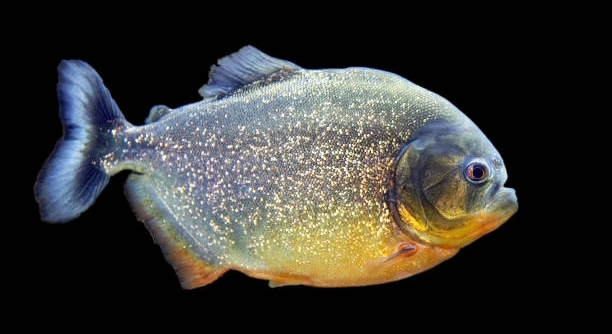
Lighting plays an important role in the health and behavior of piranhas in aquariums. Improper lighting can cause stress and discomfort for these fish. Many aquarium owners overlook common lighting mistakes that affect piranhas’ well-being.
The most frequent lighting errors involve excessive brightness, improper duration, and lack of natural light cycles. Such conditions disrupt piranhas’ natural rhythms, increase stress levels, and may lead to aggressive or unhealthy behavior, ultimately harming their overall health.
Recognizing these mistakes will help improve your piranhas’ environment and promote healthier, calmer fish. The following article outlines key lighting issues to avoid for better care.
Too Much Light Stress
Piranhas are sensitive to intense lighting. When aquarium lights are too bright, it can make the fish uncomfortable and stressed. Bright lights can cause piranhas to hide constantly or act aggressively. This behavior is a sign that the environment is not suitable for them. Stress weakens their immune system, making them more vulnerable to diseases. Aquarium lighting should mimic the natural conditions of their habitat, where they experience shaded or dim areas under water plants. Overly bright lighting can also lead to algae growth, which may further degrade water quality. To avoid this, dim the lights or use floating plants to provide shade. It’s important to find a balance that keeps the tank well-lit without overwhelming the fish. Proper lighting improves their activity and overall health, creating a calmer tank atmosphere.
Too much light disrupts piranhas’ comfort, causing stress and abnormal behavior. Managing brightness levels supports their well-being.
Using adjustable LED lights can help control brightness levels. Incorporating natural decorations like driftwood or plants adds shaded areas for the fish to retreat. Monitoring the tank’s light intensity with a simple light meter can guide adjustments. If algae build-up occurs, reducing light duration or intensity is necessary. Keeping the lighting at a moderate level helps maintain clear water and healthy fish. Finding the right lighting balance may take trial and error, but it is essential for the piranhas’ long-term comfort and vitality.
Incorrect Light Duration
Piranhas need a consistent day-night cycle to thrive. Leaving aquarium lights on for too long or turning them off irregularly can confuse their biological clock. An unnatural light schedule disturbs their feeding and resting patterns. Typically, piranhas benefit from about 10 to 12 hours of light daily, followed by darkness to simulate nighttime. Excessive light exposure can increase stress, while too little light can reduce activity and affect their health. Using a timer for the aquarium lights ensures a steady schedule, which helps the fish adapt and feel secure. Maintaining this cycle supports normal behaviors and reduces stress-related problems.
A consistent light cycle of 10 to 12 hours daily benefits piranhas’ natural rhythms and overall health.
Irregular lighting disrupts piranhas’ biological rhythms and behavior. It can cause anxiety and weaken their immune response. This makes them prone to illness and poor growth. A timer can automate the lighting schedule, providing stability without constant monitoring. Besides light duration, the transition between light and dark should be gradual if possible. Sudden changes can startle the fish and cause agitation. Gradual dimming mimics natural sunrise and sunset, supporting their natural instincts. Ensuring proper light duration improves tank harmony and fish welfare.
Wrong Light Color
Lighting color affects how piranhas perceive their environment. Using lights that are too harsh or unnatural can cause discomfort. Avoid overly blue or white lights, which may stress the fish. A balanced, natural light spectrum helps maintain their normal behavior.
Many aquarium lights focus on bright white or blue tones to enhance tank appearance. However, piranhas are accustomed to the more muted, greenish, or reddish hues found in their natural habitat. Harsh blue lights can increase activity unnaturally, leading to stress or aggression. Red or warm spectrum lighting reduces this effect, helping piranhas feel more secure. Some aquarium LEDs offer adjustable color settings, allowing for a more suitable spectrum. Choosing the right light color supports the fish’s natural instincts and reduces unnecessary stress.
In addition to light color, the light intensity combined with the color can amplify stress if not balanced well. Too much blue light, even if dim, may disrupt circadian rhythms and promote unwanted behaviors. Warmer tones soften the tank environment and can encourage calmer swimming patterns. Matching the light spectrum to mimic natural waters improves overall tank health, making piranhas less likely to hide or act erratically. Thoughtful light color selection enhances both fish welfare and aquarium aesthetics.
Lack of Light Variation
Piranhas rely on changes in lighting to regulate their internal clocks. A static light environment without variation can cause confusion. Light variation means gradually shifting intensity and color during the day, imitating natural conditions.
Constant light without variation fails to simulate dawn or dusk periods, which are critical for piranhas. Sudden light changes or a fixed bright light from morning until night can cause stress responses. Gradual dimming and brightening cycles help fish prepare for rest and activity phases. This variation also influences feeding patterns and reduces aggressive behavior. Modern aquarium systems allow for programmable lighting sequences to mimic these natural shifts. Without these changes, piranhas may become restless, lethargic, or show signs of stress. Properly timed light variation supports their overall well-being and helps maintain a balanced tank environment.
Ignoring Natural Shade
Piranhas naturally live in environments with shaded areas created by plants and debris. Ignoring this need for shade in the aquarium can make them feel exposed and stressed. Providing shade helps them feel secure.
Without natural shade, piranhas may hide excessively or become aggressive. Including floating plants or decorations can create the necessary shadows.
Flashing or Flickering Lights
Flickering or flashing aquarium lights can cause anxiety in piranhas. This inconsistent lighting disrupts their sense of safety and can lead to erratic behavior.
Using Inappropriate Lighting Fixtures
Not all lighting fixtures suit piranha tanks. Some produce excessive heat or uneven light distribution, both of which negatively affect the fish and tank environment. Choosing fixtures designed for aquatic use ensures proper light quality and safety.
How much light do piranhas need each day?
Piranhas require about 10 to 12 hours of light daily. This mimics their natural environment’s day length. Providing too much light can cause stress and disrupt their behavior, while too little light may reduce their activity and overall health. Maintaining a consistent light schedule is important to keep their internal rhythms balanced.
What is the best type of light for a piranha tank?
The best lighting for a piranha tank is one that simulates natural daylight with a balanced color spectrum. Lights with a warm or neutral tone work better than harsh blue or pure white lights. Adjustable LED lights are ideal because they allow control over intensity and color, helping to reduce stress and promote natural behavior.
Why is too much light harmful to piranhas?
Excessive light can cause continuous stress in piranhas. Bright lighting forces them to hide or become aggressive, which weakens their immune systems over time. It can also promote excessive algae growth, affecting water quality. Proper light levels ensure a calm and healthy environment.
Can I use a timer for aquarium lighting?
Yes, using a timer is highly recommended. It helps maintain a stable day-night cycle without manual effort. A timer ensures the lights turn on and off at consistent times daily, supporting the fish’s natural rhythms and reducing stress caused by irregular lighting patterns.
What should I do if my piranhas hide too much?
If piranhas hide excessively, the lighting may be too bright or constant. Adding shaded areas with plants or decorations can help. Adjust the light intensity or duration, and consider using warmer light colors. Creating a comfortable environment will encourage them to swim more openly.
How do flickering lights affect piranhas?
Flickering or flashing lights cause anxiety and confusion in piranhas. This unstable lighting creates an unsafe environment, leading to erratic swimming or aggression. It is important to use reliable lighting equipment that provides steady illumination to avoid this problem.
Are natural plants better for lighting control?
Natural plants help diffuse light and create shaded areas, which piranhas appreciate. They improve water quality and reduce direct light intensity, making the tank more comfortable. While artificial plants can also provide shade, real plants contribute to a healthier and more natural habitat.
Can wrong light color cause illness in piranhas?
While the light color itself may not directly cause illness, unnatural colors can increase stress and weaken the fish’s immune system. Stress makes piranhas more susceptible to diseases. Using a natural light spectrum reduces stress and supports overall health.
How important is light variation during the day?
Light variation is critical as it mimics dawn and dusk periods found in nature. Gradual changes in light intensity help piranhas adjust their activity and resting phases. A static light environment can cause stress and disrupt feeding and sleeping patterns.
What lighting fixture features matter most for piranha tanks?
Choose fixtures that provide even light distribution and low heat output. High heat can harm fish and plants, while uneven lighting creates stressful bright and dark spots. Fixtures designed specifically for aquariums usually meet these requirements better than general household lights.
Can I use colored LED lights for decoration?
Colored LED lights can enhance tank appearance, but avoid intense blue or red colors that disturb piranhas. Use soft, warm tones if adding color, and keep them on a timer with regular light cycles to avoid confusing the fish.
How do I fix algae growth caused by lighting?
Reduce light intensity and duration if algae grows excessively. Adding live plants helps compete with algae for nutrients. Regular water changes and cleaning also control algae. Balanced lighting keeps the tank healthier and prevents overgrowth.
Is natural sunlight good for piranha tanks?
Direct natural sunlight is usually not recommended as it causes temperature fluctuations and algae blooms. Indirect natural light or controlled artificial lighting is better for maintaining stable tank conditions.
How can I test the light intensity in my tank?
A simple light meter can measure the amount of light reaching the tank. Aim for moderate intensity that is bright but not overwhelming. Adjust lights or add shading if levels are too high.
What signs show that lighting is stressing piranhas?
Signs include hiding more than usual, aggressive behavior, lethargy, or loss of appetite. These behaviors suggest the tank environment is uncomfortable and adjustments to lighting or shelter are needed.
Final Thoughts
Lighting plays a crucial role in the health and behavior of piranhas. The wrong type or amount of light can cause stress, affect their activity, and even lead to illness. Piranhas thrive best when their lighting environment mimics natural conditions. This means using a balanced light color, providing shade, and ensuring proper light variation throughout the day. Maintaining these lighting standards helps create a calm and comfortable habitat for the fish.
It is important to avoid common lighting mistakes such as using harsh blue or white lights, flickering bulbs, or static lighting schedules. These factors disrupt piranhas’ natural rhythms and make them feel unsafe. Choosing suitable lighting fixtures designed for aquariums can prevent issues like uneven light distribution and excessive heat. Adding plants and decorations also helps by creating shaded areas that reduce stress. Keeping a regular light schedule using a timer ensures consistency, which is beneficial for the fish’s well-being.
Overall, thoughtful lighting management supports piranhas’ natural behaviors and improves their overall health. Paying attention to light color, intensity, and variation creates an environment where piranhas can thrive without unnecessary stress. The right lighting also enhances the appearance of the aquarium while promoting a more natural atmosphere. Applying these lighting practices is a key part of responsible fish care and helps ensure that piranhas live in a habitat that meets their needs effectively.

Hello,
If you enjoy the content that we create, please consider saying a "Thank You!" by leaving a tip.
Every little bit helps us continue crafting quality advice that supports the health, happiness, and well-being of pets around the world, for pets of all shapes, sizes, and species.
We really appreciate the kindness and support that you show us!