
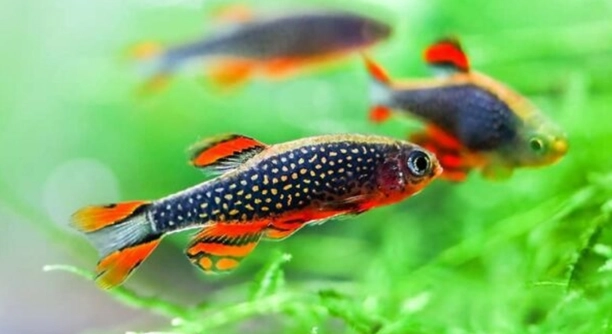
Danios are lively and social fish that thrive in community tanks. Their playful nature can be disrupted by certain tankmates, causing stress or agitation. Observing their behavior carefully can help maintain a balanced and harmonious aquarium environment.
Some tankmates display behaviors that annoy danios, including chasing, nipping, territorial aggression, excessive hiding, constant surface disturbance, monopolizing food, and competing for swimming space. These actions can cause stress, reduce activity, and negatively impact danios’ overall health.
Recognizing these behaviors early helps ensure your danios remain active, healthy, and stress-free in their shared aquatic space.
Chasing and Nipping
Danios are fast swimmers, and they enjoy moving through their tank freely. When tankmates chase or nip at them, it can create constant stress. These behaviors are often seen in more aggressive species, but even smaller fish can sometimes target danios. Chasing disrupts their natural patterns and can make them hide more often. Nipping at fins or tails can cause injuries or slow healing, especially in younger or weaker fish. Over time, this stress can reduce their appetite and affect overall health. It’s important to watch for repeated attacks and consider separating aggressive fish if necessary. Tank decorations can provide some shelter, but aggressive interactions often need more direct action. Danios respond best to calm tankmates that swim at similar speeds and respect boundaries. Avoiding overcrowding can also reduce tension, as more space allows each fish to have its own territory. Observing danios’ reactions regularly helps maintain a peaceful environment.
Aggressive chasing and fin nipping can lead to stress, injuries, and decreased activity levels in danios.
To reduce these issues, choose tankmates that are gentle and avoid fast, aggressive movements. Providing hiding spots and sufficient space minimizes conflicts. Regular observation ensures the danios remain healthy and active, preventing long-term stress from repeated harassment.
Territorial Aggression
Territorial fish can be stressful companions for danios, especially in smaller tanks. They may guard specific areas, such as decorations or feeding spots, aggressively confronting anyone who comes near.
Territorial disputes can disrupt feeding and swimming patterns, leaving danios stressed and less active.
When tankmates claim large sections of the tank, danios may avoid these areas, limiting their natural movement and playfulness. This behavior is particularly noticeable during feeding times, when dominant fish may monopolize food, causing danios to eat less. Over time, stress from territorial aggression can weaken their immune system and make them more susceptible to disease. Using a larger tank with defined territories or additional hiding places can reduce these conflicts. Danios do best with peaceful companions that allow shared space without constant confrontation. Regularly monitoring tank dynamics ensures that aggressive behaviors are addressed before they affect health. By selecting appropriate species and maintaining a balanced environment, danios can thrive without the stress of territorial dominance.
Excessive Hiding
Danios can become stressed when tankmates constantly chase or intimidate them, causing them to hide more than usual.
Hiding excessively limits their natural swimming and social behaviors, which can affect their health and activity levels. Fish that stay hidden for long periods may miss meals, slowing growth and reducing overall vitality. Decorations like plants or caves can help, but hiding should not become constant. Observing which tankmates trigger this behavior allows for adjustments in stocking or tank layout. Peaceful companions encourage danios to swim freely, reducing stress-related hiding. Overcrowded tanks or aggressive species often amplify this problem, so monitoring tank dynamics is essential to keep danios active and healthy.
Frequent hiding also makes it harder to monitor danios’ health, as early signs of illness may be missed.
Monopolizing Food
Some tankmates aggressively take over feeding times, leaving little for danios to eat.
When certain fish dominate food, danios may struggle to get proper nutrition. Repeated instances can cause weight loss and slower growth. Feeding strategies, such as spreading food across the tank or using floating and sinking foods, help ensure all fish get enough. Observing mealtime interactions can indicate if changes are needed to prevent dominance and maintain healthy, active danios. Consistent feeding routines reduce stress and support balanced growth.
Aggressive food monopolization can create tension and disrupt social dynamics in the tank. Danios may retreat, eat less, and show slower swimming or lethargy, particularly if they are constantly intimidated. Ensuring a fair distribution of food and observing how all fish interact during meals are crucial. Implementing multiple feeding spots or timed feeding sessions helps maintain harmony. Healthy feeding habits support both growth and immune function, allowing danios to remain active, social, and stress-free in a shared environment.
Constant Surface Disturbance
Danios prefer calm swimming areas, but some tankmates stir up the water constantly, making it hard for them to swim peacefully.
This behavior can stress danios, causing them to swim erratically or avoid certain areas of the tank.
Competing for Swimming Space
When tankmates occupy too much space, danios may struggle to find areas to swim freely. Crowded conditions reduce their natural activity, making them more prone to stress. Providing ample open areas and ensuring compatible species helps danios maintain normal swimming behavior and reduces conflicts in the tank.
Overly Curious Tankmates
Some fish are highly curious and follow danios everywhere.
This constant attention can make danios uneasy, interrupting their normal routines and creating persistent stress in the tank.
What tankmates are best for danios?
Danios do well with peaceful, fast-moving fish that swim at similar levels. Small tetras, rasboras, and peaceful barbs are often compatible. Avoid aggressive species that nip or chase constantly. Tank size also matters; larger tanks reduce territorial conflicts and provide enough space for all fish to coexist. Plants, caves, and hiding spots create natural barriers, giving danios areas to retreat if needed. Monitoring interactions is key, as even usually compatible species can occasionally cause stress. Adjusting stocking levels and providing adequate swimming space ensures danios remain active and healthy.
How can I reduce chasing and nipping in my tank?
Frequent chasing can be minimized by choosing tankmates with similar temperaments. Introducing enough fish to disperse aggression helps, as does ensuring decorations or plants offer hiding spots. Feeding strategies also reduce tension; spreading food throughout the tank prevents dominant fish from monopolizing it. Observing behavior daily allows early intervention if aggression escalates. Splitting aggressive fish into separate tanks or rearranging decor can also break up established territories. Overcrowding often worsens chasing, so maintaining proper stocking density is essential. With these adjustments, danios can swim more freely and avoid constant stress.
Why do danios hide excessively?
Excessive hiding usually signals stress, often caused by aggressive or territorial tankmates. Limited swimming space, constant disturbances, or fear of nipping can drive danios to seek shelter frequently. While decorations and plants provide natural retreats, hiding should not be persistent. Monitoring tank dynamics helps identify the source of stress. Adjusting tankmates, reducing overcrowding, or providing more open swimming areas encourages danios to explore freely. Feeding routines also influence hiding; if danios are too intimidated during mealtimes, they may retreat instead of eating. Maintaining a balanced, peaceful environment is essential for reducing hiding behavior and supporting healthy, active fish.
How can I prevent food monopolization?
Food monopolization can stress danios and reduce growth. Using multiple feeding spots across the tank ensures all fish access nutrition. Floating, sinking, or slow-sinking foods help distribute meals evenly. Feeding smaller amounts several times a day can reduce competition, allowing danios to eat at their own pace. Observation is key; watch mealtimes to ensure dominant fish are not intimidating others. Rearranging decorations or providing temporary barriers during feeding may also help. Consistent feeding routines reduce stress, prevent aggression, and support overall health. Healthy, well-fed danios are more active, social, and resilient in community tanks.
What are signs my danios are stressed?
Stress in danios shows in several ways: hiding excessively, reduced swimming, loss of appetite, erratic movements, or frayed fins. Over time, chronic stress weakens their immune system, making them more susceptible to disease. Behavioral changes, such as avoiding certain tank areas or showing fear of tankmates, are also indicators. Stress can be subtle, so daily observation is important. Adjusting tank conditions, providing more space, reducing aggressive interactions, and ensuring fair food distribution can alleviate stress. Healthy danios display consistent swimming, bright colors, and regular feeding habits. Addressing stress early prevents long-term health issues and keeps the tank balanced.
How do I manage overly curious tankmates?
Some fish follow danios constantly, causing unease. Providing hiding spaces and plant coverage allows danios to avoid persistent attention. Adjusting tankmates, particularly removing or separating highly inquisitive species, can reduce stress. Maintaining open swimming areas and monitoring interactions ensures that curiosity does not turn into harassment. Consistent observation helps identify patterns and take timely action to protect danios.
Can tank layout reduce aggressive behaviors?
Yes, rearranging decorations, adding plants, and creating defined territories helps reduce aggression. Physical barriers break up lines of sight and minimize chasing or dominance displays. Hiding spots and open swimming zones balance territorial needs and allow danios to move freely without confrontation. Overcrowding worsens conflicts, so adjusting stocking density is important. A thoughtful tank layout encourages peaceful interactions, reduces stress, and promotes healthy, active danios in a shared space.
Danios are active, social fish that bring energy and movement to any community tank. Their natural curiosity and lively swimming patterns make them enjoyable to watch, but they are sensitive to the behaviors of their tankmates. Aggressive chasing, nipping, or territorial dominance can quickly stress danios, causing hiding, reduced appetite, and slower growth. Even seemingly minor behaviors, like constantly following them or monopolizing food, can affect their well-being over time. Observing how danios interact with other fish is essential for maintaining a peaceful environment. A balanced tank not only allows danios to thrive physically but also encourages natural social behaviors, swimming freely, and exploring their surroundings with confidence.
Creating a suitable environment for danios requires attention to tankmates, layout, and feeding practices. Choosing calm, compatible species that swim at similar levels reduces the likelihood of stress and aggression. Providing decorations, plants, and hiding spots allows danios to retreat when they feel threatened. Open swimming areas are equally important, as crowding and limited space can increase tension. Feeding routines should ensure fair access to food, using multiple feeding locations or slow-sinking options when necessary. Regularly monitoring behavior helps identify issues early, preventing prolonged stress or injury. Adjustments to tankmates or environment may be needed to maintain harmony, and these changes can significantly improve the overall health and activity levels of danios.
Maintaining a peaceful tank for danios is a continuous process, but the results are rewarding. Healthy danios display bright colors, active swimming, and normal social interactions, adding vitality to the aquarium. Paying attention to their needs and recognizing behaviors that cause stress allows for timely interventions. Small changes in tank setup, stocking choices, or feeding practices can make a big difference in creating a calm, balanced habitat. By understanding how tankmates affect danios and responding thoughtfully, their well-being and longevity are supported. A well-maintained tank ensures that danios remain energetic, healthy, and harmonious with their companions over the long term.

Hello,
If you enjoy the content that we create, please consider saying a "Thank You!" by leaving a tip.
Every little bit helps us continue crafting quality advice that supports the health, happiness, and well-being of pets around the world, for pets of all shapes, sizes, and species.
We really appreciate the kindness and support that you show us!