
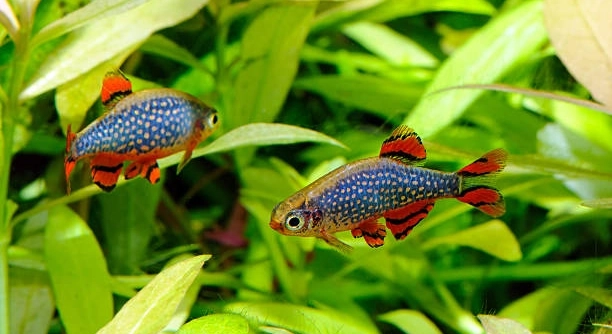
Danios are small, lively fish that thrive on variety in their diet. Offering different foods can help them stay healthy, active, and show off their vibrant colors. Many fish owners stick to standard flakes or pellets.
In addition to regular fish food, danios can benefit from uncommon options like daphnia, brine shrimp, bloodworms, spirulina, zucchini, peas, and tiny pieces of boiled egg. These foods provide essential nutrients and stimulate natural foraging behaviors, enhancing overall health and vitality.
Introducing new foods gradually can enrich your danios’ diet and keep their environment interesting, supporting both growth and activity levels in your aquarium.
Daphnia
Daphnia, often called water fleas, are tiny crustaceans that danios find very appealing. They are rich in protein and easy to digest, making them ideal for promoting healthy growth. Feeding live or frozen daphnia encourages danios to swim actively and hunt naturally. Their movement in the water stimulates natural foraging instincts, keeping your fish mentally and physically engaged. Many hobbyists notice brighter colors and increased activity when daphnia are added to the diet regularly. It is important to rinse frozen daphnia before feeding to remove any excess preservatives. Overfeeding should be avoided, as it can cloud the tank water. A small portion a few times a week is sufficient to maintain health. Daphnia also help with digestion, as their fiber content can reduce constipation in small fish. Including daphnia adds diversity to the tank diet without replacing standard fish flakes or pellets, complementing their nutritional needs efficiently.
Daphnia can be offered live or frozen, giving flexibility to match your feeding routine and tank conditions.
Consistency is key when introducing daphnia. Begin with small amounts to observe how your danios respond. Slowly increase portions as they adjust, noting any changes in activity or appetite. Regular feeding supports overall vitality, reduces stress, and strengthens immune function, contributing to a longer, healthier life. Keeping a clean tank prevents leftover daphnia from affecting water quality.
Brine Shrimp
Brine shrimp are small, saltwater crustaceans that danios enjoy as a protein-rich treat. They are excellent for growth and energy.
Brine shrimp can be fed live, frozen, or freeze-dried. Live shrimp are the most stimulating, as they encourage chasing and hunting behavior. They provide essential fatty acids and proteins, which improve coloration and overall vitality. Offering brine shrimp in moderation prevents water pollution and maintains tank balance. Regular inclusion in the diet supports reproductive health in adult danios and helps juveniles develop strong, healthy bodies. Feeding small quantities multiple times a week ensures nutritional benefits without overwhelming the tank environment. Brine shrimp are also a convenient option for varying the diet, making feeding more engaging. Observing danios as they hunt brine shrimp provides insight into their natural behavior, enhancing the care experience. Properly thawing frozen shrimp and rinsing any packaged forms helps maintain water clarity and fish health. Overall, brine shrimp are a practical, highly nutritious choice for supplementing the standard diet of danios.
Bloodworms
Bloodworms are a high-protein food that danios readily accept. They can be fed live, frozen, or freeze-dried, providing variety and stimulating natural hunting instincts in your fish.
Bloodworms are rich in nutrients, especially protein and iron, which support muscle development and overall vitality. They are particularly beneficial for young or growing danios, helping them reach full size and maintain energy. Feeding bloodworms encourages active swimming and chasing behavior, keeping fish engaged. It is important to feed in moderation, as overfeeding can lead to water quality issues. Offering bloodworms once or twice a week alongside regular flakes or pellets ensures a balanced diet without compromising health. Frozen bloodworms are convenient and safe, reducing the risk of introducing parasites compared to live options. Rinsing them before feeding helps maintain tank cleanliness. The occasional treat of bloodworms also promotes natural predatory behavior, which can reduce stress and keep danios lively and alert in their environment.
Regular feeding of bloodworms strengthens coloration, boosts growth, and adds diversity to the tank diet. Careful portion control prevents excess waste accumulation and water clouding, keeping the aquarium environment stable.
Spirulina
Spirulina is a nutrient-rich algae that enhances danios’ colors and supports immune function. It can be offered as flakes or powder mixed with other foods.
This blue-green algae is packed with vitamins, minerals, and antioxidants that benefit overall fish health. Spirulina promotes vibrant coloration, improves digestion, and supports resistance to disease. Small amounts sprinkled over flakes or pellets make it easy to integrate into daily feeding. Regular inclusion can help maintain energy levels and enhance physical development. It also provides plant-based protein, complementing animal-based foods in the diet. Feeding spirulina two to three times a week adds variety without overloading the system. Its gentle, natural composition makes it suitable for all life stages of danios. Using spirulina consistently helps maintain a balanced nutritional profile, improving the long-term health and vitality of your fish while keeping them active and visually striking.
Zucchini
Zucchini is a soft vegetable that danios can nibble on. It provides fiber, helping with digestion, and adds variety to their diet.
Boil or steam zucchini briefly to soften it, then cut into tiny pieces suitable for danios. Remove uneaten portions to maintain water quality.
Peas
Peas are an excellent source of fiber for danios, aiding in digestion and preventing constipation. Remove the outer skin and chop finely before feeding. Regular small servings improve gut health and support consistent waste elimination.
Boiled Egg
Boiled egg is rich in protein and nutrients. Finely crumble small amounts and mix with regular flakes to supplement danios’ diet. Properly prepared, it encourages growth, supports energy levels, and can enhance coloration.
FAQ
What is the best way to introduce new foods to danios?
Introduce new foods gradually. Start with small amounts mixed with their regular flakes or pellets. Observe how your fish react and adjust portions accordingly. Sudden changes in diet can cause stress or digestive issues, so slow integration is key. Consistency helps danios adapt without upsetting their routine.
Can danios eat all the uncommon foods mentioned daily?
No, moderation is important. Daphnia, brine shrimp, bloodworms, spirulina, zucchini, peas, and boiled egg should supplement their main diet, not replace it. Feeding small portions a few times a week maintains nutritional balance while preventing water quality problems. Variety keeps them healthy and engaged.
Are live foods better than frozen or freeze-dried options?
Live foods are more stimulating, encouraging natural hunting and activity. They also often contain more nutrients than freeze-dried versions. However, frozen or freeze-dried foods are convenient, safer, and reduce the risk of parasites. Both types can be part of a healthy feeding routine if handled properly.
How do I prepare vegetables for danios?
Vegetables like zucchini or peas should be boiled or steamed until soft, then cut into tiny, manageable pieces. Removing skins or shells helps prevent digestive problems. Only offer small amounts at a time, and remove any uneaten pieces promptly to maintain water cleanliness.
Can these foods improve danios’ color?
Yes, foods like spirulina, brine shrimp, and bloodworms contain nutrients that enhance coloration. Regular inclusion in their diet helps make colors more vibrant. Balanced feeding combined with a healthy tank environment maximizes visual appeal and overall fish vitality.
How often should I feed these treats?
Uncommon foods should be offered two to three times per week in small quantities. Overfeeding can cause water pollution and health issues. Rotating different foods ensures variety and nutritional completeness while keeping your danios active and interested in their meals.
Are there any risks in feeding boiled egg?
Boiled egg is safe in small amounts, but overfeeding can lead to water contamination or digestive upset. Crumble only tiny pieces and mix with flakes to provide protein without overwhelming their digestive system. Proper portioning keeps the tank clean and fish healthy.
Do danios prefer live or prepared foods more?
Preferences vary by fish, but many danios enjoy live foods because they move and trigger hunting instincts. Prepared frozen or freeze-dried foods are also accepted once the fish are accustomed. Observing feeding behavior helps determine which foods they respond to best.
Can these foods help with growth in young danios?
Yes, high-protein foods like brine shrimp, bloodworms, and boiled egg support muscle development and overall growth. Pairing these with balanced flakes ensures young danios receive essential nutrients while maintaining healthy development rates. Gradual introduction prevents stress or digestive issues.
How do I prevent water quality issues when feeding uncommon foods?
Feed in small, controlled portions and remove uneaten food promptly. Frozen or boiled foods should be rinsed before adding to the tank. Regular tank maintenance, including water changes and cleaning, helps maintain a stable environment, reducing stress and disease risks for your fish.
Can these foods be combined in one feeding?
Yes, small amounts of different foods can be combined to provide variety and nutrients. Avoid overloading the tank. Mixing a protein source with a vegetable or algae supplement ensures balanced nutrition while keeping danios interested and active.
Are there any long-term benefits to feeding a varied diet?
A varied diet supports stronger immune systems, better coloration, improved growth, and natural behaviors. It reduces the risk of nutrient deficiencies and keeps danios mentally stimulated. Over time, balanced feeding contributes to healthier, more active, and visually vibrant fish that thrive in their environment.
How do I know if my danios are enjoying a new food?
Signs include active swimming, quick attention to the food, and reduced leftovers. Danios that eagerly chase or nibble a new item are responding positively. Slow or hesitant feeding may indicate unfamiliarity, so gradually increasing portions allows them to adapt comfortably.
Can uncommon foods replace flakes or pellets entirely?
No, flakes or pellets provide essential nutrients for everyday health. Uncommon foods are supplements to diversify the diet. They add protein, fiber, and natural variety but cannot fully replace a complete commercial diet, which ensures balanced nutrition for long-term well-being.
Is it safe to freeze extra portions of these foods?
Yes, freezing is safe for most items like daphnia, brine shrimp, and bloodworms. Proper storage maintains nutritional value and prevents spoilage. Thaw thoroughly before feeding and rinse if necessary to avoid water contamination and maintain tank stability.
Danios are lively and active fish that benefit greatly from a varied diet. While standard flakes or pellets provide essential nutrients, introducing uncommon foods can make a big difference in their overall health and activity. Foods like daphnia, brine shrimp, bloodworms, spirulina, zucchini, peas, and boiled egg each bring unique benefits, from boosting protein intake to improving digestion and coloration. Offering a mix of these foods ensures that danios receive a balanced diet while also encouraging natural behaviors, such as hunting and foraging. A diverse diet helps prevent boredom and supports physical development, making your fish more energetic and visually vibrant. Gradually introducing these foods while maintaining their regular diet ensures they adjust without stress or digestive upset.
When adding uncommon foods to a danio’s diet, moderation is essential. Overfeeding can lead to poor water quality, which directly affects fish health. Small portions given a few times a week are usually enough to provide nutritional benefits without causing tank problems. It is also important to prepare foods properly; vegetables should be boiled or steamed and cut into tiny pieces, while frozen or freeze-dried options should be rinsed before feeding. Observing your fish’s reactions during feeding can help determine preferences and appropriate amounts. The goal is to enhance their diet without disrupting their environment or overwhelming them with new foods at once. Consistent feeding schedules, proper portioning, and regular tank maintenance all contribute to healthier, more active, and longer-living danios.
Incorporating uncommon foods also supports long-term health and appearance. Protein-rich items like brine shrimp, bloodworms, and boiled egg promote growth and muscle development, while plant-based options like spirulina, peas, and zucchini aid digestion and provide essential vitamins. These additions can brighten coloration, improve energy levels, and reduce the risk of disease by supporting the immune system. Providing variety also encourages natural behaviors that help keep danios mentally stimulated and active. Over time, a thoughtful feeding plan that combines standard pellets with occasional treats can make a noticeable difference in their vitality and overall quality of life. Maintaining this balance ensures that your danios thrive, showing their full potential in health, activity, and visual appeal.

Hello,
If you enjoy the content that we create, please consider saying a "Thank You!" by leaving a tip.
Every little bit helps us continue crafting quality advice that supports the health, happiness, and well-being of pets around the world, for pets of all shapes, sizes, and species.
We really appreciate the kindness and support that you show us!