
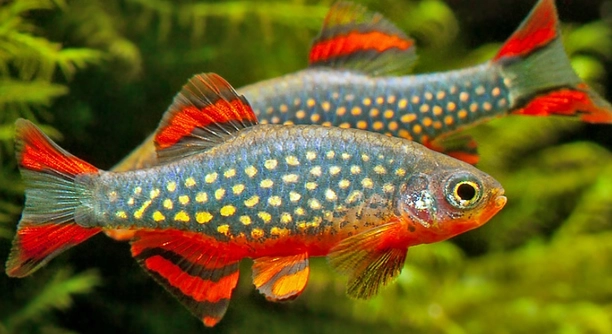
Celestial Pearl Danios and Neon Tetras are both popular choices for home aquariums. Their vibrant colors and active behaviors make them appealing, yet many aquarists wonder how well these species interact in the same tank environment.
Celestial Pearl Danios can live peacefully with Neon Tetras when housed in a well-maintained, appropriately sized aquarium. Both species are small, non-aggressive, and thrive in similar water conditions, making them compatible tank mates under proper care and monitoring.
Understanding their social behaviors and habitat needs is important for a harmonious aquarium. We will explore key considerations to ensure both species thrive together safely.
Understanding Their Temperament
Celestial Pearl Danios are peaceful, small fish that enjoy swimming in groups. They are naturally shy but become more confident in a calm tank. Neon Tetras share similar characteristics, preferring to school and move together. Both species are non-aggressive, which helps prevent stress and potential injuries. When introducing them to the same tank, it is important to maintain stable water conditions. Proper hiding spots and plants can provide comfort, reducing any tension between fish. Avoid sudden movements or loud noises near the aquarium, as these can startle the fish and lead to erratic swimming or minor conflicts. Regular observation allows you to notice early signs of stress, like hiding or refusal to eat, which can be addressed by adjusting tank setup or water quality. Ensuring both species have enough space and resources minimizes competition.
Careful planning makes combining these fish straightforward and low-risk for stress or aggression.
With proper observation and consistent maintenance, both species can coexist happily, displaying vibrant colors and active behavior that brighten the aquarium environment. Consistent feeding, appropriate tank size, and plant coverage all contribute to a stable habitat. Monitoring water temperature and quality ensures both species remain healthy, reducing the likelihood of disease or stress-related issues. By respecting their natural behaviors and social needs, an aquarium can host both Celestial Pearl Danios and Neon Tetras without conflict. The combination creates a visually appealing, dynamic tank where both species thrive together.
Tank Setup Considerations
A well-planned tank is essential for peaceful cohabitation. Providing plants and hiding spaces reduces stress.
A suitable tank should be at least 20 gallons to allow room for both species to school comfortably. Substrate choice, such as fine gravel or sand, helps create a natural environment. Plants like Java moss, Anubias, and floating species provide shelter and resting spots. Proper filtration ensures clean water while gentle currents mimic natural habitats. Lighting should be moderate to highlight colors without causing stress. Regular maintenance, including water changes and monitoring parameters like pH, temperature, and ammonia levels, keeps the environment stable. Avoid overcrowding, as limited space can lead to territorial behavior or competition for food. Providing high-quality, varied food ensures both species get adequate nutrition.
Balancing tank decor, space, and water quality allows Celestial Pearl Danios and Neon Tetras to thrive together, creating a harmonious and visually appealing aquarium. Careful attention to these details promotes long-term health and stress-free interactions. Proper planning and consistent maintenance are key to maintaining a lively, healthy community tank. By keeping their environment natural and stable, you can enjoy the peaceful coexistence of these vibrant species. Observing their behavior regularly helps address minor issues early, ensuring continued harmony.
Feeding and Diet
Both Celestial Pearl Danios and Neon Tetras are omnivores that thrive on small, high-quality flakes or pellets. Including live or frozen foods such as daphnia, brine shrimp, or bloodworms ensures proper nutrition and encourages natural foraging behavior.
A varied diet is important to maintain vibrant colors and overall health. Celestial Pearl Danios enjoy grazing on biofilm and tiny insects, while Neon Tetras benefit from micro-pellets and occasional frozen treats. Feeding small amounts multiple times a day prevents overeating and keeps the tank clean. Observing how each species feeds helps avoid competition and ensures all fish receive enough nutrition. Overfeeding can lead to water quality issues, so portion control is essential. Balanced nutrition supports growth, immunity, and active behavior in both species, creating a lively tank environment.
Feeding should be consistent, with attention to each species’ preferences. Rotating food types helps prevent nutritional gaps and keeps fish engaged. Frozen and live foods stimulate natural hunting instincts. Offering small portions several times daily prevents leftovers from polluting the tank. Both species adjust quickly to feeding schedules, and monitoring consumption helps identify any health concerns early. Providing adequate nutrition supports breeding behaviors in healthy, stress-free conditions.
Water Parameters
Stable water conditions are critical for the health of both species. Temperature should remain between 72-78°F, with a pH around 6.5-7.5. Regular testing ensures levels remain safe.
Ammonia, nitrite, and nitrate levels must be monitored closely. Celestial Pearl Danios are sensitive to high nitrate levels, while Neon Tetras can tolerate minor fluctuations but thrive best in stable conditions. Water hardness should be moderate to soft to mimic natural habitats. Using a gentle filter prevents strong currents that may stress these small fish. Partial water changes of 20-25% weekly help maintain clarity and chemical balance. Tank stability reduces stress, encourages activity, and supports overall health. Plants aid in natural filtration and provide hiding spots for shy individuals.
Consistency in water quality and parameters prevents disease outbreaks and aggressive behavior. Maintaining temperature, pH, and hardness within ideal ranges allows both species to coexist peacefully. Gentle filtration and adequate aeration are essential to avoid stress. Partial water changes, combined with regular testing, help prevent chemical imbalances. Adding live plants improves oxygenation and offers safe spaces, reducing tension. Proper water management ensures long-term health and vibrant coloration in both species. Observing fish behavior after changes confirms the tank remains suitable and balanced.
Tank Mates Compatibility
Celestial Pearl Danios and Neon Tetras generally coexist well with other small, peaceful fish. Avoid aggressive or much larger species that could intimidate or harm them. Choosing compatible tank mates ensures a calm and balanced environment.
Small shrimp, snails, and other gentle schooling fish can also share the tank. Careful selection reduces stress and promotes natural behavior, keeping the community lively without conflicts.
Breeding Behavior
Celestial Pearl Danios spawn in densely planted areas, scattering eggs among fine-leaved plants or moss. They do not guard their eggs, so separating adults after spawning may be necessary to protect the fry. Neon Tetras also scatter eggs but prefer slightly acidic water and dim lighting. Both species benefit from clean water and frequent small feedings of high-quality live or frozen foods to prepare for breeding. Providing a safe, well-planted environment encourages natural reproductive behaviors. Observing their habits allows for successful egg-laying without disturbing the adults. Understanding each species’ breeding needs helps maintain a thriving tank population.
Common Health Issues
Both species are prone to stress-related illnesses if water quality or tank conditions are neglected. Regular monitoring helps prevent disease outbreaks.
FAQ
Can Celestial Pearl Danios and Neon Tetras share the same tank?
Yes, they can live together peacefully. Both species are small, non-aggressive, and prefer similar water conditions. Providing a well-planted, adequately sized tank reduces stress and allows them to school comfortably. Proper observation ensures neither species dominates feeding areas.
What tank size is ideal for keeping them together?
A minimum of 20 gallons is recommended. This allows both species to swim freely and maintain natural schooling behavior. Overcrowding can lead to stress and competition, which increases the risk of illness and aggressive interactions. Plants and hiding spots further reduce tension.
What water conditions do they require?
Both prefer temperatures between 72-78°F, a pH of 6.5-7.5, and moderate hardness. Stable water chemistry is critical. Regular testing and partial water changes help maintain these parameters. Gentle filtration and adequate aeration support overall health. Sudden fluctuations can stress the fish and lead to disease.
Do they have special dietary needs?
Both are omnivores and thrive on high-quality flakes or pellets. Supplementing with live or frozen foods such as brine shrimp, daphnia, or bloodworms ensures proper nutrition. Feeding small amounts multiple times daily prevents leftover food from polluting the tank. Variety supports coloration and overall health.
Are they prone to any diseases?
Both species are generally hardy but can suffer from stress-related illnesses. Poor water quality, overcrowding, or improper diet increases vulnerability to fin rot, ich, or fungal infections. Early detection and treatment are important. Maintaining a clean tank and monitoring behavior helps prevent outbreaks.
Can they breed in the same tank?
Yes, but breeding may require separate areas or tanks. Celestial Pearl Danios scatter eggs in fine-leaved plants, while Neon Tetras prefer slightly acidic water and dim lighting. Both species do not guard eggs, so adults may eat them if left together. A well-planted breeding setup increases survival rates.
How many should I keep together?
Keep at least six of each species to encourage natural schooling behavior. Small groups may become shy or stressed. Larger groups provide social comfort and reduce territorial tendencies. Balancing numbers and avoiding overcrowding ensures both species remain active and healthy.
Do they need hiding spots?
Yes, dense plants, moss, and decorations provide shelter and reduce stress. Hiding spots allow shy individuals to feel secure, especially during feeding or if they are startled. A mix of open swimming areas and plant coverage creates a comfortable, balanced environment.
Can they coexist with other fish?
They do best with other small, peaceful species. Avoid aggressive or much larger fish that may intimidate or prey on them. Snails, shrimp, and other gentle schooling fish can also be suitable companions. Observing behavior helps prevent conflicts and ensures harmony.
How often should I feed them?
Small portions two to three times daily are ideal. Overfeeding can cause water quality issues, while underfeeding may lead to malnutrition. Offering a mix of flakes, pellets, and occasional live or frozen foods ensures balanced nutrition and keeps them active.
What signs indicate stress or illness?
Lethargy, loss of appetite, erratic swimming, or faded colors are common signs. Early detection allows timely intervention. Stress often results from poor water conditions, overcrowding, or incompatible tank mates. Regular observation and maintenance help prevent serious health problems.
Do they require special lighting?
Moderate lighting is sufficient to highlight colors without causing stress. Too bright lighting can make shy fish hide excessively. Floating plants can diffuse light and create shaded areas, giving both species comfort while maintaining a natural appearance.
Is tank maintenance difficult with both species?
No, regular water changes, monitoring parameters, and cleaning the substrate keep the tank healthy. Plants help with natural filtration, and careful feeding prevents waste buildup. Consistency is key to maintaining a peaceful, vibrant aquarium environment for both species.
Can I mix juveniles and adults?
Yes, but monitor feeding to ensure juveniles get enough food. Adults may outcompete smaller fish if resources are limited. Proper tank size and plant coverage help balance social interactions and reduce stress across different age groups.
How long do they live?
Celestial Pearl Danios typically live 4-6 years, while Neon Tetras live 5-8 years with proper care. Stable water conditions, a balanced diet, and stress-free cohabitation support their longevity. Regular health monitoring can extend their lifespan and maintain vibrant coloration.
Final Thoughts
Keeping Celestial Pearl Danios and Neon Tetras together can be a rewarding experience when the right conditions are provided. Both species are small, peaceful, and enjoy schooling, which makes them naturally compatible in a community tank. Their colors complement each other, creating a visually appealing aquarium without requiring aggressive management. The key is to ensure that the tank is spacious enough for both species to swim freely and maintain their natural behaviors. A minimum of 20 gallons is recommended, along with well-placed plants and hiding spots to reduce stress. Observing their behavior in the early stages of cohabitation helps identify any signs of tension or competition. By providing a stable and carefully arranged environment, these fish can coexist without major issues, displaying lively movement and healthy interactions that make the aquarium enjoyable to watch.
Proper care and attention to water parameters are essential for long-term success. Both species prefer slightly acidic to neutral water with a temperature range of 72-78°F. Maintaining pH, hardness, and temperature within these ranges ensures their health and reduces susceptibility to stress-related diseases. Regular water testing and partial water changes keep the tank stable, which is critical because even small fluctuations can affect these sensitive species. Gentle filtration and moderate lighting also help mimic their natural environment, promoting calm behavior and vibrant colors. A clean, stable tank supports their immune systems, encourages feeding activity, and minimizes illness. Attention to these details makes a noticeable difference in the overall health and longevity of both Celestial Pearl Danios and Neon Tetras, ensuring a harmonious community aquarium.
Feeding and nutrition are also crucial for maintaining a healthy and peaceful tank. Both species are omnivores, so a diet that includes high-quality flakes or pellets, supplemented with live or frozen foods like brine shrimp or daphnia, ensures proper growth and vitality. Small, frequent feedings prevent leftover food from polluting the water while encouraging natural foraging behavior. Providing a variety of food types supports vibrant coloration and overall energy levels, allowing the fish to thrive in a social setting. Paying attention to group size, hiding spaces, and compatible tank mates further reduces stress, creating an environment where both species can interact safely. With consistent care, observation, and attention to water quality, diet, and tank setup, Celestial Pearl Danios and Neon Tetras can coexist successfully, offering a peaceful and dynamic aquarium that remains enjoyable for years.

Hello,
If you enjoy the content that we create, please consider saying a "Thank You!" by leaving a tip.
Every little bit helps us continue crafting quality advice that supports the health, happiness, and well-being of pets around the world, for pets of all shapes, sizes, and species.
We really appreciate the kindness and support that you show us!