
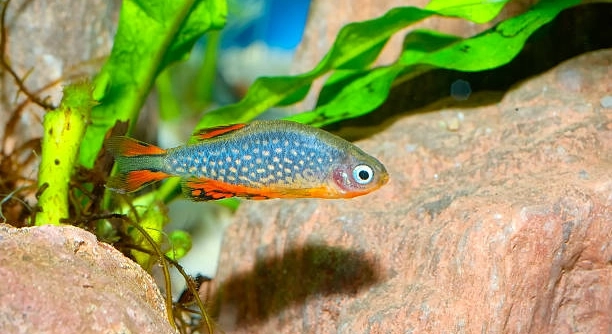
Keeping a tank of danios healthy requires careful attention to their environment and behavior. Observing small changes in water quality, fish activity, and plant growth can help maintain a thriving, balanced ecosystem for these lively fish.
Balanced danio ecosystems are indicated by stable water parameters, active schooling behavior, minimal algae overgrowth, healthy plant life, consistent feeding response, clear water, and harmonious interaction among tank inhabitants. Each sign reflects the proper equilibrium of biological and chemical conditions.
Recognizing these indicators early ensures your danios remain healthy and your tank stays a harmonious aquatic space for all its residents.
Clear Water and Stable Parameters
Maintaining clear water is one of the most obvious signs that your danio tank is balanced. When the water is transparent, it shows that the filtration system is working effectively, and there are no excess nutrients feeding harmful bacteria or algae. Regular testing of pH, ammonia, nitrite, and nitrate levels is essential. Danios thrive in slightly alkaline water, so keeping the pH around 7.0 to 7.5 supports their natural behavior. Temperature also matters; a stable range between 72°F and 78°F prevents stress and disease. Observing the water daily helps spot subtle changes before they become problems. Debris from uneaten food should be removed promptly, as it can cloud water and release toxins. Filtration should be appropriate for the tank size, and partial water changes every week or two help maintain balance. Proper water maintenance encourages active, healthy fish and prevents many common tank issues.
Clear, stable water conditions ensure that danios remain active, healthy, and display natural coloration while minimizing stress and reducing the risk of disease outbreaks.
Watching the tank over time, it becomes easy to notice when the water is healthy. Fish swim freely, and plants grow without algae interference. Clean water supports natural behaviors and overall ecosystem stability, making the tank pleasant to observe.
Active and Harmonious Fish Behavior
Active, schooling behavior is a strong sign that danios are thriving.
Danios that swim in groups, explore the tank, and respond to feeding signals indicate a well-balanced environment. Stress or illness often shows as lethargy, hiding, or erratic movement. Schooling helps reduce stress and shows comfort with tank conditions. Observing interactions also reveals social harmony. If the fish chase each other excessively or isolate themselves, it may indicate overcrowding or imbalance. A harmonious group maintains consistent movement patterns and reacts collectively to changes, like lights turning on or feeding time. Proper tank setup, including space, plants, and hiding spots, supports this natural behavior. Feeding routines also play a role; fish that eagerly eat and return to normal activity afterward demonstrate satisfaction with their habitat. Active danios encourage a lively, dynamic tank and provide a visual confirmation that the ecosystem is functioning properly. Tracking these behaviors regularly helps identify subtle shifts in tank health before serious issues appear.
Minimal Algae Growth
Minimal algae growth shows that nutrient levels and lighting are balanced in the tank. When algae are under control, it indicates that plants, fish, and microorganisms are thriving without competing excessively for resources.
Keeping algae in check requires regular maintenance. Avoid overfeeding, as leftover food increases nutrient levels that fuel algae blooms. Light should be moderate and consistent, with no more than 8–10 hours a day to prevent excessive growth. Healthy plants outcompete algae for nutrients, which also keeps the tank looking clean. Observing plant leaves can reveal early signs of algae, allowing timely removal. Algae-eating species or snails can help maintain balance naturally. Tank surfaces, decorations, and glass should be wiped regularly to prevent buildup. Even with careful monitoring, some algae will appear, but it should never dominate the tank. Consistent care ensures that algae remain a minor part of the ecosystem, supporting fish and plant health without taking over.
Regular trimming and plant care further reduce algae growth. Healthy plants absorb nutrients efficiently, keeping water clear and fish active.
Thriving Live Plants
Healthy, thriving plants indicate that the tank ecosystem is stable and well-maintained.
Plants grow steadily, with vibrant colors and new shoots appearing regularly. Leaves are free of holes, brown spots, or melting, showing that water conditions are appropriate and lighting is adequate. Nutrient supplementation, whether through root tabs or liquid fertilizers, supports growth, but it must be carefully monitored to avoid over-enrichment. Plants help regulate oxygen and absorb waste products, contributing to overall water quality. Proper spacing prevents overcrowding, allowing each plant access to light and nutrients. Observing plants daily allows for early detection of nutrient deficiencies or pest problems, keeping the environment balanced for both flora and fauna. Thriving plants also provide shelter for danios, reducing stress and encouraging natural schooling behavior. Maintaining plants is a continual process but creates a visually appealing tank while promoting ecosystem stability.
Strong roots and consistent growth create a natural filtration effect, helping maintain water clarity and supporting fish health in the long term.
Consistent Feeding Response
Danios that eat eagerly and return to normal activity afterward indicate a well-balanced tank. Consistent feeding behavior shows they are healthy and the environment supports their nutritional needs.
Avoid overfeeding, as leftover food can pollute the water and encourage algae growth. Offering small, frequent meals helps maintain energy and reduces waste. Feeding should match tank population and fish size, ensuring each danio receives enough without excess. Observing their reaction during feeding provides insight into overall health and activity levels. Fish that explore and interact after eating demonstrate satisfaction with their environment, confirming that tank conditions support proper growth and behavior.
Clear Signs of Fish Health
Healthy danios show bright colors, smooth scales, and clear eyes. Their fins are intact, and swimming is fluid and coordinated.
Monitoring physical appearance regularly allows early detection of disease or stress. Any dullness, fraying fins, or unusual behavior signals that something in the tank may need attention. Maintaining clean water, proper diet, and sufficient space helps prevent common health issues. Environmental consistency reduces stress, which supports immune function and long-term vitality. Observing both activity and appearance gives a complete picture of fish well-being, ensuring the tank remains a stable, balanced habitat.
Harmonious Tank Interaction
Danios coexist peacefully with minimal aggression, reflecting a balanced social environment.
Aggression or hiding can indicate overcrowding, poor water quality, or stress. Peaceful interaction allows for normal schooling and reduces injury risks.
What water parameters are best for a balanced danio tank?
The ideal water conditions for danios include a pH between 7.0 and 7.5, temperature around 72°F to 78°F, and low levels of ammonia and nitrites. Nitrates should be kept under 40 ppm to prevent stress. Regular testing with reliable kits ensures these levels remain stable. Water changes of about 20–25% weekly help maintain quality. Filtration should match the tank size and support biological, chemical, and mechanical filtration. Stability matters more than perfection, so sudden changes in temperature or pH should be avoided. Danios tolerate a slight range in conditions, but consistent care keeps them active and healthy.
How often should I feed my danios?
Danios do best with small, frequent meals. Feeding twice a day is usually sufficient. Offer amounts they can eat in two to three minutes to prevent leftover food from decaying in the tank. A varied diet of flakes, pellets, and occasional live or frozen foods supports growth and coloration. Overfeeding can lead to poor water quality and algae blooms, so careful portioning is important. Watching the fish during feeding helps you adjust portions over time. Maintaining this routine supports energy levels, schooling behavior, and overall tank health, reducing stress and aggressive tendencies.
How do I control algae in my tank?
Algae growth is normal but should remain minimal. Avoid overfeeding and excessive lighting, which fuel growth. Providing live plants competes with algae for nutrients, naturally keeping it in check. Manual removal of algae from glass and decorations helps maintain appearance. Introducing algae-eating species like snails or certain fish can assist with control. Balancing nutrients, light, and maintenance routines prevents algae from overtaking the tank while supporting plant and fish health. Algae should never dominate; small amounts are natural and contribute to a realistic, healthy environment.
What are signs of stress in danios?
Stress in danios shows as lethargy, hiding, erratic swimming, clamped fins, or loss of color. It can result from poor water quality, sudden temperature changes, overcrowding, or incompatible tank mates. Stress weakens their immune system, increasing susceptibility to disease. Monitoring behavior daily allows early detection. Maintaining stable water parameters, consistent feeding, and proper tank setup reduces stress. Peaceful schooling, healthy coloration, and active swimming indicate low stress levels. Paying attention to these signals ensures timely action, helping the tank remain balanced and the fish healthy.
How can I ensure plants thrive in my danio tank?
Healthy plants need proper lighting, nutrients, and space. Moderate lighting of 8–10 hours per day supports photosynthesis without promoting excessive algae. Root tabs or liquid fertilizers can provide nutrients, but avoid overuse, which may harm fish and encourage algae. Trim dead or decaying leaves regularly to maintain water quality. Proper plant placement prevents overcrowding, ensuring each has access to light. Thriving plants absorb waste, produce oxygen, and provide shelter, contributing to a balanced ecosystem. Observing growth patterns helps detect nutrient deficiencies or environmental issues early, keeping the tank visually appealing and supportive for danios.
What tank size is best for danios?
Danios are active swimmers and do best in groups, so space is crucial. A minimum of 20 gallons for a small school of 6–8 fish is recommended. Larger tanks allow more natural schooling, reduce aggression, and provide space for plants and decorations. Proper tank size supports water stability, minimizes stress, and reduces competition for resources. Avoid overcrowding, as it leads to poor water quality, stress, and health issues. Providing ample swimming space and hiding spots ensures harmonious social behavior and promotes a stable, balanced ecosystem.
How do I monitor overall tank balance?
A balanced tank shows clear water, thriving plants, active schooling, minimal algae, and healthy fish behavior. Observing these signs daily helps identify subtle changes early. Regular water testing, consistent feeding, and maintenance routines maintain equilibrium. Stability in parameters, fish behavior, and plant growth indicates the tank is functioning properly. Any sudden shifts in water clarity, fish activity, or plant health signal potential issues. Keeping notes or a simple log of observations can help track patterns over time. Maintaining this balance ensures long-term health and harmony for the entire tank ecosystem.
Can I mix danios with other species?
Danios are generally peaceful but active, so tank mates should tolerate similar water conditions and activity levels. Small, non-aggressive fish like tetras, rasboras, or peaceful livebearers often coexist well. Avoid slow-moving or long-finned species that may be stressed or nipped. Compatibility reduces stress, maintains schooling behavior, and supports a balanced ecosystem. Monitor interactions closely after introducing new fish to ensure peaceful coexistence. Proper stocking, space, and hiding spots allow multiple species to thrive without disrupting water quality or social dynamics. A harmonious tank promotes natural behavior and reduces the risk of disease outbreaks.
How important is observation in maintaining balance?
Daily observation is key. Watching fish behavior, water clarity, and plant growth reveals small changes that indicate imbalance. Early detection of stress, illness, or water quality issues allows prompt action. Even minor shifts can escalate if unnoticed, so consistent attention prevents larger problems. Observation helps adjust feeding, maintenance routines, and environmental conditions in real time. Noticing patterns in activity, coloration, or interactions provides insight into the tank’s overall health. Over time, this practice becomes intuitive, making it easier to maintain a thriving danio ecosystem with minimal disruption.
Maintaining a balanced danio tank takes regular attention and simple, consistent care. Observing water clarity, fish behavior, and plant growth is the best way to keep track of the tank’s health. Clear water shows that filtration is effective and nutrient levels are stable. Active schooling and harmonious interactions among danios indicate they are comfortable and stress-free. Thriving plants help absorb waste and provide shelter, supporting both water quality and fish behavior. Minimal algae growth suggests that lighting and nutrients are balanced. Each of these factors contributes to a well-functioning ecosystem that supports the long-term health of your fish and plants. By paying attention to small changes, it becomes easier to prevent issues before they become serious.
Regular maintenance routines are key to keeping the tank balanced. Feeding the fish in small, controlled portions prevents excess food from polluting the water. Water testing and partial changes help maintain stable chemical conditions, which are critical for danios. Trimming and caring for plants ensures they continue to thrive and do not become overcrowded. Observing your fish during feeding and swimming can give early signs of stress or illness. Even minor behavioral changes can signal that something in the tank needs adjustment. By keeping these routines consistent, you create an environment where fish, plants, and microorganisms coexist harmoniously. The balance in the tank reduces stress, promotes natural behaviors, and keeps the ecosystem functioning smoothly.
A balanced danio tank is both healthy for its inhabitants and visually rewarding. Clear water, healthy fish, and lush plants make the aquarium pleasant to observe while providing the fish with a supportive environment. The effort to maintain stability is not complicated, but it requires attention and patience. By understanding the signs of a balanced ecosystem and responding to them promptly, you ensure that your danios remain vibrant and active. This approach allows the tank to remain a lively and harmonious space for all its inhabitants. Consistent observation, maintenance, and care create a stable environment that benefits both the fish and the overall health of the aquarium. Over time, maintaining these practices becomes second nature, and the results are a thriving tank that continues to grow and flourish naturally.

Hello,
If you enjoy the content that we create, please consider saying a "Thank You!" by leaving a tip.
Every little bit helps us continue crafting quality advice that supports the health, happiness, and well-being of pets around the world, for pets of all shapes, sizes, and species.
We really appreciate the kindness and support that you show us!