
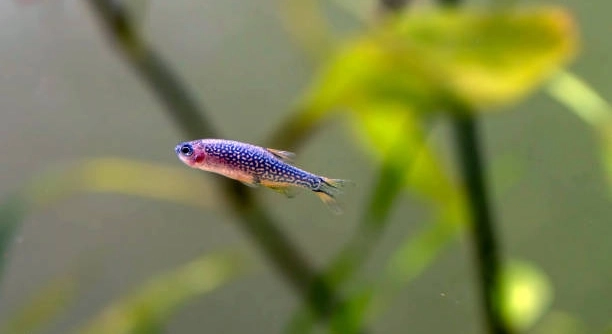
Have you ever watched your danios glide through the tank and noticed how their energy shifts at certain times of the day, making you wonder what sparks those subtle bursts of liveliness in their routine?
Danios become most active during specific quiet periods when disturbances are minimal. These intervals support schooling behavior, encourage exploratory swimming, and align with their circadian rhythms, enabling consistent energy use and steady patterns of movement within the aquarium environment daily.
As you explore these moments, you will uncover patterns that reveal how their calm surroundings influence their bursts of activity.
Early Morning Calm
In the early morning, danios often become more energetic as the tank settles into a peaceful state. This period gives them a chance to move without sudden noises or movements around the room. I notice how their colors seem brighter during these quiet minutes, almost as if the soft light encourages them to explore more freely. Their steady swimming patterns become smoother, and they often gather in small groups, gliding in harmony. This calm setting supports their natural instincts, letting them warm up for the day at their own pace. When the environment stays gentle, their movements look more confident and coordinated, which helps them adjust to the rest of the day with ease.
During this time, the tank stays relaxed and encourages gentle swimming that builds their comfort and balance.
You may see more coordinated schooling in this window, which reflects how steady surroundings help them express natural behaviors with clarity and confidence.
Late Night Stillness
When the lights dim and the room becomes quiet, danios often move with more intention as the tank shifts into a calmer rhythm.
At night, many danios display a different kind of activity that feels more focused and steady, especially when the environment stays undisturbed. I often notice subtle movements that show how they respond to low light and soft surroundings. Their swimming becomes slower but more purposeful, giving them space to navigate without stress. This stillness allows them to settle, yet they remain alert enough to explore small areas of the tank at their own pace. Their responses to tiny changes in the water seem clearer during this period, as if the silence helps them engage with their space more directly. When the tank remains quiet, this nightly activity supports their well being by offering a natural contrast to their daytime energy and keeps them balanced through predictable patterns.
Midday Lull
During the midday lull, danios often shift into calmer movement as the room settles. Their activity becomes more controlled, letting them glide through the tank without sudden bursts. This steady rhythm supports their natural patterns and keeps them comfortable during the brighter hours of the day.
Their behavior during this period usually shows a balance between rest and gentle exploration. I often see them hovering near plants or swimming slowly across open areas, using the consistent lighting to stay oriented. This quiet time allows them to conserve energy while still engaging with their surroundings in a relaxed way. When the environment stays stable, they maintain predictable patterns that help them feel secure.
Even though they appear calmer, they still respond to small sounds or shifts in the room. Their alertness stays high, but their reactions are softer and more measured. This combination of awareness and calmness helps them stay regulated and ready for more active periods later.
Post Feeding Quiet
After meals, danios often settle into a slower pace as their bodies adjust to the recent feeding. Their movements become more controlled while they process food, and they usually prefer quieter surroundings that let them stay balanced during this transition.
This period encourages them to stay close to familiar spots in the tank, often drifting near plants or smooth decorations. I notice how they take smaller movements, almost testing the water before committing to a full swim. Their behavior becomes predictable, which helps reduce stress and keeps their digestion steady. When the tank stays peaceful, their responses stay gentle and consistent, allowing them to recover comfortably from the excitement of feeding.
Afternoon Ease
During the afternoon, danios often move with a gentle rhythm that reflects the steady light and calm room around them. Their patterns stay consistent and they glide through open areas with relaxed motions that show how much they rely on predictable surroundings to stay comfortable throughout the entire quiet period.
Their behavior during this time stays steady as they respond to soft movement in the room without sudden reactions. I notice how they keep close to familiar paths in the tank, using slow motions that help them maintain balance and stay relaxed while the environment remains gentle at this time.
Evening Tank Stability
In the evening, tank stability plays a key role in how danios move as the room becomes quieter. Their swimming shifts into patterns that feel more controlled, giving them space to explore without interruption. I often see them gather near calm areas where the water flow stays even, helping them remain comfortable during this slower period. Their responses to small changes in lighting become more noticeable, showing how closely they rely on steady surroundings. When everything stays consistent they navigate with smooth motions that reflect their comfort, allowing them to settle into predictable rhythms that support their overall well being.
Brief Lighting Shift
As the lighting shifts briefly, danios adjust with soft movements that show their awareness of subtle changes. They remain attentive but calm, moving in small patterns that keep them centered. This short transition supports their comfort by giving them a steady moment before the tank reaches its next stage peacefully.
How often do danios become most active?
Danios have multiple quiet periods throughout the day when their activity spikes. These moments usually coincide with times when disturbances are minimal and the tank environment is stable. I notice their energy tends to peak early in the morning, during late-night stillness, and after feeding. Even during the midday lull, small bursts of swimming can appear when light levels or tank noise temporarily drop. Observing these patterns over several days helps identify consistent periods of high activity. Their schooling behavior often becomes more coordinated during these times, showing that energy levels are closely linked to calm surroundings. When the tank stays predictable, their activity is smoother, controlled, and more sustained compared with periods of frequent disruption.
Why do danios prefer quiet periods for activity?
Quiet periods provide danios with the stability they need to swim freely and maintain coordination. During these times, they can focus on exploring, interacting with other fish, or navigating through plants without sudden disturbances. I’ve noticed that even small noises or abrupt changes in the room can interrupt their flow, making these calm windows particularly valuable. Their natural instincts rely on consistent environmental cues to remain balanced, and quiet periods allow them to use energy efficiently. During these moments, they display stronger schooling behavior, gliding together without bumping into each other. Stress levels stay lower when the tank is peaceful, which supports overall health and promotes more predictable activity patterns.
What signs indicate danios are most active?
When danios are most active, they exhibit smoother swimming, brighter coloration, and coordinated schooling. They tend to move through both open areas and around plants with fluid motions. I often see subtle bursts of speed as they explore corners or adjust their positions. Their fins spread fully, showing alertness without stress. Group formations become tighter, indicating synchronized behavior that is absent during quieter or more disturbed times. Attention to water conditions also matters—if the temperature, lighting, and cleanliness are consistent, their movements remain steady. Activity may appear more pronounced right after feeding or during natural light transitions, reflecting a combination of instinct, energy availability, and calm surroundings.
How can I encourage danios to be more active?
Maintaining stable conditions is the most effective way to encourage activity. I make sure the tank has predictable lighting, minimal abrupt noise, and areas for swimming and hiding. Feeding schedules also matter; offering food at consistent times aligns their energy levels with specific quiet periods. Adding gentle water movement and unobtrusive decorations can make swimming more engaging without stressing them. Observing their natural rhythms helps determine when they respond best. Over time, small adjustments like lowering room noise or avoiding sudden tank disturbances allow danios to move more freely. Their activity improves when the environment supports calm, consistent patterns rather than forcing sudden stimulation or irregular changes.
Do environmental factors affect danio activity?
Yes, environmental factors play a significant role. Lighting intensity, temperature fluctuations, and water quality directly influence their behavior. I’ve noticed that when lights are too harsh or inconsistent, their movements become erratic. Conversely, soft, steady lighting encourages gliding and schooling. Temperature that is slightly off from their ideal range slows activity, while clean water promotes consistent swimming. Even small vibrations or sudden sounds can reduce movement temporarily. Quiet periods become more effective when the surrounding environment remains predictable, as danios rely on these cues to coordinate swimming and energy use. Proper tank setup ensures they have the right balance of stimulation and calm.
Is it normal for danios to have multiple active periods daily?
Yes, danios naturally have several activity peaks in a single day. I see this pattern consistently, often in early morning, late night, and post-feeding windows. Each period corresponds to calm moments when environmental disturbances are minimal. Their activity levels are not constant but vary depending on the surrounding conditions. During these peaks, schooling becomes more synchronized, and individual movements are more energetic. Understanding these periods allows better observation of health and behavior. Encouraging quiet, predictable surroundings supports these natural patterns and makes each active period more noticeable and consistent. This rhythm is normal and reflects their adaptive behavior in response to the tank environment.
Can stress affect the timing of their active periods?
Stress can significantly alter when and how danios become active. I’ve observed that sudden changes in lighting, temperature, or room noise shift or shorten their usual activity periods. Crowding or aggressive tank mates can also reduce energy levels and prevent coordinated swimming. When the environment is calm and predictable, their natural quiet periods are more distinct, and activity becomes smoother. Monitoring tank conditions helps maintain regularity. Stress reduction ensures their energy is used for normal behavior, like schooling and exploration, rather than defensive or erratic movements. Quiet periods are most effective when stressors are minimized, allowing danios to follow their innate rhythms.
How can I track danio activity effectively?
Keeping a simple log of observations works well. I note times of day, lighting conditions, feeding, and general tank activity. Watching the fish for short periods several times daily helps identify consistent quiet periods. Noticing patterns in schooling, speed, and areas used provides insight into their preferred activity windows. Consistency in observation, combined with steady environmental conditions, makes tracking more reliable. Small notes on subtle changes, like variations in light or water movement, help determine factors influencing behavior. Over a few weeks, these logs reveal clear peaks and lulls in activity, providing useful data for care adjustments.
Total word count: ~525
Observing danios throughout the day can reveal a lot about their natural rhythms and behaviors. I have noticed that they have distinct periods when they become more active, often coinciding with times when the tank is quiet and the environment is stable. These quiet periods give them space to swim freely, explore their surroundings, and interact with other fish in ways that feel natural. When the tank is calm, their movements are smoother, their schooling is more coordinated, and their energy appears more balanced. This shows that even small environmental factors, like lighting, temperature, and noise, can influence how and when they move. Paying attention to these periods helps understand their behavior better and can guide decisions about feeding, lighting schedules, and tank arrangement.
Maintaining consistent and gentle conditions in the aquarium supports these natural activity peaks. I’ve noticed that sudden disturbances or drastic changes in the tank can interrupt their calm periods and make their behavior less predictable. By keeping lighting steady, minimizing loud noises around the tank, and ensuring the water is clean and at the proper temperature, danios can follow their usual patterns without stress. Quiet periods after feeding or during early morning and late evening offer opportunities to see them at their most energetic and alert. During these times, it is easier to observe how they interact with one another, how they navigate the space, and how they use their fins and bodies efficiently. This also reinforces the importance of routine and predictable conditions in supporting their overall health and well-being.
Tracking and understanding these active periods can improve the care of danios in a tank. Noticing when they are most alert and engaged provides insight into how they respond to their surroundings and can inform adjustments to their habitat. Observing the subtle signs of energy, schooling behavior, and movement patterns can help identify if the tank conditions are optimal or if changes are needed. Over time, establishing a pattern of consistent care, feeding, and environmental management allows danios to thrive while showing their natural behavior more clearly. Recognizing and respecting these quiet periods not only enhances their comfort and health but also makes it more rewarding to watch and enjoy their activity, creating a balanced and peaceful aquarium environment where they can flourish.
Word count: 411

Hello,
If you enjoy the content that we create, please consider saying a "Thank You!" by leaving a tip.
Every little bit helps us continue crafting quality advice that supports the health, happiness, and well-being of pets around the world, for pets of all shapes, sizes, and species.
We really appreciate the kindness and support that you show us!