
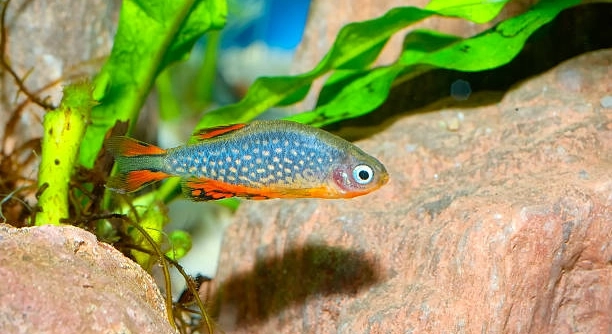
Danio fish are known for their active, social behavior in home aquariums. Observing their interactions can be fascinating, especially when they form tight shoals and swim together in harmony around the tank.
Shoal formation in danios is influenced by multiple environmental and biological factors, including tank size, water quality, population density, lighting conditions, diet, presence of hiding spaces, and social interactions among individuals. Each element contributes to the cohesion and stability of the group.
Understanding these details can improve both the health and happiness of your danios. Paying attention to their environment ensures a more natural and engaging aquatic experience for the fish.
Tank Size and Space
The size of the aquarium plays a major role in how danios form shoals. In smaller tanks, fish often feel crowded, which can increase stress and reduce cohesion within the group. Larger tanks give them room to swim freely, explore, and interact naturally, leading to more stable shoaling behavior. It is important to provide enough horizontal swimming space, not just volume, as danios are active swimmers that need room to maneuver in groups. Vertical space can be less critical than horizontal space, but overall tank size still affects movement patterns and comfort levels. Shoals in spacious tanks tend to be tighter and more coordinated, while cramped conditions can lead to scattered swimming, aggressive behavior, or the formation of smaller, less cohesive groups. Maintaining the right population density relative to the tank size ensures that the fish have enough space to display their natural shoaling tendencies without feeling stressed or confined, which supports both physical and behavioral health.
Providing a tank that matches the number of danios allows them to move naturally, form cohesive groups, and reduces stress significantly.
Proper tank size not only influences how fish swim together but also impacts their overall well-being. When danios have ample space, they show stronger social bonds, more consistent swimming patterns, and better feeding behavior. Overcrowding can lead to competition for food, hiding spots, and oxygen, which reduces shoal stability. Observing a well-sized tank, you can notice smoother turns and synchronized movement. Tank decorations and plants also play a role, as they create boundaries and visual markers that help fish coordinate with each other. It’s important to balance space with environmental enrichment, so the shoal feels safe yet has freedom to interact naturally. Over time, maintaining an appropriate tank size helps prevent stress-related illnesses, supports growth, and encourages the group to develop a predictable, organized swimming pattern. A thoughtful setup makes it easier to monitor the health of each danio while supporting long-term social behavior.
Water Quality
Maintaining clean water is essential for shoal formation. Poor water conditions stress fish and can break up groups or cause erratic swimming.
High water quality supports stable shoaling behavior and reduces aggressive interactions. Regular testing and water changes are key to keeping parameters safe for danios.
Water chemistry, including pH, temperature, and hardness, influences how danios interact. Fluctuations can trigger stress, leading to weaker social bonds and disorganized shoals. Ammonia, nitrite, and nitrate levels must be monitored closely, as even small spikes can make fish uncomfortable and affect their natural swimming behavior. Temperature consistency is also important, as danios are tropical fish that thrive in a narrow range; sudden changes can cause lethargy or hyperactivity, both of which disrupt shoal coordination. Proper filtration and regular partial water changes remove toxins, support beneficial bacteria, and help maintain stable conditions. Clean water ensures that danios focus on social interactions rather than survival instincts. Providing a balanced, oxygenated environment encourages cohesive movement and reduces the likelihood of aggressive displays, allowing the shoal to function as a healthy, synchronized unit. Regular observation helps detect early signs of stress, ensuring timely adjustments to water quality.
Population Density
Danios shoal best when the group has enough members to feel secure but not so many that space becomes limited. Small groups may scatter, while overly large groups can cause stress and disorganization within the tank.
Finding the right population balance is key. A shoal of at least six danios usually shows natural cohesion, with synchronized swimming and clear social interactions. Too few fish can make individuals shy or isolated, reducing group coordination. Overcrowding, on the other hand, can lead to aggressive chasing, competition for food, and fragmented sub-groups. Adjusting the number of fish based on tank size and observing their behavior ensures the shoal remains stable, calm, and coordinated. Proper density creates an environment where fish feel secure, yet free to move naturally.
Population density interacts with other factors like tank size and water quality. A well-sized tank with clean water supports a moderate number of danios, promoting healthy shoal formation. Observing the group can reveal whether some fish are excluded from the main shoal or if aggressive interactions occur. Adjusting numbers gradually helps restore balance without causing sudden stress. Maintaining optimal density allows all fish to access food, explore the environment, and interact without constant competition. A balanced population supports long-term stability and encourages the fish to develop consistent, synchronized movement patterns, which strengthens social bonds and overall well-being.
Hiding Spaces and Decorations
Hiding spots reduce stress and give danios places to rest or escape, which keeps shoals calmer and more coordinated.
Properly placed plants, rocks, or decorations encourage natural behavior while allowing fish to maintain visibility of the group.
Hiding spaces provide safety and comfort, especially for timid individuals. When fish feel threatened, they may break from the shoal or display erratic movement, which can disrupt the group. Adding moderate decorations without overcrowding the tank ensures the shoal can move freely while still having refuge areas. Plants and decorations act as landmarks, helping fish navigate the environment and maintain consistent shoaling patterns. Open swimming areas combined with strategic hiding spots support both exploration and cohesion. The key is balance—too few hiding places can increase stress, while too many can fragment the shoal. Observing fish interactions around these areas helps adjust placement to optimize group dynamics, promoting calmer, more synchronized swimming throughout the tank.
Lighting Conditions
Stable lighting helps danios maintain regular activity patterns, which supports shoal cohesion. Sudden changes or overly bright light can cause stress and scattering.
Natural day-night cycles or consistent artificial lighting encourage predictable swimming behavior. Fish adjust more easily, keeping the group organized and calmer throughout the day.
Diet and Feeding
A balanced diet influences both energy levels and social behavior. Danios with proper nutrition are more active and interact positively within the shoal. Feeding multiple times in small amounts prevents competition and ensures all fish receive adequate nutrition, which reduces aggression and promotes group cohesion.
Social Interactions
Danios learn from each other, and previous social experience affects how tightly they shoal. Groups that have been together longer show more synchronized swimming and stronger bonds. Regular observation of interactions helps maintain stable group dynamics and ensures no individual is isolated or stressed.
How many danios should be kept together for proper shoaling?
Danios are naturally social fish and thrive in groups. A minimum of six is recommended for a stable shoal. Smaller groups may lead to isolated behavior, while too many fish in a small tank can create stress and competition. Observing how the group moves can help determine if adjustments are needed.
What tank size is ideal for a danio shoal?
A tank of at least 20 gallons is recommended for a small shoal of six to eight fish. Larger groups require proportionally more space to swim comfortably. Horizontal space is more important than height, as danios are active swimmers that need room to maneuver. Adequate space prevents stress, aggression, and fragmented shoals.
How often should water be changed to maintain shoal health?
Regular partial water changes of 20–30% weekly keep water parameters stable. Consistent water quality reduces stress and prevents disease, helping the shoal remain cohesive. Testing ammonia, nitrite, nitrate, and pH levels ensures a safe environment. Clean water supports natural swimming patterns and social interactions.
What type of diet encourages shoal cohesion?
A balanced diet of high-quality flakes, micro-pellets, and occasional live or frozen foods ensures all fish have sufficient energy. Feeding small amounts multiple times a day reduces competition and aggressive behavior. Proper nutrition keeps danios active, alert, and more likely to swim together in a coordinated manner.
Do hiding spots affect shoal behavior?
Yes, hiding spots give fish a sense of security, especially for timid individuals. Plants, rocks, and decorations provide refuge while allowing group visibility. Properly arranged hiding places reduce stress, prevent erratic swimming, and help maintain a stable and cohesive shoal. Avoid overcrowding the tank with decorations.
Can lighting influence shoal formation?
Lighting consistency is important for shoal behavior. Sudden changes or overly bright lights can startle fish, breaking up the group temporarily. Using a stable day-night cycle encourages predictable swimming and coordination. Moderate, evenly distributed light ensures all fish remain visible to each other, supporting natural shoaling patterns.
How does social experience affect shoaling?
Danios with prior group experience tend to form tighter, more coordinated shoals. Fish introduced to unfamiliar tankmates may take time to adjust, leading to temporary scattered behavior. Monitoring interactions and gradually integrating new fish helps maintain stability and reduces stress within the shoal.
What signs indicate shoaling issues?
Signs include frequent chasing, isolated fish, or erratic swimming patterns. Stress from poor water quality, overcrowding, or inadequate hiding spaces can disrupt group cohesion. Observing these behaviors early allows adjustments to tank conditions, population density, or feeding routines to restore balance and improve shoal stability.
Is temperature important for shoal cohesion?
Yes, danios thrive in a stable tropical temperature range, usually 72–78°F. Sudden fluctuations can cause lethargy or hyperactivity, breaking up shoal coordination. Maintaining consistent temperature with a reliable heater and thermometer helps fish swim naturally and interact effectively within the group.
How can tank decorations support shoal health?
Decorations provide visual markers that help fish navigate and coordinate movement. Open swimming areas combined with strategic hiding spaces allow both exploration and social interaction. Properly placed plants or rocks prevent territorial disputes while supporting calmer, more synchronized shoaling behavior. Observing fish around these areas helps optimize layout.
Do all danios in a shoal behave the same?
Individual personalities vary. Some fish are bolder, while others are shy. Shoaling helps balance these differences, as bolder fish lead and shy ones follow. Ensuring enough space and a safe environment allows all fish to participate comfortably in group movement without stress or exclusion.
Can feeding methods affect shoal cohesion?
Yes, scattering food evenly or feeding in small amounts reduces competition. Overfeeding in one spot can cause chasing and break up the shoal temporarily. Controlled feeding encourages calmer behavior and allows all fish to maintain consistent interaction within the group, strengthening shoal stability.
How do danios respond to sudden changes in the environment?
Danios are sensitive to abrupt changes like new decorations, lighting, or water parameters. Such changes can temporarily disrupt shoal cohesion. Introducing changes gradually and observing fish behavior ensures minimal stress and allows the group to adjust naturally without long-term disruption to social dynamics.
Can a shoal form in a bare tank?
Shoaling can occur without decorations, but lack of hiding spaces may increase stress, especially for timid individuals. While fish may swim together, a completely bare tank may lead to more erratic or scattered behavior. A few plants or minimal structures improve comfort and maintain group cohesion.
How long does it take for a new shoal to stabilize?
New groups typically take several days to a few weeks to form stable shoaling patterns. During this period, fish learn each other’s behavior, establish social order, and adjust to the tank environment. Monitoring interactions and providing consistent care helps the shoal settle more quickly and reduces stress.
What role does tank cleaning play in shoal behavior?
Regular cleaning prevents buildup of waste and toxins that can stress fish. Consistent tank maintenance keeps water parameters stable, allowing fish to focus on swimming together rather than reacting to poor conditions. A clean tank supports synchronized movement, calmer behavior, and long-term health of the shoal.
Can overcrowding disrupt shoaling permanently?
Overcrowding can temporarily or permanently affect shoal cohesion. High population density increases stress, aggression, and competition for food. Adjusting the number of fish and ensuring sufficient space restores order. Long-term overcrowding may require rehoming some individuals to maintain a stable, coordinated shoal.
How does the presence of other species affect danio shoals?
Compatible tankmates that are peaceful and similar in size generally do not disrupt shoals. Aggressive or territorial species can break up the group or increase stress levels. Careful selection and monitoring of tankmates help maintain stable, synchronized shoaling behavior.
Are there signs of stress related to shoaling problems?
Stress signs include hiding excessively, rapid breathing, erratic swimming, or loss of appetite. These behaviors often indicate poor water quality, overcrowding, or social disruption. Addressing the root cause quickly is essential to restore normal shoaling behavior and ensure the overall health of the fish.
Does diet variety influence social behavior in danios?
A varied diet keeps fish energetic and reduces competition for a single food type. When all fish receive enough nutrients, aggressive interactions decline, and shoals move more cohesively. Offering flakes, pellets, and occasional live or frozen foods supports both health and synchronized swimming within the group.
How important is observation in maintaining shoal stability?
Regularly watching the shoal helps detect early signs of stress, aggression, or scattered swimming. Observation allows timely adjustments to tank conditions, population density, feeding, or decorations. Attentive care ensures that the shoal remains healthy, cohesive, and active, preventing long-term behavioral problems.
What is the ideal temperature and pH for danio shoals?
Danios thrive at 72–78°F with a pH of 6.5–7.5. Stable temperature and neutral water chemistry promote calm, coordinated swimming. Fluctuations in either parameter can cause stress, reducing shoal cohesion and altering social behavior, making consistent monitoring essential.
Can adding new fish disrupt an established shoal?
Yes, new introductions may cause temporary stress or separation. Gradual acclimation, quarantine, and careful integration allow the existing group to adjust while maintaining social stability. Observation during the first few days is crucial to ensure smooth acceptance and continued cohesion of the shoal.
Do danios prefer open swimming areas or dense vegetation for shoaling?
They prefer a balance. Open areas allow free swimming and coordination, while moderate vegetation or structures provide security. Too much cover can fragment the shoal, while too little may increase stress. Observing how fish use space helps optimize the tank for natural, cohesive behavior.
How does age or size variation affect shoal behavior?
Minor differences in size or age usually do not disrupt shoaling. Significant variations, however, can create dominance hierarchies or exclude smaller individuals. Maintaining a relatively uniform group encourages consistent swimming patterns and reduces stress, ensuring a stable, synchronized shoal.
What is the role of water flow in shoaling?
Moderate water flow encourages natural swimming and coordination. Strong currents can scatter fish, while stagnant water may reduce activity. Balanced flow helps the shoal stay together, maintain energy, and interact regularly, supporting long-term social cohesion and health.
Can seasonal changes impact shoal behavior?
Seasonal changes in temperature or daylight length can temporarily alter activity levels. Danios may swim less or adjust feeding patterns. Maintaining consistent tank conditions minimizes disruptions, ensuring the shoal continues to move cohesively and interact normally regardless of outside changes.
How often should new decorations be added?
Introduce decorations gradually and one at a time. Sudden changes can disrupt established movement patterns and stress the fish. Spacing additions over several days allows the shoal to adjust while maintaining natural, coordinated behavior throughout the tank.
Do all shoals behave the same across different tanks?
No, factors like tank size, population, water quality, and decorations affect behavior. Each group develops unique patterns. Careful observation and environmental adjustments ensure each shoal reaches optimal cohesion, activity, and social interaction for that specific setup.
Can disease outbreaks affect shoal cohesion?
Illness can weaken individuals, reduce swimming activity, and break up the group. Early detection and treatment are essential. Quarantine of affected fish prevents spread, allowing the healthy majority to maintain normal shoaling behavior while recovery occurs.
How do sudden noises or vibrations affect danio shoals?
Loud sounds or vibrations can startle the fish, causing temporary scattering. Consistent exposure to a calm environment minimizes stress. Stable surroundings allow the shoal to maintain cohesion and normal swimming patterns without frequent disruption.
What is the best way to introduce new fish to a shoal?
Quarantine new fish first, then gradually acclimate them to the tank. Use visual introduction or a divider before full release. Monitoring initial interactions ensures the established group accepts newcomers without prolonged stress or disruption to shoal cohesion.
How long should feeding sessions last?
Short, frequent feeding sessions of a few minutes each prevent competition and reduce chasing. This approach allows all fish to eat, remain calm, and maintain synchronized swimming behavior throughout the day, supporting stable shoal formation.
Can aggressive tankmates permanently disrupt shoal behavior?
Yes, persistent aggression can prevent cohesive swimming and increase stress. Removing or separating aggressive species restores balance. Ensuring tankmates are compatible in size and temperament maintains a healthy, coordinated shoal that displays natural social behavior.
How does water hardness influence shoaling?
Moderate water hardness supports comfort and reduces stress. Extreme softness or hardness can cause discomfort, affecting swimming and group cohesion. Testing and adjusting hardness ensures fish remain active, synchronized, and stress-free while interacting naturally within the shoal.
Are shoaling patterns affected by sudden temperature drops?
Yes, sudden drops can slow movement, scatter groups, or increase hiding behavior. Maintaining a stable tropical temperature helps danios swim naturally, interact confidently, and preserve consistent shoaling patterns without disruption.
How do danios communicate within a shoal?
They use subtle movements, fin displays, and proximity to signal direction changes and maintain cohesion. Effective communication ensures coordinated swimming and reduces collisions, helping the group function as a stable, synchronized unit.
Does tank shape matter for shoaling?
Yes, elongated tanks provide better horizontal swimming space, supporting natural shoal formation. Tall, narrow tanks limit movement and can cause scattered groups or stress. The right tank shape encourages coordinated, smooth swimming patterns.
Can stress from external factors disrupt shoal hierarchy?
External stressors like loud sounds, sudden lighting changes, or overcrowding can alter established social structures. Observing behavior and minimizing disruptions ensures hierarchy stability and maintains cohesive, organized shoaling behavior.
How do you know if a shoal is healthy?
Healthy shoals swim in coordinated patterns, display synchronized turns, and interact consistently. Fish appear active, alert, and evenly distributed. Lack of aggression, normal feeding, and minimal hiding indicate stability and overall well-being within the group.
How important is consistency in tank care for shoal stability?
Consistent feeding, water changes, and environmental conditions reduce stress and allow natural social behaviors to thrive. Regular observation helps detect early issues, ensuring the shoal remains cohesive, active, and healthy over time.
Can temporary isolation affect shoal behavior?
Brief isolation may stress individuals or reduce social cohesion temporarily. Reintegration should be gradual, allowing the fish to reconnect with the group and restore normal shoaling patterns without long-term disruption.
Do danios prefer still or slightly moving water for shoaling?
Slight water movement mimics natural conditions, promoting swimming activity and coordination. Completely still water may reduce engagement, while strong currents scatter fish. Balanced flow helps maintain natural shoaling patterns and overall group cohesion.
How does tank lighting schedule affect daily shoaling patterns?
A consistent light schedule helps fish establish predictable activity periods. Regular day-night cycles encourage calm, synchronized swimming, while irregular lighting can stress fish and temporarily disrupt group coordination.
What is the best method to observe shoal behavior?
Watch from a distance to avoid stressing fish. Note swimming patterns, interactions, and any signs of isolation or aggression. Consistent observation allows adjustments to tank setup, feeding, or population to support stable shoal cohesion.
Do temperature and pH together affect shoal coordination?
Yes, stable temperature and pH prevent stress that can scatter the group. Both parameters interact to influence activity, social behavior, and group cohesion. Maintaining consistent conditions supports calm, synchronized shoaling.
How do tank vibrations from equipment impact shoaling?
Excessive vibrations can startle fish, causing temporary fragmentation of the shoal. Proper equipment placement and stable substrates minimize disturbances, allowing fish to swim together naturally and maintain group cohesion.
Can introducing plants suddenly disrupt shoal formation?
Yes, sudden additions may startle fish or create barriers that fragment the group. Introducing plants gradually allows the shoal to adapt, maintaining synchronized swimming while benefiting from added hiding spaces and visual markers.
How does water clarity affect shoaling behavior?
Clear water allows fish to see each other and coordinate movement. Murky water reduces visibility, causing scattered swimming and stress. Maintaining good filtration and water quality supports cohesive, natural shoal behavior.
Do older danios shoal differently than younger ones?
Older fish may swim more calmly and lead movements, while younger ones are more energetic. A mix of ages can balance activity, but extreme differences in size or age may disrupt coordination. Observing the group helps ensure smooth shoaling behavior.
How can sudden tank rearrangements affect shoal behavior?
Rearranging decorations or changing layouts abruptly can confuse fish, causing temporary disorganization. Gradual changes and careful observation allow the shoal to adjust without long-term disruption to social cohesion and swimming patterns.
Is a tight shoal always a sign of health?
Not always. Tight shoaling can indicate stress from fear, predators, or environmental issues. Observing overall activity, feeding, and social interactions helps determine if cohesion is healthy or a response to stress.
What is the impact of feeding times on shoal behavior?
Regular feeding times help fish anticipate food, reducing competition and stress. Predictable schedules encourage calm, coordinated swimming, allowing all individuals to participate in the shoal without disruption.
Do danios ever leave the shoal voluntarily?
Yes, some individuals may explore or rest temporarily, but they usually return. Persistent isolation may indicate stress, illness, or environmental issues that need attention to maintain shoal cohesion.
How does gradual acclimation of water conditions help shoal formation?
Gradual changes reduce stress, allowing fish to adjust while maintaining social interactions. Sudden shifts in temperature, pH, or hardness can scatter the shoal, so slow acclimation promotes stability and cohesive group behavior.
Can overcrowding in feeding areas disrupt shoaling?
Yes, competition for food can cause chasing, stress, and scattered swimming. Spreading food across the tank and feeding small amounts ensures calm, synchronized movement, preserving shoal cohesion and minimizing aggressive interactions.
Do shoaling patterns change at night?
Danios are less active in low light but generally remain in groups. Consistent lighting cycles help maintain predictable resting and activity patterns, ensuring cohesion even during nighttime periods.
How does sudden introduction of new tankmates affect shoaling?
New fish can temporarily break cohesion as existing members establish hierarchy. Gradual introduction and monitoring interactions help minimize stress and allow the shoal to restore synchronized movement without long-term disruption.
What role does tank surface area play in shoal behavior?
Horizontal surface area provides room for swimming, turning, and group coordination. Limited surface restricts movement, causing tighter, potentially stressed groups. Adequate area promotes natural, cohesive shoaling patterns for all individuals.
Can partial water changes alone improve shoal cohesion?
Yes, improving water quality reduces stress and promotes stable swimming. Regular partial changes maintain parameters like ammonia, nitrite, and nitrate within safe limits, allowing the shoal to remain healthy and coordinated.
Do danios show leader-follower behavior in shoals?
Yes, bolder fish often lead the group while others follow. This natural dynamic supports synchronized swimming and helps maintain cohesion, especially in larger tanks or groups. Observing this behavior helps understand group interactions.
How long should newly formed shoals be observed daily?
A few minutes daily is sufficient to monitor swimming patterns, interactions, and stress signs. Consistent observation ensures timely intervention if problems arise, supporting long-term cohesion and group stability.
Does tank background or color affect shoal behavior?
Neutral or natural-colored backgrounds reduce stress and allow fish to focus on each other, maintaining tight and calm shoaling. Bright or reflective backgrounds may cause distraction or stress, temporarily scattering the group.
Can introducing mild currents improve shoal coordination?
Yes, gentle water flow encourages natural swimming and interaction. Strong currents should be avoided as they can scatter the group, while mild, consistent flow supports synchronized movement and active engagement among all fish.
What are signs of improved shoal cohesion?
Synchronized turns, consistent spacing, calm swimming, and even distribution indicate a healthy, cohesive group. Reduced chasing, aggression, or hiding also signals that the shoal is well-adjusted and comfortable in its environment.
How does stress from poor feeding affect shoal behavior?
Inconsistent or inadequate feeding increases competition, chasing, and erratic swimming. Proper, balanced feeding schedules reduce stress, ensuring fish swim together harmoniously and maintain natural social behavior.
Can shoal behavior indicate overall tank health?
Yes, active, cohesive shoals suggest good water quality, proper population density, and stable environmental conditions. Scattered, erratic, or aggressive groups often signal underlying issues that need attention.
Does seasonal daylight simulation affect shoal coordination?
Simulating natural day-night cycles maintains predictable activity patterns, reducing stress and supporting synchronized swimming. Sudden changes in light duration can temporarily disrupt cohesion, so consistency is important
Danios are lively, social fish, and observing their behavior can be very rewarding. Their natural tendency to swim in groups makes shoaling an important part of their life. When a shoal forms properly, the fish move together smoothly, follow each other’s lead, and interact in ways that seem almost coordinated. This behavior is not just for show—it provides safety, comfort, and a sense of security. In the wild, swimming in groups helps protect them from predators, and in a home aquarium, it reduces stress and encourages healthy activity. Paying attention to the factors that influence shoaling can make a noticeable difference in how your fish behave. Proper tank size, water quality, population density, and environmental enrichment all play a role in creating conditions where the shoal feels safe, secure, and able to move naturally. Even small adjustments, like rearranging decorations or adding a few plants, can have a positive effect on how the fish interact with each other. Watching a well-formed shoal swim together is a reflection of a healthy, balanced aquarium environment.
Shoal formation is influenced by more than just physical space. Nutrition, lighting, and social experience all contribute to the cohesion of the group. Well-fed danios are more active and alert, which helps them swim together in coordinated patterns. Stable lighting supports predictable daily behavior, allowing fish to follow routines without stress. Social experience also matters; groups that have been together longer tend to form tighter, more synchronized shoals, while newly introduced fish may take time to adjust. Observation is key to maintaining healthy shoaling. By watching how your fish move and interact, you can identify signs of stress or imbalance, such as scattered swimming, frequent chasing, or isolated individuals. Addressing these issues early ensures that all fish in the group are comfortable and able to participate in the shoal. In addition, water conditions like temperature, pH, and hardness directly affect their willingness to swim and interact. Stable water chemistry reduces stress and encourages natural social behavior, reinforcing cohesion within the group.
Caring for danios requires attention to both their environment and their social needs. Providing enough space, proper hiding spots, and balanced nutrition ensures that each fish feels safe and included in the group. Regular maintenance, such as water changes and monitoring water parameters, supports long-term health and prevents conditions that could disrupt shoaling. Even small changes, like consistent feeding schedules or gentle water flow, can enhance their interactions and help the shoal remain organized. By understanding these details, you can create an aquarium where danios thrive both physically and socially. Shoaling behavior is a reflection of overall well-being, and investing time in their care benefits both the fish and your enjoyment as an observer. Watching a healthy, coordinated shoal move together is a satisfying and calming experience, showing that your attention to tank conditions and social needs has a direct impact on the lives of your fish. Creating the right environment takes thought, but the results—a lively, harmonious group of danios—are well worth the effort.

Hello,
If you enjoy the content that we create, please consider saying a "Thank You!" by leaving a tip.
Every little bit helps us continue crafting quality advice that supports the health, happiness, and well-being of pets around the world, for pets of all shapes, sizes, and species.
We really appreciate the kindness and support that you show us!