
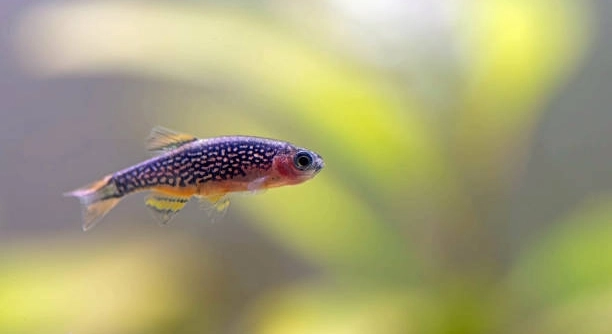
Do your danios dart around the tank, leaving you feeling like the aquarium is never calm? Hyperactive swimming is common in these lively fish, making it challenging to enjoy a peaceful, visually relaxing tank environment for both you and your fish.
Introducing specific tank sights can significantly reduce hyperactivity in danios. Items such as floating plants, gentle water currents, and strategically placed hiding spots provide stimulation and security, promoting calmer swimming patterns and a more balanced aquatic environment.
Adding thoughtful decorations and sights can transform your tank. These elements create harmony and visual interest while supporting your danios’ natural behaviors and well-being.
Floating Plants
Floating plants are excellent for calming hyperactive danios. They provide shaded areas and reduce the intensity of overhead lighting, which helps fish feel more secure. The gentle movement of leaves in the water creates a sense of natural habitat, mimicking conditions they would encounter in the wild. Danios often use these plants to rest or hide, reducing frantic swimming behaviors. Varieties such as duckweed, frogbit, and water lettuce are easy to maintain and do not require special lighting, making them practical for most tanks. These plants also help improve water quality by absorbing excess nutrients, which benefits all tank inhabitants. Their presence creates a layered environment that encourages fish to explore and interact calmly with their surroundings. Over time, incorporating floating plants can make your aquarium visually pleasing and more peaceful for both the fish and the keeper. The plants also break the line of sight, preventing constant chasing between danios.
Floating plants help reduce stress while creating a natural and secure environment for your fish.
Beyond simply providing shade, floating plants enhance oxygenation and nutrient absorption. They create microhabitats that allow danios to explore different water levels. Fish often hide beneath leaves or hover near roots, exhibiting calmer behavior. The interplay of light and shadow provides visual enrichment, reducing repetitive swimming. Plants also minimize reflections that can trigger chasing behavior, making the tank feel less exposed. Maintenance is straightforward, and their growth can be managed by occasional thinning. The presence of floating plants contributes to a balanced ecosystem, supporting beneficial bacteria and helping stabilize water parameters. Over time, tanks with these additions display less erratic movement and more natural schooling patterns. Regular observation of fish behavior will show improvements in activity levels and stress signs. By combining functionality and aesthetics, floating plants serve both the aquarium’s ecological health and the well-being of danios, creating a more harmonious aquatic environment.
Hiding Spots
Hiding spots give danios places to retreat, lowering stress and hyperactivity.
Rock formations, caves, and artificial ornaments provide secure spaces where fish can rest or feel protected. These areas break open swimming areas, encouraging more deliberate movement. Hiding spots reduce aggressive chasing and territorial conflicts, especially in smaller tanks. They also create visual interest and simulate a natural environment where danios would seek shelter from predators. Placement is key: corners and mid-level spaces work best to ensure accessibility and comfort. Multiple hiding spots prevent competition, allowing all fish to benefit. Materials should be smooth and free of sharp edges to avoid injury. Over time, fish learn to utilize these spaces, which leads to calmer schooling behavior and less erratic swimming. Hiding spots complement other tank elements like plants, forming a cohesive environment that reduces stress triggers. Their presence not only benefits fish behavior but also enhances the overall aesthetic of the aquarium. Proper arrangement encourages exploration while maintaining a sense of safety.
Gentle Water Currents
Gentle water currents keep danios active without overstimulation. They mimic natural streams, encouraging smooth swimming and reducing frantic bursts. Proper flow prevents stagnant areas, supporting healthy oxygenation while calming hyperactive fish. Positioning filters or air stones carefully creates consistent, mild currents throughout the tank.
Flow should be steady but not strong enough to exhaust fish. Currents encourage danios to swim in controlled patterns and allow them to rest in calmer areas. Alternating flow zones let fish choose activity levels, balancing exercise and relaxation. Mild currents also prevent debris buildup and support proper filtration. Observing fish behavior helps adjust flow strength for optimal calmness.
Controlled water movement enhances tank dynamics while promoting natural behavior. Currents reduce chasing tendencies and encourage schooling. Fish explore various depths safely, improving both physical fitness and mental stimulation. Mild, consistent water flow prevents stress-related issues, supporting long-term health. Careful placement of pumps and decorations ensures currents remain gentle, while the tank stays visually appealing. Over time, properly managed water currents contribute to a calmer, more harmonious aquarium where danios exhibit stable swimming patterns and less erratic behavior.
Background Decorations
Background decorations reduce visual stress for hyperactive danios by breaking the line of sight across the tank. A simple backdrop or rock arrangement helps them feel secure and less exposed.
Backgrounds add depth and visual structure, creating an environment where fish feel less open and vulnerable. A neutral or natural-colored backdrop works best, minimizing reflections and sudden movements that trigger frantic swimming. Adding layered elements like rocks, driftwood, or tall plants enhances security, offering visual barriers that reduce stress. This setup allows danios to establish a sense of territory without overcrowding, encouraging calmer social interactions and balanced schooling. Placement should leave open swimming areas while providing sufficient shelter options to prevent constant chasing. Background decorations also complement other tank elements, forming a cohesive and calming environment that benefits both fish behavior and tank aesthetics. Over time, fish adapt to these visual cues, showing reduced hyperactivity and more predictable movement patterns.
In addition to calming fish, background decorations contribute to overall tank health by providing surfaces for beneficial bacteria. They improve aesthetic appeal while supporting natural behaviors, like hiding and exploring. Layered arrangements create zones for different activity levels, giving danios control over their environment. Strategic decoration placement minimizes aggressive interactions and allows peaceful coexistence. The combination of visual and physical elements ensures that the tank feels secure, balanced, and engaging. Background enhancements work in tandem with plants, hiding spots, and water flow to produce a stable, tranquil habitat where danios exhibit more consistent, calm swimming patterns over time.
Floating Logs
Floating logs offer resting spots and partial cover for danios. They create a sense of security while allowing fish to swim beneath and around them, reducing constant high-speed movement.
Logs also add vertical interest, breaking open swimming space and promoting exploration. Fish can interact with these structures naturally, lowering stress and hyperactivity while enhancing tank aesthetics.
Soft Substrate
A soft substrate cushions the tank bottom, encouraging natural foraging behaviors and calmer swimming. Sand or fine gravel is ideal, as it prevents injury during quick movements and allows danios to dig gently.
Soft substrate reduces stress, supports healthy fins, and complements hiding spots and plants. Fish feel more comfortable navigating the tank, resulting in a balanced, peaceful environment where hyperactivity is minimized.
Driftwood Pieces
Driftwood provides shaded areas and complex surfaces for danios to explore. Its presence mimics natural habitats, creating calmer swimming patterns. Fish use driftwood for hiding, resting, and interacting, which reduces constant chasing.
Driftwood also contributes to water quality by releasing mild tannins that slightly soften water. Properly positioned pieces prevent overcrowding, maintaining open swimming zones while offering visual and physical enrichment for a more relaxed tank environment.
FAQ
How do I know if my danios are too hyperactive?
Hyperactive danios swim constantly, dart around the tank, and chase each other without pause. They may bump into tank decorations or glass more frequently than usual. Observing their behavior over several days can indicate whether the activity is natural energy or stress-related hyperactivity.
Can tank decorations really calm my fish?
Yes. Properly placed plants, hiding spots, driftwood, and floating logs provide security and reduce visual stress. These elements create zones for rest, exploration, and hiding, allowing danios to feel safe while encouraging more controlled swimming and calmer schooling behavior.
Are floating plants better than rooted plants for calming danios?
Floating plants offer shaded areas and gentle movement on the water surface, which reduces stress and mimics natural conditions. Rooted plants also help, but floating varieties give more immediate visual cover and allow fish to regulate exposure to light and activity.
How should I arrange hiding spots in the tank?
Distribute hiding spots evenly to prevent competition and overcrowding. Corners, mid-level areas, and near plants work best. Fish should be able to retreat without obstruction, ensuring they can rest or feel protected while still having open swimming areas.
Does water flow affect danio activity?
Yes, gentle water currents promote smooth swimming without overstimulation. Mild, consistent flow encourages exercise and natural movement patterns while reducing frantic bursts. Strong currents can exhaust fish and increase stress, so positioning filters or air stones carefully is essential.
Will driftwood impact water quality?
Driftwood can slightly lower pH by releasing mild tannins, softening the water. It also provides surfaces for beneficial bacteria to grow. Properly prepared driftwood should be soaked and rinsed before adding it to prevent water discoloration and maintain a healthy environment.
Do tank backgrounds make a difference for hyperactive fish?
Background decorations reduce reflections and visual stress, breaking the line of sight across the tank. They help fish feel secure and establish zones, reducing constant chasing. Neutral or natural-colored backgrounds work best to create a calm, structured environment.
How can I tell if my tank setup is working?
Observe fish behavior consistently. Calmer swimming, less frantic chasing, and use of hiding spots or shaded areas indicate success. Over time, you should notice more stable schooling patterns, reduced stress signs, and a balanced tank where all fish coexist peacefully.
Should I combine multiple calming methods?
Yes. Combining floating plants, hiding spots, driftwood, gentle currents, soft substrate, and background decorations creates a comprehensive environment. Each element supports different natural behaviors, and together they reduce stress, encourage exploration, and promote calmer, healthier activity patterns for danios.
How often should I adjust tank decorations?
Adjustments should be minimal and gradual. Sudden changes can stress fish. Observe their response before making further modifications. Rearranging occasionally can refresh the environment, but maintaining familiarity helps reduce hyperactive behaviors while keeping the tank visually engaging.
Can lighting influence danio activity?
Yes. Bright or harsh lighting can overstimulate danios, increasing speed and stress. Floating plants, dimmed lights, or light diffusers create softer illumination, making fish feel more secure. A consistent day-night cycle also helps regulate activity patterns naturally.
Are there other signs of stress I should watch for?
Look for fin clamping, erratic swimming, loss of appetite, or hiding excessively. These behaviors indicate discomfort or stress, and adjustments to tank environment, decorations, or water conditions may be necessary to maintain fish health and calm activity levels.
How long does it take for danios to calm down after changes?
Behavioral adjustments can take days to weeks. Fish need time to explore, adapt to new hiding spots, plants, or water currents. Patience is key, and gradual introduction of elements ensures lasting calmness and reduced hyperactivity.
Is tank size important for calming danios?
Yes, larger tanks provide more space to swim and explore while incorporating calming elements. Overcrowding increases stress, chasing, and frantic swimming. Providing adequate space alongside plants, hiding spots, and gentle currents ensures calmer, healthier fish behavior.
Can diet influence hyperactivity?
A balanced diet supports stable energy levels. Overfeeding or sudden dietary changes can increase activity or aggression. Consistent feeding schedules and high-quality food help maintain calmness and overall health, complementing environmental adjustments for reducing hyperactivity.
Should I monitor water parameters regularly?
Absolutely. Stable temperature, pH, ammonia, nitrite, and nitrate levels prevent stress that can exacerbate hyperactivity. Regular testing and maintenance, including partial water changes, ensure a healthy environment, allowing fish to thrive and remain calm in their surroundings.
Final Thoughts
Maintaining a calm and balanced environment for hyperactive danios requires attention to both their physical and psychological needs. Small changes in the tank setup can produce noticeable improvements in behavior, making the aquarium more enjoyable for both the fish and the keeper. Adding floating plants, hiding spots, driftwood, and soft substrate provides security and reduces constant high-speed swimming. Gentle water currents help fish move naturally without causing exhaustion, and proper background decorations break lines of sight, minimizing chasing and stress. Each element works together to create a harmonious habitat where danios feel safe and more in control of their surroundings. The presence of multiple zones in the tank, including shaded areas and open swimming spaces, encourages natural behavior patterns while calming overly energetic fish. By observing their reactions to these additions, owners can adjust placement or quantity to better suit the fish’s preferences, gradually improving the overall atmosphere in the aquarium.
It is important to remember that behavior changes in danios do not happen instantly. Patience is required as the fish adapt to new conditions. Over time, they learn to utilize hiding spots, floating plants, and shaded areas, which reduces frantic swimming and promotes calmer schooling behavior. Maintaining consistent feeding schedules, monitoring water parameters, and ensuring proper tank size also play a critical role in long-term stability. When the tank environment is balanced, hyperactivity diminishes, and fish exhibit healthier swimming patterns. Observing danios regularly provides valuable feedback on how well the environment meets their needs, allowing for minor adjustments before stress-related behaviors become problematic. Small, consistent improvements in tank conditions can lead to long-lasting effects on fish well-being, highlighting the importance of a thoughtful and responsive approach to aquarium care.
Ultimately, the goal is to create a peaceful, visually pleasing, and functional tank that supports both the physical and mental health of hyperactive danios. Properly integrating decorations, plant life, soft substrate, and water flow ensures that the fish feel secure, reducing constant chasing and erratic swimming. These adjustments also enhance the aesthetic appeal of the tank, making it more enjoyable to watch and maintain. By focusing on a combination of environmental enrichment, habitat structure, and careful observation, owners can provide a space where danios thrive. With time, the aquarium becomes calmer, more structured, and better suited to the natural behaviors of the fish. Consistency, observation, and gradual improvements form the foundation for achieving a well-balanced habitat where hyperactive danios can coexist peacefully and display healthy, controlled activity.

Hello,
If you enjoy the content that we create, please consider saying a "Thank You!" by leaving a tip.
Every little bit helps us continue crafting quality advice that supports the health, happiness, and well-being of pets around the world, for pets of all shapes, sizes, and species.
We really appreciate the kindness and support that you show us!