
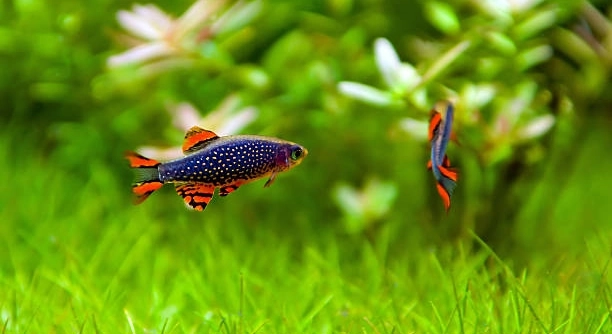
Have you ever enjoyed watching Celestial Pearl Danios gracefully swim in an aquarium? Their tiny, sparkling bodies make them a charming addition to any tank. Observing them often brings a sense of calm and delight.
Celestial Pearl Danios are social fish that thrive best in groups. Keeping at least six together reduces stress, encourages natural behaviors, and helps maintain a healthy, balanced aquarium environment for these small, delicate species.
Learning the ideal number of fish and their social needs ensures a happier tank. This knowledge will guide you in creating a harmonious environment for your danios.
Why Celestial Pearl Danios Prefer Company
Celestial Pearl Danios are naturally social. In the wild, they gather in small schools, which helps them feel secure and reduces stress. When kept alone, these fish can become shy, hide frequently, and may show signs of poor health. Observing a small group swim together is much more engaging than watching a single fish, as they display natural behaviors like darting, exploring, and chasing each other. A group environment also stimulates them mentally, keeping them active and alert. Providing hiding spots and plants in the tank further supports their social needs. Maintaining a proper group size improves their overall health, coloration, and longevity. For someone setting up a tank, understanding this behavior is essential. Even in smaller tanks, a minimum of six danios allows them to feel part of a cohesive group, promoting natural interactions. Stress-free fish are less prone to disease and more visually vibrant.
Keeping multiple danios together enhances their confidence and encourages normal swimming patterns, reducing fear and stress in the aquarium.
A tank with several danios is livelier and easier to enjoy. Watching them interact naturally creates a dynamic scene, making your aquarium more captivating and rewarding.
How Many Celestial Pearl Danios Should You Keep
A small school of at least six danios is recommended. This number ensures social interaction and reduces aggressive or fearful behavior.
Keeping fewer than six can lead to loneliness and stress, as the fish lack enough companions to feel secure. A larger group, around ten, is often ideal, especially in medium-sized tanks. Too many may overcrowd the space, causing tension and competition for resources. Balancing the number with tank size, decorations, and filtration is crucial. Observing their behavior can guide adjustments; shy fish hiding often signal a group too small or tank too bare. Providing plants, rocks, and open swimming areas helps maintain harmony. Regularly monitoring water quality is essential, as a larger group produces more waste, which can impact health. Ultimately, a properly sized group of Celestial Pearl Danios will show bright colors, active swimming, and natural schooling behavior, giving both the fish and observer a more enjoyable experience in the aquarium.
Signs Your Danios Are Lonely
Lonely Celestial Pearl Danios often hide, swim less, or appear skittish. Their colors may fade, and they can seem listless compared to active, social groups.
When kept alone or in very small numbers, danios may spend most of their time in corners or behind decorations. They might avoid open swimming areas and show little interest in food. Over time, stress from isolation can weaken their immune systems, making them more prone to illness. Watching how they interact—or fail to interact—can help determine if your fish need companions. Proper socialization improves their activity, behavior, and overall well-being.
Lonely danios also show reduced schooling behavior, which is a natural instinct. Without companions, they cannot coordinate movements or display playful chasing patterns. They may startle easily at sudden movements or disturbances, unlike those in a group. Addressing social needs early helps prevent long-term health and behavioral issues, ensuring a healthier tank environment and more vibrant, active fish.
Creating a Comfortable Tank Environment
A balanced tank setup combines plants, hiding spots, and open swimming areas. This supports both social and solitary behaviors.
Dense planting and small caves provide security for shy fish, while open spaces allow groups to swim together freely. Decorations should be arranged to prevent overcrowding, letting danios explore without constant confrontation. Water quality must be stable, as fluctuations stress fish and reduce their willingness to interact. Maintaining proper temperature, filtration, and regular water changes helps keep the environment healthy. Observing how danios use these spaces can indicate whether the tank meets their needs. Proper setup encourages schooling and natural activity, enhancing both fish health and visual appeal.
A comfortable environment promotes social cohesion and reduces conflict within groups. Fish feel safer and show natural behaviors, including darting, chasing, and exploring. Avoid over-decorating, as excessive barriers can hinder movement and prevent effective schooling. Monitor behavior to adjust decorations, ensuring each fish has enough space and hiding options. This balance supports mental stimulation and physical activity, reducing stress and improving overall health. By carefully arranging the tank, you create conditions where danios thrive socially and individually, leading to vibrant, active fish that are a joy to observe.
Ideal Tank Size for Multiple Danios
A tank of at least 20 gallons is recommended for a small group of six to ten Celestial Pearl Danios. This provides enough swimming space and reduces stress from overcrowding.
Proper filtration and water movement are essential. A slightly planted tank with open swimming areas allows danios to school naturally without feeling confined.
Feeding Habits and Social Interaction
Celestial Pearl Danios thrive on small, frequent feedings. They eat flakes, micro pellets, and live or frozen foods. Feeding together encourages schooling behavior and keeps them active. In smaller groups, feeding time can become stressful if one fish dominates. Observing their eating patterns helps ensure all receive adequate nutrition.
Monitoring Health in Groups
Regular observation is key. Healthy danios are active, brightly colored, and responsive. Monitoring behavior and physical appearance can prevent problems before they escalate.
FAQ
How many Celestial Pearl Danios should I keep together?
A minimum of six is recommended to maintain natural social behavior. Smaller groups can become shy or stressed, while larger groups, around ten, encourage active schooling. Always consider tank size and decorations when planning the group to prevent overcrowding and aggression.
Can Celestial Pearl Danios live alone?
They can survive alone, but it is not ideal. Solitary danios often become stressed, hide frequently, and lose their vibrant colors. Keeping at least six together promotes natural behavior, improves activity, and supports overall health. Loneliness can lead to a weakened immune system and increased susceptibility to disease.
What tank size is best for a group of danios?
For a small school of six to ten, a 20-gallon tank is sufficient. Larger groups may require 30 gallons or more to allow enough swimming space and reduce territorial stress. Open swimming areas and scattered decorations help maintain harmony.
Do danios need hiding spots in the tank?
Yes, hiding spots are important even for social fish. Plants, small caves, and decorations offer security for shy individuals and reduce stress during aggressive encounters. Proper placement prevents overcrowding while allowing schooling behavior to continue freely in open areas.
What should I feed my Celestial Pearl Danios?
They thrive on a varied diet including flakes, micro pellets, live, or frozen foods. Small, frequent feedings encourage activity and reduce competition. Watch that all fish get food, especially in smaller groups, to avoid dominance by a more aggressive individual.
How can I tell if my danios are stressed?
Signs include hiding constantly, loss of color, reduced activity, or erratic swimming. Stress may result from small group size, poor water quality, overcrowding, or improper temperature. Observing behavior daily helps detect issues early before health problems develop.
Can danios be kept with other fish?
Yes, they are generally peaceful and can be kept with small, non-aggressive species. Avoid larger, predatory fish. Tank mates should tolerate similar water conditions and provide a calm environment, allowing danios to swim actively and display normal schooling behavior.
How often should I check water quality?
Regular monitoring is crucial. Weekly testing for ammonia, nitrite, nitrate, and pH levels helps maintain a stable environment. Frequent water changes prevent buildup of waste and toxins, supporting the health and activity of all fish in the tank.
Do danios show natural schooling behavior immediately?
It may take time for a new group to adjust. Initially, they may scatter or hide but gradually form cohesive schools as they become comfortable. Adequate space, hiding spots, and a stable environment encourage natural swimming patterns over time.
What is the ideal temperature for Celestial Pearl Danios?
They prefer temperatures between 74°F and 79°F. Stable temperatures reduce stress and support active behavior. Avoid sudden changes, as fluctuations can weaken the immune system and make the fish more vulnerable to disease.
How do I prevent aggression in a group?
Maintaining an appropriate group size, providing open swimming areas, and adding plants or decorations to break lines of sight can reduce conflicts. Overcrowding often causes chasing or hiding, while properly spaced tanks support harmonious social interactions.
Do Celestial Pearl Danios get lonely at night?
At night, they typically rest or stay hidden. Loneliness is more of an issue during active hours when social interactions are expected. Keeping a proper group ensures they feel secure even during rest periods.
How long do Celestial Pearl Danios live?
With proper care, they can live around three to five years. Adequate social groups, stable water conditions, and a balanced diet all contribute to longevity and overall well-being.
Can a single danio be added to an established group?
Introducing a new fish requires care. Acclimate the newcomer slowly and monitor interactions. Gradually adding one or two at a time is safer than adding many at once, helping prevent stress and territorial disputes within the existing group.
How do I know if my tank is too small?
Signs include constant chasing, hiding, faded colors, and erratic swimming. A tank that is too small limits schooling behavior and increases stress. Adjusting the number of fish or upgrading the tank size is necessary for their comfort and health.
Is it okay to keep more than ten danios?
Yes, but only if the tank is large enough to provide space and proper filtration. Overcrowding can lead to stress, disease, and poor water quality. A balanced group in a sufficiently sized tank promotes active schooling and vibrant colors.
Can danios survive in slightly cooler water?
They tolerate a narrow range below their ideal temperature, but prolonged exposure can slow metabolism and increase susceptibility to illness. Maintaining consistent, moderate temperatures is better for health and activity.
Do danios interact with humans?
While not overly affectionate, they recognize movement and may respond to feeding. Observing their activity is enjoyable, and consistent care helps them feel secure and confident in the aquarium.
How important is tank decoration for social behavior?
Decorations help reduce stress, create visual boundaries, and support natural interactions. A mix of hiding spots and open swimming areas allows fish to engage socially while retreating when needed, fostering a balanced, healthy environment for all group members.
What are the common mistakes to avoid with danios?
Understocking, poor water quality, inconsistent feeding, and inadequate hiding spaces are frequent issues. Avoid sudden temperature changes and aggressive tank mates. Proper planning, monitoring, and providing a balanced environment prevent stress and promote long-term health.
How often should I observe my danios?
Daily observation is recommended. Checking for color, activity, and schooling patterns allows early detection of stress, disease, or social issues. Consistent attention helps maintain a healthy, active group and ensures the aquarium remains a harmonious environment.
Can Celestial Pearl Danios breed in a community tank?
They can, but breeding is more successful in dedicated setups. Males display brighter colors during spawning, and eggs can be eaten by other fish. Separating fry increases survival rates and prevents disruption to the main tank’s social balance.
What signs show a healthy, happy group?
Active schooling, bright coloration, minimal hiding, and cooperative feeding indicate well-adjusted fish. A harmonious group moves fluidly through open areas while occasionally using hiding spots, demonstrating balance and comfort in their environment.
How do I handle illness in a group?
Isolate sick fish immediately to prevent spread. Maintain clean water, monitor all members, and treat according to the specific illness. Early intervention supports recovery and minimizes disruption to the social group.
Are danios sensitive to sudden changes?
Yes, they respond poorly to abrupt water temperature, pH, or environment changes. Gradual adjustments and stable conditions are essential to reduce stress, maintain social behavior, and prevent health issues.
Can I keep danios in a planted tank?
Absolutely. Plants provide shelter and natural boundaries, enhancing security and social interaction. Live plants also improve water quality, supply oxygen, and create a stimulating environment for active, schooling behavior.
Do danios require constant attention?
Regular care is needed, but they do not demand constant interaction. Feeding, water maintenance, and observation are sufficient. Properly maintained tanks allow the fish to thrive without daily handling.
How can I encourage schooling behavior?
Maintain at least six individuals, provide open swimming space, and ensure stable, stress-free conditions. Hiding spots should not obstruct swimming paths, allowing natural coordination and group movement to develop naturally over time.
Are danios aggressive toward each other?
They are generally peaceful. Minor chasing can occur, especially among males, but aggression is usually low in properly sized groups with adequate space. Monitoring behavior ensures harmony and prevents escalation.
Do danios recognize each other?
While not in a complex way, they do form loose social bonds and coordinate movement. Fish in a stable group display more synchronized swimming patterns and respond better to each other’s presence, improving overall schooling behavior.
What is the best way to introduce new danios?
Acclimate slowly by floating the bag, gradually adding tank water, and monitoring interactions for several days. This reduces stress and allows smooth integration into the existing group without conflict or disruption.
Can danios live with shrimp or snails?
Yes, they generally coexist peacefully. Small invertebrates are safe tank mates as long as they are not small enough to be eaten. This adds variety to the tank without disrupting social dynamics.
How do I maintain vibrant colors in a group?
Proper nutrition, stable water parameters, and social security all contribute. Stress, isolation, or poor diet dulls coloration. A balanced group and healthy environment help fish display their natural, bright patterns consistently.
What are the signs of a well-established social group?
Smooth schooling, minimal hiding, cooperative feeding, and active exploration indicate stability. Fish are confident, maintain bright coloration, and move naturally together, reflecting comfort and security in their shared space.
How do seasonal changes affect danios?
Slight temperature fluctuations are tolerated but sudden changes can cause stress. Consistent lighting, feeding, and stable water conditions help maintain normal activity and social behavior throughout the year.
Can danios thrive in a community tank long-term?
Yes, with careful planning. Appropriate group size, compatible tank mates, stable water parameters, and proper diet allow them to live long, healthy lives while maintaining natural behavior patterns. Observing and adjusting care as needed ensures long-term success.
Are danios easy to care for?
They are relatively low-maintenance but require attention to water quality, social needs, and diet. Following these basics ensures active, healthy fish that display natural behavior, vibrant colors, and peaceful interactions in a well-maintained tank.
How often should I add plants or decorations?
Only as needed for balance. Too many additions can limit swimming space, while too few reduce security. A mix of open areas and hiding spots encourages social behavior and reduces stress in the group.
What is the recommended lighting for a danio tank?
Moderate lighting supports plant growth and highlights coloration. Avoid overly bright or direct light, which can stress fish. A consistent day-night cycle helps regulate activity, feeding, and social behavior naturally.
Do danios need a lid on the tank?
Yes, they are active jumpers. A secure lid prevents escape and protects them from external disturbances, maintaining safety and reducing stress.
Can I change tank decorations frequently?
Frequent changes can stress fish. Alter decorations gradually, ensuring swimming paths and hiding spots remain consistent. Stability helps maintain schooling behavior, comfort, and overall health.
Is water hardness important for danios?
They tolerate moderate hardness, but extremes can stress fish. Maintaining balanced parameters supports immune function, coloration, and normal social interaction within the group.
How long does it take for a new group to settle?
Adjustment can take several days to weeks. Providing adequate space, hiding spots, and stable conditions allows fish to form natural social patterns and develop cohesive schooling behavior.
Do danios respond to tank cleaning routines?
They may become cautious or hide during maintenance. Performing routine tasks calmly and avoiding sudden disturbances minimizes stress and preserves natural social behavior.
Can danios live in cold-water tanks?
They tolerate slightly cooler temperatures but thrive best in 74°F–79°F. Extended exposure to cold reduces activity, feeding efficiency, and immune response, which can impact overall group health.
What is the role of tank mates in danio happiness?
Compatible, non-aggressive species enhance security and reduce boredom. Incompatible fish may stress danios, disrupt schooling, and negatively affect social dynamics, so careful selection is essential.
Do danios prefer calm or strong water flow?
Moderate flow simulates natural streams, supporting exercise and schooling. Too strong a current can exhaust small fish, while stagnant water reduces activity and may increase stress.
How important is filtration for a danio tank?
Filtration maintains water quality and oxygen levels, preventing disease and stress. Proper circulation supports a healthy environment, ensuring active, brightly colored fish that interact normally within the group.
Can danios be left alone for a few days?
With automatic feeders and stable water conditions, short absences are manageable. However, extended neglect can impact feeding, water quality, and social health, so planning ahead is important.
Are danios sensitive to loud noises or vibrations?
They respond to sudden disturbances with stress or hiding. Keeping tanks in stable, low-vibration areas supports calm behavior and preserves normal social interactions.
Do danios recognize feeding routines?
Yes, they quickly learn patterns and become more active during feeding times. Regular schedules help maintain alertness and encourage group interaction.
Can danios adapt to new tank layouts?
Gradual changes allow adjustment, but sudden rearrangements may cause stress. Maintaining a balance between hiding spots and open areas supports continued schooling and normal activity.
How can I encourage healthy growth in a group?
Adequate nutrition, clean water, proper group size, and a balanced environment promote growth. Observing interactions and adjusting as needed ensures all fish develop fully without stress or competition.
Do danios require supplements or vitamins?
A varied diet usually provides necessary nutrients. Occasional supplementation can enhance coloration and immune health, especially if natural foods are limited.
How do I handle a dominant fish in a small group?
Adding hiding spots, rearranging decorations, or increasing group size can reduce dominance. Observing interactions and adjusting the environment prevents stress or injury to less assertive fish.
What is the best way to transport danios?
Use a bag with water from their tank, maintain moderate temperature, and avoid sudden movements. Gentle handling minimizes stress and preserves social behavior during relocation.
Can danios recognize changes in tank mates?
They notice new or removed individuals, which can temporarily alter social dynamics. Providing gradual introductions helps maintain stability and reduces stress on the group.
Do danios sleep?
Yes, they rest at night or in low-light conditions. Sleep is important for recovery, and proper tank conditions ensure they can rest safely without stress or disturbance.
Are danios sensitive to light cycles?
Consistent day-night cycles regulate feeding, activity, and rest. Sudden changes can stress fish, affecting social behavior and overall health. Stable lighting promotes natural rhythms and comfortable group dynamics.
Can danios survive in brackish water?
No, they are freshwater fish. Exposure to brackish conditions can cause stress, health problems, and ultimately reduce survival rates. Freshwater with stable parameters is essential for their well-being.
How often should I clean the substrate?
Partial cleaning during water changes is sufficient. Over-cleaning can disturb beneficial bacteria, while neglect leads to waste buildup. Maintaining cleanliness supports water quality and reduces stress.
Do danios prefer certain water pH?
A neutral to slightly soft pH (6.5–7.5) is ideal. Stable pH reduces stress, supports immune function, and allows natural behavior and schooling to continue uninterrupted.
Can danios recognize individual humans?
They respond to movement and feeding patterns but do not form complex recognition. Regular care and consistent routines help them feel secure and encourage normal activity.
How long does acclimation take for new fish?
Acclimation typically takes 1–2 hours. Gradually mixing tank water into the transport water allows adjustment to temperature and chemistry, reducing stress and supporting healthy integration.
Do danios respond to reflection or mirrors?
They may react to reflections but do not perceive them as other fish. Reactions are generally mild and short-lived, with minimal impact on social dynamics within a group.
Are danios suitable for beginner aquariums?
Yes, they are hardy, peaceful, and adaptable. Attention to water quality, social needs, and diet ensures a thriving, active group with minimal complications for new caretakers.
Can danios live in a nano tank?
Small tanks can house a few danios, but space limits schooling and may increase stress. Adequate swimming room and stable water parameters are critical for their health and activity.
How do I prevent disease in a group?
Maintain water quality, avoid overcrowding, provide balanced nutrition, and quarantine new fish. Early observation and treatment help preserve the health of the entire group.
Do danios need air pumps?
Not strictly, but proper oxygenation through filtration or aeration supports active schooling, respiration, and overall health, particularly in densely planted or heavily stocked tanks.
Can danios tolerate fluctuations in light intensity?
Gradual changes are acceptable, but sudden shifts may stress fish. Consistent lighting supports feeding, activity, and natural behavior.
Are danios compatible with bettas?
Compatibility varies. Bettas can be aggressive toward small, active fish. Observe closely, and provide ample space and hiding spots to reduce conflict if housing together.
Do danios require special water additives?
Generally no, if water parameters are stable. Occasionally, supplements for immune support or mineral balance may benefit health and coloration.
How do I know if my danios are thriving?
Active swimming, schooling, bright colors, and responsive behavior indicate a healthy group. Observing patterns over time ensures that social and environmental needs are met consistently.
What is the lifespan of danios in captivity?
With proper care, they live around three to five years. Social environment, diet, water quality, and tank stability all influence longevity.
Can danios coexist with goldfish?
Goldfish may outcompete them for food or disturb them due to size and activity. Careful monitoring and sufficient space are necessary for peaceful coexistence.
Do danios need frequent water changes?
Yes, weekly or bi-weekly partial changes maintain water quality, reduce stress, and support health. Consistent maintenance is key to thriving fish.
How do I recognize a new group member?
Changes in schooling patterns, temporary hiding, or curiosity indicate adjustment. Gradual introductions and monitoring prevent stress and maintain group cohesion.
Can danios handle mild current changes?
Moderate changes are acceptable, as they mimic natural stream environments. Strong currents may exhaust small fish, while stagnant water reduces activity and social behavior.
Do danios require special lighting for plants?
Not for survival, but moderate lighting promotes plant growth, creating a healthier, more natural environment. Plants improve water quality and offer security, supporting normal social interaction.
Are danios prone to jumping out of the tank?
Yes, they are active jumpers. A secure lid prevents escape, protects from disturbances, and maintains a safe environment for the group.
Can danios recognize seasonal changes?
They respond to temperature and light shifts subtly but do not track seasons consciously. Stable conditions help maintain consistent behavior and health.
Do danios need regular social interaction to stay healthy?
Yes, proper group size supports mental stimulation, natural schooling, and stress reduction. Social interaction contributes to overall health and prevents loneliness-related issues.
How do I handle a sick fish in a large group?
Quarantine the sick individual, maintain clean water, and treat appropriately
Celestial Pearl Danios are small, peaceful fish that benefit greatly from being kept in proper social groups. They are naturally schooling fish, which means they feel more secure and display healthier behavior when kept with others of their kind. Keeping at least six in a tank is ideal, as smaller numbers often lead to stress, hiding, and reduced activity. A well-sized group encourages active swimming, playful chasing, and natural interaction. When danios are alone or in very small numbers, they may lose their vibrant coloration, become shy, and even develop health issues over time. Observing a full group moving together through open swimming spaces can be much more rewarding than watching a single fish, as it shows their natural personality and energy. Social interaction is not just a luxury for these fish; it is a critical aspect of their well-being.
The environment in which danios are kept plays a major role in their overall health and happiness. Tanks should be large enough to allow free movement and prevent overcrowding. Decorations and plants help provide hiding spots, reduce stress, and allow shy individuals to feel secure. At the same time, open swimming areas are essential for the group to school effectively. Filtration and water quality maintenance are equally important, as danios are sensitive to poor conditions. Stable temperature, proper pH, and regular water changes keep the fish healthy and active. Feeding routines also influence their social behavior, as small, frequent meals encourage participation and prevent competition. Providing a balanced diet of flakes, micro pellets, and occasional live or frozen foods ensures proper growth, vibrant colors, and strong immune systems. A well-maintained environment promotes both physical and mental well-being, helping danios thrive in a home aquarium.
Paying attention to group size, tank setup, and daily care ensures that Celestial Pearl Danios live a healthy, fulfilling life. Regular observation of behavior, activity, and color allows caretakers to notice early signs of stress or illness, making it easier to intervene before problems escalate. Introducing new fish should be done gradually, and attention should be given to compatibility with tank mates to avoid conflicts. Over time, a balanced social group in a stable, stimulating environment will display natural schooling behavior, coordinated swimming, and bright, lively colors. These fish are relatively low-maintenance, but they rely on consistent care and attention to thrive. By understanding their social needs and providing an environment that supports both group interaction and individual security, caretakers can enjoy an engaging, active aquarium while ensuring the long-term health and happiness of their Celestial Pearl Danios.

Hello,
If you enjoy the content that we create, please consider saying a "Thank You!" by leaving a tip.
Every little bit helps us continue crafting quality advice that supports the health, happiness, and well-being of pets around the world, for pets of all shapes, sizes, and species.
We really appreciate the kindness and support that you show us!