
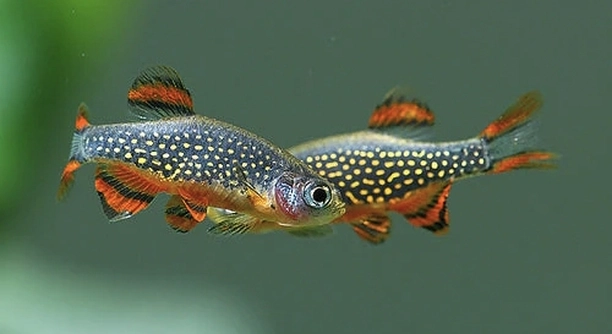
Do you ever notice your danios pausing mid-swim and wonder why they stop moving so suddenly in the water? Observing these small fish can be intriguing, especially when their behavior seems unusual or unpredictable at times.
Danios pause mid-swim for several reasons, including rest, exploration of their environment, reaction to stress, social interaction, temperature changes, water quality, or potential health issues. These pauses are natural behaviors often linked to adaptation and survival mechanisms.
Understanding why these pauses occur can help ensure your danios remain healthy and active in their aquatic environment. Knowing the reasons behind these behaviors provides valuable insights into proper care.
Resting and Conserving Energy
Danios, like many small fish, need moments of rest during their daily activity. Pausing mid-swim allows them to conserve energy, especially after periods of rapid movement or chasing other fish. These short breaks are normal and help maintain their overall health. Observing a danio pause near plants or the bottom of the tank often indicates it is simply resting. Unlike some larger species, danios do not have a fixed sleep cycle, so their rest can appear intermittent. While stationary, they may gently move their fins to stay balanced without expending much energy. It is important to provide an environment with enough hiding spots, plants, or decorations so they can rest safely. A well-oxygenated and clean tank enhances their comfort during these pauses. Watching these moments can give insight into their energy levels and general well-being, as prolonged inactivity could signal stress or illness.
Pausing for rest is normal and does not usually indicate a problem. Most danios return to active swimming quickly.
Providing adequate space, gentle water flow, and areas to hide ensures danios can rest without stress. Observing their behavior over time helps identify normal patterns, such as short pauses after activity or during feeding breaks. Sudden or prolonged stillness may require checking water quality, temperature, or social dynamics in the tank. Resting pauses are part of their natural routine, supporting energy management and overall health. A calm environment encourages natural behavior and reduces the risk of stress-related issues.
Responding to Environmental Changes
Danios often pause when sensing changes in their environment, including temperature fluctuations, new tank mates, or altered water conditions. These pauses allow them to assess their surroundings before continuing activity.
Temperature shifts can make danios slower or hesitant, affecting swimming patterns. Rapid changes in water chemistry, such as pH or hardness, can trigger similar behavior. Introducing new decorations or rearranging plants may cause them to stop and explore cautiously. Even small disturbances outside the tank, like vibrations or sudden movements, can lead to brief pauses. This adaptive behavior is important for their safety and comfort.
Monitoring environmental stability is key to maintaining healthy danios. Sudden or frequent pauses may indicate that water parameters need adjustment or that the fish are experiencing stress from new tank mates. Ensuring consistent temperature, proper filtration, and minimal sudden disturbances allows danios to swim freely and reduces unnecessary pauses. Tank decorations and hiding spots give them control over their environment, making them feel secure. Regularly testing water quality and observing interactions helps maintain optimal conditions. By respecting these needs, danios display more natural, confident swimming behaviors while minimizing stress-related pauses.
Social Interaction and Hierarchy
Danios often pause to interact with other fish or establish social hierarchy. These brief stops help them communicate, observe, and respond to tank mates without rushing.
Pausing can indicate dominance or submission among danios. When multiple fish are present, one may stop to assess movements of others before joining in swimming patterns. These pauses help maintain group cohesion and reduce conflicts. Social behavior includes following, mirroring, or gently nudging one another. Observing these interactions reveals how danios negotiate space and hierarchy within the tank. Such behavior is natural and indicates a balanced social environment.
These pauses also allow danios to synchronize with the group. By stopping momentarily, a fish can react to sudden movements or changes in direction of others. This reduces collisions and helps the school move as a coordinated unit. Providing enough space and multiple hiding spots prevents stress, giving each fish room to establish its social position without feeling threatened. Over time, these short pauses demonstrate how danios manage relationships and maintain group harmony naturally.
Reaction to Stress and Threats
Danios may freeze mid-swim when sensing stress or perceived threats in their environment. This behavior is a survival instinct, allowing them to assess danger quickly and decide on a response.
Stress triggers include sudden movements outside the tank, loud noises, or aggressive tank mates. A fish may stop moving to avoid drawing attention or to gauge the safety of its surroundings. This temporary pause is protective rather than harmful, helping the fish decide whether to hide, swim away, or return to normal activity.
Repeated exposure to stressful conditions can affect overall health, so it is important to monitor their behavior. Providing stable water parameters, gentle filtration, and a calm environment minimizes these pauses caused by stress. Avoid overcrowding the tank, as high density can increase aggression and anxiety among danios. Hiding spots, plants, and decorations reduce stress by giving them a sense of security. Observing these moments carefully helps identify potential triggers and allows adjustments to maintain a healthy and balanced habitat for the fish.
Temperature Sensitivity
Danios may pause mid-swim when water temperature changes. Even small fluctuations can make them slow down or stop to adjust.
Cold water slows metabolism, causing temporary stillness. Warm water may increase activity, but sudden shifts can trigger hesitation as the fish acclimate.
Water Quality Awareness
Poor water quality, including high ammonia or nitrite levels, can cause danios to pause frequently. They often stop to assess unsafe conditions before continuing normal swimming. Proper filtration and regular water testing help maintain safe levels, reducing stress and abnormal pauses.
Health-Related Pauses
Illness or injury can cause a danio to pause unexpectedly. Lethargy, fin damage, or swelling may signal underlying health issues, requiring attention and care.
FAQ
Why do my danios stop swimming and hover in one spot?
Danios often pause to rest or conserve energy. Small fish like them need short breaks, especially after rapid swimming or chasing other tank mates. Hovering in one spot near plants or decorations is normal and usually does not indicate a problem. It is part of their natural behavior to maintain energy.
Is it normal for danios to freeze when new fish are added?
Yes, this is a common response. Pausing helps them assess potential threats from new tank mates. Danios may freeze briefly to observe behavior, establish social hierarchy, or find safe hiding spots. With time, they usually resume normal swimming once they feel comfortable.
Can temperature changes cause mid-swim pauses?
Absolutely. Sudden temperature shifts can affect metabolism, making danios slower or hesitant. Cold water slows activity, while warmer water increases movement but may still cause brief pauses until they adjust. Maintaining a stable tank temperature reduces unnecessary stopping.
Why does my danio stop near the tank bottom or corners?
Danios often pause near the bottom or corners to rest or feel safe. These areas provide a sense of security. Hiding spots like plants and decorations encourage natural behavior and prevent stress. Consistent monitoring ensures these pauses are normal, not stress-related.
Could water quality affect their swimming patterns?
Yes, poor water quality often leads to pauses. High ammonia, nitrite, or low oxygen levels make fish cautious. They may stop swimming to avoid danger or assess the environment. Regular water testing, cleaning, and proper filtration help maintain safe conditions and reduce abnormal pauses.
Do pauses indicate health problems?
Sometimes. If a danio pauses excessively, appears lethargic, or shows fin damage, swelling, or unusual behavior, it may indicate illness or injury. Prompt attention, including checking water parameters and isolating affected fish, is essential to prevent worsening conditions.
Why do danios pause when swimming with other fish?
Pausing is part of social interaction and hierarchy establishment. Fish stop to observe or synchronize with others, reducing conflict and coordinating movements. Adequate tank space and hiding spots allow natural social behavior without stress. These pauses support group cohesion.
Are pauses influenced by external disturbances?
Yes. Loud noises, vibrations, or sudden movement near the tank can trigger brief freezing. This is a survival instinct, allowing danios to assess potential threats before resuming swimming. Reducing external disturbances helps fish remain calm and active.
Do all danios exhibit the same pausing behavior?
Not always. Individual temperament, age, and health influence how often a danio pauses. Some are naturally more cautious or less active, while others swim more continuously. Observing each fish over time helps identify normal patterns.
How can I reduce unnecessary pauses in my danios?
Ensure stable water parameters, proper temperature, gentle filtration, and sufficient hiding spots. Avoid overcrowding and sudden environmental changes. Regular observation helps catch stress or health issues early, allowing interventions to maintain active, healthy swimming behavior.
Can pauses be beneficial for danios?
Yes, pauses allow rest, energy conservation, and safe observation of surroundings. They are part of natural behavior that helps fish adapt to their environment, interact socially, and avoid threats effectively. Proper care supports these healthy pauses without compromising activity levels.
What should I do if pauses seem abnormal?
Check water quality, temperature, and tank conditions. Observe for signs of illness like fin damage, lethargy, or swelling. Isolate affected fish if necessary and consult guidance for treatment. Addressing environmental or health issues promptly ensures normal swimming resumes.
Do pauses indicate feeding issues?
Occasionally. If danios stop near food or during feeding times, it may indicate stress, water quality problems, or health concerns. Ensuring proper diet, feeding schedule, and clean water encourages normal swimming and active feeding behavior.
How long are normal pauses for danios?
Normal pauses usually last a few seconds to a minute. Longer or repeated stillness could indicate stress, environmental issues, or illness. Observing patterns helps distinguish healthy behavior from potential problems.
Can pauses affect breeding behavior?
Yes, prolonged stress or poor environmental conditions can impact reproductive activity. Normal short pauses support energy conservation, but excessive stopping may reduce activity levels necessary for courtship or spawning. Maintaining optimal conditions encourages healthy behavior.
Are pauses more common in young or older danios?
Young fish may pause more as they explore and adjust to their environment, while older fish might pause to conserve energy. Age, health, and temperament all influence how often and how long a danio stops mid-swim.
Do tank size and setup influence pauses?
Definitely. Overcrowded tanks or lack of hiding spots increase stress, leading to more frequent pauses. Proper tank size, decorations, and plants allow fish to move freely, establish territories, and pause naturally without fear.
Can pauses indicate boredom or lack of stimulation?
Possibly. Fish in small or sparse tanks may stop due to lack of activity or stimulation. Providing varied structures, plants, and gentle current encourages movement and reduces unnecessary pausing.
Should I worry if only one danio pauses frequently?
It depends. Individual differences exist, but frequent pausing accompanied by lethargy, fin issues, or isolation may indicate a health problem. Monitoring closely and checking water parameters ensures the fish remains healthy.
Do pauses affect social dynamics in a group?
Yes, pauses help fish synchronize with others and establish hierarchy. Proper spacing and hiding areas prevent conflicts while allowing natural pauses that support group cohesion and coordinated swimming.
How do I distinguish between normal and concerning pauses?
Normal pauses are brief, intermittent, and often linked to rest, observation, or environmental changes. Concerning pauses are prolonged, repetitive, or accompanied by signs of illness, fin damage, or unusual behavior. Consistent observation and water testing help identify the difference.
Can feeding patterns change pause behavior?
Yes. Active feeding encourages movement, while hesitation near food may indicate stress, water quality issues, or social pressure. Observing feeding behavior alongside swimming patterns helps assess overall health and comfort.
Do pauses occur more in certain times of the day?
Danios may pause more during resting periods or after bursts of activity. Unlike strict sleepers, they have intermittent rest throughout the day. These pauses are natural and vary between individuals and environmental conditions.
How important is observation for understanding pauses?
Careful observation is key. Monitoring pauses, duration, and patterns helps identify normal behavior versus stress, health issues, or environmental problems. Keeping notes over time provides insight into individual and group behavior for better care decisions.
Can pauses be reduced without compromising health?
Yes, by providing optimal water conditions, stable temperature, sufficient space, and hiding spots. Minimizing stressors and maintaining regular feeding routines supports healthy swimming while allowing natural resting pauses.
Do pauses have a survival purpose?
Absolutely. Pausing mid-swim allows danios to assess potential threats, conserve energy, and maintain group coordination. These behaviors are adaptive strategies that enhance safety and overall fitness in their environment.
Are pauses more frequent in new tank setups?
Yes. New or recently rearranged tanks often cause temporary pauses as danios explore and adjust. With consistent conditions and familiar surroundings, pauses generally return to normal patterns.
Can medication or treatment affect pausing behavior?
Some medications may cause lethargy or temporary pauses. Observing fish during treatment ensures side effects are monitored and normal activity resumes after completion of care.
Does diet influence pauses?
A balanced diet supports energy levels, reducing unnecessary pausing. Poor nutrition may lead to lethargy, more frequent pauses, or slower recovery after activity. High-quality food and proper feeding schedules help maintain normal swimming behavior.
How do I encourage active swimming in my danios?
Providing space, plants, gentle current, and stable environmental conditions encourages movement. Minimizing stressors and monitoring water quality ensures natural swimming patterns, with pauses remaining short and purposeful rather than prolonged or abnormal.
Can pauses indicate aging?
Older danios may pause more often to conserve energy. Occasional stillness is expected, but sudden increases in pause frequency or accompanied lethargy should be evaluated for health concerns.
Is mid-swim pausing a cause for concern if the fish appears healthy?
Not usually. Healthy danios pause naturally for rest, observation, or social coordination. Concern arises only when pauses are excessive, prolonged, or paired with signs of illness, stress, or environmental issues.
How can I tell if pauses are affecting overall activity?
Tracking swimming patterns over days or weeks reveals changes in activity levels. Occasional pauses are normal, but consistent reductions in movement, feeding, or interaction indicate a potential problem that requires attention.
Can stress from tank maintenance cause pauses?
Yes, sudden water changes, cleaning, or rearranging decorations may temporarily cause freezing. Minimizing disruptions and performing gradual adjustments reduces stress and allows fish to return to normal swimming quickly.
Do pauses indicate territorial behavior?
In some cases. Danios may stop to mark territory, observe intruders, or maintain space between themselves and others. Proper tank layout reduces conflict and allows natural pauses without stress.
Are pauses linked to breeding cycles?
Pauses can occur during courtship or spawning, as fish assess partners or conserve energy. These behaviors are natural and support reproductive success when the environment is stable and suitable.
How often should I monitor for abnormal pauses?
Daily observation is ideal. Noting swimming patterns, feeding behavior, and environmental conditions helps identify problems early, ensuring timely intervention and maintenance of healthy fish behavior.
Do pauses affect tank harmony?
Short, natural pauses support group cohesion and reduce conflict. Excessive or abnormal pauses can indicate stress, health problems, or environmental issues, potentially disrupting social dynamics in the tank.
Can pauses be completely eliminated?
No, pausing is a natural part of danio behavior. The goal is to reduce stress-induced or abnormal pauses while supporting natural resting, social, and environmental interactions.
Are pauses different between male and female danios?
Behavioral differences exist but are subtle. Males may be slightly more active during social or mating periods, while females may pause to rest or assess surroundings. Both exhibit normal pauses for energy conservation and safety.
Do pauses indicate boredom in a small tank?
Possibly. Limited space or lack of stimulation can increase stillness. Adding decorations, plants, and sufficient room encourages movement and reduces unnecessary pauses.
How long should I observe before deciding a pause is abnormal?
Monitoring over several days allows comparison to typical behavior. Short, intermittent pauses are normal; prolonged or repetitive inactivity warrants closer inspection of health and environment.
Can tank lighting influence pausing?
Yes, sudden bright lights or changes in lighting can cause brief pauses. Gradual light changes and natural day-night cycles help maintain normal swimming behavior.
Are pauses more noticeable in certain tank setups?
Pauses are more apparent in small, open tanks without plants or hiding spots. Adequate decor and space allow natural pauses without stress or fear.
How do I track pausing behavior effectively?
Observing daily at consistent times and noting duration, frequency, and location provides clear insight into normal versus abnormal behavior. Patterns help guide care and environmental adjustments.
Can pauses affect growth in young danios?
Occasional pauses are normal and do not hinder growth. Persistent inactivity due to stress, poor water quality, or illness may slow growth and should be addressed promptly.
Do pauses signal environmental preferences?
Yes. Danios pause in areas where they feel safe, such as near plants, decorations, or gentle currents. Understanding these preferences helps create an optimal tank layout.
Can pauses indicate fatigue from constant swimming?
Yes, frequent activity requires short rest periods. Pausing mid-swim allows recovery and prevents exhaustion, supporting overall health and energy management.
How do pauses relate to schooling behavior?
Pauses help synchronize movement within the group. Fish stop briefly to match direction or speed with others, ensuring coordinated swimming and reducing collisions.
Are there signs to watch for during pauses?
Check for abnormal fin position, discoloration, swelling, or lethargy. Healthy pauses are brief and purposeful, while concerning pauses show visible health or stress indicators.
Do pauses affect feeding habits?
Brief pauses during feeding are normal, but persistent hesitation may indicate stress, poor water quality, or social pressure. Ensuring a calm environment supports normal feeding and swimming patterns.
Can external vibrations cause pauses?
Yes, sudden vibrations from doors, appliances, or tapping can trigger freezing. Minimizing these disturbances helps maintain natural, confident swimming behavior.
How can I improve understanding of my danios’ pauses?
Consistent observation, recording patterns, checking water quality, and noting environmental changes help distinguish natural pauses from stress or illness, ensuring optimal care and activity levels.
Do pauses differ in community versus species-only tanks?
Pauses may occur more frequently in community tanks due to social assessment of other species. Species-only tanks generally show shorter, more predictable pauses unless stress or overcrowding occurs.
Are pauses influenced by tank depth?
Yes. Shallow tanks may reduce hiding options, causing longer pauses in perceived safe areas. Deeper tanks with vertical space allow more natural resting behavior.
Do pauses indicate oxygen levels?
Occasionally. Low oxygen can cause lethargy or brief stops. Ensuring proper aeration and water flow maintains healthy activity and prevents stress-induced pauses.
Can pauses signal aggression from other fish?
Yes. Subordinate danios may pause to avoid dominant fish or reduce conflict. Providing adequate space and hiding spots minimizes stress and supports natural social behavior.
Are pauses different between captive and wild danios?
Wild danios may pause more for predator assessment, while captive fish pause for rest, social interaction, or environmental adaptation. Both exhibit similar energy-conservation behaviors.
Do pauses indicate adaptation to new food?
Yes, hesitation may occur when introduced to new diets. Gradual changes and observation ensure proper feeding without prolonged inactivity.
Can lighting schedules influence pausing patterns?
Consistent day-night cycles help regulate activity and rest. Irregular lighting may cause more frequent or unpredictable pauses as fish adjust.
Do pauses indicate comfort level in the tank?
Absolutely. Fish that feel safe pause naturally for rest or observation, while insecure or stressed fish may freeze excessively or in unusual locations.
Are pauses linked to metabolism?
Yes, metabolic rate affects activity. Younger or more active fish pause less, while older or slower-metabolism fish pause more frequently to conserve energy.
Do pauses affect interaction with humans?
Pauses are usually unrelated to human presence if fish are accustomed to routine activity near the tank. Sudden movement outside the tank may trigger brief pauses.
Can pauses be minimized with tank enrichment?
Yes, adding plants, decorations, and gentle currents encourages active swimming while allowing natural pauses for rest and observation without stress.
Are pauses influenced by group size?
Larger groups may pause more frequently to coordinate movement and reduce collisions. Smaller groups may show shorter, less frequent pauses. Proper spacing ensures natural social behavior.
How can I tell if pauses are seasonal?
Observation over months reveals patterns. Short pauses are consistent year-round, while prolonged inactivity may indicate environmental changes, temperature shifts, or stressors.
Do pauses indicate energy levels after feeding?
Yes, brief pauses after eating are normal. Fish rest to digest and recover energy. Persistent inactivity after feeding may indicate health or water quality concerns.
Are pauses affected by current strength?
Strong currents may cause pauses for rest or adjustment. Gentle flow allows continuous swimming with natural short stops for energy management.
Can pauses indicate anticipation of events?
Yes, fish may pause near feeding areas or hiding spots in anticipation of food or changes. These pauses are brief and purposeful, reflecting learned behavior.
Do pauses indicate tank familiarity?
Pauses decrease as fish become accustomed to their environment. New or rearranged tanks often trigger longer or more frequent pauses until fish adapt.
Are pauses more common in stressed or aggressive tanks?
Yes. Stress, overcrowding, or aggressive fish increase pauses. Providing hiding spaces, sufficient room, and calm conditions reduces stress-induced stillness.
Can pauses be misinterpreted as illness?
Sometimes. Short, intermittent pauses are normal, but prolonged or repetitive stops with visible health signs indicate possible illness and should be addressed promptly.
Do pauses have long-term effects on behavior?
Normal pauses support energy conservation and social coordination. Excessive or stress-induced pauses may affect growth, social dynamics, and activity levels if underlying issues are not addressed.
Are pauses linked to time spent near surfaces or decorations?
Yes. Fish often pause near plants, decorations, or tank edges for security, observation, or rest. These behaviors are normal and reflect comfort within their environment.
Can pauses signal discomfort with tank mates?
Pauses may indicate caution around more aggressive or dominant fish. Ensuring proper spacing and hiding spots reduces stress and supports natural social interactions.
Do pauses differ during active versus calm periods?
Yes. Fish pause less during calm, predictable conditions and more during sudden disturbances or after bursts of activity. Observing patterns helps assess normal versus concerning pauses.
Are pauses influenced by tank lighting intensity?
Bright or sudden lighting may trigger freezing. Gradual lighting and consistent cycles reduce stress-induced pauses while allowing normal resting behavior.
Can pauses help detect environmental problems early?
Yes, abnormal or frequent pauses may signal water quality issues, temperature changes, or stress. Observing these behaviors allows timely intervention before serious problems arise.
Do pauses indicate learning or memory in fish?
Possibly. Pausing allows assessment of surroundings, routes, or tank mates, reflecting adaptive behavior and environmental awareness.
Are pauses different in community species versus single-species tanks?
Yes. Community tanks may trigger more pauses due to interactions with other species, while single-species tanks show pauses mainly for rest or social coordination.
How can I use pauses to monitor overall tank health?
Tracking frequency, duration, and context of pauses helps identify stress, water quality issues, or illness. Patterns provide insight for proactive care and adjustments.
Do pauses correlate with feeding success?
Short pauses during feeding are natural. Longer hesitations may indicate competition, stress, or health issues, affecting feeding efficiency.
Can pauses indicate curiosity?
Yes, brief pauses often occur while exploring new tank decorations or changes. This behavior is part of natural observation and adaptation.
Do pauses vary with time of day?
Intermittent resting pauses can happen throughout the day, especially after activity. Observing patterns helps distinguish normal behavior from stress-induced inactivity.
Are pauses linked to tank water flow direction?
Fish may pause to adjust to currents or navigate obstacles. Proper flow encourages activity while allowing energy-conserving stops.
Do pauses affect long-term swimming patterns?
Normal pauses support coordination, rest, and energy management. Persistent, stress-related pauses may alter natural swimming and social behavior over time.
Can pauses help prevent injuries?
Yes, stopping briefly allows fish to avoid collisions, assess surroundings, and synchronize with group movement, reducing risk of injury.
**
Observing danios pause mid-swim can be fascinating and informative. These small pauses are usually part of their normal behavior, helping them rest, conserve energy, or assess their surroundings. Even though it may seem unusual at first, these moments are important for their overall well-being. By watching carefully, you can begin to understand the subtle ways your fish interact with their environment and each other. In many cases, brief stillness is not a sign of illness or stress but a natural adaptation that helps them stay alert and coordinated. Providing a well-maintained tank with clean water, proper filtration, and adequate hiding spots allows danios to pause safely without risk to their health. Pauses also give them a chance to observe tank mates and avoid conflicts, which is crucial for maintaining harmony in a community tank. When the environment is stable and supportive, these pauses are brief, purposeful, and rarely a cause for concern.
Pausing mid-swim also reflects the danios’ social and environmental awareness. These fish often stop to observe other members of their group, establishing hierarchy or coordinating movements to avoid collisions. They may also pause near plants, decorations, or tank corners to feel secure, especially when new fish are introduced or changes are made to their environment. Temperature fluctuations, water quality, and sudden disturbances can temporarily trigger longer pauses as the fish adjust to the changes. Understanding these behaviors provides insight into their needs and comfort levels. Maintaining a stable environment with minimal stressors helps reduce unnecessary pauses, while still allowing natural resting behavior. Over time, consistent observation will reveal normal patterns of activity and resting, making it easier to spot any unusual changes that could indicate health concerns. Ensuring proper nutrition, consistent feeding schedules, and a safe tank layout supports active swimming and healthy pauses.
Finally, recognizing that pauses are a natural part of danio behavior helps set realistic expectations for their activity. Not every moment in the tank will be filled with continuous swimming, and that is normal. These moments of stillness allow the fish to recover from bursts of activity, assess their surroundings, and interact safely with tank mates. While occasional pauses are completely normal, prolonged or frequent inactivity, combined with visible signs of illness or stress, should be addressed immediately. Regular observation, proper tank maintenance, and attention to water quality are key to supporting both active and resting behavior. By respecting these natural pauses and providing a suitable environment, you create conditions that promote the health, comfort, and longevity of your danios. Over time, you will notice a balance between active swimming and restful pauses, reflecting a healthy and thriving tank where fish can behave naturally and confidently.

Hello,
If you enjoy the content that we create, please consider saying a "Thank You!" by leaving a tip.
Every little bit helps us continue crafting quality advice that supports the health, happiness, and well-being of pets around the world, for pets of all shapes, sizes, and species.
We really appreciate the kindness and support that you show us!