
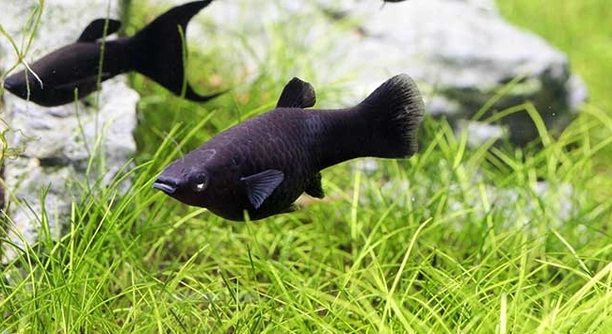
Watching your black molly fry grow can be exciting, but sometimes they develop slower than expected. Noticing small changes in their size, behavior, or appearance can help you determine if something is affecting their growth.
A black molly fry may be behind in growth due to inadequate nutrition, overcrowding, or water conditions. Ensuring proper feeding, clean water, and enough space supports healthy development and helps the fry reach expected size milestones.
Observing these early signs allows you to take action before problems worsen. Simple adjustments can help your fry catch up and thrive in their tank environment.
Signs Your Black Molly Fry Is Growing Slowly
When I first noticed my black molly fry seemed smaller than the others, I paid close attention to their behavior. Slow-growing fry may appear less active, hide more, or struggle to compete for food. Their fins might be shorter, and their bodies thinner compared to healthier fry. Uneven growth often becomes obvious when multiple fry share the same tank. Small fry can look translucent or slightly paler in color, which may indicate stress or poor nutrition. Monitoring their feeding habits can help you see which fry are lagging. Sometimes, a fry simply needs more frequent, smaller meals to catch up. Temperature changes, poor water quality, and overcrowding also influence growth rates. It’s easy to overlook these factors, but consistent care and observation make a noticeable difference. Making minor adjustments in tank setup can support the slow-growing fry without disrupting the others.
Observing uneven growth early lets you act before problems worsen, protecting the fry’s overall health and development.
Providing optimal water conditions, appropriate food, and enough space allows your fry to grow steadily. Small changes often lead to faster, healthier development, ensuring all fry reach their full size.
Common Reasons Fry Fall Behind
Slow growth often stems from water quality issues or insufficient nutrition.
Poor water conditions can stress fry, slowing growth. Ammonia or nitrite levels above safe limits, fluctuating temperatures, or dirty tanks can make fry lethargic and reduce appetite. Overcrowding increases competition for food, leaving some fry undernourished. Fry require high-quality, finely crushed food several times a day. Skipping feedings or providing unsuitable food can limit growth.
Even small problems compound over time. Fry need stable, clean water, ideally tested weekly, and regular partial water changes to reduce toxins. Feeding a varied diet rich in protein, such as baby brine shrimp or specialized fry food, supports faster growth. Separating slower fry temporarily into a smaller, less crowded tank allows them to feed freely and gain strength. Maintaining gentle filtration ensures oxygen levels remain high without creating strong currents that tire tiny fry. By controlling these factors, fry develop evenly, reach size milestones more quickly, and show healthy activity levels, colors, and fin growth. Regular observation combined with targeted care ensures slow-growing fry catch up without affecting tank harmony.
Adjusting Tank Conditions
Maintaining stable water conditions is essential for black molly fry growth. Sudden temperature changes, high ammonia, or overcrowding can stress fry. Regular testing and gentle filtration help fry thrive and grow at a healthy rate.
Keeping the water clean and stable is one of the most important steps. I found that even small fluctuations in temperature slowed my fry’s growth noticeably. Partial water changes, around 20 percent weekly, help reduce toxins without shocking them. Avoid strong currents, as fry can tire quickly, and ensure the tank isn’t overcrowded. Using a sponge filter works well, providing both filtration and gentle water flow. Observing fry behavior daily allows early detection of stress or sickness, giving a chance to adjust conditions before growth is affected. Consistency is more important than frequent interventions.
Overcrowding reduces access to food and increases waste buildup. Separating fry into smaller groups ensures each fish gets enough nutrition. I noticed the fry in a less crowded tank started growing faster. Adjusting water parameters carefully, maintaining stable temperature, and monitoring for ammonia or nitrite spikes all contribute to healthier, more active fry. Smaller groups also reduce competition, helping weaker fry catch up to their tankmates.
Feeding Strategies for Growth
Proper feeding supports healthy fry development and weight gain. Fry require finely crushed or specialized food multiple times per day.
I started feeding my fry three to four small meals daily, using high-protein food like baby brine shrimp. Fry food should be soft and easy to digest, as larger or harder pellets can be wasted. Consistency matters, so feeding at the same times helps fry anticipate meals. Overfeeding is a risk too, since leftover food pollutes the water, causing stress and slower growth. Observing which fry eat and adjusting portions ensures all fry get enough nutrition. Rotating food types, like powdered flakes and micro-worms, adds variety and promotes steady development.
Fry also benefit from live or frozen foods, which mimic natural feeding behavior. I noticed the fry that received brine shrimp grew noticeably faster and had stronger fins. Using small feeding dishes or feeding directly to the fry allows better control of portions. Keeping the tank clean after each feeding prevents toxins from harming the fry. Supplementing food with tiny amounts of vegetables, like finely blanched spinach, can add nutrients. A balanced diet combined with proper water conditions accelerates growth, reduces stress, and improves overall fry health. Monitoring fry daily ensures that slower-growing individuals receive extra attention, helping them catch up efficiently.
Monitoring Fry Behavior
Watching fry behavior closely can reveal growth issues early. Lethargic fry, hiding often, or struggling to compete for food may be behind in development.
Active fry swim confidently and feed readily, while slower fry might stay near the bottom or corners. Tracking these differences helps identify which fish need extra care.
Separating Slower Fry
Moving smaller fry to a separate tank or breeding box reduces competition. This gives them space to eat freely and grow. Overcrowding often slows growth, and isolation allows weaker fry to catch up without stress. Feeding carefully in a smaller group ensures better nutrition for each fry.
Adjusting Temperature
Stable water temperature encourages steady growth. Slightly warmer water within safe limits can boost metabolism and feeding activity, helping fry develop faster. Avoid sudden temperature changes that may shock fry and disrupt growth patterns.
Regular Tank Maintenance
Frequent water checks and partial water changes prevent harmful waste buildup. Clean tanks support healthy fry, reduce stress, and maintain consistent growth. Small adjustments in cleanliness often produce noticeable improvements in fry size and activity.
FAQ
How fast should black molly fry grow?
Black molly fry typically show noticeable growth within the first few weeks. In optimal conditions, they double in size every two to three weeks. I noticed my fry start to develop more defined fins and color after about three weeks. Slow growth often signals a need to adjust feeding or tank conditions. Consistency in water quality, temperature, and nutrition is key. Patience is important, as even healthy fry can vary slightly in growth rates. Observing them daily helps track progress and identify fry that need extra care.
What is the best food for black molly fry?
Fry require high-protein, finely crushed food. Baby brine shrimp, micro-worms, and specialized fry flakes are ideal. I feed my fry small portions multiple times per day to prevent leftover food from polluting the water. Rotating food types provides balanced nutrition and encourages steady growth. Avoid large flakes or pellets that fry cannot digest. A mix of live, frozen, and powdered foods helps maintain interest and supports development of fins, color, and strength.
How often should I feed fry?
Feeding three to four times daily works well for black molly fry. They have tiny stomachs, so smaller, frequent meals are better than one large feeding. I usually feed at the same times each day, which helps fry anticipate meals. Overfeeding is a risk, as leftover food increases toxins. Watching which fry are eating ensures weaker individuals get enough nutrition. Adjust portion sizes as fry grow, keeping food available but not excessive.
How do I tell if a fry is stressed?
Stressed fry often hide, swim irregularly, or fail to eat. I noticed that when my tank water had high nitrite, fry became pale and lethargic. Fry can also be stressed by strong currents, overcrowding, or sudden temperature changes. Monitoring behavior daily helps catch problems early. Reducing stressors, improving water quality, and giving fry space promotes healthy growth.
Can temperature affect fry growth?
Yes, stable and slightly warmer water boosts metabolism and growth. I keep my fry tank around 78–80°F, which encourages activity and feeding. Sudden drops or spikes in temperature slow development and may cause illness. Using a reliable heater and thermometer ensures consistency. Gradual changes in temperature are safer if adjustments are necessary.
Should slower fry be separated from the main tank?
Separating smaller fry reduces competition for food and allows them to grow at their own pace. I use a breeding box or a small tank to give weaker fry space to eat freely. This reduces stress and prevents stronger fry from dominating resources. Regular monitoring ensures they catch up and remain healthy before returning them to the main tank.
How important is water quality for fry growth?
Water quality is critical. High ammonia, nitrite, or nitrate levels slow growth and can be fatal. I test my tank weekly and perform partial water changes of around 20 percent to keep conditions safe. Gentle filtration prevents waste buildup without stressing fry. Clean, stable water helps fry feed actively and develop evenly.
What signs show fry are catching up in growth?
Catching-up fry become more active, start feeding confidently, and show thicker bodies and longer fins. Color may deepen as they develop. I observed that slower fry that were separated from crowded areas quickly improved when given space and proper nutrition. Consistent growth, healthy activity, and visible fin development indicate that fry are on track.
Is overcrowding a common growth issue?
Yes, overcrowding limits access to food and increases stress. Fry in crowded tanks often lag behind in size. I separate fry into smaller groups when numbers are high to ensure everyone eats properly. Overcrowding also causes rapid waste buildup, which harms growth. Managing population density is crucial for uniform development.
Can diet alone fix slow growth?
Diet is essential, but other factors like water quality, temperature, and tank space also play major roles. I noticed that even well-fed fry remained small if water conditions were poor. Providing high-protein food, clean water, and gentle conditions together ensures optimal growth. Regular observation allows timely adjustments to support slower fry.
How long until fry reach juvenile size?
Under ideal conditions, black molly fry reach juvenile size in about 6–8 weeks. Growth rates vary depending on feeding, water quality, and tank conditions. I track size weekly and adjust feeding or tank setup if growth lags. By providing consistent care, most fry reach healthy juvenile size within two months.
Are there any common mistakes to avoid?
Overfeeding, overcrowding, and ignoring water quality are the most frequent mistakes. I learned that even small lapses in tank maintenance or inconsistent feeding slowed fry growth. Using unsuitable food or skipping water tests can also create stress. Preventing these mistakes ensures fry remain healthy and grow steadily.
Black molly fry require careful attention to grow healthily. From my experience, the most important factors are consistent feeding, clean water, and enough space. Fry are tiny and delicate, so even small changes in their environment can affect growth. Overcrowding, sudden temperature shifts, or poor water quality can slow development and cause stress. I noticed that when I kept the tank clean and monitored water conditions regularly, fry grew steadily and became more active. Feeding them multiple times a day with finely crushed, high-protein food made a big difference. Even separating slower fry into a smaller tank helped them catch up with their tankmates. Paying attention to these details ensures all fry have the opportunity to thrive.
Watching fry develop can be rewarding but requires patience. Growth is not always uniform, and some fry naturally grow slower than others. Observing behavior, activity levels, and feeding habits allows you to identify which fry need extra attention. I found that slow-growing fry often benefited from slightly warmer, stable water and smaller, frequent meals. Over time, these fry started swimming more confidently and gaining color, which is a good sign they were catching up. Small changes, such as adjusting water flow or testing for ammonia, nitrite, and nitrate, prevent stress and create an environment where fry can grow at their own pace. By taking careful steps and monitoring regularly, you help fry develop healthy bodies, strong fins, and proper color without introducing unnecessary risks.
Consistency and observation are key when raising black molly fry. I learned that maintaining a clean, stable environment and providing proper nutrition is more effective than frequent, drastic interventions. Stressful conditions, overcrowding, or irregular feeding schedules can have lasting impacts on growth, so small, steady adjustments are better than sudden changes. Supporting slower fry by separating them temporarily and giving them space to feed freely often results in better growth overall. Monitoring fry daily also allows you to catch potential problems early, whether it’s a water quality issue or signs of illness. Fry that receive consistent care, balanced nutrition, and gentle handling usually reach juvenile size in a predictable timeframe. Over the weeks, observing them grow from tiny, delicate fry into healthy, active juveniles is satisfying and reinforces the importance of patience, consistency, and careful attention to detail in the tank.

Hello,
If you enjoy the content that we create, please consider saying a "Thank You!" by leaving a tip.
Every little bit helps us continue crafting quality advice that supports the health, happiness, and well-being of pets around the world, for pets of all shapes, sizes, and species.
We really appreciate the kindness and support that you show us!