
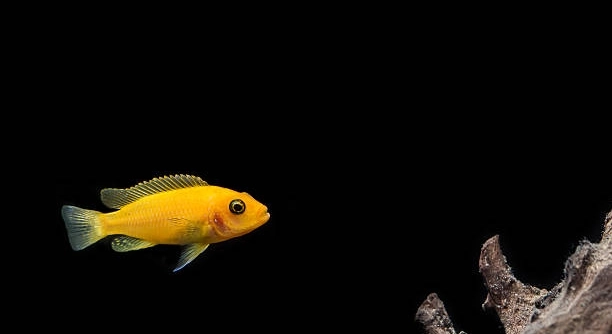
Do your electric yellow cichlids seem to have a mind of their own in the tank? Observing them reveals unique behaviors as they assert territory, interact with tank mates, and respond to changes in their environment daily.
Electric yellow cichlids enforce tank rules primarily through territorial displays, chasing intruders, and establishing dominance hierarchies. These behaviors regulate interactions, maintain space allocation, and reduce conflict among tank mates, ensuring a stable social structure and organized habitat.
Recognizing these behaviors can improve your tank setup and harmony among your fish, helping them thrive in their aquatic home.
Territorial Boundaries
Electric yellow cichlids are highly territorial and often stake out specific areas of the tank as their own. They may hover near rocks, caves, or other hiding spots, chasing away any fish that enter their claimed space. These boundaries are critical for their comfort and stress reduction. When cichlids feel their territory is secure, they are more likely to eat properly, explore their surroundings calmly, and interact with other fish in predictable ways. Disrupting these boundaries can lead to frequent chasing, nipping, or even injuries. Tank decorations and plants can help create natural divisions, giving each fish a sense of personal space. Overcrowding increases territorial disputes, so maintaining an appropriate number of fish is essential. Observing which areas each cichlid prefers can guide the placement of hiding spots or decorations. Clear territories reduce stress and support healthy behavior patterns. Consistency in layout allows fish to anticipate boundaries, which minimizes constant aggressive interactions and promotes stability in the tank.
Providing distinct spaces helps cichlids feel secure and reduces aggressive encounters, making daily tank management easier and more predictable.
Respecting their territorial needs ensures a calmer tank, fewer injuries, and a healthier environment where each fish can thrive without constant stress from neighbors or intruders.
Feeding Order
Electric yellow cichlids often assert rules during feeding times, establishing a pecking order. Dominant fish eat first while others wait their turn, and any disturbance can trigger chasing or squabbles. Feeding strategies must account for these dynamics to ensure all fish get adequate nutrition.
Offering multiple feeding spots allows lower-ranking fish to access food without conflict. Separating pellets or flakes across different areas reduces competition and stress. Observing the feeding patterns can reveal which fish dominate and which require attention. Adjusting feeding routines, such as using sinking pellets or timed feeding, helps maintain harmony. Consistent schedules signal when food is available, minimizing anxiety and unnecessary aggression. Overfeeding can worsen territorial fights as fish compete for excess food, while underfeeding may cause stress-related health issues. It is important to monitor both dominant and submissive fish to ensure nutritional needs are met. Maintaining a balanced diet and understanding social hierarchies fosters a cooperative feeding environment. Proper feeding management strengthens overall health and supports long-term stability among all tank inhabitants.
Cleaning and Maintenance
Regular tank maintenance is essential to keep electric yellow cichlids healthy. Uneaten food and waste can quickly accumulate, leading to poor water quality and stress among fish.
Frequent water changes help maintain a stable environment, preventing ammonia and nitrite spikes that can harm cichlids. Cleaning gravel and removing debris ensures toxins do not build up. Filters should be checked and rinsed periodically, but avoid using tap water that contains chlorine, as it can kill beneficial bacteria. Maintaining a balanced environment reduces aggressive behavior caused by stress and keeps fish active and healthy. Observing water parameters like pH and temperature is also key, as electric yellow cichlids are sensitive to fluctuations. A consistent maintenance schedule fosters a cleaner tank and happier fish. Proper upkeep prevents disease outbreaks, supports breeding behaviors, and ensures all fish coexist comfortably without unnecessary conflict.
Using tools like siphons and nets makes cleaning easier and minimizes stress to your cichlids during maintenance routines.
Monitoring water quality consistently protects the fish and encourages natural behaviors, ensuring they remain vibrant and strong in their habitat.
Hiding Spots and Decorations
Hiding spots are crucial for electric yellow cichlids to feel secure and reduce aggression. Rocks, caves, and plants give fish areas to retreat when threatened.
Providing multiple hiding spots allows subordinate fish to escape dominant ones, preventing constant chasing and injuries. Proper decoration placement ensures clear territories and reduces disputes over space. Fish can establish preferred areas for resting, breeding, and feeding, which promotes predictable behavior. Avoid overcrowding decorations, as it may block swimming space and increase stress. Using natural materials like smooth rocks or driftwood prevents damage to fins and scales. Observing which fish use specific hiding spots helps in arranging decorations strategically. Spacing hiding areas evenly throughout the tank encourages balance among all fish. Subtle barriers help maintain a structured environment without limiting movement. Creating a visually appealing layout also enhances the overall tank aesthetic while supporting fish well-being.
Balanced decoration and thoughtful placement reduce tension, encourage natural behavior, and provide a safer, calmer environment for all cichlids.
Lighting and Day-Night Cycle
Electric yellow cichlids respond to consistent lighting schedules, which help regulate their activity and reduce stress. A balanced day-night cycle supports feeding, breeding, and resting behaviors, ensuring fish feel secure in their environment.
Sudden changes in lighting can trigger aggression or hiding. Gradual transitions between light and dark periods mimic natural conditions and keep fish calm.
Tank Size and Space
Providing enough space is critical for electric yellow cichlids. Overcrowding increases stress, aggression, and territorial disputes. Each fish needs room to swim, claim territory, and interact safely with tank mates. A spacious tank reduces conflicts and supports natural behaviors.
Breeding Behavior
Electric yellow cichlids display specific behaviors when breeding, including selecting territories, cleaning surfaces, and guarding eggs. Understanding these actions helps manage tank dynamics and reduce stress on other fish during spawning.
Compatible Tank Mates
Choosing compatible tank mates is important to prevent conflict. Aggressive or fast-moving species can provoke stress, while peaceful fish coexist more smoothly with electric yellow cichlids.
How aggressive are electric yellow cichlids?
Electric yellow cichlids are moderately aggressive, especially when defending territory or establishing dominance. Aggression usually appears as chasing, nipping, or flaring fins. Most conflicts can be managed by providing enough space, hiding spots, and careful selection of tank mates. Understanding their social structure helps reduce stress and injuries in the tank.
What tank size is ideal for electric yellow cichlids?
A minimum of 55 gallons is recommended for a small group, with larger tanks needed as more fish are added. Providing sufficient swimming space reduces aggression and allows each fish to claim territory. Proper tank dimensions also support water quality, as crowded tanks are more prone to waste accumulation and stress-related illness.
How many electric yellow cichlids can I keep together?
Keeping at least six individuals is advised to disperse aggression and prevent any single fish from being overly dominant. Too few fish can lead to intense fights, while too many can overcrowd the tank. Monitoring interactions and adjusting numbers ensures a balanced social structure.
What are the best tank mates for electric yellow cichlids?
Peaceful or similarly sized African cichlids from Lake Malawi are ideal companions. Avoid small, timid, or slow-moving species that may become targets for aggression. Introducing tank mates gradually and observing behavior can prevent conflicts. Maintaining consistent territory divisions also supports harmony.
How should I feed electric yellow cichlids?
Feed a varied diet including high-quality cichlid pellets, flakes, and occasional vegetables. Multiple feeding spots help prevent dominant fish from monopolizing food. Overfeeding should be avoided, as leftover food can degrade water quality. Maintaining a consistent feeding schedule supports natural behavior and overall health.
Do electric yellow cichlids need hiding spots?
Yes, hiding spots reduce stress and aggression. Rocks, caves, and plants allow subordinate fish to retreat when threatened. Providing multiple hiding areas encourages natural behaviors, supports breeding, and ensures that territorial disputes are minimized while maintaining balance in the tank.
How often should I clean the tank?
Partial water changes of 20-30% weekly are recommended. Clean gravel, remove debris, and rinse filters as needed. Monitoring water parameters like pH, ammonia, and nitrites ensures a stable environment. Regular maintenance prevents illness, reduces stress, and helps fish display natural behaviors.
How do electric yellow cichlids behave during breeding?
During breeding, dominant pairs select territories, clean surfaces, and guard eggs. Other fish may be chased away to reduce interference. Understanding these behaviors allows careful management of tank dynamics, ensuring both breeding success and the safety of other tank inhabitants.
What water conditions do they prefer?
Maintain a pH between 7.8 and 8.6, temperature around 76-82°F, and moderate hardness. Stable conditions reduce stress, support feeding, and prevent aggression. Sudden fluctuations in temperature or pH can trigger hiding, chasing, or other behavioral issues.
Are electric yellow cichlids suitable for beginners?
They are suitable for aquarists with some experience. Their aggressive tendencies, territorial needs, and specific water requirements demand attention. Learning to manage tank size, decorations, and feeding routines ensures a healthy, stable environment, making these vibrant fish rewarding to keep.
Can electric yellow cichlids live with other African cichlids?
Yes, compatibility is better with similarly sized Lake Malawi cichlids. Careful selection, proper tank layout, and adequate space help prevent constant aggression. Monitoring interactions and adjusting tank arrangements supports coexistence and reduces injuries.
What signs indicate stress in electric yellow cichlids?
Signs include hiding excessively, loss of appetite, fin damage, or frequent chasing. Stress often results from overcrowding, poor water quality, or incompatible tank mates. Addressing these factors quickly restores balance and helps maintain healthy behavior and vibrant coloration.
How important is tank decoration for electric yellow cichlids?
Decorations create territories, provide hiding spots, and reduce aggressive encounters. Proper arrangement prevents overcrowding while maintaining swimming space. Observing which areas fish prefer allows strategic placement, ensuring balance, comfort, and a visually appealing habitat that supports natural behaviors.
Can electric yellow cichlids adapt to different tank setups?
They can adapt if key needs are met: adequate space, hiding spots, consistent water parameters, and compatible tank mates. Sudden changes in layout, water conditions, or group composition can trigger aggression or stress. Gradual adjustments allow smoother adaptation and maintain stability.
How often should I check water parameters?
Weekly monitoring of ammonia, nitrite, nitrate, pH, and temperature is recommended. Consistent checks prevent stress-related illness, reduce aggression, and support healthy feeding and breeding behavior. Maintaining a stable environment is critical for their long-term well-being.
Do electric yellow cichlids require special lighting?
Moderate lighting with a consistent day-night cycle supports natural activity, feeding, and rest. Sudden changes or overly bright light can increase aggression or hiding. Gradual transitions and proper coverage help fish feel secure while highlighting their vibrant coloration.
Can electric yellow cichlids live long in captivity?
With proper care, they can live 8-10 years. Stable water conditions, adequate space, proper diet, and management of aggression are essential. Regular observation ensures early detection of stress or illness, supporting longevity and healthy development over time.
What should I do if aggression becomes severe?
Rearranging decorations, adding hiding spots, or separating aggressive fish can help. Adjusting tank size and population balance also reduces conflict. Observing social dynamics allows intervention before injuries occur, maintaining a safe environment for all fish.
Are electric yellow cichlids sensitive to temperature changes?
Yes, sudden drops or spikes in temperature can cause stress, hiding, or aggression. Consistent heating and monitoring are necessary to maintain activity, feeding, and reproductive behavior. Stability ensures comfort and reduces health risks.
How do I encourage natural behavior in electric yellow cichlids?
Providing territory markers, hiding spots, proper tank size, consistent lighting, and compatible tank mates encourages natural chasing, resting, and feeding patterns. Observing and adjusting conditions ensures balanced social interactions and reduces stress while supporting overall health.
Electric yellow cichlids are fascinating fish with unique personalities and social behaviors. Their bright coloration and active nature make them popular among aquarists, but they also require careful attention to thrive. Understanding their tendencies, such as territoriality, feeding hierarchies, and interaction with tank mates, is essential for maintaining a healthy and balanced aquarium. Providing enough space, hiding spots, and clear territories helps reduce stress and aggression. Observing their behavior regularly allows you to notice any changes early, ensuring that conflicts are managed and health issues are addressed promptly. A well-planned tank setup can prevent most problems before they occur, creating an environment where each fish can feel secure and display natural behaviors. Regular cleaning, water monitoring, and thoughtful feeding routines all contribute to the stability of the tank. By addressing these basic needs consistently, electric yellow cichlids can thrive and remain visually vibrant and active, bringing long-term enjoyment to your aquarium.
Maintaining a successful electric yellow cichlid tank requires attention to both social and environmental factors. Their behavior is strongly influenced by the layout of the tank, the number of fish, and the presence of compatible species. Overcrowding or poorly arranged decorations can lead to constant aggression, while adequate space and strategically placed hiding spots minimize conflict. Feeding routines should consider the dominance hierarchy, ensuring that all fish receive proper nutrition without competition escalating into injury. Monitoring water parameters such as pH, temperature, and hardness is also essential, as these fish are sensitive to sudden changes. Stability in these areas supports healthy activity levels, encourages natural behaviors, and reduces the likelihood of disease. Consistency and observation are key components in providing a thriving habitat. Paying attention to the interactions between tank mates and understanding the social structure of your cichlids helps maintain a calm, orderly environment where each fish has a defined space and role.
Finally, electric yellow cichlids reward careful care with engaging and dynamic behavior. Watching them establish territories, chase intruders, and interact during feeding or breeding can be captivating and educational. Their natural instincts shape how they enforce rules in the tank, and recognizing these patterns allows you to manage your aquarium more effectively. By providing appropriate space, regular maintenance, proper nutrition, and compatible companions, you create a supportive environment that encourages natural behavior. Even small adjustments in decoration, lighting, or water management can make a significant difference in reducing stress and promoting harmony. Over time, attentive care results in healthier, more active fish and a visually appealing tank. Electric yellow cichlids thrive when their basic needs are consistently met, and understanding their behavior ensures that both fish and caretaker benefit from a balanced, enjoyable aquarium experience.

Hello,
If you enjoy the content that we create, please consider saying a "Thank You!" by leaving a tip.
Every little bit helps us continue crafting quality advice that supports the health, happiness, and well-being of pets around the world, for pets of all shapes, sizes, and species.
We really appreciate the kindness and support that you show us!