
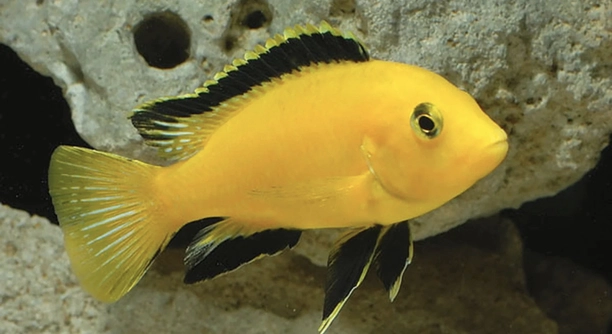
Do you ever notice your electric yellow cichlids rubbing against rocks, plants, or aquarium decorations more than usual? This behavior can catch your attention and make you wonder what your fish are trying to communicate.
Electric yellow cichlids rub on decorations primarily due to natural behaviors such as cleaning their bodies, relieving irritation, marking territory, or strengthening their fins and muscles. Environmental factors, stress, and breeding instincts also contribute to this rubbing activity.
Observing this behavior closely can reveal important insights about their health and environment, helping you maintain a balanced and comfortable aquarium.
Why Electric Yellow Cichlids Rub on Decorations
Many electric yellow cichlids rub on decorations as part of their natural behavior. This can include cleaning their bodies or scraping off parasites. Fish also use rubbing to relieve minor skin irritations caused by water quality, algae, or sharp objects in the tank. Observing them during these moments can give insight into their overall health. Sometimes, cichlids rub to mark their territory, leaving a subtle scent on rocks or decorations. This is especially common when multiple fish share a tank. Breeding pairs may increase rubbing activity as part of courtship rituals or nest preparation. Decorations with rough or textured surfaces are often the target because they provide a good surface for rubbing. Stress, such as sudden changes in temperature or water chemistry, can also increase this behavior. Understanding the causes can help you maintain a comfortable environment for your fish. Keeping the tank clean and providing smooth surfaces can reduce excessive rubbing.
Rubbing on decorations is usually harmless, but consistent observation is important to prevent injury or stress in your cichlids.
Noticing the type and frequency of rubbing helps you identify whether it’s a normal behavior or a response to environmental factors. Adjusting tank conditions and monitoring interactions ensures the fish remain healthy and active.
Signs of Stress in Electric Yellow Cichlids
Stress in electric yellow cichlids often shows through repeated rubbing, lethargy, or loss of appetite. Early detection is essential for proper care.
When electric yellow cichlids are stressed, they may exhibit constant rubbing, unusual hiding, or aggression toward other fish. Stress often arises from poor water quality, overcrowding, sudden changes in temperature, or incompatible tank mates. Low oxygen levels or high nitrate concentrations can also trigger discomfort, prompting fish to rub against decorations. Stress weakens the immune system, making fish more susceptible to infections, fin rot, and parasites. Observing behavior daily allows you to intervene early. Ensuring a stable environment with proper filtration, regular water changes, and adequate hiding spots can reduce stress. Balanced nutrition and consistent feeding schedules support overall health and minimize anxiety. By providing a calm, enriched habitat, electric yellow cichlids can display normal behaviors, including occasional rubbing, without it becoming a sign of distress. Recognizing stress patterns ensures timely action and long-term wellbeing of the aquarium population.
Common Health Issues Linked to Rubbing
Rubbing can indicate external parasites, fin rot, or skin irritation. Observing the areas your cichlid targets helps identify potential health problems and decide if treatment is needed.
External parasites such as ich or flukes often cause cichlids to rub against decorations. These parasites attach to the skin and gills, creating discomfort that leads to frequent rubbing. Fin rot, a bacterial infection, may also encourage rubbing, as affected fins become sensitive and irritated. Poor water quality contributes to skin issues, making fish more prone to rubbing behaviors. Monitoring water parameters like pH, ammonia, and nitrate levels is essential for preventing health problems. Immediate intervention with proper treatment reduces the risk of long-term damage and improves overall fish wellbeing.
Some skin irritations are minor and may resolve naturally, but persistent rubbing can signal serious issues. Keeping the tank clean, observing fish behavior, and maintaining proper diet supports recovery. Early detection is key to preventing infections and ensuring your cichlids stay healthy.
Environmental Triggers for Rubbing
Sharp decorations, rough surfaces, and aggressive tank mates often trigger rubbing in electric yellow cichlids. Adjusting tank setup can minimize this behavior and improve comfort.
Cichlids interact with their environment constantly, and certain decorations may irritate their skin. Rough rocks, gravel edges, or artificial plants can lead to repeated rubbing. Aggressive or territorial tank mates may also prompt rubbing as a stress response. Sudden changes in lighting or water conditions can make cichlids uncomfortable, increasing rubbing frequency. Ensuring smooth surfaces, stable water parameters, and compatible companions helps reduce unnecessary rubbing. Providing enough hiding spots allows fish to retreat and feel secure. Regular observation of behavior patterns can guide adjustments in the tank layout, helping maintain a calm and healthy environment for all inhabitants.
Breeding and Territorial Behavior
Rubbing often increases during breeding periods. Electric yellow cichlids use decorations to mark territory and prepare nesting sites, which is normal and expected behavior.
Territorial disputes may also cause rubbing. Dominant fish assert control over spaces, using decorations as boundaries to communicate with others in the tank.
Nutritional Deficiencies
Improper diet can lead to skin irritation, prompting fish to rub on surfaces. Lack of vitamins and minerals weakens the skin and scales, making them more sensitive to contact.
Providing a balanced diet rich in essential nutrients helps reduce rubbing. High-quality flakes, pellets, and occasional live or frozen food support skin health. Observing dietary habits ensures cichlids receive proper nutrition to prevent irritation.
Preventing Excessive Rubbing
Maintaining clean water and smooth decorations reduces rubbing. Regular monitoring of tank conditions keeps cichlids comfortable and healthy.
FAQ
Why does my electric yellow cichlid rub more than usual?
Increased rubbing can result from stress, health issues, or environmental changes. Sudden shifts in water temperature, poor water quality, or aggressive tank mates may prompt more frequent rubbing. Monitoring water parameters and tank conditions often helps reduce this behavior.
Is rubbing always a sign of illness?
Not necessarily. Some rubbing is part of normal behavior like cleaning their bodies or marking territory. Persistent or aggressive rubbing, especially alongside other symptoms like lethargy, loss of appetite, or discolored skin, may indicate a health problem.
Can tank decorations harm my cichlid?
Yes, sharp edges or rough surfaces can irritate skin and fins. Smooth rocks, rounded gravel, and plastic or resin ornaments are safer. Observing which decorations are frequently targeted can help identify potential hazards.
How do I know if my cichlid is stressed?
Signs of stress include repeated rubbing, hiding, reduced activity, or unusual aggression. Changes in water conditions, overcrowding, or incompatible tank mates are common triggers. Addressing these factors quickly helps maintain fish wellbeing.
What role does diet play in rubbing behavior?
Nutritional deficiencies weaken skin and scales, making them more sensitive. A balanced diet including high-quality flakes, pellets, and occasional live or frozen food supports skin health and reduces irritation.
Do cichlids rub during breeding?
Yes, breeding pairs often increase rubbing as they prepare nesting sites and mark territory. Decorations are frequently used to clean surfaces or leave chemical signals for mates. This behavior is natural and usually temporary.
Can parasites cause my cichlid to rub?
External parasites like ich or flukes attach to the skin and gills, causing irritation. Frequent rubbing, clamped fins, or small white spots are common signs. Treating the tank promptly with appropriate medication is essential.
How often should I clean the tank to reduce rubbing?
Regular water changes, about 20–30% weekly, help maintain stable water conditions. Cleaning decorations and monitoring nitrate and ammonia levels reduce irritation and promote healthier behavior.
Should I remove decorations if rubbing persists?
If specific decorations are causing repeated irritation, it’s best to replace them with smoother alternatives. Observe which areas are targeted and adjust the tank layout to provide safer surfaces.
Can rubbing damage my cichlid?
Occasional rubbing is generally harmless. Excessive rubbing can cause torn fins, skin lesions, or infections. Promptly addressing stressors, health issues, and environmental factors prevents long-term damage.
How do I differentiate normal rubbing from a problem?
Normal rubbing is occasional and not accompanied by other symptoms. Problematic rubbing is persistent, intense, or combined with lethargy, loss of appetite, discoloration, or abnormal swimming behavior. Monitoring patterns is key to proper care.
Are there preventive measures to reduce rubbing?
Yes, maintaining clean water, providing smooth decorations, ensuring a balanced diet, and reducing stress factors help prevent excessive rubbing. Observing daily behavior and responding to changes early ensures a comfortable environment.
Does tank size affect rubbing behavior?
Overcrowding increases stress and competition for territory, often leading to more rubbing. Providing adequate space, hiding spots, and well-separated territories helps reduce friction and promotes calm behavior.
Can rubbing indicate aggression from other fish?
Yes, dominant or territorial fish may provoke rubbing as a stress response. Watching interactions and rearranging the tank to reduce conflicts helps mitigate this behavior.
How quickly should I act if rubbing increases?
Prompt action is important. Check water quality, observe for health issues, assess diet, and inspect decorations. Early intervention prevents injury and maintains a healthy environment for your cichlids.
Electric yellow cichlids rubbing on decorations is a common behavior that can have multiple explanations. In many cases, it is entirely normal and reflects natural instincts, such as cleaning their bodies, marking territory, or preparing nesting areas. Decorations with textured surfaces or rough edges often attract this behavior, as they provide a surface for rubbing and scraping. Observing your fish carefully and noting which objects they interact with most can help you determine whether the rubbing is a typical activity or a sign of something more concerning. While occasional rubbing is usually harmless, patterns of repeated or vigorous rubbing may indicate irritation, stress, or a health issue that requires attention. Maintaining a calm, well-structured environment is key to minimizing unnecessary rubbing while allowing natural behaviors to continue safely.
Water quality, diet, and tank setup play significant roles in your cichlid’s comfort. Poor water conditions, overcrowding, and sudden changes in temperature or chemistry can lead to increased rubbing as fish try to relieve irritation or stress. Similarly, nutritional deficiencies weaken the skin and scales, making them more prone to rubbing against surfaces. Providing a balanced diet with high-quality flakes, pellets, and occasional live or frozen food supports overall health and helps prevent issues. Tank decorations should be chosen with care, ensuring smooth edges and safe surfaces. Adequate space, hiding spots, and compatible tank mates reduce stress and territorial disputes, which also influence rubbing behavior. By managing these environmental factors, you can create a stable habitat that encourages natural behaviors without excessive irritation.
Regular observation and early intervention are crucial for maintaining the health of electric yellow cichlids. Persistent rubbing can signal problems such as external parasites, fin rot, or other skin irritations that require treatment. Keeping track of water parameters, monitoring for unusual behavior, and adjusting tank conditions as needed helps prevent long-term damage. Even when rubbing is not caused by illness, providing appropriate surfaces, structured territories, and a nutrient-rich diet ensures the fish remain comfortable and active. Paying attention to these details allows you to better understand your cichlids’ needs and respond effectively to changes in behavior. In this way, you can maintain a healthy aquarium environment while supporting your fish’s natural instincts and promoting overall wellbeing.

Hello,
If you enjoy the content that we create, please consider saying a "Thank You!" by leaving a tip.
Every little bit helps us continue crafting quality advice that supports the health, happiness, and well-being of pets around the world, for pets of all shapes, sizes, and species.
We really appreciate the kindness and support that you show us!