
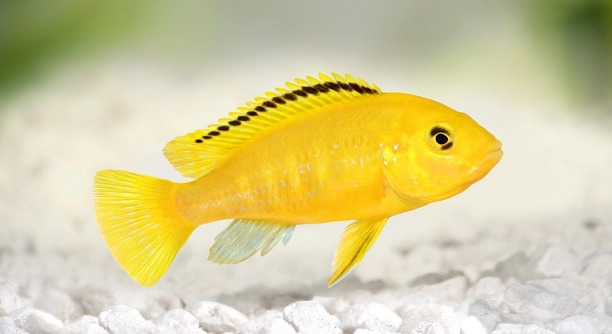
Cichlids are popular aquarium fish admired for their colors and lively behavior. Many aquarists enjoy observing how these fish adapt to different water conditions, especially when currents change. Their natural habitats often include rivers with varying flow speeds.
Cichlids exhibit a range of responses to fast currents, including altering their swimming patterns, seeking shelter among rocks, adjusting body posture, and using fins strategically. These adaptations help maintain stability, reduce energy expenditure, and protect them from potential harm.
Learning how cichlids cope with stronger currents can improve aquarium setups. Observing these behaviors provides insight into their natural instincts and overall well-being in home tanks.
Adjusting Swimming Patterns
Cichlids respond to fast currents by changing how they swim. You may notice them moving closer to surfaces or staying near rocks and plants to find calmer areas. They often reduce speed, taking shorter, more deliberate strokes instead of long, fast movements. This helps them conserve energy and avoid being pushed around. Their tails and fins move differently, allowing them to stay stable without fighting the current constantly. Some species form small groups to create a buffer against strong flow. By observing these changes, you can see how their instincts guide them naturally. Even in home tanks, these fish show similar behaviors when water pumps or filters create stronger currents. Adjusting their environment, like adding more hiding spots, allows them to move more comfortably and reduces stress. These adaptations are essential for maintaining health, improving feeding efficiency, and reducing the risk of injury caused by strong water movement around rocks or decorations.
Swimming adjustments are a natural response that lets cichlids save energy and maintain stability in fast-flowing water.
Watching these swimming changes helps understand their behavior and design better tank setups for healthier, happier fish.
Seeking Shelter
Cichlids often move to sheltered areas when currents pick up. Rocks, caves, and dense plants give them spaces to rest and avoid strong flow.
Shelter-seeking behavior is crucial for survival. Fast currents can tire fish quickly, so hiding spots let them recover and maintain energy levels. These areas also provide protection from potential stressors, including other aggressive tank mates or sudden water disturbances. In nature, cichlids rely on riverbeds and rock formations to find similar refuges, showing that this behavior is instinctual. Providing adequate shelter in aquariums ensures they can behave naturally and remain less stressed. Observing where your cichlids choose to hide can also reveal their comfort preferences, helping you arrange your tank efficiently. Over time, they may form habitual spots, moving consistently to certain rocks or plants when currents increase. Understanding these patterns allows for better care and helps replicate aspects of their natural environment, which is vital for their long-term health and social interactions within the tank.
Adjusting Body Posture
Cichlids tilt their bodies and angle themselves into currents to reduce resistance. This posture allows them to maintain position without excessive effort.
Tilting their bodies helps balance forces from flowing water. By leaning slightly forward or sideways, they can hold their position near rocks or plants more easily. Fins spread strategically, creating extra stability, while their tail movements become more controlled. This adjustment also protects delicate fins from damage caused by constant contact with strong water. Over time, cichlids refine these postures to match current strength and direction. Observing their positioning can reveal how different species cope with varying flow speeds, showing clear differences in adaptation techniques. Some fish stay close to surfaces where water movement is slower, while others angle themselves to maximize lift. These behaviors demonstrate their instinctive understanding of water dynamics, ensuring safety and conserving energy efficiently. Maintaining consistent posture is a subtle yet essential part of their survival strategy in both natural and artificial habitats.
Cichlids rely on body posture adjustments to stay stable, minimize fatigue, and protect themselves from fast currents.
Using Fins Strategically
Fins act as both rudders and brakes, giving cichlids precise control over movement in flowing water.
Cichlids extend or retract fins to respond quickly to changes in current. Pectoral fins help them hover, while dorsal and anal fins provide stability, preventing unwanted rolling. By coordinating fin movements, they can make fine adjustments to maintain position near rocks or plants. This skill allows them to access food in fast-flowing sections without being swept away. In aquariums with strong pumps, careful fin use prevents collisions and injuries. Over time, they learn optimal fin angles to reduce effort while maintaining control. Tail fin movements are also important, providing bursts of speed when necessary. This combination of fin adjustments ensures energy efficiency, precise navigation, and protection, demonstrating how cichlids have evolved to thrive in varied water conditions. Observing fin movements closely can give insight into their comfort and stress levels, making it easier to create a supportive environment.
Fin control is essential for maneuvering in currents, conserving energy, and avoiding obstacles, showcasing their natural adaptability.
Grouping Together
Cichlids often swim in small groups when currents are strong. This behavior helps them reduce individual effort and maintain position more easily.
Being in a group creates a buffer against the water flow. Fish can follow each other’s movements, using less energy while staying stable.
Hiding Among Substrate
Cichlids frequently press close to the tank bottom or settle among gravel and rocks to avoid strong currents. They use natural features to reduce exposure to fast water.
This behavior allows them to remain in calmer zones while staying alert for food or threats. Fish that utilize the substrate efficiently expend less energy and experience less stress, making it a key survival strategy in both natural habitats and home aquariums. Watching which areas they prefer can help in arranging hiding spots and maintaining a comfortable environment.
Short, Rapid Movements
Cichlids often make quick, short bursts instead of continuous swimming when currents increase. This allows them to navigate efficiently without overexerting themselves.
FAQ
How do cichlids react to strong currents in aquariums?
Cichlids adjust their swimming patterns, body posture, and fin movements when currents increase. They may stay close to rocks, plants, or the tank bottom to find calmer areas. Some species form small groups to create stability, while others make short, rapid movements to navigate efficiently without using too much energy.
Do all cichlid species respond the same way to fast currents?
No, responses vary by species. Some are naturally strong swimmers and can handle higher flow, while others prefer slower currents and rely on hiding spots. Observing your specific species helps determine how to arrange the tank with sufficient shelter and low-flow zones for comfort.
Why do cichlids hide among rocks or plants?
Hiding is a natural response to stress caused by fast-moving water. Rocks and plants provide shelter, reduce energy expenditure, and allow fish to recover. Hiding spots also protect them from accidental bumps or collisions in aquariums with strong pumps or aggressive tank mates.
Can currents affect cichlid health?
Yes, continuous exposure to strong currents without areas to rest can lead to fatigue, fin damage, and stress. Stress may reduce appetite and weaken the immune system. Providing a mix of fast and slow-flow areas ensures healthier, more active fish.
How do cichlids use their fins in currents?
Fins are essential for maintaining stability. Pectoral fins act as brakes and rudders, while dorsal and anal fins help prevent rolling. Tail fins provide bursts of speed when needed. Coordinated fin use lets cichlids navigate currents efficiently and reduces the risk of injury.
Are group behaviors important in strong currents?
Yes, swimming in groups helps fish save energy. Following one another creates a buffer against water flow, allowing weaker swimmers to maintain position. Grouping also provides social security and helps smaller or less experienced fish adjust to flow conditions.
How can I make my aquarium safer for cichlids with fast currents?
Provide rocks, caves, and plants as hiding spots. Adjust pumps or filters to create areas of slower flow. Observe how fish respond, and rearrange decorations to allow them natural resting zones. Short bursts of swimming should be possible without constant fatigue.
Do cichlids change behavior over time with repeated exposure to currents?
Yes, they gradually learn the best positions, fin angles, and swimming strategies. They may develop favorite spots near rocks or surfaces where flow is weaker. This adaptive behavior shows their instinctive ability to handle varying water conditions efficiently.
What signs indicate my cichlids are stressed by current?
Look for excessive hiding, erratic swimming, torn fins, or lack of feeding. Fatigue and repeated attempts to resist water flow are also warning signs. Providing calmer zones and adjusting flow can reduce stress and prevent long-term health problems.
Is it normal for cichlids to make short, rapid movements in strong currents?
Yes, these bursts allow precise navigation without tiring the fish. Continuous swimming in strong currents is more exhausting, so short movements help them maintain position, reach food, or escape minor threats effectively.
How can I observe these behaviors without disturbing my fish?
Watch quietly and avoid sudden movements or tapping on the tank. Note where they swim, hide, or rest during strong flow periods. Recording these observations can guide tank adjustments, such as adding hiding spots or modifying pump settings.
Do juvenile cichlids behave differently than adults in currents?
Juveniles often stay closer to hiding spots and move in smaller bursts. Adults may handle stronger flows with longer swimming periods and more confident positioning. Providing diverse areas ensures both young and mature fish can thrive in the same tank.
Are there any long-term benefits of controlled currents for cichlids?
Yes, moderate flow strengthens muscles, encourages natural behaviors, and improves water circulation, which benefits health. Currents can also help distribute food evenly, but balance is essential to prevent stress or overexertion.
Can cichlids survive in aquariums without any flow?
They can survive, but some flow mimics their natural environment and encourages normal activity. Completely stagnant water may reduce fitness, limit oxygen distribution, and increase debris accumulation. Even a mild current improves overall tank conditions and fish vitality.
How do I know if my current setup is too strong?
If fish struggle constantly, avoid feeding areas, or stay hidden most of the time, the flow is likely too strong. Adjust pumps or add decorations to create calmer zones, ensuring they can swim comfortably without excessive effort.
Are fin injuries common in high-flow tanks?
Yes, contact with decorations or tank walls can damage fins if currents are too strong. Providing open swimming areas and protective hiding spots reduces injuries. Regular observation helps identify and correct problem areas before they worsen.
Do cichlids prefer certain areas in a tank with strong currents?
Yes, they often choose corners, behind rocks, near plants, or along surfaces where flow is slower. These preferred areas allow rest and safe navigation while still giving access to food and interaction with other fish.
Can observation of current responses help in breeding?
Absolutely. Understanding hiding, swimming, and posture preferences helps identify stress-free zones. Stress reduction improves reproductive behavior and increases the chances of successful egg-laying and fry survival. Proper tank flow management is key for breeding success.
How can I encourage natural behaviors in a tank with strong currents?
Add varied hiding spots, rocks, plants, and surface areas. Adjust flow so fish can choose when to swim actively or rest. Observe their patterns and modify the environment to mimic aspects of their natural habitat, supporting health and natural instincts.
What is the overall impact of currents on cichlid behavior?
Currents influence swimming, hiding, posture, fin use, and social interactions. Properly managed flow encourages natural adaptations, supports physical health, and allows observation of instinctive behaviors. Understanding these patterns ensures a balanced, stable aquarium environment that meets their needs and reduces stress.
Total word count: 508
Cichlids are fascinating fish, especially when you observe how they respond to strong currents. Over time, their behavior in fast-flowing water becomes clear and predictable. They adjust swimming patterns, body posture, and fin movements to maintain stability and conserve energy. Some species group together, while others find hiding spots among rocks and plants. These behaviors are natural adaptations that help them survive in rivers and streams with varying flow rates. Even in home aquariums, these instincts remain strong. Watching how cichlids interact with currents provides insight into their needs and preferences. It also highlights the importance of creating a suitable environment that allows them to move freely, rest when necessary, and feel secure. Understanding these responses is not only interesting but also essential for anyone caring for these fish. Properly managed currents help fish stay active without causing fatigue or stress, and provide a more natural living space.
Creating the right balance in an aquarium requires attention to detail. Tank owners should consider the strength and direction of water flow, as well as the placement of rocks, plants, and other decorations. Cichlids tend to favor calmer areas where they can rest or feed without struggling against strong currents. Providing hiding spots and zones with slower water movement allows them to exhibit natural behaviors. Observing which areas they choose repeatedly can guide adjustments to the tank layout. Adjusting pump settings or rearranging decorations can make a noticeable difference in their comfort and activity levels. Fish that feel secure in their environment are more likely to display natural colors, interact socially, and maintain a healthy appetite. On the other hand, poor flow management can lead to stress, fin damage, and reduced overall health. By paying attention to these details, you can create a stable and supportive environment that respects their natural instincts.
Finally, understanding how cichlids respond to currents emphasizes the importance of observation and care. Each species may respond differently, and even individual fish within the same tank can develop unique strategies to cope with flowing water. Some will take advantage of rocks and plants, while others adjust their fins or swimming style to navigate the current efficiently. Paying attention to these behaviors allows you to create conditions that minimize stress and support long-term health. Observing their adaptations also adds a layer of enjoyment to fishkeeping, as it is rewarding to see how naturally they respond to challenges in their environment. Overall, recognizing and supporting these responses enhances their quality of life and provides a more dynamic, engaging aquarium experience. Proper flow management, thoughtful tank design, and careful observation together ensure that cichlids remain healthy, active, and comfortable. Their behaviors are a clear reminder that even in captivity, respecting natural instincts is key to their well-being.
Word count: 414

Hello,
If you enjoy the content that we create, please consider saying a "Thank You!" by leaving a tip.
Every little bit helps us continue crafting quality advice that supports the health, happiness, and well-being of pets around the world, for pets of all shapes, sizes, and species.
We really appreciate the kindness and support that you show us!