
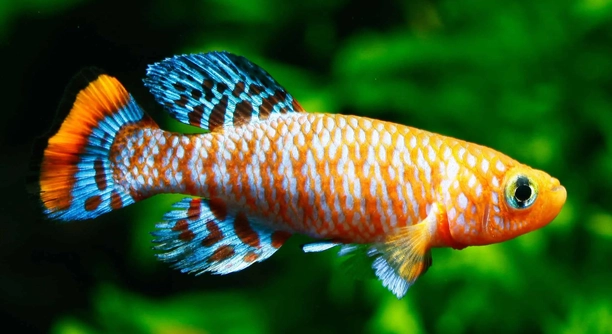
Killifish, often called Killis, are popular aquarium fish known for their vibrant colors and lively behavior. Many fish owners want to add companions to their tanks but worry about compatibility. Finding peaceful and suitable tank mates is important for a healthy environment.
Several fish species can coexist well with Killis, including small, non-aggressive fish that share similar water conditions and temperaments. Ideal tank mates include certain tetras, rasboras, and peaceful bottom dwellers, which reduce stress and promote harmony in the aquarium.
Choosing the right companions helps create a balanced tank where each fish thrives peacefully alongside Killis. This article will highlight seven good tank mate options that work well with these colorful fish.
Small Tetras: Calm and Colorful Companions
Small tetras are a great match for Killis because they have similar water needs and peaceful behavior. Fish like neon tetras or ember tetras stay small and avoid aggression, which helps keep the tank calm. Their bright colors also complement Killis, creating a lively but balanced aquarium. Tetras usually swim in the middle to upper levels of the tank, leaving space for Killis to explore other areas. They are schooling fish, so keeping at least six together helps them feel secure and less stressed. When choosing tetras, it’s important to provide enough hiding spots with plants or decorations so all fish can feel safe. Regular water changes and stable conditions support both species well. Overall, small tetras add movement and color without disturbing the Killis, making them reliable tank mates for peaceful aquariums.
Tetras require similar water parameters as Killis, such as slightly acidic to neutral pH and moderate temperature, making tank care easier. Their peaceful nature reduces conflicts in the aquarium.
Adding small tetras can enhance your tank visually while maintaining peace. Their schooling behavior also encourages natural fish activity, which keeps the tank environment dynamic and engaging. These fish do not compete aggressively for food and coexist without stressing Killis. By providing a planted tank with open swimming space, both species thrive comfortably. This balance helps create a healthy aquatic habitat where Killis can display their vibrant colors without fear or stress. Small tetras make the aquarium feel lively without overcrowding or causing fights, which is important for long-term tank health.
Corydoras Catfish: Gentle Bottom Dwellers
Corydoras catfish live at the bottom and help keep the tank clean. They are peaceful and won’t bother Killis.
These catfish are small, armored fish that prefer to stay on the tank floor, scavenging for leftover food. Corydoras work well with Killis because they occupy different parts of the aquarium, reducing competition for space. They also have calm temperaments and avoid aggressive behavior. Their social nature means they should be kept in groups of at least four to feel comfortable. Corydoras appreciate soft substrate like sand or smooth gravel to protect their barbels while foraging. Because they eat leftover food, they help keep the tank clean, which benefits all fish. They also enjoy planted tanks that provide hiding spots and shelter. Their presence adds diversity to the tank without increasing stress or territorial disputes. Overall, Corydoras catfish are reliable bottom dwellers that balance the tank’s ecosystem and complement the active Killis swimming above.
Harlequin Rasboras
Harlequin rasboras are peaceful fish that share similar water conditions with Killis. Their calm nature and schooling habits make them excellent tank mates, avoiding stress and aggression.
These fish have a striking, copper-orange body with a black triangular patch, adding visual interest without overwhelming the tank. They prefer slightly acidic to neutral water, which matches Killis preferences well. Harlequin rasboras swim in the middle and upper levels of the tank, complementing the Killis’ active swimming patterns. Keeping them in groups of six or more helps reduce stress and encourages natural behavior. They are hardy and adapt well to community tanks with peaceful species. Their peaceful temperament means they don’t compete aggressively for food or territory. Overall, they fit well into a balanced aquarium, providing both beauty and harmony.
Maintaining stable water parameters and sufficient space is important for both Killis and harlequin rasboras to thrive together. These fish benefit from planted tanks with open swimming areas, promoting a calm, healthy environment.
Otocinclus Catfish
Otocinclus catfish are small algae eaters that help keep tanks clean without bothering Killis. Their gentle nature and bottom-dwelling habits make them suitable companions.
They are excellent for controlling algae growth, which improves water quality and reduces maintenance. Otocinclus prefer well-planted tanks with plenty of hiding spots and moderate water flow. Because they are shy, they should be kept in groups of at least four to feel secure. These fish require stable water conditions with low nitrate levels and regular feeding with algae wafers or blanched vegetables. Their peaceful behavior means they won’t compete with Killis for food or space, and they usually avoid direct interaction. Adding Otocinclus helps maintain a cleaner tank environment, which benefits all inhabitants by reducing harmful algae buildup and supporting overall tank health.
Guppies
Guppies are small, peaceful fish that get along well with Killis. They have similar water requirements and add lively colors to the tank.
Their active swimming style matches Killis’ energy, creating a balanced and engaging aquarium environment.
White Cloud Mountain Minnows
White Cloud Mountain Minnows tolerate a wide range of water conditions, making them adaptable tank mates for Killis. They are peaceful and prefer cooler water, which can overlap with Killis’ needs. These fish are schooling and should be kept in groups to reduce stress. Their small size and calm behavior prevent competition for territory. White Clouds swim mainly in the middle and upper tank levels, leaving space for Killis near the bottom or plants. Their hardiness makes them a low-maintenance choice that helps maintain a peaceful community tank.
Zebra Danios
Zebra Danios are energetic swimmers that do well with Killis when given enough space. They tolerate a range of water parameters and are generally peaceful. Danios should be kept in groups to encourage natural schooling behavior. Their constant movement adds activity to the tank, but they are unlikely to harass Killis if the tank is large enough. They prefer open swimming areas and do best in tanks with plenty of hiding spots. Overall, zebra danios bring liveliness and complement Killis without causing stress.
Snails
Snails are great tank mates because they help clean algae and leftover food without bothering Killis. They add variety and function to the aquarium.
What makes a good tank mate for Killis?
A good tank mate for Killis should be peaceful, small, and share similar water conditions. Killis prefer slightly acidic to neutral pH and moderate temperatures, so tank mates that thrive in the same environment are best. Aggressive or much larger fish can stress or harm Killis, so avoiding those is important. Ideal companions also swim at different tank levels or occupy different areas, reducing competition for space. Fish that school calmly or are bottom dwellers typically fit well with Killis because they don’t compete directly for territory. Choosing species that have compatible temperaments helps keep the aquarium peaceful and supports the health of all inhabitants.
Can Killis live with aggressive fish?
Killis generally do not do well with aggressive fish. Their peaceful nature and small size make them vulnerable to bullying or attacks. Aggressive species can cause stress, injury, or even death in Killis. Stress weakens their immune system, leading to disease and shorter lifespans. If you want a community tank, it is best to avoid aggressive fish altogether. Instead, focus on calm, non-territorial species that respect Killis’ space. Proper tank size, hiding spots, and plant cover also help reduce conflicts. Maintaining a peaceful environment promotes natural behavior and bright coloration in Killis.
How many tank mates can I keep with Killis?
The number of tank mates depends on the tank size and species chosen. A good rule is to avoid overcrowding, which leads to poor water quality and stress. For a 20-gallon tank, six to eight Killis plus a small group of schooling fish like tetras or rasboras usually works well. Bottom dwellers like Corydoras or Otocinclus can be added in small groups without overcrowding. Always monitor water parameters and behavior when adding new fish. Adding too many tank mates at once can cause stress and territorial disputes. A balanced number ensures all fish have enough space to swim and hide.
What are signs of stress in Killis caused by tank mates?
Signs of stress include faded colors, hiding frequently, erratic swimming, and loss of appetite. Killis under stress may also become more aggressive or lethargic. Physical signs like torn fins or injuries suggest bullying. If stress is caused by tank mates, these behaviors usually start soon after new fish are introduced. Monitoring your fish regularly helps catch problems early. Adjusting tank mates or improving the environment with plants and hiding spots can reduce stress. Keeping the water clean and stable also supports fish health.
Are live plants important when keeping Killis with other fish?
Yes, live plants provide essential hiding spots and reduce stress for Killis and their tank mates. Plants create a natural environment where fish can retreat if they feel threatened. They also help improve water quality by absorbing nitrates and producing oxygen. Some fish, like Corydoras and Otocinclus, benefit from planted tanks because it mimics their natural habitat. Dense plants soften aggressive behaviors and encourage peaceful interactions. Overall, plants make the aquarium more comfortable and healthier for all species living together with Killis.
Can Killis breed in a community tank?
Killis can breed in a community tank, but it depends on tank conditions and tank mates. Peaceful tank mates increase the chance of successful breeding because they do not harm the eggs or fry. However, some fish may eat the eggs or baby Killis. To increase survival rates, providing plenty of plants or spawning mops gives eggs places to hide. Separating breeding pairs into a dedicated tank is often recommended for better control. Good water quality, stable temperature, and a nutritious diet also support breeding success.
What should I feed Killis and their tank mates?
Killis eat a variety of foods including flakes, pellets, frozen, and live foods like brine shrimp or bloodworms. A varied diet helps maintain their bright colors and good health. Tank mates like tetras and rasboras eat similar foods, while bottom dwellers prefer sinking pellets or algae wafers. Feeding small amounts two to three times a day prevents overfeeding and water pollution. Uneaten food should be removed to avoid poor water quality. Providing the right diet keeps all fish energetic and healthy in a shared tank.
Choosing the right tank mates for Killis is important for creating a peaceful and healthy aquarium. Killifish are delicate and colorful fish that do best with companions that do not cause stress or compete aggressively. Small, peaceful fish that share similar water needs tend to be the best options. Species like tetras, rasboras, and gentle bottom dwellers can live comfortably alongside Killis. Providing enough space, plants, and hiding spots helps reduce any potential tension and allows each fish to thrive. A well-balanced tank makes caring for Killis easier and more enjoyable.
It is also important to keep an eye on water quality and tank conditions when mixing species. Killis prefer slightly acidic to neutral water and moderate temperatures. Choosing tank mates that match these parameters keeps all fish healthy and reduces the risk of illness. Regular water changes and careful feeding support a stable environment. When introducing new fish, it helps to do so slowly and watch for any signs of stress or aggression. If problems arise, adjusting the number or type of fish can restore balance and peace in the aquarium.
Overall, with careful planning and attention, Killis can live happily with a variety of compatible fish. Their bright colors and active swimming patterns make the tank interesting and lively. Adding peaceful tank mates not only improves the aquarium’s appearance but also promotes natural behavior and reduces stress for Killis. By focusing on peaceful, similarly sized fish that enjoy the same water conditions, fish owners can build a thriving community tank that is enjoyable to watch and easier to maintain. Taking the time to research and choose suitable companions ensures the best environment for Killis and their tank mates.

Hello,
If you enjoy the content that we create, please consider saying a "Thank You!" by leaving a tip.
Every little bit helps us continue crafting quality advice that supports the health, happiness, and well-being of pets around the world, for pets of all shapes, sizes, and species.
We really appreciate the kindness and support that you show us!