
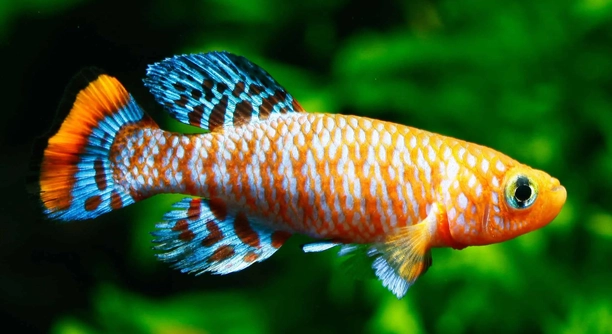
Killi fish are popular among aquarium enthusiasts who enjoy breeding them. Many hobbyists look for ways to improve breeding success and raise healthy fry. Proper care and nutrition play a key role in this process.
Providing a diet rich in specific nutritious foods significantly enhances killi breeding outcomes. Balanced feeding supports fish health, stimulates spawning behavior, and improves egg quality, ultimately leading to higher fry survival rates and stronger offspring.
Knowing which foods help boost breeding success can make a big difference in your killi fish care routine and overall results.
Live Foods for Better Nutrition
Live foods are often the best choice for killi fish during breeding. These foods include small insects, larvae, and tiny crustaceans. They provide high protein and essential nutrients that boost the fish’s health and energy. Feeding live foods encourages natural hunting behavior, which helps stimulate breeding activity. Many breeders use live blackworms, daphnia, or mosquito larvae to keep their killis in top shape. These foods are fresh and full of vitamins that dry pellets sometimes lack. Offering a variety of live foods ensures the fish get a balanced diet and reduces the risk of nutritional gaps. Using live food regularly also improves the color and vitality of both adult killis and their fry. Keep live food clean and safe to avoid introducing diseases into your aquarium.
Feeding live foods regularly increases the chances of successful spawning and healthier fry development in killi fish.
Including live foods in your killi’s diet mimics their natural eating habits and supports their reproductive system. These foods improve egg production and increase fry survival rates. When you combine live foods with good water conditions, you create an ideal breeding environment. Watching your killi thrive on this diet is rewarding, as you see more eggs laid and more fry growing strong. The variety and freshness of live foods make them a top choice for breeders who want consistent results.
Vegetables and Plant Matter
Vegetables can be a helpful addition to your killi fish’s diet, especially during breeding. While killis mainly eat protein, small amounts of plant matter provide important vitamins and fiber. Vegetables like spinach or peas can be lightly boiled and finely chopped for easier feeding. These greens help improve digestion and add nutrients that support the immune system. However, vegetables should only be a small part of the diet to avoid digestive issues.
A balanced diet with some plant matter helps keep killis healthy and supports their reproductive system.
Including vegetables ensures the fish get vitamins that live foods and pellets may miss. While protein is key for breeding, these extra nutrients help the adults stay strong and better resist stress. Preparing vegetables in small, soft pieces makes them easier to eat and digest. This variety also keeps your fish interested in their food. Healthy adults are more likely to spawn successfully and produce more viable eggs. So, combining vegetables with other foods improves overall breeding outcomes.
High-Quality Pellets and Flakes
High-quality pellets and flakes are a convenient way to feed killis. They provide essential nutrients in a balanced form. Choosing pellets made for carnivorous or omnivorous fish ensures your killis get enough protein for breeding.
Pellets and flakes offer a stable nutrition source when live foods aren’t available. Look for products rich in protein, vitamins, and minerals to support reproductive health. These foods help maintain energy levels needed for spawning and increase egg production. Some pellets also contain added color enhancers that improve the fish’s appearance. Be sure to avoid low-quality pellets with fillers or artificial ingredients, as these can harm your fish’s health. Combining pellets with live foods creates a more complete diet and better breeding results.
Regular feeding with high-quality pellets supports consistent breeding success and improves fry vitality. This food type is easy to store and manage, making it a practical option for daily care. Pellets also help maintain water quality since they dissolve slower than flakes, reducing waste buildup. Including them in your feeding plan ensures your killis get steady nutrition alongside the benefits of fresh foods.
Frozen Foods
Frozen foods are a good alternative when live options are limited. They keep many nutrients intact and are safer from parasites. Common frozen foods include bloodworms, brine shrimp, and daphnia.
Frozen foods offer convenience and nutrition for breeding killis. They retain much of the protein and vitamins found in live food but are easier to store and handle. Thaw frozen foods before feeding to prevent temperature shock to the fish. Regularly including frozen options ensures your killis get variety and balanced nutrition. Mixing frozen foods with live and pellet diets helps cover all nutritional bases. This combination supports reproductive health and helps maintain strong, vibrant adults ready to spawn. Using frozen foods wisely can boost egg quality and fry survival.
Vitamin-Rich Supplements
Vitamin supplements can improve killi breeding success by filling nutritional gaps. These supplements boost immune health and increase energy levels. Adding them to the diet supports better spawning and healthier fry.
Supplements like liquid vitamins or enriched foods provide extra nutrients not always present in regular feed. Use them carefully and follow dosage instructions to avoid overfeeding.
Small Insects
Small insects such as fruit flies or springtails are natural prey for killis. These insects are rich in protein and stimulate natural hunting behavior, which helps encourage breeding. They also provide essential fatty acids that support egg development.
Feeding small insects regularly promotes healthier adults and better fry survival.
Protein Variety
Offering a variety of protein sources is important for balanced nutrition. Different proteins provide unique amino acids needed for growth and reproduction.
Mixing live foods, frozen options, and pellets ensures killis receive a full range of nutrients. This variety helps maintain their health and improves breeding success. Consistent protein intake leads to more eggs and stronger offspring.
What are the best foods to feed killis for breeding?
The best foods for breeding killis include live foods like blackworms, mosquito larvae, and daphnia because they provide high protein and essential nutrients. Frozen foods such as bloodworms and brine shrimp are also excellent alternatives. High-quality pellets designed for carnivorous or omnivorous fish help maintain balanced nutrition. Adding small amounts of vegetables or vitamin supplements can improve overall health, but protein-rich foods remain the most important for stimulating spawning and producing healthy fry.
How often should I feed my killis during breeding?
Feeding killis 2 to 3 times a day with small portions is ideal during breeding. Frequent, smaller meals help maintain their energy levels without polluting the water. Overfeeding can lead to water quality problems and stress, which reduce breeding success. Rotate different food types, including live, frozen, and pellets, to keep their diet varied and balanced. Monitor your fish to adjust feeding amounts based on their activity and appetite.
Can I feed only pellets for breeding killis?
Pellets alone can provide basic nutrition, but they are rarely enough for optimal breeding. Killis respond best to diets that include live or frozen foods rich in protein and natural nutrients. Pellets serve as a convenient base, but without variety, the fish may lack the nutrients necessary for strong spawning behavior and healthy eggs. Combining pellets with live or frozen foods creates a more complete diet.
Are vegetables necessary for killi fish breeding?
Vegetables are not essential but can be a helpful supplement. Small amounts of boiled, finely chopped greens like spinach or peas offer vitamins and fiber that improve digestion and immune function. Because killis are mainly carnivorous, too many vegetables can cause digestive issues. Use vegetables sparingly to support overall health, which indirectly benefits breeding success.
How do frozen foods compare to live foods for breeding?
Frozen foods are a practical alternative to live foods because they retain much of the nutritional value and pose less risk of introducing diseases. They are easy to store and prepare but may lack some freshness and movement that stimulate natural hunting behavior. Feeding a mix of frozen and live foods offers both nutrition and stimulation, which encourages better spawning activity and fry development.
What vitamins are most important for breeding killis?
Vitamins A, C, and E are crucial for breeding killis because they support immune function, stress resistance, and reproductive health. Vitamin supplements or enriched foods help fill any gaps in the diet. Using liquid vitamins or fortified pellets can improve egg quality and fry survival. Always follow dosage instructions to avoid overdosing, which can harm your fish.
Is variety in diet important for killi breeding?
Yes, variety is key. Feeding different types of protein sources, including live insects, frozen foods, pellets, and some plant matter, ensures killis get all necessary nutrients. Variety prevents nutritional deficiencies that can lower egg production and fry health. It also keeps the fish interested and active, which supports natural breeding behavior.
Can feeding habits affect fry survival?
Feeding habits greatly impact fry survival. Healthy adult fish fed a balanced diet produce better eggs and more viable offspring. Providing nutritious foods regularly keeps parents strong and reduces stress. After hatching, offering small live foods helps fry grow quickly and stay healthy. Poor feeding or inconsistent diets can result in weak fry and lower survival rates.
How do I prepare foods to boost killi breeding?
Prepare live and frozen foods by rinsing them thoroughly to remove debris or contaminants. Thaw frozen foods slowly in tank water to avoid temperature shock. For vegetables, boil and chop finely to make them easier to digest. Avoid overfeeding and remove uneaten food promptly to keep water quality high. Proper preparation ensures maximum nutrition and reduces risks to your fish.
Are supplements necessary if feeding live and frozen foods?
Supplements are not always necessary but can be beneficial if your diet lacks variety or if water conditions stress your fish. They provide extra vitamins and minerals that promote immune health and reproductive success. Use supplements carefully and as a complement to a balanced diet. Overuse can cause water pollution and harm the fish.
What signs show my killis are ready to breed after diet changes?
You may notice increased activity, brighter colors, and courtship behavior once you improve their diet. Males often display more vibrant fins, and females may appear fuller as eggs develop. These changes indicate that your feeding efforts are working and the fish are preparing to spawn. Consistent high-quality nutrition helps maintain these signs over time.
Providing the right foods is one of the most important steps in helping killi fish breed successfully. A diet rich in protein, vitamins, and minerals supports their health and encourages natural breeding behavior. Including a mix of live foods, frozen options, and high-quality pellets gives the fish balanced nutrition. Small amounts of vegetables and vitamin supplements can also add helpful nutrients. Feeding your killis properly helps improve egg quality and increases the chances of raising strong, healthy fry. Good nutrition combined with clean water and proper tank conditions creates the best environment for breeding.
It is also important to offer variety in your killi fish’s diet. Different foods provide different nutrients, and variety keeps your fish interested and active. Live foods like blackworms or fruit flies provide fresh protein and stimulate natural hunting behavior, which helps trigger spawning. Frozen foods, such as bloodworms and brine shrimp, offer convenience while keeping many nutrients intact. Pellets and flakes serve as a reliable daily staple. By rotating these food types, you can cover all the nutritional bases your fish need. This approach supports their reproductive system and boosts overall health.
Keeping in mind that overfeeding can harm water quality and stress the fish, it is best to feed smaller amounts several times a day. Removing uneaten food helps maintain clean water, which is just as important as good nutrition. By focusing on the right diet and tank care, you create an environment where your killi fish can thrive and breed successfully. Paying attention to their food needs will make a noticeable difference in breeding results and fry survival. Overall, a well-planned diet is a simple but powerful way to support killi breeding success.

Hello,
If you enjoy the content that we create, please consider saying a "Thank You!" by leaving a tip.
Every little bit helps us continue crafting quality advice that supports the health, happiness, and well-being of pets around the world, for pets of all shapes, sizes, and species.
We really appreciate the kindness and support that you show us!