
Have you ever come across a killifish with pale skin and pinkish eyes and wondered what makes it look so unique?
Albino traits in killifish are caused by genetic mutations that affect melanin production, resulting in the absence or reduction of pigmentation in the skin, eyes, and scales.
This trait may seem rare, but it has a scientific explanation tied to inherited genes. Understanding how this happens can help fishkeepers better care for their albino killifish.
What Causes Albino Traits in Killifish
Albino traits in killifish are the result of specific genetic mutations. These mutations prevent the production of melanin, the pigment responsible for color in the skin, eyes, and scales. When melanin is missing, the fish appear pale or white, often with red or pink eyes due to visible blood vessels. These mutations are usually inherited in a recessive manner, meaning both parents must carry the gene for the offspring to show albinism. Albino fish are not sick; they are just genetically different. In killifish, selective breeding has sometimes encouraged the appearance of albinism, especially among hobbyists who favor unique colors. The lack of pigment can also make albino killifish more sensitive to light. Their eyes can struggle with strong lighting, which may affect how they behave in a tank. These fish require a bit of extra care to stay healthy in home aquariums.
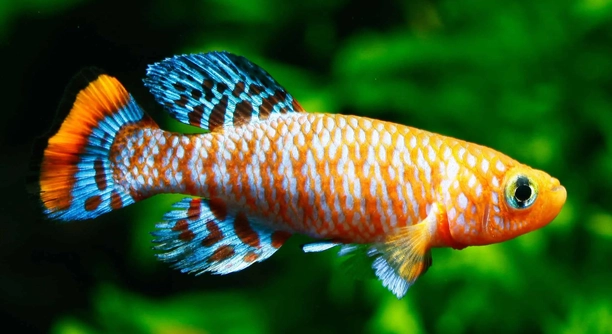
Albino killifish are easy to identify due to their light coloring and red or pink eyes.
In some cases, albinism may also affect other parts of the fish’s body, such as its fins and internal organs. The absence of melanin can make the fish look slightly translucent, especially in certain lighting. While this might seem unusual, it’s a natural part of how genetics work. Breeders often use selective pairing to produce albino offspring, aiming to enhance the pale coloring that some people find attractive. However, this also requires careful planning to maintain the overall health of the fish population. Albino killifish might need gentler lighting or more shaded areas in their tank, especially if their eyes are overly sensitive. Providing plants or darker decorations can help reduce stress. These fish can still thrive and live normal lives as long as their environment supports their needs. Understanding their unique traits makes it easier to care for them properly.
How Do These Traits Pass to Offspring?
Albinism in killifish is passed down through recessive genes from both parents.
When two killifish that carry the albino gene mate, there is a chance their offspring will show albinism. For this to happen, both parents must either be albino themselves or be carriers of the gene. Carriers may look normal but still have the gene hidden in their DNA. If only one parent carries the gene, the offspring may carry it too but won’t look albino. Breeders often track lineages to predict which pairings may result in albino fry. This process helps them maintain genetic variety while still producing fish with desirable traits. Albino traits do not develop after birth; they are present from the beginning. Once the fry hatch, it’s usually easy to tell if they are albino by looking at their skin and eye color. Managing these traits responsibly ensures a healthy and balanced population. Genetics plays a key role in shaping the appearance of every fish.
Common Misunderstandings About Albino Killifish
Many people think albino killifish are unhealthy or sick, but this isn’t true. Albinism is just a genetic trait and doesn’t mean the fish is weaker or more fragile by default. They can live normal lives with proper care.
Some assume albino fish can’t see well or are blind. While their vision might be more sensitive to light, they are not blind. They just need lower lighting or shaded spots in the tank. Another misunderstanding is that albinism always leads to health problems. That’s not always the case. If the fish are bred and raised responsibly, they can be just as healthy as pigmented killifish. People may also confuse albino fish with leucistic ones. Leucistic fish have pale skin but usually still have dark eyes, while albinos lack pigment in both the body and the eyes. Knowing the difference helps when choosing fish or setting up tanks.
Albino killifish are also sometimes mistaken for different species because of their appearance. Their pale color can make their patterns and scale details harder to see. This confusion can affect how they’re grouped, bred, or even cared for. Labeling them correctly is important, especially in breeding programs. Another common belief is that albino fish don’t survive long in the wild. While this is partly true due to their visibility to predators, in captivity, this isn’t an issue. With a proper tank setup, they live just as long as other killifish. They aren’t more sensitive to water conditions, but good maintenance is always important. It’s better to focus on their actual needs instead of making assumptions based on looks alone.
Special Care Considerations for Albino Killifish
Albino killifish benefit from softer lighting, as their eyes are more sensitive to bright light. A gentle setup helps reduce stress and encourages natural behavior, such as swimming freely and feeding without hesitation. Use plants and décor to create shaded areas in the tank.
Their diet and general care needs are similar to those of other killifish, but it’s helpful to reduce sudden changes in lighting or tank conditions. If you’re using strong aquarium lights, try placing floating plants at the top to soften the light that reaches them. Consistent water temperature and clean conditions are important for all fish, but especially for albinos, since stress from environmental changes can sometimes affect them more quickly. Keep an eye on their behavior—if they hide too much or stop eating, something may be off. Regular feeding with high-quality food, good filtration, and a peaceful environment will support their health and keep their coloring looking its best.
Environmental Factors That Matter
Bright lighting can be stressful for albino killifish. Their light-sensitive eyes often struggle under harsh tank lights, so it’s better to use dimmer options or provide shaded areas using plants or decorations. This helps them feel safe and swim more comfortably throughout the day.
Temperature stability also plays a big role. Sudden changes in water temperature can lead to stress or illness. Keep the tank between 72–75°F and avoid cold drafts or overheating. Consistent water quality, with regular cleanings and filtered flow, ensures a safe and steady environment for your albino killifish.
Signs of Stress to Watch For
Albino killifish that are stressed may start hiding more than usual or stop eating. Their color might look dull, or they may dart quickly around the tank. These behaviors often signal discomfort from lighting, tank mates, or water conditions that need adjusting.
Albino Traits and Tank Mates
Albino killifish are peaceful and usually do well with other calm species. It’s best to avoid aggressive or fast-swimming tank mates that may chase or outcompete them for food. Stick with gentle fish that enjoy similar water conditions to reduce stress and keep the tank peaceful.
FAQ
Are albino killifish a separate species?
No, albino killifish are not a separate species. They are simply a color variation of existing killifish species. The albino appearance is caused by a genetic mutation that affects pigment production, but the fish remains the same species. For example, you might find albino versions of golden wonder killifish or Aphyosemion species. These fish have the same behaviors, dietary needs, and care requirements as their pigmented counterparts. The only major difference is the lack of melanin, which gives them their pale look and pink or red eyes.
Do albino killifish live as long as regular killifish?
Yes, albino killifish can live just as long as non-albino killifish. Their lifespan depends more on the species and the quality of care they receive. On average, most killifish live between two to three years, with some species lasting a bit longer in ideal conditions. Being albino does not shorten their life, but they may need more attention to lighting and tank stress. When kept in a stable, low-stress environment with proper food and care, albino killifish live normal, healthy lives.
Can albino killifish breed with regular killifish?
Yes, albino killifish can breed with regular killifish of the same species. If one parent carries the albino gene and the other doesn’t, the offspring may not show the trait but could carry it. When two carriers breed, there is a chance the offspring will be albino. If both parents are albino, the offspring will likely be albino too. Breeders often plan pairings carefully to produce or avoid albino traits, depending on their goals. The breeding behavior and egg-laying process remain the same, regardless of coloration.
Do albino killifish have weaker eyesight?
Albino killifish don’t necessarily have weaker eyesight, but their eyes are more sensitive to light. This is because they lack the pigment that usually helps protect the eyes from bright light. They may squint, avoid strong lighting, or seek out shaded parts of the tank. Their behavior might seem different under bright lights, but in a low-light setup, they behave just like regular killifish. Their vision still works well enough to find food, navigate, and interact with other fish.
Are albino killifish more fragile than others?
Not really. Albino killifish are not inherently more fragile than pigmented fish, but they may react more quickly to stress. Their lighter bodies can make symptoms more noticeable if they get sick or injured. They might also get startled more easily under bright lights or in tanks with fast-moving fish. However, with stable water conditions, soft lighting, and calm tank mates, they remain healthy and active. Their needs aren’t much different—you just have to watch a few extra details.
Can I keep albino killifish in a community tank?
Yes, as long as the tank mates are peaceful and not overly active. Albino killifish prefer a calm environment where they aren’t chased or bullied. Avoid fin-nippers and large, aggressive species. Good tank mates include small rasboras, peaceful tetras, and bottom dwellers like corydoras. Always make sure the tank is not overcrowded and that hiding spaces are available. This helps keep stress levels low and allows albino killifish to behave naturally.
Why do albino killifish sometimes appear see-through?
Albino killifish may look partially transparent due to the lack of pigment in their skin and scales. Without melanin, their tissues don’t block as much light, and you might see faint outlines of internal organs, especially under certain lighting. This is normal and not a sign of illness. Some species appear more translucent than others, depending on their natural body structure and how their scales reflect light. While this might seem strange at first, it’s a natural result of their genetics.
Is it okay to breed albino killifish regularly?
It’s okay if done responsibly. Breeding albino killifish too often without attention to genetics can lead to inbreeding and weaker fish. To avoid health problems, breeders should introduce genetic variety by mixing lines and avoiding repeated pairings of closely related fish. Breeding for albino traits should also focus on maintaining strong, healthy offspring—not just pale coloring. If you’re breeding at home, it helps to track pairings and monitor fry development to ensure good results. Responsible breeding supports both health and appearance.
Final Thoughts
Albino killifish may look different from other fish, but their needs are mostly the same. The pale body and red or pink eyes are caused by a genetic trait that affects melanin. This lack of pigment is harmless and does not mean the fish is sick or unhealthy. Albino killifish can live long, healthy lives with the right care. They do best in a calm, well-maintained tank with stable water conditions and gentle lighting. Since their eyes are sensitive to bright lights, it helps to provide shaded areas with plants or decorations. Simple changes like these can make a big difference in their comfort.
Some people might assume albino killifish are fragile or difficult to care for, but that’s not true. Like any fish, they need clean water, a balanced diet, and a peaceful environment. They enjoy the same food as other killifish and have similar habits when it comes to swimming and interacting. The biggest difference is how their bodies respond to light and stress, which just means they need a little extra attention in those areas. Watching their behavior closely can help you notice any signs of stress early. This allows you to adjust their setup before problems grow.
Caring for albino killifish can be a rewarding experience. Their unique look adds variety to any tank, and they can live peacefully with other gentle fish. Whether you keep them for their appearance or are simply interested in their traits, it’s important to understand how albinism affects their care. Providing soft lighting, stable temperatures, and low-stress surroundings helps them thrive. Breeding them also requires thought, especially if you plan to keep the albino traits going in the next generation. As long as you pay attention to their specific needs and give them proper care, albino killifish can live just as happily as any other fish in your aquarium.

Hello,
If you enjoy the content that we create, please consider saying a "Thank You!" by leaving a tip.
Every little bit helps us continue crafting quality advice that supports the health, happiness, and well-being of pets around the world, for pets of all shapes, sizes, and species.
We really appreciate the kindness and support that you show us!