
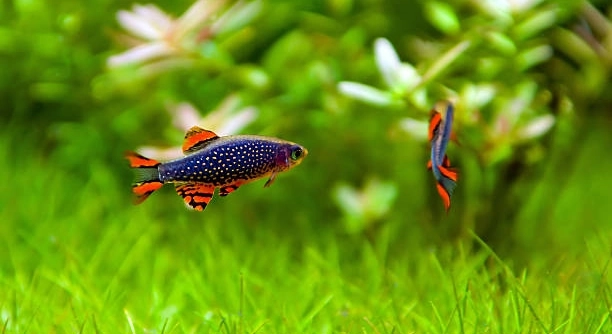
Keeping your danios healthy requires more than just feeding them regularly. Maintaining clean water is essential, and small mistakes can quickly affect their wellbeing. Understanding the right tools makes the process easier and less stressful.
Several tools can help maintain danio water quality effectively, including water testing kits, filtration systems, gravel vacuums, algae scrapers, heaters, aerators, and water conditioners. Each tool plays a specific role in ensuring a stable and safe aquatic environment for the fish.
These tools simplify daily maintenance and prevent common water problems from affecting your danios. Learning how each works will make caring for your fish much easier.
Water Testing Kits
Using a water testing kit is one of the easiest ways to keep track of your danios’ environment. I started using one when I noticed my fish acting a bit sluggish, and it quickly showed me that ammonia levels were rising. The kits measure parameters like pH, ammonia, nitrite, and nitrate. Keeping these levels in check prevents stress and illness in your fish. Regular testing gives peace of mind and helps you react before problems become serious. I usually test once or twice a week, and after adjusting water conditions, my danios became more active and colorful. Testing kits are affordable and available in both liquid and strip formats, so you can choose what feels convenient. Even a small tank benefits from regular monitoring, and this simple tool helps maintain a balanced ecosystem without complicated procedures.
Water testing kits give clear results quickly, helping prevent toxic water conditions before they harm your fish.
The data from a testing kit can guide all your maintenance decisions. For instance, if ammonia is high, you might need to change water or check filtration. If pH fluctuates, additives can stabilize it. Testing also helps you understand how feeding schedules, tank size, and plants affect water quality. Over time, you notice trends, like nitrate gradually increasing between water changes, which allows you to adjust cleaning schedules. Tracking water parameters consistently reduces the risk of diseases like ich or fin rot. For new danio owners, it’s also a learning tool to understand how fish interact with their environment. In short, testing kits are not just for emergencies—they are a daily guide for keeping your fish healthy, bright, and active, making tank care much less stressful.
Filtration Systems
A good filtration system is essential for keeping danio water clear and safe. I upgraded my old filter and immediately noticed less debris and clearer water.
Filters remove waste, leftover food, and harmful chemicals. Mechanical, chemical, and biological filtration work together to maintain balance. A reliable filter reduces cleaning time, keeps water oxygenated, and prevents harmful buildup. Choosing the right size filter for your tank ensures steady water flow without stressing your fish. I prefer filters with replaceable media because they are easy to maintain. Cleaning the filter regularly avoids clogs and keeps it efficient. Some filters also offer adjustable flow rates, which is useful for small or young danios that prefer gentler currents. A properly maintained filtration system creates a stable environment, reduces sudden chemical changes, and allows your fish to thrive without constant intervention.
Would you like me to continue with the next tools section in the same format?
Gravel Vacuums
I use a gravel vacuum every week to remove leftover food and waste from the tank bottom. It keeps the substrate clean and prevents harmful bacteria from building up. The process is simple and doesn’t disturb my danios much.
Regular use of a gravel vacuum helps maintain a cleaner environment by removing organic debris that sinks into the substrate. Uneaten food and fish waste can decompose, producing ammonia and other harmful compounds. Vacuuming the gravel ensures that these materials are removed before they impact water quality. It also prevents excess nutrients that can fuel algae growth, which is a common problem in small tanks. I usually combine vacuuming with partial water changes, which makes the process more effective. Over time, a clean substrate supports healthier plants and reduces unpleasant odors. It also allows me to inspect the tank closely, spotting any signs of disease or tank damage early.
Gravel vacuums are easy to use and fit most tank sizes. Even a small, simple device makes maintenance faster, more efficient, and less stressful. With regular care, my danios swim in clean, clear water, and the tank looks much more inviting.
Algae Scrapers
I use an algae scraper daily to keep glass and decorations free from buildup. It only takes a few minutes but makes a noticeable difference in water clarity.
Scraping algae prevents it from covering the tank and plants. If left unchecked, algae can block light and reduce oxygen levels, making the environment less comfortable for danios. I have both handheld and magnetic scrapers, which allow me to clean both inside and outside surfaces without disturbing the fish too much. Some algae are stubborn, so scraping regularly keeps it under control and prevents the need for harsh chemicals. I also pay attention to decorations, rocks, and filter intakes, since algae can hide in small spaces. Consistent scraping helps maintain a natural look while supporting healthy fish behavior. Over time, this routine reduces maintenance stress and ensures my tank stays visually appealing.
Scraping algae regularly reduces buildup and protects water quality. It keeps tanks looking fresh and creates a healthier, brighter space for danios to thrive.
Heaters
I keep a small heater in my danio tank to maintain a stable temperature. Sudden drops can stress the fish, so the heater keeps water consistent and comfortable.
I set it to a steady range that suits danios. Checking it regularly ensures it’s working properly.
Aerators
Aerators help circulate water and increase oxygen levels. I noticed my fish are more active and calmer when the tank has steady bubbles. They prevent stagnant areas and support healthier water conditions.
Water Conditioners
I always use water conditioners when adding new water. They neutralize chlorine and other harmful chemicals from tap water, keeping the environment safe for danios.
FAQ
How often should I test my danio tank water?
I test my tank at least once a week. Regular checks help me catch rising ammonia, nitrite, or nitrate before they harm the fish. If I notice unusual behavior or cloudiness, I test immediately to adjust water conditions.
Can I rely solely on a filter for clean water?
Filters are essential, but they can’t replace other maintenance. I still do partial water changes, gravel cleaning, and algae control. Filters remove debris and chemicals but don’t prevent all buildup, so combining tools is important for healthy water.
Is it necessary to use a heater for danios?
Danios are tolerant of slight temperature changes, but sudden drops can stress them. I keep a heater set to a consistent range, especially in cooler months. Stable water temperature supports feeding, activity, and overall health.
How do I know if my water has too much algae?
I watch the tank surfaces and decorations. When algae starts covering glass or plants, it signals excess nutrients or light. Regular scraping and balanced feeding prevent overgrowth. A little algae is normal, but unchecked buildup can affect water quality.
Are aerators really important for a small tank?
Yes. Even small tanks benefit from better oxygen circulation. I noticed my danios swim more actively with gentle bubbles and fewer stagnant areas. Aerators improve oxygen exchange and keep water healthy, especially in warmer conditions.
Can I skip water conditioners if I use filtered tap water?
I never skip conditioners. Even filtered tap water can have traces of chlorine or chloramine. Adding a conditioner ensures these chemicals are neutralized, protecting gill health and preventing stress. It’s a simple step with big benefits.
How often should I clean the gravel?
Gravel cleaning depends on feeding and tank size, but I vacuum it weekly. Removing uneaten food and waste prevents ammonia spikes. Over time, regular cleaning reduces odors and supports a balanced substrate for plants and fish.
Do I need different tools for a planted tank?
Yes, but the main tools remain similar. I just vacuum gently around roots, scrape algae off leaves carefully, and monitor water parameters closely. Plants can affect nutrient levels, so testing and maintenance are slightly adjusted.
How do I prevent cloudy water?
I combine frequent water changes, proper filtration, and substrate cleaning. Overfeeding often causes cloudiness, so I measure portions carefully. Aeration and scraping also help maintain clear water. With this routine, my tank stays visually clean and safe for danios.
What is the best way to maintain long-term water quality?
Consistency is key. I keep a schedule of testing, cleaning, and conditioning water. Each tool—filters, heaters, aerators, vacuums, scrapers—plays a role. Regular maintenance prevents sudden problems, keeps fish active, and allows me to notice subtle changes early. Over time, the tank becomes easier to manage.
This FAQ covers the main concerns I’ve had while keeping danios, and consistent use of these tools keeps water stable, clear, and safe. Each practice complements the others, creating a healthier environment for my fish. Monitoring, cleaning, and adjusting gradually makes maintaining water quality much simpler and less stressful.
Maintaining a healthy environment for danios doesn’t have to be complicated. I’ve found that using a few reliable tools consistently makes a big difference. Water testing kits, filters, gravel vacuums, algae scrapers, heaters, aerators, and water conditioners all serve clear purposes. Each one addresses a specific need, from keeping water chemically balanced to preventing debris buildup or increasing oxygen levels. By using these tools together, I can keep my tank stable without constantly worrying about sudden problems. Over time, a small routine of testing, cleaning, and adjusting water conditions becomes second nature, and the danios remain active, colorful, and healthy.
It’s important to approach maintenance in a practical way rather than trying to do everything at once. I usually check water parameters first, because knowing ammonia, nitrite, nitrate, and pH levels informs the next steps. Filtration and aeration help maintain consistent water conditions, while regular gravel cleaning and algae scraping prevent hidden issues from growing unnoticed. I also make partial water changes while adding water conditioners, which removes impurities and protects the fish from harmful chemicals. I’ve noticed that when I follow this simple routine, the tank remains clear, the plants thrive, and the fish swim energetically. It saves time and reduces stress, because problems are easier to prevent than fix after they develop.
Over the long term, consistency is key. Even small mistakes, like overfeeding or skipping a water test, can add up, but sticking to these practices keeps the tank balanced. I’ve learned that understanding how each tool works and why it matters makes maintenance feel less like a chore. The tank becomes predictable and stable, and I can enjoy watching the danios without worrying about water quality constantly. Following these simple steps ensures that the fish live in a safe and comfortable environment, and it creates a more enjoyable, low-stress experience for anyone caring for them. Over time, keeping up with maintenance feels natural, and the results are visible in clear water, healthy plants, and lively, happy danios.

Hello,
If you enjoy the content that we create, please consider saying a "Thank You!" by leaving a tip.
Every little bit helps us continue crafting quality advice that supports the health, happiness, and well-being of pets around the world, for pets of all shapes, sizes, and species.
We really appreciate the kindness and support that you show us!