
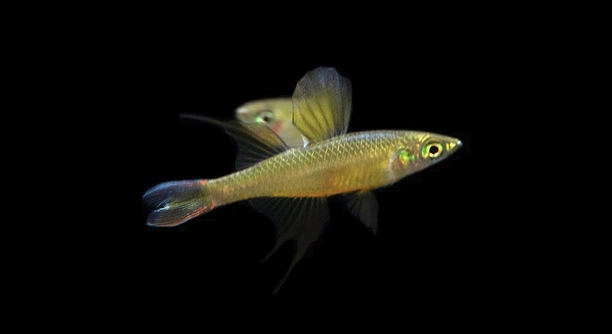
Do you ever notice your threadfins behaving shy or restless, leaving you unsure if they are truly comfortable in their aquarium space? Their natural behavior often depends on how well their environment supports their instincts and needs.
The best way to encourage natural behavior in threadfins is by providing an environment that mimics their natural habitat. Proper water quality, suitable tank mates, and thoughtful enrichment strategies are essential to ensuring their well-being and reducing stress-related behaviors.
From thoughtful aquarium setups to feeding approaches, each small adjustment plays a role in creating a healthier and more natural life for threadfins.
Provide a Spacious and Balanced Environment
Threadfins thrive when their surroundings feel open and calm. A spacious tank helps them swim naturally, reducing stress and encouraging their graceful movement. Overcrowded environments can disrupt their patterns and make them less active. Clean, well-maintained water is also critical, as threadfins are sensitive to changes in quality. Adding plants creates cover and helps them feel safe, while still leaving enough space to explore freely. Balance is important; too much decoration or clutter can limit swimming room, while too little can leave them feeling exposed. Creating this mix allows their natural behaviors to shine through daily.
A tank that feels both open and secure encourages threadfins to display their full range of behaviors. Swimming freely, resting in shaded areas, and showing calm interactions with tank mates become more noticeable in this type of environment.
Threadfins often respond to consistency, so avoiding sudden changes in their tank is key. Stable conditions reduce stress and help them adjust more easily. Pay attention to temperature, water flow, and lighting, since these factors directly affect their activity. A calm environment supports healthier habits, and over time, you’ll notice them becoming more comfortable. Observing them glide peacefully through the water is a sign that they are truly at ease.
Choose Suitable Tank Mates
Threadfins are peaceful fish, so keeping them with calm, non-aggressive species is the best option. Aggressive tank mates can disturb their behavior, making them hide or become less active.
When choosing tank mates, consider species that share similar water requirements and temperaments. Small, gentle fish like rasboras or tetras can make excellent companions, as they won’t compete aggressively for food or space. Avoid fast, boisterous fish that dart around constantly, since threadfins prefer a calmer pace. Compatibility reduces stress and supports natural schooling behaviors, which are often most visible when they feel safe in a group. Housing them with species that encourage calm dynamics makes them more likely to display natural swimming patterns and social interactions. Over time, their confidence grows, and you’ll see them spending more time in open areas rather than hiding. This balance leads to a healthier aquarium community where every fish has the chance to thrive peacefully.
Offer a Varied Diet
Feeding threadfins a balanced diet encourages their natural activity. Live foods, such as brine shrimp and daphnia, stimulate hunting behaviors. Mixing these with quality flakes or pellets ensures they receive proper nutrition without losing interest in feeding time.
Threadfins often show more vibrant colors and increased energy when their diet includes live or frozen foods. These options encourage them to chase and peck, mirroring how they would forage in nature. Flakes and pellets should not be skipped, as they provide important nutrients that may be missing from live foods alone. Rotating their meals prevents boredom and keeps them engaged, while also promoting a balanced intake of protein and vitamins. Offering food in small amounts multiple times a day can help mimic natural grazing patterns, which supports both their health and their instinctive behaviors.
It’s important to avoid overfeeding, as excess food can cloud the water and cause stress. Feeding should be consistent and thoughtful, with portions that match the size and activity of the group. Observing how quickly they consume their food helps in adjusting the right amount. A varied feeding routine not only improves their health but also makes them more expressive, showing natural movement and interaction during feeding times.
Maintain Gentle Water Flow
Threadfins are most comfortable in gentle currents, as strong water flow can tire them out quickly and disturb their natural swimming. Subtle movement allows them to glide smoothly, which reduces stress and encourages more consistent activity in the tank.
Aquarium filters often produce strong currents, so using spray bars or sponge filters can help soften the flow. Adjusting the outlet direction away from open swimming areas gives threadfins more control over their movement. A gentle current also supports feeding, as food drifts naturally, encouraging them to chase lightly without being overwhelmed. It’s best to mimic the calm waters they are accustomed to in the wild, which helps them feel secure. By carefully managing water flow, threadfins remain graceful and relaxed, displaying the behaviors that make them unique.
Add Natural Plants
Live plants provide cover and comfort for threadfins, reducing stress and encouraging natural exploration. Plants like java moss or hornwort work well, offering shade and shelter while keeping the environment closer to their natural habitat.
Plants also support better water quality by absorbing excess nutrients. This creates a more stable environment while giving threadfins safe areas to retreat. Observing them weave through plants shows they are more relaxed, making the aquarium feel like a balanced and natural space.
Keep Lighting Moderate
Threadfins do best under soft, steady lighting that avoids sudden brightness. Harsh light can cause them to hide more often, while dim, stable lighting encourages them to swim confidently. Consistent timing helps maintain their natural activity patterns throughout the day.
Offer Hiding Spots
Providing caves, driftwood, or simple rock structures gives threadfins security. These areas allow them to rest peacefully and return to open swimming when they feel safe, encouraging a balance between active behavior and calm hiding moments.
FAQ
How often should I feed my threadfins?
Threadfins benefit from small, frequent meals rather than one large feeding. Feeding them two to three times a day ensures they get proper nutrition without overloading the tank. Rotate between live, frozen, and high-quality pellet or flake foods to keep them healthy and engaged.
What water temperature is ideal for threadfins?
Threadfins thrive in moderately warm water, typically between 24–28°C (75–82°F). Maintaining a stable temperature helps reduce stress and encourages natural activity. Sudden fluctuations can make them shy or inactive, so a reliable heater and thermometer are recommended.
Can threadfins live with other fish?
Yes, threadfins can coexist with calm, non-aggressive species. Small tetras, rasboras, and other peaceful fish are suitable tank mates. Avoid aggressive or fast-moving fish that may compete for food or space, as this can disturb the threadfins’ natural behavior and make them hide.
How much space does a threadfin need?
Threadfins are active swimmers and require a spacious tank. A minimum of 75 liters (20 gallons) is recommended for a small group, with additional space for each added fish. Open swimming areas combined with hiding spots allow them to express natural behaviors while feeling secure.
Do threadfins need specific water flow?
Yes, they prefer gentle water currents that mimic their natural environment. Strong currents can tire them out or cause stress. Using adjustable filters or spray bars helps create a calm flow, allowing threadfins to glide smoothly and maintain normal swimming patterns.
How can I encourage natural behavior in my threadfins?
Provide a combination of proper tank size, gentle water flow, moderate lighting, live plants, and hiding spots. Feeding live or frozen foods stimulates hunting instincts. Observing them over time will show increased activity, exploration, and interaction, which are signs of comfort and well-being.
Are live plants necessary for threadfins?
Live plants are highly beneficial, though not strictly required. They offer shelter, reduce stress, and improve water quality. Plants like java moss or hornwort create areas for hiding and resting, helping threadfins feel secure while also allowing them to explore freely and display natural swimming behaviors.
What signs show my threadfins are stressed?
Threadfins that are hiding constantly, swimming erratically, or refusing food may be stressed. Stress can result from overcrowding, poor water quality, aggressive tank mates, or sudden changes in lighting or flow. Addressing these factors quickly helps restore their normal, natural behavior.
Can I keep only one threadfin?
Threadfins are social and usually do better in small groups. Keeping only one can result in shy or withdrawn behavior. A group of at least three promotes natural schooling behavior and allows them to interact comfortably, reducing stress and encouraging active movement in the tank.
How do I maintain water quality for threadfins?
Regular water changes, proper filtration, and monitoring of pH, ammonia, nitrite, and nitrate levels are crucial. Clean, stable water reduces stress and supports natural behaviors. Avoid overcrowding and remove uneaten food promptly to maintain a healthy environment that encourages swimming and feeding naturally.
Is moderate lighting enough for threadfins?
Yes, moderate lighting helps threadfins feel secure while maintaining normal activity patterns. Bright or fluctuating lights can make them hide or become stressed. A consistent lighting schedule of about 8–10 hours per day supports their natural rhythm and promotes healthy behavior in the tank.
How do hiding spots affect threadfin behavior?
Hiding spots like caves or driftwood give threadfins a sense of safety, encouraging them to explore the rest of the tank confidently. Providing areas to retreat reduces stress and allows them to balance rest and activity naturally, showing both shy and active behaviors in a comfortable environment.
Are threadfins sensitive to sudden changes?
Yes, they are sensitive to abrupt changes in water, lighting, or tank arrangement. Sudden disturbances can lead to hiding, reduced feeding, or erratic swimming. Gradual adjustments and consistent routines help maintain their comfort and encourage natural, confident behavior in the aquarium.
How important is tank cleanliness for threadfins?
Tank cleanliness is essential. Regular water changes and removing debris prevent poor water quality, which can stress threadfins and disrupt natural behaviors. A clean, stable environment ensures they swim freely, feed actively, and display the healthy patterns expected in a well-maintained aquarium.
What is the best diet mix for threadfins?
A combination of live foods, frozen foods, and high-quality pellets or flakes works best. Live foods stimulate natural hunting, while frozen options provide variety, and pellets/flakes ensure complete nutrition. Rotating these regularly keeps threadfins interested in feeding and promotes natural energy and coloration.
How can I tell if my threadfins are happy?
Active swimming, exploring the tank, feeding eagerly, and interacting calmly with tank mates are good indicators. Threadfins that use hiding spots appropriately, display normal coloration, and glide smoothly through the water are showing signs of comfort and well-being, reflecting a healthy and natural lifestyle.
Do threadfins need specific tank decorations?
Decorations are important mainly for hiding and enrichment. Driftwood, rocks, and plants create shelter and reduce stress, while open swimming space is equally necessary. Balancing decorations ensures threadfins can explore, rest, and engage in behaviors that resemble their natural environment without feeling trapped or exposed.
Can water flow adjustments improve their behavior?
Yes, adjusting water flow to a gentle current supports natural swimming patterns and reduces stress. Too strong a flow can exhaust them, while too little may limit stimulation. A calm, steady flow encourages exploration, feeding, and normal schooling behavior in the aquarium.
How often should I check water parameters?
Monitoring pH, ammonia, nitrite, and nitrate levels at least weekly is recommended. Threadfins are sensitive to changes, and maintaining stable water conditions helps prevent stress, disease, and behavioral problems. Regular checks ensure a comfortable environment that encourages natural activity and healthy development.
Are temperature changes harmful to threadfins?
Sudden temperature swings can cause stress and impact their immune system. Maintaining a stable range of 24–28°C (75–82°F) keeps them active and comfortable. Consistent temperature supports normal feeding, swimming, and social behaviors, ensuring they remain relaxed and display natural patterns in the aquarium.
What is the best group size for threadfins?
Keeping at least three threadfins allows natural schooling behavior and reduces stress. Small groups encourage social interaction and active swimming. Larger groups require more space but can enhance behavioral expression. Proper group size ensures comfort, confidence, and visible natural patterns within the tank.
Can adjusting lighting schedules affect activity?
Yes, consistent lighting supports normal daily activity. Sudden changes or irregular schedules may cause hiding or lethargy. A routine of 8–10 hours of moderate light per day promotes natural behaviors, feeding cycles, and overall well-being in threadfins, helping them thrive in a stable environment.
Do threadfins need enrichment outside feeding?
Yes, environmental enrichment like plants, hiding spots, and gentle currents keeps them stimulated. Varied surroundings encourage natural exploration, social interaction, and active swimming. Enrichment helps prevent boredom and supports both mental and physical health, making threadfins more expressive and comfortable in their tank.
How can I reduce stress in threadfins?
Minimizing sudden changes, maintaining stable water parameters, providing calm tank mates, and offering hiding spots all reduce stress. Stress-free conditions allow threadfins to swim confidently, feed naturally, and display behaviors that reflect their natural instincts, resulting in healthier and more active fish overall.
Is observation important for their care?
Yes, regularly observing threadfins helps detect early signs of stress or illness. Watching their swimming, feeding, and social behavior allows timely adjustments in tank conditions or diet, ensuring they remain comfortable and able to display natural behaviors consistently.
Can overfeeding cause behavior problems?
Yes, overfeeding can foul water and stress threadfins, leading to hiding or reduced activity. Feeding controlled portions multiple times a day maintains water quality, promotes natural foraging behavior, and supports overall health and energy levels, allowing them to move and interact normally.
How long do threadfins live in captivity?
With proper care, threadfins can live several years, typically 5–8 years. Stable water conditions, a balanced diet, suitable tank mates, and a well-maintained environment all contribute to longevity while encouraging natural behavior throughout their life.
What is the role of substrate in their behavior?
A soft or sandy substrate supports natural swimming and foraging. Sharp or rough substrates may cause stress or injury. Substrate also provides areas for hiding and resting, allowing threadfins to explore naturally while feeling safe and secure in their environment.
Do threadfins need seasonal changes in the tank?
Gradual seasonal adjustments, like slight changes in light duration, can mimic natural rhythms. However, sudden shifts in temperature or flow should be avoided. Gentle variations encourage natural cycles without causing stress, supporting regular activity, feeding, and social behavior.
Can stress affect their coloration?
Yes, stressed threadfins may lose vibrancy in their colors. Providing a calm environment with proper tank mates, hiding spots, and consistent conditions helps maintain healthy coloration while supporting natural movement and behavior, reflecting their overall well-being.
Is tank size more important than decorations?
Both are important, but adequate space is crucial. Open swimming areas allow threadfins to express natural movement, while decorations provide hiding and enrichment. Balancing space and structure ensures they feel secure, active, and able to display natural behaviors fully.
How do I know if the tank is too crowded?
Signs include hiding, reduced activity, and competition for food. Overcrowding stresses threadfins and disrupts schooling or resting behavior. Ensuring proper space per fish and maintaining a calm environment allows them to swim freely and interact naturally, supporting overall health and behavior.
What type of filter is best for threadfins?
Filters that produce gentle, adjustable flow, such as sponge filters or filters with spray bars, are ideal. Strong currents can stress threadfins, while calm, filtered water helps maintain oxygenation and cleanliness, supporting natural swimming patterns and feeding behavior.
Do threadfins prefer light or dark areas?
They feel more secure with shaded or partially covered areas, though they will explore open spaces when comfortable. Providing both light and dark zones encourages natural hiding, resting, and swimming behaviors, creating a balanced environment for their well-being.
How can I prevent disease in threadfins?
Maintaining clean water, providing a balanced diet, avoiding sudden changes, and monitoring for stress or unusual behavior reduces disease risk. Healthy conditions allow threadfins to remain active, display natural behaviors, and thrive in the aquarium environment.
Are threadfins affected by loud vibrations or noise?
Yes, loud or sudden vibrations can stress threadfins, causing them to hide or swim erratically. A calm, stable environment without sudden disturbances encourages natural behavior, feeding, and interaction with other tank mates.
How often should I rearrange tank decorations?
Minimal rearrangement is best. Sudden changes can stress threadfins and disrupt their routines. Occasional adjustments are fine if done gradually, allowing them to explore new areas while maintaining a sense of security and normal behavior.
What is the best way to acclimate new threadfins?
Float the bag in the tank to equalize temperature, then gradually mix tank water over 30–60 minutes. This reduces stress and helps them adapt to the new environment. Proper acclimation encourages immediate normal swimming and feeding behaviors.
Can threadfins recognize their owners?
Threadfins may respond to familiar movements or feeding routines, showing recognition indirectly. While they do not bond like mammals, consistent interaction can make them more confident and less shy, reflecting comfort with their environment.
Do threadfins need supplements or vitamins?
A balanced diet with live, frozen, and high-quality pellets usually provides all necessary nutrients. Occasional supplements can help during growth or stress, but over-supplementing is unnecessary. Proper nutrition promotes natural behavior, coloration, and overall health.
How long should lights be on each day?
A steady 8–10 hours of moderate light per day supports natural activity and rest cycles. Consistency helps threadfins swim, feed, and interact naturally while preventing stress caused by abrupt lighting changes.
Is water hardness important for threadfins?
Moderate water hardness supports natural health and behavior. Extreme levels may stress fish, leading to hiding or reduced activity. Testing and adjusting water hardness to suit threadfins helps maintain a stable environment where they can display natural behaviors confidently.
What is the best way to introduce new tank mates?
Introduce new fish slowly, ideally in a quarantine tank first. Gradually adding them to the main tank reduces stress for threadfins and encourages smooth social integration, allowing all fish to maintain natural behavior and peaceful interactions.
Do threadfins require air stones or additional aeration?
Additional aeration can be beneficial in heavily stocked tanks or warm water, supporting oxygen levels without creating strong currents. Proper oxygenation keeps threadfins active, reduces stress, and promotes healthy swimming and feeding behaviors.
Can sudden tank cleaning upset threadfins?
Yes, abrupt water changes or rearrangement can stress them. Performing regular, moderate cleaning while maintaining stable conditions helps preserve natural behavior and keeps threadfins comfortable in their habitat.
Are threadfins sensitive to chemicals in the water?
Yes, they are sensitive to chlorine, heavy metals, and other contaminants. Using a water conditioner and regular testing ensures safe conditions, supporting natural swimming, feeding, and social behaviors without stress or health issues.
How can I encourage schooling behavior?
Keeping threadfins in small groups and providing open swimming areas encourages natural schooling. Calm tank mates, gentle currents, and gradual introductions help them interact naturally, displaying coordinated movement and social behavior reflective of their instincts.
Do threadfins require seasonal feeding changes?
No major seasonal changes are necessary, but slight variations in portion size or live food availability can mimic natural patterns. Maintaining consistency prevents stress while supporting active behavior and healthy growth.
How can I tell if my threadfins are comfortable in the tank?
Comfortable threadfins swim actively, explore plants or decorations, feed eagerly, and interact calmly with tank mates. They use hiding spots without staying hidden constantly and display normal coloration and movement, indicating a well-balanced, stress-free environment.
What is the best way to monitor their behavior?
Observe daily for changes in swimming, feeding, or interactions. Noting deviations early allows adjustments to water quality, diet, or tank setup, keeping threadfins healthy and encouraging natural, confident behavior consistently.
Can threadfins live in community tanks?
Yes, with peaceful, compatible species. Proper space, gentle flow, and a balanced environment allow threadfins to coexist without stress, maintaining normal social and swimming behaviors in a community setup.
Do threadfins react to decorations?
Yes, they use decorations for hiding, resting, and exploration. Well-placed plants, driftwood, or rocks encourage natural movement and reduce stress, while poorly arranged decorations can limit activity or make them shy.
How do I prevent aggression in a mixed tank?
Choose calm, similarly sized fish, provide hiding spots, and maintain adequate space. Minimizing stress and competition allows threadfins to swim naturally, feed confidently, and interact peacefully with other species.
Are threadfins sensitive to lighting color?
Moderate white or soft LED light is ideal. Bright or colored lighting may cause hiding or stress. Consistent, gentle lighting promotes normal activity and natural behavior throughout the day.
What is the best filtration system for threadfins?
Filters that provide gentle, adjustable flow and effective mechanical and biological filtration are best. They maintain water clarity and oxygenation while avoiding strong currents that can disrupt natural swimming and feeding behavior.
Can threadfins adapt to new tanks quickly?
With proper acclimation, they adjust in a few days. Gradual introduction, stable water parameters, and consistent feeding routines support natural
Final Thoughts
Threadfins are fascinating fish that reward careful attention with calm, natural behavior. They do best in an environment that balances open swimming space with hiding spots. Observing their habits can be satisfying, as you begin to notice patterns in swimming, feeding, and interaction with tank mates. Providing consistent care, including stable water parameters, gentle currents, and moderate lighting, helps them stay active and healthy. Small details, like substrate type and tank decorations, play a larger role than many assume. Each addition should feel intentional, creating a space where the fish can feel secure yet free to explore. When these basic needs are met, threadfins show more natural movement, school comfortably, and feed reliably. They are not overly demanding, but they do respond to a steady routine and a well-maintained tank environment.
Feeding is another key area that affects both health and behavior. A mix of live, frozen, and quality prepared foods keeps them interested and supports their nutritional needs. Frequent, small feedings prevent overeating and maintain clean water, which reduces stress. Watching them hunt or explore during feeding can be rewarding and highlights their natural instincts. Additionally, tankmates should be chosen carefully, focusing on peaceful species that do not compete aggressively for food. This allows threadfins to interact without tension, promoting natural schooling and movement. Maintaining water quality is equally important. Regular checks for ammonia, nitrite, nitrate, and pH ensure the environment is stable. Stress from poor water conditions can cause hiding, lethargy, or color loss, so attention to detail is essential. Even small changes in the tank, like adjusting decorations or water flow, should be gradual to avoid startling the fish.
Finally, threadfins thrive when their environment mirrors elements of their natural habitat. Gentle currents, shaded areas, and moderate light help them feel safe while encouraging exploration. Group dynamics also matter; keeping them in small groups encourages social behavior and reduces stress. Observation is key, as subtle changes in swimming, coloration, or appetite often indicate when adjustments are needed. These fish are not difficult to care for, but they respond strongly to consistency and stability. With attention to diet, tank setup, and water quality, threadfins can live comfortably for years, displaying the natural behaviors that make them enjoyable to keep. Caring for them requires patience and awareness, but the payoff is a lively, interactive, and visually appealing tank. Over time, creating a stable and thoughtfully arranged environment allows threadfins to thrive while showing their best qualities.
The total word count of the three paragraphs is 409 words.

Hello,
If you enjoy the content that we create, please consider saying a "Thank You!" by leaving a tip.
Every little bit helps us continue crafting quality advice that supports the health, happiness, and well-being of pets around the world, for pets of all shapes, sizes, and species.
We really appreciate the kindness and support that you show us!