
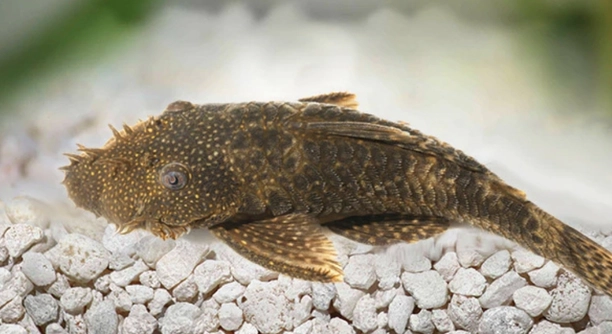
Do you ever find yourself watching your plecos glide across the tank, wondering if they are truly thriving in their environment? Keeping them healthy involves more than feeding and basic maintenance, requiring attention to water and habitat details.
Plecos thrive when their tank conditions closely mimic natural habitats. Maintaining stable water parameters, proper filtration, adequate hiding spaces, suitable substrate, balanced lighting, and a varied diet ensures their health, growth, and overall well-being in captivity.
Proper tank setup goes beyond decoration. Understanding each condition can transform your plecos’ environment into a space where they flourish and display natural behaviors consistently.
Stable Water Parameters
Maintaining stable water parameters is essential for plecos. These fish are sensitive to fluctuations in temperature, pH, and hardness. Rapid changes can stress them, reducing their immunity and causing disease. Ideal temperature ranges between 74–80°F, while pH should stay close to neutral, around 6.5–7.5. Regular testing ensures the environment remains consistent. Hard water is tolerable but avoid sudden shifts in mineral content. When making water changes, always match the new water’s temperature and parameters to the tank. Avoid over-filtering to prevent strong currents, as plecos prefer calmer waters. Gentle aeration supports oxygen levels without stressing the fish. Monitoring ammonia, nitrites, and nitrates prevents toxic buildup, ensuring the tank stays safe. Even small adjustments over time can significantly impact their health. Keeping a log of readings and changes can help identify patterns and prevent problems before they escalate. This structured approach supports long-term well-being for plecos.
Proper water conditions keep plecos active and healthy. Consistency prevents stress and disease, supporting growth and longevity in their habitat.
Regular water testing, careful adjustments, and patience create an environment where plecos thrive naturally. This attention to detail encourages natural feeding, breeding behaviors, and overall activity. Over time, plecos respond positively to stable conditions, appearing vibrant and energetic. Observing them under these conditions can be rewarding, as they explore hiding spaces and feed without stress. Combining consistent water parameters with other environmental needs maximizes their health and comfort, making tank maintenance more predictable and effective.
Adequate Hiding Spaces
Plecos need hiding spaces to feel secure. Caves, driftwood, and dense plants reduce stress and encourage natural behavior. They prefer dark, enclosed areas to rest during the day and emerge at night to feed.
Providing multiple hiding spots prevents territorial disputes and allows plecos to explore safely.
Hiding areas also serve functional purposes. Driftwood provides a surface for algae growth and can aid digestion, especially for species that scrape surfaces. Caves or PVC pipes mimic natural crevices where plecos would hide in rivers and streams, offering protection from perceived threats. Dense plants not only create shade but also support a balanced ecosystem by absorbing excess nutrients. Placement matters: ensure hiding spots are accessible yet not overcrowded to maintain swimming space. Rotating decorations occasionally can stimulate exploration, but always keep some familiar spaces to prevent stress. By considering both safety and functionality, hiding areas support physical health and natural behaviors. Plecos with well-planned shelters are more confident, active, and visually striking, reflecting improved welfare in their tank.
If you want, I can continue the next sections of the article in the same format with headers like “Proper Filtration” and “Balanced Lighting.” Do you want me to continue?
Proper Filtration
A strong filtration system keeps plecos’ tank clean and oxygenated. Remove debris and excess waste without creating overly strong currents, as plecos prefer calmer waters. Regular maintenance ensures consistent water quality and prevents harmful buildup.
Filtration not only clears waste but also supports stable water chemistry. Mechanical filters remove particulate matter, while biological filters cultivate beneficial bacteria that break down ammonia and nitrites. This balance reduces stress on plecos and protects them from disease. Choosing a filter that matches tank size is crucial, as undersized systems can fail to maintain optimal conditions. Avoid overly aggressive flow; plecos may struggle against strong currents, leading to exhaustion or hiding constantly. Regularly cleaning filter media without disrupting bacterial colonies preserves efficiency. Combining mechanical, biological, and gentle chemical filtration ensures a safe and healthy environment, minimizing fluctuations that affect plecos’ health and behavior.
Monitoring filter performance and water quality simultaneously allows you to spot potential problems early. Plecos respond positively to a stable environment, showing natural feeding and resting patterns. Filtration is an essential foundation for a thriving tank.
Balanced Lighting
Plecos benefit from subdued lighting. Bright, constant light can stress them, as they are nocturnal and prefer shaded or dimly lit areas to feel secure.
Adjusting lighting cycles simulates natural day and night rhythms. Timers help maintain consistency, reducing sudden exposure to bright light. Overly intense lighting can encourage algae growth but may overwhelm plecos, causing them to hide excessively. Dim, gentle lighting allows them to explore and feed comfortably while maintaining natural behaviors. Using floating plants or strategically placed decorations can diffuse light effectively. A balance between illumination and shaded areas ensures both visibility for observation and comfort for the fish.
Proper lighting enhances tank aesthetics while supporting plecos’ health. It encourages natural behavior, feeding patterns, and interaction with their environment. Lighting management also reduces stress, promoting longevity and overall vitality in the tank. Plecos are more active during low-light periods, which aligns with their nocturnal instincts. Observing them in well-planned lighting conditions makes their unique personalities and behaviors more visible. Maintaining consistent light cycles alongside other environmental factors completes a habitat where plecos can thrive, feel secure, and display vibrant colors naturally.
Suitable Substrate
Plecos prefer soft substrates that mimic riverbeds. Sand or smooth gravel prevents injury to their delicate undersides and barbels. Avoid sharp or rough materials that could cause abrasions or infections.
A natural substrate also encourages natural foraging behavior. Plecos scrape surfaces for algae and detritus, benefiting from textures that allow easy grazing. Soft substrate supports digging and burrowing, which many species enjoy.
Varied Diet
Plecos require a mix of algae, vegetables, and protein sources. Feeding only one type of food can lead to nutritional deficiencies and stunted growth. Providing a variety ensures proper health.
A balanced diet maintains strong immune systems and supports natural behaviors. Algae wafers, blanched vegetables like zucchini or spinach, and occasional protein-rich foods such as shrimp pellets create a well-rounded nutritional profile. Some species also benefit from driftwood, which aids digestion. Monitoring food intake prevents overfeeding, reducing waste buildup in the tank. Offering different textures and flavors encourages natural grazing and keeps plecos active and engaged. Feeding schedules should be consistent, and uneaten food should be removed to maintain water quality.
Regular Water Changes
Consistent water changes keep plecos’ environment clean and stable. Partial changes every one to two weeks reduce toxins and refresh minerals essential for health.
Would you like me to continue with the next headers in the same format?
FAQ
How often should I test my pleco tank’s water?
Testing water should be done at least once a week. Key parameters include ammonia, nitrite, nitrate, pH, and temperature. Keeping a consistent schedule helps detect changes early, allowing adjustments before plecos are stressed. Using simple test kits provides accurate readings and supports overall tank health.
What is the best way to feed plecos?
Feed plecos a combination of algae wafers, blanched vegetables, and occasional protein foods. Avoid overfeeding, as uneaten food can pollute the tank. Offering varied foods encourages natural foraging behavior and ensures balanced nutrition, supporting their immune system and growth.
Do plecos need hiding spots in every tank size?
Yes, all plecos benefit from shelters. Hiding spots reduce stress, prevent aggression, and mimic natural habitats. Even in small tanks, caves, PVC pipes, or driftwood provide necessary security. Multiple options allow them to choose a comfortable resting place.
Can plecos live with other fish?
Plecos are generally peaceful but can become territorial with conspecifics or similar bottom-dwellers. Pairing with compatible species like tetras or peaceful mid-level swimmers works best. Ensure hiding spaces are sufficient to reduce conflicts. Monitor interactions regularly, especially during feeding.
How much lighting is ideal for plecos?
Plecos prefer subdued lighting because they are nocturnal. Bright, constant light can stress them. Use timers to create a natural day-night cycle, and provide shaded areas or floating plants to diffuse light while supporting natural behavior.
Do plecos need driftwood in their tank?
Many pleco species benefit from driftwood, which aids digestion and provides a surface for grazing. It also doubles as a hiding spot and supports natural behaviors. Ensure it is aquarium-safe and properly prepared to prevent water contamination.
How often should I clean the tank?
Perform partial water changes every one to two weeks. Remove uneaten food and debris regularly. Avoid deep cleaning that disrupts beneficial bacteria, as maintaining biological balance is essential for plecos’ health. Gentle cleaning ensures the tank remains safe and stable.
What is the ideal tank size for plecos?
Tank size depends on species, but generally, a 30-gallon tank is a minimum for small to medium plecos. Larger species need more space to swim and graze. Adequate space reduces stress, encourages natural behavior, and supports long-term health.
Can plecos survive without live plants?
Yes, but live plants provide multiple benefits. They offer shelter, help maintain water quality, and create a more natural environment. Even artificial plants can provide hiding spots, but live plants enhance water oxygenation and encourage natural grazing behavior.
How do I know if my pleco is healthy?
Healthy plecos are active, have clear eyes, smooth skin, and consistent eating habits. Watch for abnormal swimming, lethargy, or unusual spots, which may indicate stress or disease. Regular observation and proper tank maintenance are key to detecting issues early.
Is it necessary to supplement plecos with vegetables?
Yes, vegetables like zucchini, spinach, or cucumber provide essential nutrients and fiber. Blanching makes them easier to digest. Supplementing alongside algae wafers ensures a balanced diet and supports digestive health, preventing nutrient deficiencies or stunted growth.
How do I prevent algae overgrowth in the tank?
Balanced lighting, controlled feeding, and regular water changes help manage algae growth. Adding algae-eating plecos or snails can assist naturally. Avoid excessive nutrients in the water, as they fuel algae proliferation and can compromise water quality for all tank inhabitants.
Can plecos breed in a home aquarium?
Some pleco species can breed in captivity if conditions mimic natural habitats. Providing caves, proper water parameters, and varied diets encourages breeding behavior. Observing territorial behavior and egg-laying sites helps identify successful reproduction without stressing adults.
What temperature range is safest for plecos?
Most plecos thrive between 74–80°F. Sudden fluctuations cause stress and increase susceptibility to disease. Using a reliable heater and thermometer maintains a stable environment, which supports overall health and natural activity patterns.
How do I acclimate a new pleco to my tank?
Float the bag in the tank for 15–20 minutes to match temperature. Gradually mix small amounts of tank water into the bag over an hour. This reduces shock from water parameter differences and helps plecos adjust safely.
Are plecos nocturnal or active during the day?
Plecos are primarily nocturnal. They rest in hiding spaces during the day and become active at night, grazing and exploring. Dim lighting and sufficient shelters encourage natural activity patterns, reducing stress and promoting well-being.
How can I prevent fin damage in plecos?
Avoid sharp decorations and aggressive tankmates. Ensure smooth substrate and ample hiding spots. Regular water maintenance prevents infections, and balanced nutrition strengthens fins. Observing plecos’ behavior helps identify early signs of fin stress or injury.
What is the best way to monitor plecos’ health daily?
Observe behavior, feeding, and appearance every day. Look for changes in activity, color, or skin condition. Maintaining water parameters, checking for unusual stress signs, and removing uneaten food ensures a healthy environment and reduces disease risk.
Do plecos require any special supplements?
Supplements are not always necessary if diet is varied. Occasional calcium sources or vitamin-enriched foods support growth and shell/fin health. Monitor diet quality and adjust if deficiencies appear. Supplements should complement, not replace, natural feeding routines.
Can plecos live in community tanks long-term?
Yes, if compatible species are chosen and territory is respected. Provide ample hiding spots and monitor interactions. Stress-free environments with proper nutrition, filtration, and stable water parameters allow plecos to coexist safely with other peaceful fish.
This FAQ addresses common concerns and practical strategies, providing a reference for creating conditions where plecos can thrive in a home aquarium. By focusing on habitat, nutrition, and consistent care, plecos remain healthy, active, and long-lived.
Final Thoughts
Creating the ideal environment for plecos requires attention to multiple factors, all of which work together to support their health and well-being. Stable water parameters are crucial, including consistent temperature, pH, and hardness levels. Sudden changes in these conditions can stress plecos and lead to illness, so monitoring and maintaining balance is essential. Regular water changes, careful filtration, and proper cleaning routines help maintain water quality. Filtration removes waste and promotes beneficial bacteria, while partial water changes refresh minerals and reduce toxins. These simple but consistent steps create a stable and safe environment that allows plecos to thrive.
In addition to water quality, the physical setup of the tank plays a major role in plecos’ health. Providing soft substrates, driftwood, and multiple hiding spaces allows them to exhibit natural behaviors safely. Substrates like sand or smooth gravel prevent injury to their delicate undersides and barbels, while driftwood serves as both a hiding spot and a source of natural nutrients. Hiding places reduce stress and aggression, giving plecos the security they need. Lighting should also be considered carefully, as plecos are nocturnal and prefer dim or diffused light. Timers or shaded areas help mimic natural day-night cycles, supporting their natural activity and feeding patterns. Even small adjustments, like moving decorations or adding floating plants, can improve their comfort and encourage exploration.
Diet and feeding practices are equally important for long-term pleco health. A balanced diet including algae wafers, blanched vegetables, and occasional protein ensures proper nutrition and digestion. Driftwood or fibrous foods also aid digestion for species that scrape surfaces for food. Overfeeding should be avoided, as leftover food can degrade water quality. Observing feeding habits helps identify health issues early and ensures that all plecos receive sufficient nutrition. Together with consistent tank maintenance, careful attention to habitat, and a well-planned diet, these practices allow plecos to live longer, remain active, and display their natural behaviors. By taking a measured and attentive approach, their tank becomes more than a container; it becomes a supportive environment where plecos can truly thrive and remain healthy for years.

Hello,
If you enjoy the content that we create, please consider saying a "Thank You!" by leaving a tip.
Every little bit helps us continue crafting quality advice that supports the health, happiness, and well-being of pets around the world, for pets of all shapes, sizes, and species.
We really appreciate the kindness and support that you show us!