
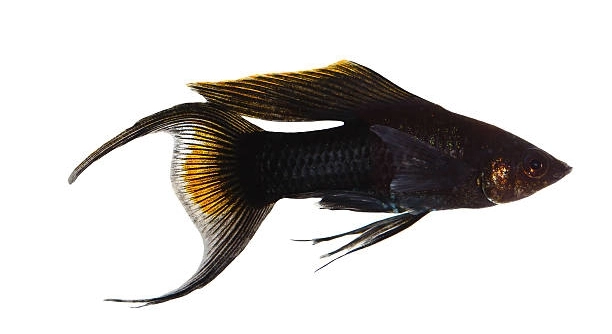
Keeping Black Molly fish can be a rewarding experience for aquarium enthusiasts who enjoy observing their vibrant colors and lively personalities. These small, adaptable fish are often chosen for community tanks and offer visual appeal with minimal maintenance.
Black Molly fish can be housed together successfully, provided the tank is adequately sized, properly filtered, and offers sufficient hiding spaces. Maintaining stable water conditions and a balanced diet is essential to reduce aggression and ensure harmonious coexistence.
Understanding these requirements will help create a stable and peaceful environment, supporting the long-term health and social behavior of your Black Molly fish.
Ideal Tank Conditions for Multiple Black Molly
To keep multiple Black Molly fish together, the tank must meet specific conditions. A minimum of 20 gallons is recommended for a small group to reduce stress and provide space for swimming. The water temperature should remain between 75 and 82°F, with a pH around 7.0 to 8.5. Consistent filtration is essential to maintain clean water and prevent harmful toxin buildup. Adding live or artificial plants provides hiding spots, reducing territorial behavior and aggression. Regular water changes, about 25% weekly, help sustain water quality and avoid sudden chemical fluctuations. Adequate lighting and gentle water flow mimic their natural habitat, keeping fish active and healthy. Observing fish behavior daily helps detect signs of stress or illness early. Balanced feeding of flake food, supplemented with vegetables or protein-rich treats, ensures proper nutrition and vibrant coloration. By establishing these conditions, multiple Black Mollies can thrive peacefully.
Proper tank setup reduces stress and supports social harmony, allowing fish to display natural behaviors comfortably.
Maintaining these conditions consistently prevents conflicts and health issues, creating a stable environment. With space, hiding spots, and clean water, Black Mollies interact calmly, swim actively, and exhibit bright colors. Consistent feeding and careful monitoring help avoid overcrowding and aggression.
Managing Aggression and Social Behavior
Aggression can occur if the tank is overcrowded or lacks hiding spots. Keeping the right male-to-female ratio helps reduce fights.
Observing their interactions regularly allows early intervention if dominance issues appear. Providing plants, rocks, or decorations lets timid fish escape.
Introducing fish gradually and monitoring compatibility is essential. Black Mollies are livebearers, and excess males may chase females aggressively. Rotating decorations can prevent territory disputes, and separating overly aggressive individuals can maintain peace. Feeding multiple times a day in small amounts prevents competition over food, reducing stress. Social enrichment, like varied textures and spaces, encourages natural behaviors and minimizes boredom. Maintaining stable water parameters ensures aggression isn’t triggered by poor conditions. Combining proper ratios, environmental enrichment, and attentive care creates a harmonious tank where multiple Black Mollies can coexist safely and healthily over time.
Feeding Habits and Nutrition
Black Molly fish thrive on a varied diet. High-quality flake food works well, complemented by occasional vegetables like zucchini or spinach. Protein sources like brine shrimp or daphnia help maintain growth and coloration. Feeding small amounts multiple times a day prevents overfeeding and reduces water contamination.
A balanced diet is crucial for maintaining healthy fish and preventing disease. Black Mollies require both plant-based and protein-rich foods. Flake food provides essential vitamins and minerals, while live or frozen foods enhance their immune system and keep them active. Overfeeding can cause water quality issues, so portion control is important. Providing variety supports natural behaviors, improves coloration, and reduces stress. Observing their eating patterns allows adjustments to meet individual fish needs. Consistent feeding schedules help them thrive in a community tank.
Feeding practices also influence social behavior. By distributing food evenly, aggressive competition is minimized. Slow feeders are less likely to be bullied, and hiding places near feeding zones allow timid fish to eat safely. Rotating protein and vegetable sources maintains interest and encourages healthy growth. Keeping track of each fish’s intake ensures no one is underfed. Monitoring water quality after feeding helps prevent excess waste accumulation. Thoughtful feeding strengthens overall health and contributes to a balanced, peaceful tank environment for multiple Black Mollies.
Breeding and Population Control
Black Mollies reproduce rapidly, so monitoring numbers is essential. A female can give birth to many fry every month, increasing tank population quickly.
Separating fry or providing dense plant coverage allows them to survive without being eaten by adults. Controlling population prevents overcrowding, which can stress adult fish and trigger aggression. Regular observation helps identify pregnant females early. Adjusting feeding and tank space ensures both adults and fry remain healthy. Maintaining a balanced sex ratio minimizes constant breeding and reduces stress on females. Population management preserves water quality and keeps the community stable.
Breeding also affects tank dynamics. Overcrowded tanks increase competition for food and territory, causing aggression and stunted growth. Providing sufficient hiding spots for fry improves survival while preventing adult stress. Using a breeding box or separate tank for fry ensures safety and proper development. Timely removal or relocation of excess fry keeps the main tank balanced. Controlled breeding also helps maintain a healthy male-to-female ratio, reducing dominance conflicts. Proper monitoring and intervention sustain a harmonious environment, supporting long-term health and activity levels for both adults and young Black Mollies.
Water Quality Maintenance
Maintaining clean water is vital for multiple Black Mollies. Regular water changes, proper filtration, and testing for ammonia, nitrite, and nitrate levels prevent stress and disease. Stable parameters support natural behavior and overall health.
Avoid sudden changes in temperature or pH. Gradual adjustments reduce shock and maintain harmony in the tank. Proper aeration ensures sufficient oxygen, helping fish stay active and healthy.
Compatible Tank Mates
Black Mollies are peaceful but can show mild aggression. Choosing compatible fish like guppies, platies, and tetras prevents conflicts and overcrowding. Avoid larger or aggressive species that may stress or harm them. Community tanks work best with similar-sized, non-territorial fish.
Tank Setup and Decoration
Providing hiding spots with plants, rocks, or decorations reduces stress and prevents aggression. Open swimming areas combined with shaded retreats encourage natural behavior. Balance of décor supports social interaction while giving timid fish security.
Common Health Concerns
Black Mollies are prone to fin rot, ich, and internal parasites if water quality is poor. Early detection and treatment prevent serious illness. Maintaining clean water and observing fish regularly ensures timely intervention and overall health.
FAQ
How many Black Mollies can I keep in one tank?
The number of Black Mollies depends on tank size. For a 20-gallon tank, a group of 4–6 fish is ideal. Overcrowding increases aggression, stress, and waste, which can lead to health issues. More space allows them to swim freely and establish natural social hierarchies.
Can male and female Black Mollies live together peacefully?
Yes, but balance is key. Having more females than males reduces constant chasing, which can stress females. A ratio of two to three females per male helps maintain peace. Providing plants and hiding spots gives females places to rest and avoid aggression.
Do Black Mollies need special water conditions?
They thrive in slightly alkaline water with a pH between 7.0 and 8.5. Temperature should stay between 75 and 82°F. Stable conditions prevent stress, which can weaken their immune system. Regular water changes and filtration are essential to remove toxins.
Are Black Mollies aggressive towards other fish?
Generally, they are peaceful, but males can show mild aggression during breeding or in small tanks. Aggression decreases with enough space, hiding spots, and proper male-to-female ratios. Avoid housing them with very aggressive or much larger fish.
What should I feed multiple Black Mollies?
A varied diet works best. Flake food is sufficient for daily nutrition, supplemented with vegetables like zucchini or spinach. Live or frozen foods like brine shrimp or daphnia provide protein. Feed small amounts two to three times a day to prevent overeating and water contamination.
How can I prevent overbreeding?
Black Mollies reproduce quickly. To manage population, consider separating pregnant females or using a breeding tank for fry. Overcrowding stresses adults and increases aggression. Controlling the number of males also reduces constant chasing and helps maintain a balanced community.
What signs indicate stress or illness in Black Mollies?
Look for clamped fins, lethargy, loss of appetite, faded coloration, or abnormal swimming. Early detection allows prompt treatment and prevents disease spread. Maintaining clean water and consistent feeding schedules reduces stress significantly.
Do Black Mollies need tank decorations or plants?
Yes, they benefit from hiding spots and shaded areas. Plants, rocks, and decorations provide security, reduce aggression, and allow shy fish to escape. A balance of open swimming space and cover helps them exhibit natural behavior.
How often should I change the water?
Weekly water changes of about 25% are recommended. This removes waste and toxins while keeping water parameters stable. Regular maintenance prevents fin rot, ich, and other common health issues. Observing water clarity and testing parameters ensures a safe environment.
Can Black Mollies live with other community fish?
They do well with small, peaceful fish like guppies, platies, and tetras. Avoid aggressive or much larger species that may bully them. Proper tank size, hiding spots, and compatible species maintain harmony and reduce stress in a shared environment.
What are common health problems in multiple Black Mollies?
Fin rot, ich, and internal parasites are common if water quality is poor. Maintaining clean water, proper diet, and observing fish regularly ensures early detection. Quarantining new fish can prevent introducing disease into an established tank.
How do I introduce new Black Mollies to an existing tank?
Acclimate them slowly by floating the bag in the tank to equalize temperature, then gradually mix small amounts of tank water. This reduces shock and allows the fish to adjust. Monitor behavior to ensure they integrate without excessive aggression.
How can I encourage natural behavior in a community tank?
Provide a mix of open swimming areas and hiding spots. Rotate decorations occasionally to stimulate exploration. Balanced feeding and stable water parameters help fish remain active and social while reducing territorial disputes.
Can Black Mollies tolerate brackish water?
Yes, they can adapt to slightly brackish conditions, especially as adults. Adding a small amount of aquarium salt supports health, but keep changes gradual. Monitor fish for signs of stress during adjustment to avoid negative effects.
What is the lifespan of Black Mollies in a community tank?
With proper care, they live 3–5 years. Stable water conditions, balanced diet, and low stress levels contribute to longevity. Regular maintenance and monitoring behavior ensure they remain healthy and active throughout their lifespan.
How do I prevent aggression between males?
Ensure enough females are present, provide hiding spots, and avoid overcrowding. Rotating decorations occasionally can reduce territorial disputes. If aggression persists, consider separating overly aggressive individuals to maintain a peaceful tank environment.
Are Black Mollies suitable for beginners keeping multiple fish?
Yes, they are hardy and adaptable. However, beginners must monitor water quality, maintain proper ratios, and provide adequate space. Observing fish behavior and maintaining a varied diet helps ensure multiple Black Mollies thrive in a community setting.
Can I keep Black Mollies with snails or shrimp?
Yes, peaceful invertebrates like snails and shrimp are compatible. They do not compete aggressively for food or territory. Ensure hiding spots for shrimp to avoid predation by larger Mollies or other tankmates.
How do I handle sudden illness in a tank of multiple Black Mollies?
Isolate affected fish if possible, test water parameters, and treat with appropriate medications. Quarantining new additions prevents further spread. Maintaining clean water and a stress-free environment supports recovery.
What temperature fluctuations are safe for multiple Black Mollies?
Avoid sudden changes of more than 2–3°F. Gradual adjustments prevent shock and stress. Stable temperatures, along with consistent feeding and water quality, support social harmony and overall health.
How do I know when a female is pregnant?
Pregnant females develop a slightly rounded belly and a darker gravid spot near the anal fin. Observing behavior changes, such as seeking secluded areas, helps prepare for fry care and ensures a safe environment for the young.
Can I mix Black Mollies of different colors together?
Yes, color variations do not affect compatibility. Ensure enough space, hiding spots, and balanced male-to-female ratios. Mixed colors add visual interest while maintaining the same social and environmental requirements.
Is it necessary to use a heater for Black Mollies?
Yes, maintaining water between 75–82°F is essential for metabolism, immune function, and breeding. A reliable heater and thermometer prevent temperature swings, ensuring fish remain healthy and active in a community tank.
How do I prevent fin damage in a group of Black Mollies?
Provide smooth decorations, avoid aggressive tankmates, and maintain clean water. Proper feeding reduces competition. Regular observation and removing overly aggressive fish prevent fin nipping and injury.
Can multiple Black Mollies survive in a small tank?
They can survive, but stress, aggression, and poor growth are likely. Larger tanks with sufficient hiding spots and proper filtration are recommended for healthy social interaction and long-term survival.
Do Black Mollies need live plants, or are artificial ones sufficient?
Artificial plants are acceptable if they provide hiding spots. Live plants offer additional benefits like oxygenation and natural behavior stimulation, but both can support multiple Black Mollies if arranged thoughtfully.
How often should I test water parameters?
Weekly testing for ammonia, nitrite, nitrate, and pH is recommended. Frequent monitoring prevents illness and supports long-term health. Adjustments can be made early, keeping multiple Black Mollies in a stable environment.
What should I do if a male is constantly chasing females?
Increase hiding spots, ensure a proper male-to-female ratio, and provide adequate space. If aggression continues, temporarily separating the male can reduce stress and protect females from injury.
Can Black Mollies live with bettas?
Caution is advised. Male bettas can be aggressive and may attack Black Mollies. Tank size, hiding spots, and monitoring behavior are critical if attempting this combination. Separation may be necessary to prevent conflict.
How do I manage fry in a community tank?
Dense plants or breeding boxes give fry space to hide from adults. Frequent observation ensures fry survive without being eaten. Feeding small live foods promotes healthy growth and increases survival rates.
Are Black Mollies sensitive to changes in water hardness?
They tolerate a range of 10–25 dGH, but sudden shifts can stress them. Gradual adjustments maintain health and reduce aggression in multiple-fish setups. Monitoring hardness helps prevent long-term issues.
What is the best way to acclimate new Black Mollies?
Float the bag to match tank temperature, then slowly add small amounts of tank water over 30–60 minutes. This reduces stress and allows the fish to adjust safely to new water conditions.
How do I maintain coloration in multiple Black Mollies?
Balanced diet with both plant and protein-based foods, stable water conditions, and low stress help maintain vibrant colors. Overcrowding or poor nutrition can cause fading or dulling of their natural appearance.
Can Black Mollies tolerate tap water?
Yes, if treated with a dechlorinator and allowed to stabilize. Untreated tap water may contain harmful chemicals. Testing parameters ensures a safe environment for multiple fish.
How can I tell if a tank is too small for multiple Black Mollies?
Signs include frequent chasing, stunted growth, poor coloration, and high stress behavior. Increasing space, adding hiding spots, or reducing numbers improves health and social harmony.
Do Black Mollies need a strong water current?
Moderate flow is ideal. Too strong can stress them, while too weak reduces oxygenation. Balanced circulation helps maintain healthy fish and distributes nutrients and oxygen evenly throughout the tank.
Can I mix Black Mollies with other livebearers?
Yes, they are compatible with guppies, platies, and swordtails. Ensure enough space, hiding spots, and monitor for aggression. Similar diet requirements make feeding easier and reduce competition.
What is the best way to prevent disease in multiple Black Mollies?
Maintain clean water, stable parameters, balanced diet, and avoid overcrowding. Quarantining new fish and monitoring behavior regularly reduces the risk of illness. Prompt treatment prevents disease spread and maintains overall tank health.
How do I encourage breeding without stressing females?
Provide ample hiding spots, maintain proper male-to-female ratios, and stable water conditions. Adequate nutrition supports health, while separating pregnant females or using a breeding tank prevents constant harassment and stress.
Can I use a sponge filter for multiple Black Mollies?
Yes, sponge filters provide gentle filtration and aeration, ideal for fry and adult fish. They prevent strong currents and maintain water quality, supporting a peaceful multi-fish environment.
Are Black Mollies compatible with Corydoras catfish?
Yes, bottom-dwelling Corydoras do not compete for territory. Both species occupy different tank levels, reducing stress and aggression while maintaining a balanced community setup.
How do I know when a Black Molly is stressed?
Signs include hiding excessively, clamped fins, loss of appetite, rapid breathing, or erratic swimming. Identifying stress early allows adjustments in tank conditions, social environment, or water quality to restore balance.
Can multiple Black Mollies share a tank with goldfish?
No, goldfish prefer cooler water and produce high waste, which can harm Black Mollies. Differences in temperature preference and water chemistry make this combination unsuitable for a healthy community.
How important is tank size for male competition?
Crucial. Small tanks amplify aggression between males. Providing at least 20 gallons for a small group reduces territorial disputes and ensures adequate space for social interaction and swimming.
Do Black Mollies need supplemental vitamins?
Occasional supplementation with high-quality flake food or frozen treats supports immune function and coloration. A varied diet usually meets their nutritional needs without constant additional vitamins.
Can I keep multiple Black Mollies in a planted tank only?
Yes, as long as there is enough open swimming space. Dense planting provides hiding spots for timid fish, reduces aggression, and enhances natural behavior while maintaining water quality through plant growth.
How do I prevent algae growth in a tank with multiple Black Mollies?
Control feeding, maintain regular water changes, and avoid excessive light. Live plants compete with algae for nutrients. Balanced tank maintenance reduces unsightly growth while keeping fish healthy and active.
Are Black Mollies sensitive to chemical additives?
Yes, chemicals like copper treatments or untreated tap water can harm them. Use only aquarium-safe additives and follow dosing instructions carefully. Maintaining stable water conditions is safer than frequent chemical use.
How do I identify aggressive individuals in a group?
Look for constant chasing, nipping fins, or dominant behavior toward tankmates. Isolating overly aggressive fish or adjusting tank layout can reduce stress and maintain social harmony.
What is the best filtration system for multiple Black Mollies?
A combination of mechanical, biological, and gentle flow is ideal. Canister or hang-on-back filters work well if they maintain stable water parameters without creating strong currents that stress the fish.
How can I maintain oxygen levels in a tank with multiple Black Mollies?
Adequate aeration, surface agitation, and moderate flow help oxygenate water. Live plants also contribute to oxygen levels during the day. Proper circulation prevents stagnant zones and supports active fish behavior.
Do Black Mollies show territorial behavior?
Males may establish small territories, especially in small tanks. Providing hiding spots and sufficient space minimizes conflicts. Balanced male-to-female ratios also reduce territorial disputes and support peaceful coexistence.
How long can Black Mollies go without food?
They can survive a few days, but regular feeding is necessary for growth, coloration, and health. Infrequent feeding can lead to stress, weakened immunity, and increased aggression in community tanks.
Can Black Mollies adapt to slightly cooler water?
Yes, but prolonged temperatures below 72°F can slow metabolism, reduce activity, and increase susceptibility to disease. Maintaining the recommended range supports healthy social behavior and reproduction.
How do I prevent fin rot in multiple Black Mollies?
Maintain clean water, avoid overcrowding, and provide smooth decorations. Promptly treat early signs with medication and isolate affected fish if needed. Healthy diet and stable conditions minimize risk.
What type of substrate is best for Black Mollies?
Sand or fine gravel works well, allowing natural foraging behavior. Avoid sharp or rough substrates that could injure fins. Substrate choice also affects plant growth and tank aesthetics.
Can Black Mollies tolerate fluctuating light cycles?
Consistency is important. A 10–12 hour light cycle maintains natural rhythms. Sudden changes can stress fish, affecting feeding, breeding, and coloration. Timers help maintain a stable environment.
How do I encourage hiding behavior without stressing fish?
Provide plants, rocks, and decorations naturally spaced. Avoid overcrowding hiding spots. Timid fish feel secure, while dominant fish maintain territories without constant chasing. Balanced layout supports social harmony.
Are multiple Black Mollies prone to obesity?
Yes, overfeeding and high-fat foods can cause weight gain. Feeding small, balanced portions and monitoring fish body condition prevents health problems. Exercise through swimming in open spaces supports fitness.
Do Black Mollies interact socially in groups?
Yes, they establish mild hierarchies and display schooling behavior. Proper space, hiding spots, and compatible tankmates enhance social interactions without triggering aggression.
How do I safely remove sick fish from a tank?
Use a net or container to gently transfer them to a quarantine tank. Avoid stressing healthy fish and maintain water quality in both tanks. Early treatment improves recovery chances.
Can multiple Black Mollies live with guppies?
Yes, they have similar temperament and environmental needs. Proper tank size and hiding spots reduce competition. Mixed groups thrive when monitored for aggression and feeding behavior.
What is the effect of overcrowding multiple Black Mollies?
Overcrowding increases stress, aggression, and waste buildup. Fish may show stunted growth, illness, or poor coloration. Adequate space, hiding spots, and proper filtration prevent these issues.
How often should I trim plants in a tank with multiple Black Mollies?
Regular trimming prevents overcrowding, maintains open swimming areas, and encourages healthy growth. Dense planting supports hiding spots but should not restrict movement or visibility.
Do Black Mollies require a specific tank shape?
Long, rectangular tanks work best, providing open swimming space and territories. Tall or narrow tanks limit horizontal swimming and may increase stress in multiple-fish setups.
Can multiple Black Mollies coexist with angelfish?
Caution is advised. Angelfish may eat smaller fish or display territorial aggression. Tank size, hiding spots, and monitoring behavior are critical if attempting this combination.
How do I prevent boredom in a tank with multiple Black Mollies?
Vary decorations, provide plants, and rotate hiding spots. Occasional changes in layout encourage exploration and natural behavior. Balanced feeding and enrichment support mental and physical activity.
Is water hardness important for multiple Black Mollies?
Yes, they prefer moderately hard water. Extreme changes can stress fish. Stable hardness supports health, breeding, and social harmony in a community tank.
Can multiple Black Mollies survive without a heater in warm climates?
If ambient temperatures remain within 75–82°F, they can survive. Sudden drops or heat spikes can stress fish, so a heater is recommended for consistent conditions.
Do Black Mollies show signs of boredom?
Yes, lethargy, hiding excessively, or repetitive swimming patterns indicate boredom. Enrichment with plants, decorations, and social interaction helps maintain activity and well-being.
What is the ideal male-to-female ratio?
Two to three females per male reduces harassment and aggression. Proper ratios maintain social balance, support breeding control, and ensure a peaceful community environment.
Can multiple Black Mollies adapt to new tankmates quickly?
Gradual introduction and adequate space are essential. Monitoring behavior allows early intervention if aggression occurs. Proper acclimation reduces stress and promotes integration into the community tank.
How do I maintain stable pH for multiple Black Mollies?
Use buffering agents or natural materials like crushed coral. Regular testing and gradual adjustments prevent sudden swings. Stable pH supports health, coloration, and social behavior.
Are multiple Black Mollies sensitive to light intensity?
Moderate lighting is best. Too bright can stress fish, while too dim reduces activity. Balanced lighting helps maintain natural behavior, feeding, and color vibrancy.
Can multiple Black Mollies survive in a filtered unheated tank?
Only if water temperature and quality remain stable. Filtration alone is not enough; maintaining appropriate temperature and clean water is critical for long-term health.
How do I reduce stress when introducing new Black Mollies?
Float the bag, acclimate slowly, and provide hiding spots. Avoid overcrowding and aggressive tankmates. Gradual integration minimizes stress and promotes peaceful coexistence.
Can multiple Black Mollies live with shrimp safely?
Yes, shrimp are compatible if there are sufficient hiding spots. Adult Mollies may occasionally eat very small shrimp, but proper plant coverage ensures survival.
Do Black Mollies prefer open water or planted areas?
Both.
Final Thoughts
Keeping multiple Black Mollies together requires careful planning, but it can be very rewarding. These fish are social and thrive in a community setting when given enough space, hiding spots, and clean water. A tank that is too small or overcrowded can cause stress and aggression, so providing at least 20 gallons for a small group is recommended. Maintaining stable water conditions, including temperature, pH, and hardness, ensures the fish remain healthy and active. Proper filtration and regular water changes are essential to remove toxins and keep the tank environment safe. Observing the fish daily allows you to notice early signs of stress or illness and respond quickly.
Diet plays a significant role in keeping multiple Black Mollies healthy. A balanced diet that includes flake food, vegetables, and occasional protein sources like brine shrimp or daphnia supports growth, coloration, and immune function. Feeding smaller amounts multiple times a day prevents overfeeding and reduces waste accumulation, which can harm water quality. Providing variety in their diet also encourages natural foraging behavior and keeps the fish active. Along with feeding, tank layout and decorations contribute to a peaceful environment. Plants, rocks, and other hiding spots reduce stress, prevent bullying, and give timid fish safe spaces. Open swimming areas combined with shaded retreats allow all fish to exhibit natural behaviors comfortably.
Breeding and social dynamics require attention in a community tank with multiple Black Mollies. Males can be mildly aggressive, especially when females are present, so maintaining a balanced ratio of two to three females per male helps minimize chasing and harassment. Fry survival can be improved by providing dense plant coverage or using a breeding tank, preventing adults from eating the young. Monitoring fish behavior and making adjustments, such as rotating decorations or separating aggressive individuals, helps maintain harmony. Overall, attention to water quality, diet, tank layout, and population management ensures multiple Black Mollies can coexist peacefully. With consistent care, they remain active, colorful, and healthy, creating a visually appealing and balanced aquarium that supports natural social behavior and long-term well-being.

Hello,
If you enjoy the content that we create, please consider saying a "Thank You!" by leaving a tip.
Every little bit helps us continue crafting quality advice that supports the health, happiness, and well-being of pets around the world, for pets of all shapes, sizes, and species.
We really appreciate the kindness and support that you show us!