
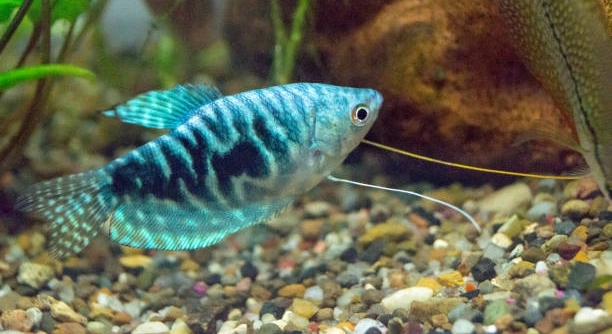
Have you ever brought home a gourami and spent the next few days trying to figure out if it’s comfortable yet?
Gourami show they are settling in through consistent swimming, responsive behavior, regular eating, bubble nest building, fin spreading, less hiding, and peaceful interaction with tank mates. These behaviors suggest adjustment and growing comfort.
Recognizing these movements can help you understand your gourami’s progress and create a more stable and welcoming environment in your tank.
Swimming Around the Tank More Often
A gourami that is adjusting well will begin exploring the tank with steady, smooth movements. At first, it might hover in one spot or stay near hiding areas, but as it becomes more comfortable, you’ll notice more frequent and relaxed swimming. This shows that it feels secure enough to investigate its environment. The fish will navigate through decorations, swim near the surface, and occasionally move through open areas. These movements indicate that it no longer feels threatened or stressed by the new space. It is also a sign that water conditions are not irritating or harmful. Consistent swimming, rather than darting or hiding, is one of the easiest ways to recognize progress. This behavior generally begins within a few days of introducing the fish to its tank, especially if the tank has proper filtration, stable temperature, and minimal sudden disturbances.
If your gourami starts moving with ease across the tank, it’s likely becoming more confident.
Smooth swimming across the tank shows comfort, but the behavior also signals that the fish feels safe and isn’t overstimulated. A fish that is pacing, darting, or repeatedly glass surfing may still be adjusting or reacting to stress.
Reacting to You at Feeding Time
A gourami that responds to your presence during feeding is showing signs of recognition and trust. In the beginning, it may hide or ignore food while you’re near. Over time, it starts swimming toward the surface or following your movements.
This behavior reflects both hunger and environmental adjustment. When a fish is stressed or sick, it often avoids food or eats with hesitation. However, as it becomes used to its surroundings and daily routine, it associates your presence with food rather than danger. This shift usually takes a few days to a week. Feeding becomes a positive interaction, and the fish may even begin waiting near the surface when it notices movement outside the tank. This is more than just a feeding response—it’s a sign that the fish no longer views its space as threatening. Some gouramis may even start taking food from your fingers or hover in anticipation when the lid is opened. Keeping a consistent feeding schedule supports this recognition and helps build trust.
Building a Bubble Nest
Bubble nests are one of the clearest signs that your gourami feels secure. Male gouramis build these nests when they feel comfortable, often near the surface and in calm areas of the tank. It’s a natural and encouraging behavior to see.
This behavior means your gourami is not only healthy but also relaxed enough to begin displaying reproductive instincts. A bubble nest is made of tiny air pockets coated in saliva, often tucked under floating plants or in corners. Some gouramis may begin building within a week of adjusting to their tank, while others take longer. The key is consistency in tank conditions—stable temperature, clean water, and peaceful surroundings. If the fish feels secure, it will begin gathering bubbles and placing them methodically. Even if you don’t plan to breed them, bubble nesting is a strong signal that your fish is settling in well and feels at home.
It’s important to avoid disrupting the water’s surface too often, especially if your gourami has started building a nest. Strong filtration, frequent rearranging of decorations, or sudden changes in lighting may discourage this behavior. You can support the process by using floating plants, maintaining water quality, and minimizing external stressors. Letting the fish build without interruption encourages bonding with the environment.
Spreading Fins Calmly and Frequently
When a gourami spreads its fins without aggression, it’s showing ease and stability in its surroundings. This movement happens when it’s swimming or pausing calmly, especially in open water. Flaring gently without tension reflects a relaxed, healthy state.
Fin spreading is more than a visual display—it’s a behavior rooted in comfort and confidence. When gouramis feel safe, they extend their fins fully, often to stretch or show presence without dominance. This differs from aggressive posturing, which comes with darting or sudden chasing. Instead, the relaxed version happens during slow swimming or while hovering near plants. The fins hold firm but not rigid. Water conditions play a role here too. Fish kept in stable temperatures, with good aeration and low stress, show more of these movements. Watch for symmetry and clarity in the fins, as tattered or clamped fins may suggest the opposite. Calm spreading is a subtle but strong sign of adjustment.
Hiding Less Often
Gouramis often hide when placed in a new tank, especially if they feel unsafe or overstimulated. As they settle in, this behavior decreases, and they begin spending more time out in the open.
Reduced hiding shows that the fish no longer views its surroundings as a threat. It feels more secure.
Interacting Peacefully with Tank Mates
When gouramis start showing calm interactions with tank mates, it’s a strong indicator of adjustment. Instead of chasing or avoiding other fish, they may swim nearby without reacting strongly. This kind of coexistence signals that the gourami feels stable. It’s especially noticeable in community tanks. Aggressive outbursts, flaring, or hiding from others may be common at first, but these typically lessen as the fish becomes more comfortable. Consistent tank conditions, enough space, and proper hiding areas help reduce tension and allow peaceful behavior to develop. If your gourami calmly navigates the tank without disturbing others, it’s likely found a sense of balance in its environment.
Eating Regularly Without Hesitation
Once a gourami begins eating consistently and quickly during feeding times, it’s showing it feels safe. Hesitant or delayed feeding usually fades once the fish trusts its routine and environment.
FAQ
How long does it take for gourami to settle in?
The time for a gourami to fully settle varies but generally takes about one to two weeks. During this period, the fish adjusts to water conditions, tank layout, and new surroundings. Some gouramis may show signs of comfort sooner, while others might need more time depending on their temperament and tank environment. Consistent water quality and minimal disturbances help speed up this process.
What are the first signs that a gourami is comfortable?
Early signs include increased swimming activity and less hiding. A gourami that explores the tank calmly, swims near the surface, or responds to feeding shows initial comfort. Small movements like fin spreading and reduced skittishness also indicate progress. These behaviors demonstrate that the fish feels less threatened and is adapting well.
Why does my gourami hide all the time?
Hiding often means the fish feels stressed or unsafe. New tanks, poor water quality, aggressive tank mates, or sudden changes can cause this. Gouramis may also hide during illness or if the tank lacks sufficient hiding spots. Improving tank conditions and providing plants or decorations for shelter can help the fish feel more secure.
Is bubble nest building always a sign of comfort?
Mostly, yes. Bubble nest building shows the male gourami feels stable and healthy enough to perform this natural behavior. However, not all gouramis build nests, and some may do so without full comfort if conditions trigger breeding instincts. Stable temperature and clean water support bubble nest formation as a positive sign.
Can gouramis live peacefully with other fish while settling in?
Peaceful interaction is possible but depends on the species and individual temperaments. Gouramis may show aggression if stressed or crowded. Providing enough space, hiding places, and compatible tank mates reduces conflict. Observing behavior closely helps identify if adjustments are needed for harmony.
How important is water quality in helping gouramis settle?
Water quality is critical. Poor water conditions cause stress, illness, and hiding. Stable temperature, proper pH, and low ammonia or nitrate levels create an environment where gouramis can adjust comfortably. Regular testing and maintenance support the fish’s health and reduce settling time.
What should I do if my gourami is not eating?
If a gourami refuses food for more than a day or two, check water parameters and tank conditions first. Stress, illness, or poor water quality often cause appetite loss. Try offering varied food types and feeding in small amounts. If the problem persists, consulting a specialist or veterinarian is recommended.
Do gouramis recognize their owners?
Gouramis can learn to associate their owners with feeding and positive interaction. Over time, they may respond to movement near the tank or the sound of food preparation. This recognition is not the same as bonding but shows the fish’s ability to adapt to routine and external cues.
How can I help my gourami feel more comfortable?
Maintain clean, stable water conditions and avoid sudden changes. Provide hiding spots and plants to mimic natural habitats. Feed a balanced diet on a consistent schedule. Limit loud noises or abrupt tank movements. Patience is important, as comfort grows gradually with a stable environment.
What does fin clamping mean?
Fin clamping—when a fish holds its fins close to the body—usually indicates stress, illness, or poor water quality. It can also happen due to cold temperatures or aggressive tank mates. Observing other symptoms and testing water can help identify the cause. Proper care often reverses this condition.
Are gouramis social fish?
Gouramis vary in social behavior. Some prefer solitude, while others tolerate or enjoy tank mates. Understanding the specific gourami species is key to providing an appropriate social environment. Overcrowding or incompatible companions increase stress and delay settling.
Can sudden changes in the tank delay settling?
Yes. Changes like rearranging decorations, altering water parameters, or introducing new fish can cause stress. This makes gouramis retreat, hide, or behave erratically. Minimizing disruptions and introducing changes gradually supports smoother adjustment.
Why does my gourami flare its fins?
Flaring fins can be a display of dominance, stress, or simply a stretch. Calm, slow fin spreading usually means comfort, while aggressive flaring is often linked to territorial behavior or stress. Context and accompanying behavior help determine the meaning.
Is it normal for gouramis to rest near the surface?
Yes. Gouramis often rest near the water surface, where oxygen is higher. This behavior is normal if the fish looks relaxed and active otherwise. Constant gasping or staying at the surface might indicate water quality problems.
How often should I feed my gourami?
Feed adult gouramis once or twice daily in small portions they can consume within a few minutes. Overfeeding can harm water quality and fish health. Juveniles may require more frequent feedings. Maintaining a regular schedule helps them feel secure and healthy.
What signs indicate a gourami is stressed?
Signs include hiding, clamped fins, erratic swimming, loss of appetite, and faded colors. Stress can stem from poor water quality, aggressive tank mates, or sudden environmental changes. Addressing these factors quickly helps restore balance and comfort.
Final Thoughts
Gouramis can take time to fully settle into a new environment. Their behavior during this period reflects how comfortable and secure they feel in the tank. Observing changes like reduced hiding, calmer swimming, and regular eating helps confirm their adjustment. Patience is important, as rushing the process may cause stress and affect their health. Keeping a consistent routine with stable water conditions, proper feeding, and minimal disturbances supports a smooth transition.
Providing an environment that mimics their natural habitat improves their comfort level. This includes having adequate plants, hiding spots, and space to swim freely. Clean water with balanced temperature and pH values is essential for their wellbeing. It is also important to monitor tank mates for signs of aggression, as conflict can delay settling. Understanding gouramis’ needs helps create a peaceful aquarium where they can thrive.
Settling in is a gradual process that varies for each fish. Some gouramis adapt quickly, while others need more time to feel safe. Paying attention to their movements and behavior allows for timely adjustments to their care. Consistent maintenance, feeding, and environmental stability provide the foundation for their long-term health and happiness. This approach not only benefits gouramis but also ensures a balanced and enjoyable aquarium for any fishkeeper.

Hello,
If you enjoy the content that we create, please consider saying a "Thank You!" by leaving a tip.
Every little bit helps us continue crafting quality advice that supports the health, happiness, and well-being of pets around the world, for pets of all shapes, sizes, and species.
We really appreciate the kindness and support that you show us!