
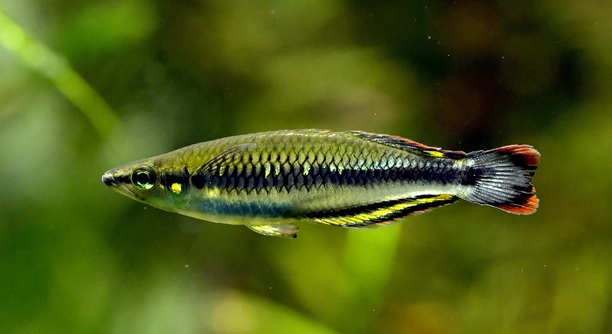
Rainbowfish are small, colorful freshwater fish that brighten any aquarium. They are lively and can show interesting behaviors that many owners may not expect or notice at first glance. Their reactions are often subtle yet fascinating.
Rainbowfish respond to changes in light, water movement, nearby fish, feeding times, reflections, sudden noises, and even human presence. Each of these factors can trigger visible changes in behavior, coloration, and swimming patterns, reflecting their sensitivity to the environment.
Observing these reactions can help owners understand their rainbowfish better. Small adjustments in the tank can make a big difference in their comfort and wellbeing.
Light Changes
Rainbowfish are very sensitive to light. When the tank lighting shifts, either brighter or dimmer, they often react immediately. They may swim closer to shaded areas or slow down their movements. Sudden changes can stress them, while gradual adjustments help them adapt. I noticed that when I added a soft LED light, my rainbowfish explored more and displayed brighter colors. Natural daylight through a window also seems to influence them. Even the time of day matters; they tend to be more active during consistent light periods. Watching their response can help you set a lighting schedule that keeps them comfortable. Avoid turning lights on or off abruptly, as it can trigger frantic swimming or hiding. A consistent routine reduces stress and supports healthy behavior. Over time, I found that matching the light to their natural cycle encouraged more playful swimming and interaction among them, which is satisfying to observe.
Rainbowfish react to gradual or sudden light changes by altering activity levels and seeking shaded or illuminated areas, demonstrating sensitivity to visual stimuli.
Understanding how light affects rainbowfish behavior allows you to design a tank that promotes calm activity. Small changes, like dimmers or timers, can improve their overall health and happiness.
Water Movement
Rainbowfish respond to water movement in the tank. Gentle currents encourage natural swimming patterns, while strong flows may cause them to dart or hide. I installed a small filter that created mild circulation, and my fish became noticeably more active and engaged with each other. They tend to swim against currents or hover in areas with slower flow, which resembles conditions in their natural habitats. Water movement also affects oxygenation, which is essential for their well-being. If the water is too stagnant, they appear lethargic or clustered in one area. Observing how they interact with currents helps in adjusting flow levels, ensuring they feel secure yet stimulated. Even rearranging decorations slightly can change local currents and elicit different responses.
Proper water movement keeps rainbowfish healthy, encourages natural behaviors, and supports vibrant coloring. By carefully adjusting flow, owners can balance stimulation and comfort. Observing these subtle reactions over time helps in creating a tank environment that promotes active, stress-free swimming, reduces aggression, and mirrors their natural habits, making them more visually engaging.
Nearby Fish
Rainbowfish notice other fish in the tank and adjust their behavior accordingly. They may swim closer to familiar companions or avoid aggressive species. Social dynamics influence their activity levels, schooling patterns, and even color intensity, reflecting their comfort and interactions within the group.
Observing how rainbowfish respond to neighbors provides insight into their social behavior. In my tank, introducing a peaceful tetra group encouraged the rainbowfish to school more tightly and display brighter colors. Conversely, placing them near more territorial fish caused them to hide or linger near decorations. These reactions are subtle but consistent, showing how environmental and social factors impact their daily life. Small adjustments in tankmates can create a calmer, more harmonious aquarium. Over time, I noticed that compatible companions encourage active swimming, playful chasing, and natural interaction, which makes the tank feel alive and balanced.
The presence of other fish not only influences behavior but also affects feeding habits. Rainbowfish may become more competitive or hesitant during meals, depending on the personalities of nearby fish. Observing these interactions helps in designing a tank that minimizes stress, promotes healthy social patterns, and encourages natural behavior. By choosing compatible species, you can maintain both the rainbowfish’s wellbeing and a visually engaging, lively aquarium environment.
Feeding Time
Rainbowfish react quickly to feeding cues. They recognize the timing, movement, and presence of food, often gathering near the surface or specific areas in anticipation. This behavior becomes routine, showing their adaptability and memory.
Feeding responses are noticeable in daily routines. In my tank, my rainbowfish swim to the same corner when flakes are dropped, adjusting their position based on where the food usually lands. They may dart briefly, then pause, waiting for smaller pieces, which shows attention to detail and careful energy use. Over time, they learn patterns from repeated feeding, which reduces stress and ensures they receive adequate nutrition. Feeding times also encourage social behavior, as fish may school together or establish mild pecking orders around the food.
Timing and method of feeding affect both energy levels and color vibrancy. Consistent feeding schedules create predictability, encouraging active swimming, interaction, and better overall health. Rainbowfish quickly associate certain signals with food, demonstrating their responsiveness and intelligence. Adjusting food type, size, and frequency can further improve engagement, reduce competition, and enhance coloration, making them more visually striking and content. Careful observation during meals helps tailor feeding practices to their habits and needs, benefiting the entire tank ecosystem.
Reflections
Rainbowfish often react to reflections in the glass or decorations. They may approach, display brighter colors, or even show mild aggression, mistaking the reflection for another fish. These interactions are brief but noticeable, revealing their awareness of surroundings and sensitivity to visual stimuli.
Reflections can influence behavior and stress levels. In my tank, placing a mirrored decoration caused my rainbowfish to repeatedly swim toward it, sometimes pausing or flaring fins. Removing or repositioning reflective surfaces helped them relax, encouraging natural schooling and calmer movement. Observing these reactions allows for adjustments that maintain a peaceful environment and prevent unnecessary stress.
Sudden Noises
Sudden noises near the tank startle rainbowfish. They may dart, hide, or freeze temporarily, reflecting their instinctive response to potential threats. Consistent loud sounds can increase stress, while a quiet environment supports calmer behavior and steady swimming.
Human Presence
Rainbowfish notice when someone approaches the tank. They often become more alert, swim toward the front, or adjust their pace. This reaction shows awareness and recognition of movement outside their environment. Observing their responses can make feeding, cleaning, and interaction more predictable and stress-free.
FAQ
How can I tell if my rainbowfish is stressed?
Rainbowfish show stress in several ways. They may hide more than usual, swim erratically, or lose color vibrancy. Sudden changes in behavior, like refusing food or isolating themselves, often indicate discomfort. In my experience, keeping the tank environment stable and observing patterns closely helps me notice stress early and take action. Adjusting water conditions, light, and tankmates usually restores normal behavior.
Do rainbowfish react differently to male and female fish?
Yes, rainbowfish can behave differently depending on the sex of other fish. Males may display brighter colors and chase other males, while females may show less aggressive but responsive movement. I noticed that introducing new males sometimes triggered short bursts of territorial displays, whereas females tended to swim more calmly together, maintaining social harmony.
Can rainbowfish recognize their owners?
Rainbowfish appear to notice people around the tank. They often swim closer to the front when someone approaches, especially during feeding times. In my tank, they learned to associate my movements with food, showing anticipation. While it’s not the same as recognizing a human personally, they do respond to familiar cues and routines.
What kinds of light do rainbowfish prefer?
Rainbowfish respond best to consistent, moderate lighting. Too bright or harsh light can stress them, while very dim light can reduce activity. I found that using a soft LED light with a timer that mimics natural day and night cycles encourages normal swimming, social behavior, and color display. Gradual changes are better than sudden shifts.
Why do rainbowfish react to reflections?
Reflections can confuse rainbowfish, making them think another fish is nearby. They may approach, flare fins, or briefly act territorial. I experienced this when a mirrored decoration was added to the tank. Adjusting or removing reflective surfaces usually calms them, allowing natural schooling and reducing unnecessary stress.
Do rainbowfish respond to sounds?
Rainbowfish react to sudden or loud noises near the tank. They may dart quickly, hide, or freeze temporarily. Over time, repeated loud sounds can increase stress, while maintaining a quieter environment helps them remain calm. I try to keep the area around my tank peaceful, which encourages regular, relaxed swimming patterns.
How important is water flow for rainbowfish?
Water movement influences their behavior and health. Gentle currents encourage active swimming and mimic natural habitats, while strong flows can cause stress. In my tank, mild filtration keeps water circulating without overwhelming them. Adjusting flow, along with tank decorations that break currents, supports natural behavior and comfort.
Can rainbowfish adapt to new tankmates easily?
Rainbowfish are generally social, but compatibility matters. Peaceful species encourage schooling and bright colors, while aggressive or territorial fish can stress them. When I added compatible small tetras, my rainbowfish became more active and interactive. Observing initial interactions carefully helps ensure harmony and minimizes conflict.
Why do rainbowfish react to feeding times?
Rainbowfish quickly learn feeding routines. They anticipate food and gather in specific areas of the tank. I noticed mine swim to the same corner during flakes or pellets, showing memory and adaptability. Feeding time also encourages social behaviors, with mild competition or playful chasing around the food, reflecting natural instincts.
How can I make my rainbowfish feel secure?
Providing stable water conditions, gentle lighting, compatible tankmates, and predictable feeding schedules creates a secure environment. I also include plants and decorations for hiding spots. Observing their reactions to changes helps adjust the tank for calm, active behavior. A consistent setup reduces stress and supports overall wellbeing.
Are rainbowfish sensitive to changes in temperature?
Yes, sudden temperature changes can stress rainbowfish. They prefer stable, moderate temperatures typical for freshwater tropical species. In my experience, using a reliable heater and monitoring with a thermometer keeps the tank consistent, which encourages natural behavior and prevents sudden hiding or lethargy.
Do rainbowfish react to human touch on the tank?
Rainbowfish notice tapping or sudden movement on the glass. They often dart or pause, responding to the vibrations. I learned to avoid tapping the tank and instead approach slowly, which allows them to swim freely and remain calm during cleaning or observation. Consistency in human interaction reduces unnecessary stress.
How can I encourage my rainbowfish to display brighter colors?
Bright colors often appear when rainbowfish are healthy, stress-free, and have good nutrition. I noticed that maintaining stable water conditions, feeding a varied diet, and keeping compatible tankmates encouraged vivid coloration. Proper lighting also enhances natural hues. Avoiding stressors like loud noises or strong currents further supports their visual vibrancy.
Are rainbowfish curious about new objects in the tank?
Rainbowfish do notice changes in their environment. Adding decorations, plants, or rocks often triggers cautious investigation. In my tank, they swim around new items, pause, and sometimes push lightly against them. This curiosity is brief but shows intelligence and environmental awareness, helping them adapt to gradual changes safely.
Do rainbowfish react to tank cleaning?
During cleaning, rainbowfish often hide or swim nervously until the process is complete. I usually clean one section at a time, keeping them calm with gentle water movement and minimal disturbance. They quickly return to normal behavior once cleaning is finished, showing their resilience when changes are managed carefully.
Rainbowfish are fascinating little fish that show a lot of interesting behaviors. They react to many things in their environment, from light and water movement to the presence of other fish and even humans. Observing these reactions can teach a lot about their natural instincts and preferences. Over time, it becomes easier to notice subtle changes in their behavior, like a shift in swimming patterns or a change in coloration. These small signals are often the first signs of stress, excitement, or curiosity. Understanding them allows for a calmer, healthier tank environment and helps rainbowfish feel secure and comfortable in their home. Their reactions are not random—they are linked to survival instincts, social behavior, and environmental awareness. Paying attention to how they respond to different stimuli can improve their overall wellbeing and make caring for them more rewarding.
Creating a proper environment for rainbowfish requires attention to several details. Consistent lighting, gentle water movement, and a stable temperature are essential for their health. Tankmates must be chosen carefully to avoid stress or conflict, as rainbowfish are social but sensitive to aggression. Hiding spots, plants, and decorations provide comfort and reduce stress, especially when new fish are introduced or during feeding times. Feeding schedules and diet also affect their behavior and color vibrancy. Over time, rainbowfish can learn patterns and anticipate feeding, which shows their adaptability and memory. Small adjustments, like repositioning decorations or adjusting the filter flow, can make a noticeable difference in their activity and comfort. Observing these factors closely helps create a more balanced and harmonious environment where rainbowfish can thrive naturally.
Caring for rainbowfish is a mix of observation, patience, and gradual adjustments. They respond to many environmental cues, and understanding these responses makes it easier to meet their needs. Changes in light, reflections, sudden noises, or human movement can all trigger reactions, some brief and some more lasting. Learning to read these signals allows for a calm and enjoyable tank experience. Over time, watching rainbowfish interact with each other and their environment is rewarding. Their colors become brighter when they are healthy and stress-free, and their active swimming shows that they feel secure. By keeping conditions stable, monitoring behavior, and making thoughtful adjustments, it is possible to maintain a tank that supports their natural instincts and promotes long-term health. Rainbowfish may be small, but their responses are clear and informative, offering valuable insight into aquatic life.

Hello,
If you enjoy the content that we create, please consider saying a "Thank You!" by leaving a tip.
Every little bit helps us continue crafting quality advice that supports the health, happiness, and well-being of pets around the world, for pets of all shapes, sizes, and species.
We really appreciate the kindness and support that you show us!