
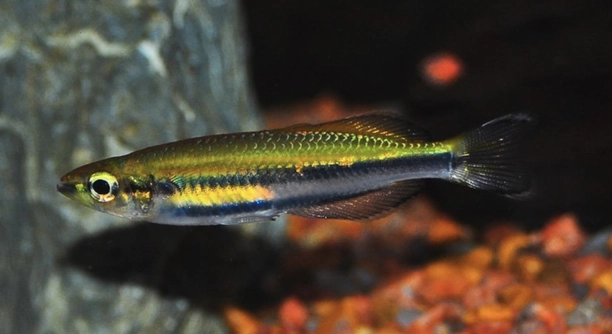
Have you noticed your rainbowfish suddenly swimming nervously or darting around their tank? Even the calmest fish can display unexpected skittish behavior, leaving aquarists concerned about their health and the overall environment.
Rainbowfish often act skittish due to sudden changes in their surroundings, including lighting, water quality, tankmates, or loud noises. These environmental stressors trigger instinctive flight responses, causing the fish to react nervously and alter their normal swimming patterns.
Understanding the causes of this behavior helps maintain a peaceful aquarium and ensures the rainbowfish remain healthy and comfortable in their habitat.
Common Environmental Triggers
Rainbowfish are very sensitive to their surroundings. Sudden changes in lighting, temperature, or water chemistry can make them act nervously. Even small disturbances like shifting decorations or adding new plants can trigger skittish behavior. Loud noises nearby or tapping on the tank glass can startle them, causing rapid swimming or hiding. Keeping their tank stable and predictable is key. Fish rely on routine to feel safe, and even minor changes can create stress. Observing their daily habits helps identify patterns in behavior. If a fish seems jumpy only at certain times, it often points to specific environmental factors. Adjusting water temperature gradually and maintaining proper filtration can reduce sudden stress. A well-arranged tank with hiding spots also helps rainbowfish feel secure, minimizing their flighty responses. Over time, consistent care and attention to the tank environment can make a noticeable difference in their behavior.
Maintaining stable water parameters, gentle lighting, and minimal disturbances significantly reduces rainbowfish stress and promotes calm, natural activity within the tank.
Skittishness can also arise from overcrowding or incompatible tankmates. Even peaceful fish can become stressed if space is limited, so arranging compatible species carefully improves overall comfort.
Dietary and Health Influences
Sudden changes in diet or poor nutrition can make rainbowfish restless. They need a balanced diet with flakes, pellets, and occasional live or frozen food. Inadequate feeding schedules or low-quality food can weaken them, increasing sensitivity to stress. Proper nutrition supports strong immunity and consistent energy, helping fish stay calmer. Observing how they respond after feeding helps identify potential dietary issues. Overfeeding can also cause water quality problems, indirectly making fish nervous.
Parasites, infections, or other health issues may trigger skittish behavior. Common signs include rapid gill movement, clamped fins, or unusual swimming patterns. Early detection and treatment are essential for recovery. Consulting a veterinarian or aquatic specialist ensures proper diagnosis. Quarantining new fish before introducing them reduces the risk of disease spreading. Clean water, stable temperature, and regular monitoring of fish behavior help prevent many health-related problems. By addressing both nutrition and health, rainbowfish are more likely to maintain calm, consistent behavior and thrive in their tank environment.
Tank Setup and Space
Overcrowding can make rainbowfish nervous. Each fish needs enough space to swim freely and establish its own territory. Small tanks increase stress levels quickly.
A poorly arranged tank can cause hiding spots to be limited, leaving fish exposed. Decorations, plants, and rocks should be placed thoughtfully to create safe areas while maintaining open swimming zones. Tall plants or floating cover provide a sense of security. If new decorations are added suddenly, fish may react by darting or hiding. Monitoring how they explore and adjust to these changes helps ensure the setup supports calm behavior. Gradual modifications are better than abrupt rearrangements, as rainbowfish adapt slowly to new environments.
Filtration and water flow also play a role. Strong currents in a small tank can overwhelm them, while gentle circulation promotes a balanced environment. Proper equipment and thoughtful placement maintain stable conditions, reducing skittish responses. Regular maintenance ensures the habitat remains consistent, supporting confident and healthy swimming patterns for the fish.
Social Behavior and Tankmates
Rainbowfish are social but sensitive. Introducing new fish too quickly can stress existing ones and trigger skittish reactions.
Compatibility is crucial. Aggressive or territorial species can intimidate rainbowfish, even if they are not directly attacking. Observing interactions helps prevent ongoing stress. Schools of at least six rainbowfish reduce anxiety and encourage natural behavior. Small groups may cause isolation, making individuals more jumpy. Tankmates should share similar water requirements and temperament to minimize conflicts. Introducing fish gradually allows everyone to adjust and reduces sudden panic.
Even within a compatible school, hierarchy and individual personalities matter. Some fish are naturally bolder, while others are timid. Ensuring multiple hiding spaces lets less dominant fish escape confrontations without constant stress. Balanced feeding prevents competition, and monitoring behavior regularly helps identify tension early. Maintaining stable social dynamics reduces stress-induced skittishness and supports a harmonious tank where rainbowfish feel secure and swim confidently.
Lighting and Noise
Bright or fluctuating lighting can startle rainbowfish. Sudden changes in light intensity make them dart or hide quickly.
External noise, such as loud talking, music, or nearby construction, can also make them nervous. A quiet environment helps maintain calm and predictable behavior.
Water Quality and Maintenance
Maintaining clean, stable water is essential for rainbowfish. Poor water quality, including high ammonia, nitrite, or nitrate levels, stresses fish and triggers skittish responses. Regular water testing, partial water changes, and proper filtration keep conditions balanced. Sudden chemical changes, like adding untreated tap water or strong water conditioners, can shock them. Monitoring pH, temperature, and hardness ensures a healthy environment. Even minor imbalances in water parameters can cause nervous behavior. Consistent maintenance routines help fish adapt to their habitat, reducing panic and promoting normal swimming patterns. Clean water supports strong immunity, minimizing illness-related stress and encouraging confident behavior in rainbowfish.
Seasonal and Temperature Changes
Rainbowfish can become skittish when water temperature fluctuates with seasons. Gradual adjustments help them stay comfortable.
Observing Behavior Patterns
Tracking daily behavior reveals stress triggers. Note feeding, swimming, and hiding habits for early intervention.
FAQ
Why do my rainbowfish hide all the time?
Rainbowfish hide when they feel unsafe or stressed. Common reasons include sudden changes in lighting, overcrowding, or aggressive tankmates. Providing plants, rocks, or other hiding spots gives them a sense of security. Gradually introducing new fish or decorations also reduces fear and encourages exploration over time.
Can water quality make rainbowfish skittish?
Yes, poor water quality is a major cause. High ammonia, nitrite, or nitrate levels, rapid temperature changes, and inconsistent pH can all stress rainbowfish. Regular water testing, partial water changes, and proper filtration help maintain stable conditions and calmer behavior.
Does diet affect their behavior?
Nutrition plays a role in their overall health and stress levels. A balanced diet of flakes, pellets, and occasional live or frozen foods keeps them energetic and less nervous. Overfeeding or low-quality food can indirectly stress fish by polluting the water or weakening their immunity.
Will tank size impact their skittishness?
Tank size is important. Overcrowded tanks increase stress, while a spacious tank with enough swimming room reduces nervous behavior. Each fish needs space to move freely and establish personal territory. A properly sized tank also makes monitoring water quality and maintaining stable conditions easier.
Can loud noises outside the tank cause stress?
External sounds like tapping, music, or construction can startle rainbowfish. They are sensitive to vibrations and sudden noises, which trigger instinctive flight responses. Keeping the tank in a quieter area or using a tank cover to dampen vibrations can help reduce stress.
How do tankmates affect rainbowfish behavior?
Incompatible or aggressive tankmates can make rainbowfish nervous, even without direct attacks. Peaceful, similarly sized species help create a calm environment. A school of at least six rainbowfish reduces stress and promotes natural social behavior, while careful observation ensures that dominant or timid fish aren’t constantly pressured.
Does lighting influence skittish behavior?
Sudden changes in lighting intensity or bright direct light can frighten rainbowfish. Using gentle lighting, consistent day-night cycles, and gradual adjustments prevents stress. Floating plants or shaded areas give fish control over light exposure, encouraging confidence and calmer swimming patterns.
Can seasonal changes affect my fish?
Rainbowfish can react to seasonal temperature fluctuations or shifts in room lighting. Gradual adjustments to water temperature and consistent maintenance help them adapt. Sudden changes in temperature or environment can trigger hiding, darting, or other nervous behaviors that indicate discomfort.
How do I tell if skittishness is a health issue?
Health problems like parasites, infections, or weakened immunity can increase nervous behavior. Signs include clamped fins, rapid gill movement, unusual swimming patterns, or lack of appetite. Early detection, quarantine for new fish, and consulting a veterinarian or aquatic specialist ensures proper treatment.
Can rearranging decorations cause stress?
Yes, sudden rearrangements can confuse or frighten rainbowfish. Gradual changes, leaving familiar hiding spots intact, and observing their reactions help them adapt without excessive panic. A well-planned tank layout promotes a sense of security and reduces flighty behavior.
What are the best ways to reduce skittishness overall?
Maintaining stable water parameters, a balanced diet, quiet surroundings, compatible tankmates, and thoughtful tank design all contribute to calmer rainbowfish. Observing daily behavior and making gradual adjustments help them feel secure, confident, and comfortable in their environment, reducing nervous reactions.
How long does it take for rainbowfish to settle after stress?
The adjustment period varies depending on the cause of stress and the fish’s personality. Minor disturbances might take a few hours, while major changes like new tankmates or water chemistry adjustments can take several days. Patience and consistency in care help fish regain normal behavior.
Are there signs that stress is getting serious?
Persistent hiding, rapid swimming, loss of appetite, or physical symptoms like clamped fins or faded colors indicate high stress levels. Immediate action, including checking water quality, tankmates, and diet, is needed to prevent long-term health issues. Early intervention ensures rainbowfish recover quickly and stay healthy.
Can schooling behavior reduce nervousness?
Yes, rainbowfish are naturally social. A school of six or more individuals provides comfort and security. Fish within a school often mimic calm behavior, reducing overall anxiety. Maintaining consistent social structures and observing interactions keeps stress low and encourages normal swimming patterns.
Does filtration affect their comfort?
Strong currents from oversized filters can overwhelm rainbowfish, while proper filtration provides clean water without excessive flow. Gentle water movement simulates natural conditions, helping fish feel secure. Balancing filter output and creating calm areas supports stable behavior and reduces skittish reactions.
How often should I monitor my rainbowfish?
Daily observation is important to catch early signs of stress. Watching feeding, swimming patterns, and social interactions helps identify environmental or health issues quickly. Prompt adjustments keep rainbowfish comfortable and prevent skittish behavior from becoming chronic.
Can new fish introduction cause long-term stress?
Sudden introductions without quarantine or gradual acclimation can stress both new and existing fish. Proper acclimation, quarantine periods, and careful monitoring reduce the risk of long-term anxiety and aggression, keeping the aquarium balanced and peaceful for all rainbowfish.
Is temperature fluctuation the main cause of nervous behavior?
Temperature swings are a common factor, but they are rarely the only one. Combining stable temperatures with proper tankmates, nutrition, and lighting creates an environment where rainbowfish feel secure and maintain consistent, calm behavior.
What small changes can make the biggest difference?
Simple adjustments, like adding hiding spots, maintaining steady lighting, controlling noise, and keeping water clean, often have the biggest impact on reducing nervous behavior. Small, consistent improvements build a sense of security and comfort for rainbowfish.
How do I know if my rainbowfish is adjusting well?
Signs of adjustment include normal swimming patterns, regular feeding, less darting, and relaxed interactions with tankmates. Observing these behaviors over time indicates that the environment supports confidence and reduces stress.
Rainbowfish are naturally sensitive creatures, and their skittish behavior often signals that something in their environment or routine is off. Sudden changes in water quality, lighting, temperature, or tank layout can make even the calmest fish dart or hide. Overcrowding or aggressive tankmates add to the stress, while a lack of hiding spots leaves them feeling exposed. By paying attention to the tank’s setup and observing how the fish respond to changes, you can reduce their anxiety and help them feel secure. Small, consistent adjustments often make a noticeable difference, and understanding their behavior is the first step toward creating a comfortable environment. Watching them daily allows you to identify patterns, such as times when they become more active or when they retreat, giving clues about potential stressors that may not be obvious at first glance.
Proper nutrition and health maintenance also play a crucial role in keeping rainbowfish calm. A balanced diet that includes quality flakes, pellets, and occasional live or frozen food supports strong immunity and stable energy levels. Overfeeding or using low-quality food can affect water quality and indirectly make the fish more nervous. Health issues like parasites, infections, or weakened immunity often increase skittishness, making it important to monitor for signs such as clamped fins, rapid gill movement, or unusual swimming. Quarantining new fish and addressing health problems early helps prevent stress from spreading in the tank. Regular water testing, partial water changes, and proper filtration keep conditions consistent, ensuring the fish remain healthy and less prone to panic.
Creating a calm and supportive environment involves combining all these factors. Thoughtful tank setup, compatible tankmates, gentle lighting, minimal noise, and stable water parameters all contribute to the overall comfort of rainbowfish. Even small changes, such as adding plants for cover or adjusting water flow, can reduce nervous behavior. Patience is key because rainbowfish may take time to adjust after any change. Observing daily behavior, maintaining routines, and making gradual improvements help them feel secure and confident. Over time, with consistent care, rainbowfish will display more natural swimming patterns, interact comfortably with their tankmates, and respond calmly to minor disturbances. Providing a stable, nurturing environment not only reduces skittishness but also ensures that rainbowfish thrive and enjoy a healthy, stress-free life in their aquarium.

Hello,
If you enjoy the content that we create, please consider saying a "Thank You!" by leaving a tip.
Every little bit helps us continue crafting quality advice that supports the health, happiness, and well-being of pets around the world, for pets of all shapes, sizes, and species.
We really appreciate the kindness and support that you show us!