
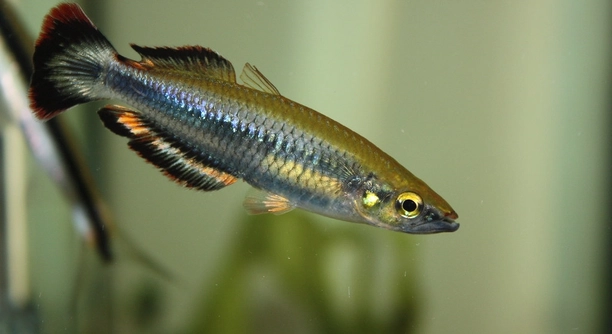
Rainbowfish are popular aquarium pets admired for their bright colors and active behavior. Watching them swim gracefully can be relaxing, but noticing changes in their appearance or behavior can be concerning for any fish owner.
Recognizing signs of illness in rainbowfish involves observing physical changes, behavioral shifts, and appetite loss. Common indicators include faded colors, clamped fins, lethargy, irregular swimming, and visible spots or growths. Early detection is essential for effective treatment and recovery.
Knowing these key warning signs helps ensure your rainbowfish remains healthy and vibrant. Paying attention now can prevent more serious health problems in the future.
Lethargy
Lethargy in rainbowfish is a common sign that something is wrong. Healthy fish are usually active, swimming around the tank and exploring their environment. When a fish becomes unusually slow or spends long periods resting at the bottom, it may indicate illness, stress, or poor water quality. Lethargy can be caused by low oxygen levels, temperature fluctuations, or infections. Observing your fish’s energy levels daily helps you notice subtle changes early. Sometimes lethargy appears alongside other symptoms, like clamped fins, faded colors, or loss of appetite. Ensuring a clean tank with stable water conditions can prevent stress-related lethargy. Providing a balanced diet and avoiding overfeeding also supports energy levels. If lethargy persists, testing water parameters and isolating the affected fish can help determine the cause. Early intervention often allows your rainbowfish to regain normal activity before more serious complications develop.
Noticing low activity early can prevent severe illness and keep rainbowfish healthier.
A sluggish fish might seem harmless, but prolonged lethargy often signals an underlying health issue that needs attention.
Loss of Appetite
Loss of appetite is a clear warning sign that a rainbowfish may be sick.
When rainbowfish stop eating or show reduced interest in food, it can indicate stress, illness, or parasites. Prolonged appetite loss weakens the fish, making it more susceptible to disease. Common causes include water quality issues, sudden temperature changes, bacterial infections, and internal parasites. Observing feeding habits carefully allows you to detect even small reductions in appetite. Maintaining clean water and a consistent feeding schedule can help prevent minor problems. In some cases, specialized medications or dietary adjustments are necessary to restore normal eating. Appetite loss often occurs alongside other symptoms such as lethargy, faded colors, or clamped fins, so monitoring multiple indicators is crucial. Early action, like checking water parameters and adjusting care routines, can improve recovery and prevent the condition from worsening. Regular attention to feeding behavior ensures your rainbowfish stays strong and active over time, reducing the risk of long-term health complications.
Erratic Swimming
Erratic swimming is a clear sign of stress or illness in rainbowfish. Sudden darting, spinning, or floating near the surface can indicate poor water quality, parasites, or neurological problems.
Erratic swimming often appears when water parameters are unstable, including incorrect temperature, pH, or ammonia levels. Fish affected by parasites may scrape against decorations or swim irregularly as they try to relieve irritation. Nutritional deficiencies can also contribute, causing weakness that leads to uncontrolled movements. Observing patterns in swimming behavior helps identify whether the issue is environmental or health-related. Keeping a stable tank environment and monitoring water quality can prevent many causes of erratic swimming. If symptoms persist, isolating the fish and consulting treatments for infections or parasites is necessary to prevent worsening health.
Persistent erratic swimming can also be linked to stress from tankmates or overcrowding. A calm, well-maintained tank reduces these risks and helps fish recover faster.
Visible Spots or Growths
White, red, or black spots on a rainbowfish indicate potential infections or parasites. Growths can appear as small lumps or fuzzy patches on the body or fins.
Spots are often caused by external parasites, fungal infections, or bacterial diseases. Ich, one of the most common parasitic infections, appears as small white dots and can spread quickly in a tank. Fungal infections create cotton-like patches, usually on damaged tissue, while bacterial infections may cause red sores or ulcers. Identifying the type of spot is critical for effective treatment. Proper water quality, quarantine procedures, and targeted medication help address these issues. Consistent observation and early treatment improve recovery chances and prevent disease from spreading to other fish in the tank.
Growths and spots can interfere with swimming and feeding. Addressing the issue quickly ensures the rainbowfish remains active and maintains its vibrant appearance.
Gasping at the Surface
Gasping at the surface is a strong sign of low oxygen levels or poor water quality. Rainbowfish may swim near the top to get air when oxygen in the water is insufficient.
This behavior can also indicate gill disease or high ammonia levels. Frequent monitoring of water conditions and proper aeration is essential to prevent stress and maintain healthy fish.
Clamped Tail
A clamped tail often accompanies illness or stress in rainbowfish. The tail remains close to the body instead of fanning out naturally, signaling discomfort or weakened health.
Tail clamping can result from water parameter fluctuations, infections, or parasites. Observing tail posture daily and maintaining a stable, clean environment helps identify and address problems before they worsen. Prompt attention can restore normal behavior and prevent further health issues.
Rapid Gill Movement
Rapid gill movement indicates difficulty breathing and is often linked to poor oxygen levels, high ammonia, or gill infections. Monitoring gill activity can help detect early signs of distress in rainbowfish.
FAQ
How can I tell if my rainbowfish is stressed rather than sick?
Stress and sickness can look similar, but stress usually comes from environmental changes or tank conditions. A stressed rainbowfish may hide, swim frantically, or have clamped fins but still eat normally. Monitoring water parameters, temperature, and tankmates can help determine if the cause is environmental rather than disease-related.
What should I do if my rainbowfish stops eating?
Loss of appetite is often a serious warning sign. First, check water quality for ammonia, nitrite, nitrate, and pH levels. Ensure the fish is not stressed by tankmates or overcrowding. Offering small portions of high-quality food can encourage eating. Persistent refusal to eat may require isolating the fish and using appropriate medication for infections or parasites.
Can poor water quality really make rainbowfish sick?
Yes, poor water quality is one of the leading causes of illness in rainbowfish. High ammonia or nitrite levels, extreme pH, or sudden temperature changes can weaken their immune system. Maintaining consistent water conditions, performing regular water changes, and using proper filtration are essential to keep rainbowfish healthy.
Are clamped fins always a sign of disease?
Not always. Clamped fins can result from temporary stress, such as moving to a new tank or sudden environmental changes. However, if clamped fins persist alongside faded colors, lethargy, or loss of appetite, it likely indicates illness, and immediate action is necessary. Observing behavior over time helps determine the cause.
What diseases commonly affect rainbowfish?
Rainbowfish are prone to external parasites like Ich, fungal infections, and bacterial diseases. Ich appears as small white spots, fungal infections show cotton-like patches, and bacterial infections may cause ulcers or red sores. Early detection and treatment are essential for preventing severe health issues and spreading to other fish.
How can I prevent my rainbowfish from getting sick?
Consistent tank maintenance is key. Monitor water quality, keep the tank clean, and avoid overcrowding. Provide a balanced diet, stable temperatures, and compatible tankmates. Quarantining new fish before introducing them to the main tank reduces the risk of introducing diseases. Early detection of behavioral or physical changes also helps prevent serious illness.
When should I consider consulting a veterinarian?
If your rainbowfish shows persistent symptoms like lethargy, loss of appetite, clamped fins, or visible spots despite proper care, professional guidance is recommended. A veterinarian can help identify the disease, suggest appropriate treatment, and prevent the condition from worsening.
Can diet affect my rainbowfish’s health?
Yes, diet plays a significant role. Poor nutrition can weaken their immune system, leading to faded colors, low energy, and increased susceptibility to infections. Offering varied, high-quality food, including flakes, pellets, and occasional live or frozen food, ensures your rainbowfish gets the nutrients needed to stay healthy and vibrant.
How often should I check my rainbowfish for illness?
Daily observation is ideal. Watch for changes in swimming, appetite, fin position, and color. Noticing minor shifts early allows for quick intervention, which can prevent small issues from turning into severe health problems. Regular checks help maintain long-term well-being for your rainbowfish.
Can stress from tankmates cause illness?
Yes, aggressive or incompatible tankmates can stress rainbowfish, lowering their immunity and making them more prone to disease. Ensuring peaceful tankmates, adequate space, and hiding spots reduces stress and supports overall health. Observing interactions between fish can reveal potential problems before they impact well-being.
Is quarantine necessary for sick fish?
Quarantining sick fish prevents the spread of disease to healthy tankmates. Isolate the affected fish in a separate tank with appropriate water conditions and treatment. Quarantine also allows careful monitoring and more effective management of the illness, increasing the chances of full recovery.
How do I know if my rainbowfish’s condition is improving?
Look for increased activity, normal swimming, restored appetite, brighter colors, and fins returning to a natural position. Gradual improvement in these areas indicates the fish is responding to treatment and environmental adjustments. Consistent observation is key to confirming recovery and preventing relapse.
Can temperature changes affect rainbowfish health?
Yes, rainbowfish are sensitive to sudden temperature fluctuations. Rapid changes can stress them, leading to clamped fins, lethargy, or weakened immunity. Maintaining a stable, suitable temperature range for your species helps prevent stress-related illnesses and supports overall vitality.
What is the most effective way to treat external parasites?
Treatment usually involves medicated baths, salt treatments, or specialized aquarium medications. Isolating the affected fish and following the treatment instructions carefully is essential. Adjusting water conditions, cleaning the tank, and removing affected plants or decorations can also help eliminate parasites and prevent reinfection.
How important is tank cleaning for preventing sickness?
Tank cleaning is critical. Uneaten food, waste, and decaying plants can lead to high ammonia and nitrite levels, which harm rainbowfish. Regular water changes, substrate vacuuming, and filter maintenance reduce stress and lower the risk of illness, keeping fish healthy and active.
Can stress alone kill a rainbowfish?
Severe or prolonged stress weakens the immune system, making rainbowfish more vulnerable to infections and disease. While stress alone may not directly cause death, it significantly increases the risk of fatal illnesses. Maintaining a stable, low-stress environment is essential for survival and long-term health.
Is it normal for rainbowfish to hide often?
Occasional hiding is normal, but frequent or prolonged hiding can indicate stress, illness, or bullying from other tankmates. Observing hiding patterns along with other signs like clamped fins or loss of appetite helps determine whether intervention is needed. Proper hiding spots and compatible fish reduce stress-related hiding.
How do I treat fungal infections in rainbowfish?
Fungal infections require antifungal medications and clean water. Remove affected materials and maintain optimal water conditions. Early detection and treatment increase recovery chances. Monitoring behavior and physical changes ensures the infection does not spread or worsen, protecting the fish’s health.
Can I prevent Ich outbreaks?
Yes, maintaining stable water conditions, quarantining new fish, and avoiding overcrowding greatly reduce the risk of Ich. Rapid identification and treatment at the first sign of white spots prevent serious infections and protect all fish in the tank.
Keeping rainbowfish healthy requires consistent attention and care. Observing their daily behavior and appearance is essential to catch any signs of illness early. Changes in color, fin position, appetite, or activity level are often the first indicators that something may be wrong. Paying attention to these details allows for timely intervention before a minor problem becomes a serious health issue. Water quality is one of the most important factors in maintaining the well-being of rainbowfish. Regular water testing, partial water changes, and proper filtration help create a stable environment where fish can thrive. Temperature, pH, ammonia, nitrite, and nitrate levels should be monitored closely, as even small fluctuations can stress the fish and weaken their immune system. Stress from overcrowding or incompatible tankmates can also affect health, so providing enough space and a peaceful community is important for their overall stability.
Nutrition is another key component in supporting rainbowfish health. A varied diet that includes high-quality flakes, pellets, and occasional live or frozen food ensures they receive the necessary nutrients to stay vibrant and strong. Feeding small amounts multiple times a day prevents overfeeding and reduces waste in the tank, which also helps maintain water quality. A healthy diet can prevent common issues like faded colors, lethargy, and increased susceptibility to infection. Observing how your fish respond to different foods and adjusting their diet accordingly can make a significant difference in their long-term health. Alongside proper nutrition, maintaining a clean and stable environment reduces the chances of diseases like Ich, fungal infections, and bacterial infections.
Early detection and consistent care are the most effective ways to keep rainbowfish healthy. Regular observation allows you to notice changes before they become serious problems. Addressing issues like clamped fins, erratic swimming, or visible spots quickly can make treatment simpler and more effective. Isolation of sick fish, proper medications, and environmental adjustments often result in a full recovery if acted on in time. By keeping water quality stable, providing nutritious food, and monitoring their behavior closely, you create conditions where rainbowfish can live long, active, and healthy lives. Paying attention to these small but crucial details ensures that your rainbowfish remain vibrant and energetic, allowing you to enjoy their beauty and activity in your aquarium for many years.

Hello,
If you enjoy the content that we create, please consider saying a "Thank You!" by leaving a tip.
Every little bit helps us continue crafting quality advice that supports the health, happiness, and well-being of pets around the world, for pets of all shapes, sizes, and species.
We really appreciate the kindness and support that you show us!