
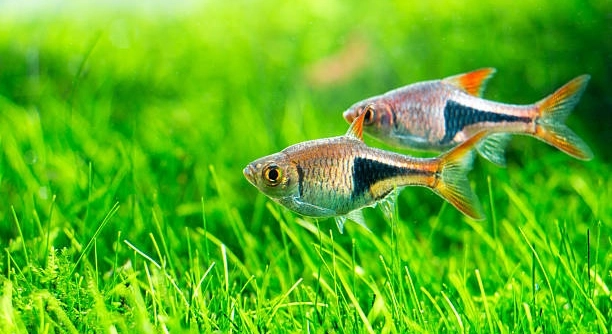
Rasboras are small, lively fish that many people enjoy keeping in home aquariums. Their swimming behavior changes noticeably between day and night, which can be interesting to observe. Understanding why they swim differently at night helps aquarium owners care for them better.
Rasboras swim differently at night due to changes in their environment and natural instincts. Factors like reduced light, decreased activity, and predator avoidance influence their slower, more cautious swimming patterns during nighttime hours. These adaptations help ensure their safety and conserve energy.
Learning about these nighttime habits gives insight into how rasboras live and react to their surroundings. This knowledge can improve how you create a comfortable space for them.
Reduced Light and Its Effect on Rasbora Movement
At night, the light in the aquarium dims or turns off completely. Rasboras rely heavily on light to navigate their surroundings. With less light, their vision becomes limited, causing them to swim more slowly and cautiously. This change helps them avoid bumping into objects or other fish. In natural habitats, low light conditions also signal safety, so rasboras tend to stay closer to shelter or the bottom of the tank. Their color may appear duller as well, blending more with the dark environment to avoid attracting predators. The change in light affects their daily rhythm, making them less active and more reserved. This shift is a natural part of their behavior, reflecting how they adapt to different times of the day. Watching rasboras adjust their swimming based on light levels offers a glimpse into how sensitive these fish are to their surroundings.
Swimming slower at night reduces energy use, which helps rasboras conserve strength for daytime activity.
Understanding how light impacts rasbora movement allows aquarium keepers to create better lighting schedules. Using a consistent day-night cycle mimics their natural environment, encouraging healthy behavior. Avoiding sudden changes in lighting can prevent stress and promote a calm tank atmosphere. By recognizing the role of light, you can also predict when your rasboras will be most active or restful. This knowledge helps in feeding schedules and tank maintenance. Proper lighting not only influences swimming patterns but also supports overall fish health and tank balance.
Predator Avoidance Behavior
Rasboras swim differently at night to avoid potential predators.
In the wild, nighttime brings higher risks from nocturnal predators. To protect themselves, rasboras adopt more cautious movements, staying closer to plants or hiding spots. This behavior is a survival instinct to reduce the chance of being seen or caught. In home tanks, even though predators are usually absent, rasboras still retain this natural pattern. Their bodies become more still, and they tend to form tighter groups at night. This grouping increases their safety by making it harder for any threat to target a single fish. These instincts are deeply rooted, showing how evolution shapes behavior even in peaceful environments. Watching this change in swimming can be fascinating and reminds us of the wild origins of our aquarium fish. Providing plenty of hiding places supports their natural habits and makes them feel secure.
Changes in Water Temperature at Night
Water temperature usually drops slightly at night, affecting rasbora activity. Cooler water slows their metabolism, making them less energetic and causing slower swimming.
This temperature drop signals to rasboras that it’s time to conserve energy. Their body functions slow down, so they move less and rest more. This is a natural response to cooler conditions, helping them survive when food is less available or conditions are less favorable. It also reduces the chance of injury by limiting unnecessary movement in the dark. While the change may be subtle in an aquarium, even small temperature shifts influence their behavior.
Maintaining a stable but natural temperature cycle in the tank supports rasboras’ well-being. Avoid sudden temperature changes, as these can cause stress and disrupt their normal swimming patterns. Using a reliable heater or monitoring system can help keep night temperatures consistent, promoting healthy rest and activity cycles.
Social Behavior Differences at Night
Rasboras often swim closer together at night to feel safer. This group behavior reduces anxiety and helps them protect each other.
At night, the instinct to stay in schools becomes stronger because it lowers the risk of being targeted by predators. Even in tanks without threats, this behavior remains. Clustering tightly gives rasboras a sense of security and comfort, which helps them relax and rest. When grouped, their movements become more synchronized, with less chasing or playful swimming seen during the day. This shift also reduces aggressive encounters, allowing a calmer environment. Understanding this social behavior means you can arrange the tank with enough space and hiding spots, encouraging natural nighttime groupings without stress or overcrowding.
Reduced Feeding Activity
Rasboras eat less at night because their metabolism slows down. They focus more on resting than searching for food during dark hours.
Feeding less also helps them avoid attracting predators. In natural settings, movement near food can draw unwanted attention, so staying still and eating little at night is a safer choice.
Sensory Adaptations at Night
At night, rasboras rely more on their senses like smell and lateral line detection than on sight. These adaptations help them navigate and avoid obstacles in low light.
Their lateral line system detects vibrations in the water, allowing them to sense nearby objects or other fish even when visibility is poor.
Energy Conservation
Slower swimming and reduced activity at night help rasboras conserve energy. This allows them to be more active and alert during the day when feeding and socializing.
Conserving energy is essential for their health, helping maintain balance between rest and activity.
Why do rasboras swim slower at night?
Rasboras slow their swimming at night mainly because of reduced light and lower metabolism. With limited visibility, they avoid quick or sudden movements to prevent injury or disorientation. Additionally, cooler night temperatures cause their body processes to slow, making them less active. This slower pace also helps them save energy for daytime activities like feeding and social interaction.
Do rasboras need special lighting for nighttime?
Rasboras don’t need bright lights at night. In fact, keeping the tank dark or dim during nighttime hours supports their natural rhythms. Sudden or bright lighting can stress them and disrupt their rest. Using a timer for aquarium lights ensures a consistent day-night cycle, which is important for their health and behavior.
Is it normal for rasboras to hide more at night?
Yes, it’s normal. Rasboras instinctively seek shelter at night to feel safe from predators. They often gather near plants or decorations where they can stay hidden. This hiding behavior is part of their survival instinct, even in a safe home aquarium environment.
Why do rasboras group more tightly at night?
Grouping tightly is a natural defense mechanism. When rasboras swim close together, they reduce individual risk of being singled out by predators. This schooling behavior provides comfort and safety, which helps them rest better during nighttime hours.
Can night swimming patterns indicate health problems?
Changes in night swimming can sometimes signal health issues. If rasboras become overly lethargic, stop schooling, or hide constantly even during the day, it may mean stress, illness, or poor water conditions. Monitoring their behavior regularly helps catch problems early.
Should I feed rasboras at night?
Feeding rasboras at night isn’t necessary. They are less active and eat less during dark hours. Feeding should be done during the day when they are more alert and likely to eat. Overfeeding at night can lead to water quality problems.
How does water quality affect rasbora nighttime behavior?
Poor water quality stresses rasboras, making them less active and more likely to hide even during the day. Nighttime swimming may become irregular if water parameters are off. Maintaining clean, stable water conditions supports healthy behavior around the clock.
Do all rasbora species behave the same at night?
Different rasbora species show similar patterns but with slight variations. Some species may be more active at dusk or dawn, while others prefer deeper hiding at night. Knowing your specific rasbora species helps understand its unique habits.
How can I create a comfortable night environment for rasboras?
Keep the aquarium lighting on a regular schedule with a dim or off period at night. Provide plenty of plants and hiding spots for security. Avoid sudden noises or vibrations, as rasboras are sensitive and can get startled easily.
Can rasboras see well in the dark?
Rasboras have limited vision in darkness and rely more on their lateral line system and other senses to move safely. This explains why they swim slower and stay closer to shelter at night, using other ways to detect their environment besides sight.
Rasboras are fascinating fish that change their behavior noticeably at night. Their slower swimming, grouping together, and increased hiding are all natural responses to changes in light, temperature, and safety needs. These changes help them conserve energy, avoid predators, and rest properly. Knowing how and why rasboras swim differently at night helps aquarium owners better understand their pets and provide an environment that supports their natural habits.
Creating a suitable nighttime environment for rasboras means maintaining a consistent day-night light cycle and keeping water conditions stable. Dimming the lights or turning them off at night encourages rasboras to settle down and rest as they would in the wild. Providing plenty of plants and hiding places lets them feel secure and reduces stress. Avoiding sudden changes in lighting, temperature, or tank activity at night helps prevent unnecessary disturbances. These small steps make a big difference in promoting healthy behavior and overall well-being for rasboras.
Watching rasboras adjust their swimming and social patterns from day to night can deepen appreciation for these delicate fish. Their behavior reflects their instincts and adaptations developed over time to survive in natural environments. As caretakers, respecting these patterns and supporting their needs leads to a happier, healthier aquarium community. Understanding why rasboras swim differently at night is just one part of caring for them well, but it can greatly improve how you observe and interact with these peaceful swimmers.

Hello,
If you enjoy the content that we create, please consider saying a "Thank You!" by leaving a tip.
Every little bit helps us continue crafting quality advice that supports the health, happiness, and well-being of pets around the world, for pets of all shapes, sizes, and species.
We really appreciate the kindness and support that you show us!