
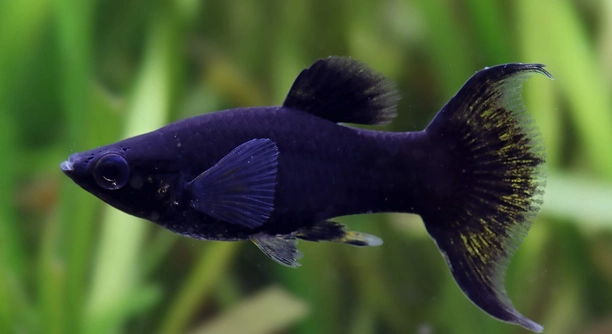
Do you ever notice your black mollies swimming in silence, barely acknowledging each other? Sometimes their usual social behavior seems to vanish, leaving owners confused about what might be happening in the tank.
Black mollies may ignore each other due to stress, overcrowding, water quality issues, or incompatible tank mates. Environmental factors, such as temperature and pH levels, also play a crucial role in their social interactions and overall well-being.
Observing these behaviors closely can reveal important clues about their environment and how to help them feel comfortable together.
Common Reasons Black Mollies Ignore Each Other
Black mollies are usually social fish, but several factors can make them distant. Stress from overcrowding is a major reason. If your tank has too many fish, each molly may feel unsafe and retreat. Poor water quality can also affect their behavior. High ammonia or nitrite levels, or sudden changes in temperature, can make fish hide and avoid interaction. Even the wrong pH can reduce their activity and social behaviors. Some mollies simply don’t get along due to temperament differences, especially males. Incompatible tank mates can also make them cautious and less interactive. Lack of hiding spaces can increase tension, causing mollies to keep their distance. Over time, a combination of these factors can result in fish ignoring each other, seeming disconnected from their normal schooling habits. Monitoring conditions carefully often reveals why their usual social habits have changed.
Monitoring your tank regularly helps spot stress signs early, allowing mollies to return to their normal social patterns.
Providing proper tank size, hiding spots, and balanced water conditions will help mollies feel secure, reducing isolation and encouraging interaction.
Environmental Adjustments That Help
Adjusting water conditions can improve social behavior quickly. Mollies prefer stable temperatures around 75-82°F and a pH near 7.0-8.0. Fluctuations in these parameters can lead to hiding, reduced feeding, and avoidance of other fish. Adding plants and decorations gives them security, which encourages interaction. Avoid overcrowding by keeping fish numbers appropriate for tank size.
Regular maintenance can make a huge difference. Changing 20-30% of the water weekly helps maintain chemical balance and reduces stress. Filtration should be strong enough to keep water clear but gentle to avoid turbulence. Observing mollies daily helps catch early signs of disease or aggression. Sometimes, simply separating aggressive fish or adding new hiding spaces is enough to restore harmony. Adjusting lighting schedules gradually and providing a consistent feeding routine also promotes normal behavior. Environmental stability makes mollies feel safe, encouraging natural schooling and interaction. By carefully watching behavior and responding to changes, you can maintain a peaceful tank where all mollies coexist comfortably and remain active.
Feeding and Social Behavior
Black mollies often show less interaction if their feeding routine is inconsistent. Hungry fish can become aggressive or withdrawn, affecting group dynamics. A balanced diet with regular feeding times encourages activity and social engagement. Avoid overfeeding, as leftover food can harm water quality.
High-quality flake food, supplemented with occasional live or frozen foods like brine shrimp, keeps mollies healthy and more active. Poor nutrition weakens their immune systems and reduces energy, making them less likely to interact. Feeding at the same times daily creates a predictable routine, which mollies respond to positively. Observing their behavior during feeding also helps identify any health issues or timid fish that need attention. Overfeeding can lead to cloudy water and algae growth, which may increase stress and reduce social activity. A well-fed molly is generally more confident and willing to swim with others, enhancing the tank’s overall harmony.
Ensuring food reaches all mollies is important. Some fish may dominate feeding areas, leaving others isolated. Spreading food across the tank helps all mollies get their share, preventing avoidance behaviors and encouraging social interaction. Watching how they eat can guide adjustments in feeding amounts, frequency, and placement, helping maintain a peaceful and active tank environment. Balanced nutrition and fair feeding practices support both health and social behavior in black mollies.
Tank Size and Compatibility
A small tank can make mollies stressed and distant. Each fish needs space to swim freely without feeling threatened. Crowding leads to aggression and social withdrawal. Adding new fish without checking compatibility can also disturb harmony.
Mollies are peaceful, but male aggression can occur in confined spaces. Ideally, provide at least 20 gallons for a small group. Overcrowding reduces oxygen levels and raises waste concentration, increasing stress and isolation. Pairing males and females carefully prevents constant chasing, while keeping similar-sized fish together avoids bullying. Some fish species simply do not mix well with mollies, so research before adding tank mates. Proper tank size, thoughtful selection of companions, and monitoring interactions ensure mollies remain active, confident, and socially engaged. Consistent observation allows quick adjustments, preventing prolonged periods of ignoring behavior and helping maintain a balanced aquatic environment.
Water Quality Maintenance
Keeping water clean is essential for mollies to interact normally. High ammonia, nitrites, or nitrates can make fish hide and avoid each other. Regular testing and partial water changes prevent these issues and support healthy behavior.
Filtration must be effective but gentle. Strong currents can stress mollies, causing isolation. Using a sponge filter or adjusting flow helps maintain calm water. Regular water changes, combined with testing for chemical levels, keep the environment stable. Clean, well-oxygenated water allows mollies to swim confidently, reducing hiding and encouraging normal schooling. Observing their reactions after maintenance helps identify if further adjustments are needed.
Stress Reduction Techniques
Adding plants, rocks, or decorations provides hiding spots that lower stress. Mollies feel safer with places to retreat and observe others without confrontation.
Creating a visually complex tank reduces anxiety and promotes confidence. Floating plants and tall foliage allow mollies to explore and interact at their own pace, minimizing conflict. Small caves or PVC pipes serve as secure retreats, letting timid fish feel protected while still participating in social activities. Rearranging decorations occasionally can keep the environment stimulating. Maintaining a calm, stable environment with proper hiding places encourages mollies to engage naturally, improving social behavior and overall tank harmony.
Observing Behavior Changes
Tracking daily activity helps spot issues early. Mollies that suddenly hide or ignore others may have health or environmental problems.
Watching for subtle signs like reduced swimming, clamped fins, or staying near the surface provides clues about water quality, stress, or aggression in the tank. Early observation allows timely intervention to restore normal social behavior.
FAQ
Why are my black mollies not interacting at all?
Black mollies may stop interacting due to stress, illness, poor water quality, or overcrowding. Changes in temperature, pH, or ammonia levels can make them hide. In some cases, aggressive tank mates or dominant males discourage social behavior. Ensuring a stable environment, proper tank size, and healthy water conditions helps mollies regain normal interaction.
Can illness cause my mollies to ignore each other?
Yes. Sick fish often isolate themselves. Signs include clamped fins, lethargy, loss of appetite, or unusual swimming patterns. Quarantining sick fish and treating promptly prevents spreading disease. Maintaining clean water and a balanced diet reduces the risk of illness and supports social activity.
Does tank size affect their social behavior?
Absolutely. Small tanks can make mollies stressed, increasing aggression or withdrawal. Providing enough space—at least 20 gallons for a small group—reduces tension and allows each fish to swim freely. Adequate swimming space encourages normal schooling and interaction.
Do black mollies prefer certain companions?
Mollies are peaceful, but some fish species are incompatible. Avoid overly aggressive or nippy species. Male mollies may compete, especially in small tanks. Keeping females or adding hiding spots balances social dynamics and reduces avoidance behaviors. Compatibility ensures they remain active and interactive.
Can water parameters cause isolation?
Yes. Mollies are sensitive to ammonia, nitrites, nitrates, and pH fluctuations. Poor water quality stresses them, leading to hiding and reduced interaction. Testing regularly and performing partial water changes keeps water stable. Filtration and gentle currents also support calm, active fish.
Does feeding routine impact interaction?
Mollies respond to consistent feeding schedules. Irregular feeding or overfeeding can lead to aggression or hiding. Providing balanced nutrition and spreading food across the tank ensures all fish eat and reduces competition. Healthy, well-fed mollies are more confident and social.
Will decorations or plants help?
Yes. Plants, rocks, and hiding spots reduce stress and encourage exploration. They allow timid fish to observe others safely. Rearranging decorations occasionally keeps the environment interesting, promotes natural behavior, and reduces isolation.
How can I tell if my mollies are stressed?
Signs of stress include hiding, clamped fins, erratic swimming, or reduced appetite. Stress may come from overcrowding, poor water, aggressive tank mates, or sudden changes. Monitoring behavior daily helps identify and address issues before isolation becomes prolonged.
Is it normal for some mollies to be shy?
Yes. Individual temperaments vary. Some mollies may naturally be less social. Providing safe spaces and gradual introductions to other fish encourages confidence over time. Shy mollies can become more interactive once they feel secure.
Can environmental changes restore social behavior?
Definitely. Adjusting water quality, adding plants, maintaining proper tank size, and ensuring compatible companions can improve interaction. Regular observation, consistent feeding, and stress reduction techniques help mollies return to normal schooling and social activity.
How long does it take for mollies to start interacting again?
It varies. Some fish regain normal behavior within days after improving conditions, while others take weeks. Patience and consistent care, including stable water parameters, proper feeding, and safe tank setup, are essential for restoring social behavior.
Should I separate mollies if they ignore each other?
Separation is usually unnecessary unless aggression or illness is involved. Providing enough space, hiding spots, and compatible companions is often enough. Observing their behavior helps determine whether temporary separation is needed to reduce stress.
Can adding new mollies help or hurt?
Introducing new mollies may help if the tank is underpopulated, but it can also increase stress if overcrowded or incompatible. Acclimate new fish slowly, monitor behavior, and ensure enough space to maintain harmony.
Does water temperature affect social behavior?
Yes. Mollies thrive between 75-82°F. Sudden changes or temperatures outside this range can reduce activity and cause hiding. Stable, appropriate temperatures support normal social interactions.
Are male and female interactions different?
Males may compete for females, especially in confined tanks. Ensuring a balanced ratio and providing hiding spaces helps reduce tension. Females generally remain social, but overcrowding or aggressive males can cause avoidance behaviors.
Can stress from humans affect mollies?
Yes. Frequent tapping on the glass, sudden movements, or loud noises can stress mollies, causing them to hide or avoid interaction. Gentle observation and minimal disturbance help maintain calm behavior.
Does tank lighting impact their behavior?
Mollies need a consistent day-night cycle. Bright, constant light can stress them, while complete darkness reduces activity. A moderate lighting schedule supports normal swimming patterns and social interactions.
How do I encourage shy mollies to join the group?
Provide hiding spots, consistent feeding, and calm water conditions. Allow shy mollies to explore at their own pace. Slowly introducing companions or rearranging decorations can promote interaction without causing stress.
Is it normal for mollies to have temporary periods of ignoring each other?
Yes. Fish may sometimes become less interactive during molting, spawning, or minor stress. These periods are usually temporary if environmental conditions and water quality remain stable.
What is the best overall approach to encourage interaction?
Maintain stable water parameters, provide proper tank size, offer hiding spots, feed consistently, monitor behavior, and ensure compatible companions. Observing changes and addressing stressors promptly helps mollies regain normal social behavior and maintain a harmonious tank environment.
This FAQ provides practical solutions for common situations that cause black mollies to ignore each other, helping maintain a peaceful and active aquarium.
Black mollies are generally social and active fish, but it is normal for them to sometimes ignore each other. Several factors can cause this behavior, ranging from environmental stress to individual temperament. Overcrowded tanks, poor water quality, or incompatible companions can all lead to mollies retreating from social interaction. Even subtle changes, like fluctuations in temperature or pH, can make a noticeable difference in their behavior. Understanding that these factors influence their comfort is important for creating a tank environment where mollies can thrive. Watching their daily habits closely allows you to notice when something is off before it becomes a bigger problem.
Proper care, such as providing enough space, clean water, and a balanced diet, plays a key role in encouraging social behavior. Tanks that are too small or heavily populated can make mollies stressed, leading them to hide or avoid each other. Adding plants, decorations, or other hiding spots can help reduce tension by giving fish places to retreat and observe without confrontation. Maintaining stable water parameters and feeding schedules creates a predictable environment, which mollies respond to positively. Observing how they interact during feeding or playtime can offer clues about their overall well-being. By paying attention to these details, you can ensure mollies feel secure, confident, and more willing to interact with one another.
Even when mollies appear to ignore each other, it does not always mean something is wrong. Some periods of reduced interaction are normal, especially during minor stress or changes in the tank. Patience and consistent care are essential for helping mollies regain normal social habits. Ensuring compatible companions and providing a calm, structured environment encourages them to swim and explore together. Gradual adjustments, like rearranging decorations or adding new hiding spots, can make timid fish feel safer and more active. Over time, a combination of stable water quality, proper nutrition, adequate space, and thoughtful tank management creates a peaceful environment. When these conditions are met, black mollies are more likely to engage naturally, return to normal schooling behavior, and maintain a healthy, harmonious tank dynamic.

Hello,
If you enjoy the content that we create, please consider saying a "Thank You!" by leaving a tip.
Every little bit helps us continue crafting quality advice that supports the health, happiness, and well-being of pets around the world, for pets of all shapes, sizes, and species.
We really appreciate the kindness and support that you show us!