
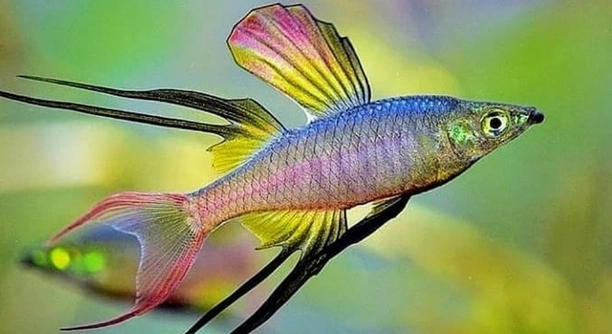
Have you ever noticed your threadfin rainbowfish reacting differently when you approach their tank compared to when someone else does? Their behavior may seem subtle but often reveals how observant these small, colorful fish truly are.
Threadfin rainbowfish can identify their caretaker through visual recognition and routine association. Consistent feeding times, voice patterns, and movements allow them to distinguish their primary caregiver from others. Over time, this familiarity fosters comfort and reduces stress within their environment.
Understanding how these graceful fish recognize their human companion adds depth to their care and enhances the bond shared within their aquatic world.
Recognizing Familiar Faces
Threadfin rainbowfish are small yet surprisingly intelligent creatures. They can distinguish familiar patterns, including the face and movements of their caretaker. When cared for consistently, these fish begin associating their feeder with positive experiences such as food, comfort, and safety. Over time, this bond strengthens their recognition abilities. They may swim toward you excitedly when you approach, even before feeding time. This behavior shows their awareness and memory, which are more advanced than many assume for a small freshwater fish. Their response isn’t only about food—it’s also about familiarity and routine. Maintaining eye contact, gentle gestures, and a calm presence encourages this recognition further. Studies on similar fish species suggest that environmental consistency plays a strong role in memory development. For threadfin rainbowfish, the more familiar the caretaker’s presence becomes, the stronger their behavioral response to them grows.
Consistency builds trust and allows them to feel secure within their tank.
Recognizing you may not mean they feel affection in the human sense, but rather a sense of comfort tied to routine. In their small aquatic environment, predictability becomes a sign of safety. Their recognition may also reduce stress, helping them remain calm during feeding or cleaning times. A secure fish often shows brighter colors, steady swimming, and normal feeding habits.
Communication Through Behavior
Threadfin rainbowfish use movement and body language as their main form of communication. Their gestures can express comfort, curiosity, or stress. When they recognize you, they may swim near the glass or display smoother, more rhythmic motions. This response contrasts with the cautious hiding they show around unfamiliar faces.
Behavioral research shows that repeated interactions strengthen recognition patterns. In home aquariums, threadfin rainbowfish quickly learn feeding schedules and associate hand movements with food. The caretaker’s tone, consistency, and calm manner can influence how they respond. Subtle behavioral changes—like less darting or more group swimming—reflect their growing sense of safety. Over time, this recognition fosters stability, which is essential for their health. Providing regular feeding, soft lighting, and steady communication helps them thrive. Though they may never show affection like mammals, their responsive behaviors suggest awareness and trust. Observing these small signals offers insight into how emotional intelligence can appear even in aquatic life.
Building a Sense of Routine
A consistent routine helps threadfin rainbowfish identify their caretaker and feel safe. Regular feeding times, calm movements, and soft tones create predictability, which strengthens their recognition and helps maintain a peaceful environment in the aquarium.
Keeping a steady schedule helps your threadfin rainbowfish develop a clear sense of security. They begin to connect your presence with specific activities such as feeding and cleaning. Avoid sudden gestures or loud noises, as these can cause confusion or stress. Consistency should extend beyond feeding—maintain lighting and water conditions at stable levels to avoid disrupting their sense of comfort. Over time, they will begin to expect your presence at certain times, responding more openly to your movements. When they swim toward you or remain visible, it is often their subtle way of acknowledging familiarity and comfort within their surroundings.
Their recognition strengthens with patience and steady interaction. Creating a calm atmosphere supports their ability to respond confidently. Over time, they rely less on instinctive hiding and more on learned behavior. This progress shows their capacity for memory and adaptation. Even though their reactions may seem minor, these small responses are important signs of trust. By maintaining structure and predictability, you allow your fish to thrive in both health and awareness.
Emotional Responses and Comfort
Threadfin rainbowfish display subtle emotional cues that reflect how comfortable they feel around their caretaker. Their swimming speed, positioning, and group behavior often reveal their level of trust. When they recognize you, they may swim closer to the glass or display steady, relaxed motion.
These signs indicate lowered stress and familiarity. Fish that feel secure often maintain vibrant colors and engage more actively during feeding times. Recognition fosters a calm state that benefits both their mental and physical health. When interactions remain consistent and gentle, these fish adapt easily to your presence. Over time, they begin associating your routine actions with safety and nourishment. This connection forms the foundation of their emotional response. Providing stable conditions, patience, and quiet engagement encourages this behavior. Although their emotions differ from human ones, their visible reactions prove that even small aquatic species can form subtle, meaningful bonds.
Environmental Influence on Recognition
A stable environment enhances recognition in threadfin rainbowfish. Clean water, balanced lighting, and steady temperatures help them remain alert and responsive. When their surroundings stay constant, they can focus more on routine cues such as your presence and daily interactions.
Sudden changes in light or water conditions can confuse them. Inconsistent settings disrupt their ability to associate you with safety and care. Maintaining a predictable space ensures they stay calm, confident, and able to respond naturally to your movements. Stability allows their learned recognition to strengthen over time.
Observing Behavioral Patterns
Watching their daily behavior helps you understand how they react to your presence. Threadfin rainbowfish display familiarity through group coordination and relaxed swimming. Observing patterns like where they gather or how they move toward you provides valuable insight into their comfort levels and recognition ability.
Subtle Bonds
These fish may not show affection the way mammals do, yet their reactions are meaningful. Small gestures—like approaching you or displaying calm swimming—reflect awareness and familiarity. Their responses show that even gentle, consistent care can form a quiet but lasting bond.
FAQ
Can threadfin rainbowfish really recognize their caretaker?
Yes, threadfin rainbowfish can recognize their caretaker through visual and behavioral cues. Their ability to distinguish familiar faces and movements develops over time, especially when care routines remain consistent. They associate feeding, cleaning, and calm gestures with safety and comfort. This learned recognition is not emotional in the human sense but rather a response to repeated positive interactions. When they see or sense their caretaker approaching, they often swim toward the front of the tank or display more active, relaxed movements. These subtle actions reflect awareness and familiarity, showing that memory and recognition play a part in their daily behavior.
How long does it take for threadfin rainbowfish to identify their caretaker?
Recognition takes time and repetition. Most threadfin rainbowfish begin responding differently to their caretaker after a few weeks of regular care. Feeding them at the same time each day helps establish a clear association. Gradual trust forms through repetition, gentle handling, and a stable environment. Once they connect your presence with positive outcomes—like food or clean water—they become more responsive. Patience is key, as sudden changes in tone, lighting, or routine can disrupt progress. Consistency in care helps them remember and identify their main caretaker effectively.
Do threadfin rainbowfish respond to voices?
While their hearing differs from humans, they can detect sound vibrations through the water. They may not recognize specific words, but they can associate tone and rhythm with particular activities. For example, speaking softly during feeding or cleaning can help them connect your voice with care. Over time, they become less startled by your sounds and may even approach when hearing familiar vibrations. Keeping the tone calm and steady builds their comfort. Avoid loud or sudden noises, as these can cause stress or confusion.
What signs show that they recognize you?
Several behaviors suggest recognition. Your threadfin rainbowfish may swim closer to the glass, move toward your hand during feeding, or remain visible instead of hiding. Their movements often become smoother and more confident around you. In groups, they may form loose patterns near your side of the tank, showing curiosity and calmness. Unlike stressed fish, which dart away or hide, recognized caretakers often see steadier activity. Their response is subtle but consistent—small gestures that reflect learned trust and familiarity.
Can stress affect their ability to recognize people?
Yes, stress can interfere with recognition. Poor water quality, sudden changes, or loud surroundings can make fish anxious, reducing their ability to focus or remember. A calm, stable tank helps them stay alert and receptive. Providing hiding spaces, consistent lighting, and routine feeding lowers their stress levels. When they feel safe, their recognition behavior becomes stronger and more consistent. Stress disrupts not only memory but also their natural behavior patterns, so keeping conditions balanced ensures they respond positively to you.
Do they recognize other people besides their caretaker?
Threadfin rainbowfish may distinguish between familiar and unfamiliar faces based on repeated exposure. However, their strongest recognition usually centers around the person who feeds and cares for them most often. Occasional visitors or irregular handlers may not trigger the same response. They rely on a mix of movement, visual cues, and vibrations to identify people, so unfamiliar gestures can confuse them. Repetition builds familiarity, meaning others could eventually become recognized if they interact gently and consistently over time.
Can multiple caretakers confuse them?
Yes, inconsistent care from multiple people can cause mixed responses. Threadfin rainbowfish rely on repetition and patterns to identify their main caretaker. When multiple people handle feeding or maintenance, they may struggle to link a single person to positive experiences. To prevent confusion, assign one primary caretaker or maintain identical routines between all caregivers. Matching feeding times, tone, and gestures helps them adapt without stress. The goal is to keep predictability high so they feel secure no matter who approaches the tank.
Do they recognize their reflection or other fish differently?
Threadfin rainbowfish do not recognize themselves in reflections. They often interpret reflections as another fish, which can cause curiosity or mild defensive behavior. However, they can recognize members of their group individually, especially when housed together for long periods. Familiar group members create stability and reduce stress. Recognition between tank mates also supports social balance, as they rely on visual and behavioral cues to identify one another.
Can their recognition fade over time?
Yes, their recognition may fade if regular interaction stops. If feeding schedules change or if they are moved to a new environment, they might take time to readjust. Like many small fish, memory retention depends on consistent patterns. Reintroducing routine care helps restore recognition. They quickly reconnect when familiar sights, sounds, and gestures return. Maintaining steady care ensures they continue responding positively and confidently to your presence.
Why is their recognition important?
Recognition strengthens trust, making care easier and less stressful for both fish and caretaker. When threadfin rainbowfish feel safe, they eat better, display brighter colors, and behave naturally. Their recognition reflects a healthy bond formed through gentle, consistent interaction. It’s a quiet reminder that even the smallest creatures can show awareness, memory, and subtle understanding through care and familiarity.
Final Thoughts
Caring for threadfin rainbowfish is more than providing food and clean water—it involves building a calm, predictable environment that supports both their health and awareness. These fish are delicate yet perceptive, responding to patterns they recognize through repetition and stability. Their reactions, though subtle, show how much their surroundings influence their comfort. When caretakers maintain steady routines, soft tones, and consistent care, threadfin rainbowfish begin associating those experiences with safety. Over time, their behavior shifts from cautious observation to gentle curiosity. Watching them approach the glass or swim with ease is not only rewarding but also a clear sign of trust. Their recognition may seem simple, but it demonstrates how even small aquatic species are capable of adapting and forming patterns of memory based on positive experiences.
The connection between a caretaker and threadfin rainbowfish grows quietly through observation, patience, and care. While they do not express emotion in a human way, their actions reveal how familiarity affects their daily lives. Recognition becomes a reflection of well-being. A threadfin rainbowfish that feels safe will show vibrant colors, swim smoothly, and respond calmly to movement around the tank. Stressful conditions, such as inconsistent feeding or sudden environmental changes, can interrupt this sense of security and weaken their recognition response. Maintaining balance is key to helping them thrive. This includes not only feeding and cleaning but also providing an environment where lighting, temperature, and water quality stay constant. Each action contributes to their overall sense of safety, reinforcing their ability to identify the person who cares for them most consistently.
Recognizing their caretaker may not mean affection in a human sense, but it does show a meaningful level of awareness. It reminds us that connection can take many forms, even in the quiet rhythms of an aquarium. For many caretakers, seeing their fish respond to their presence brings a sense of calm and satisfaction. It represents trust built through gentle care and time. The bond may be silent, but it reflects an unspoken understanding—one built entirely on stability, respect, and observation. Threadfin rainbowfish teach patience and attentiveness through their behavior. By recognizing patterns and responding with care, we gain insight into how communication and recognition exist beyond words. Their quiet awareness becomes a reminder of how life, even in its simplest forms, values familiarity and balance.

Hello,
If you enjoy the content that we create, please consider saying a "Thank You!" by leaving a tip.
Every little bit helps us continue crafting quality advice that supports the health, happiness, and well-being of pets around the world, for pets of all shapes, sizes, and species.
We really appreciate the kindness and support that you show us!