
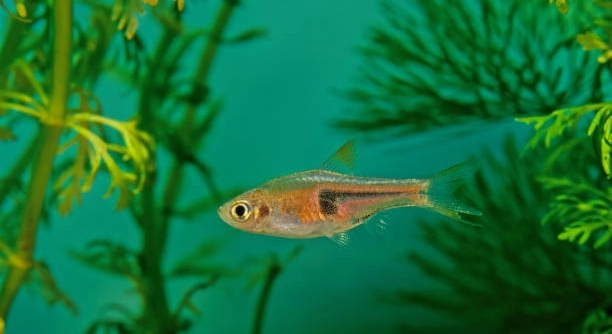
Rasboras are small, active fish that bring life to any aquarium. Watching them eat can be relaxing, yet subtle changes in their feeding habits may signal more than meets the eye. Observing these details can improve care.
Rasboras exhibit minor shifts in feeding behavior due to stress, water quality changes, illness, or dietary adjustments. These behavioral indicators include altered appetite, slower response to food, hesitation at the surface, or selective feeding patterns, all of which reflect their well-being.
Paying attention to these small changes helps maintain a healthy aquarium. Learning to recognize them ensures your rasboras thrive in a balanced, safe environment.
Reduced Appetite
Sometimes my rasboras eat less than usual, and it can be easy to miss. A sudden drop in appetite often happens when water conditions change, such as temperature shifts or slight increases in ammonia. Illness or stress from tankmates may also cause them to nibble at food rather than eat fully. Noticing even small changes in how eagerly they come to feed can give early insight into potential problems. It helps to monitor feeding times consistently and observe if some fish avoid the food while others continue normally. Sometimes, the reduction is temporary and linked to a minor environmental adjustment, but it should never be ignored for long. Adjusting water quality, checking filters, and offering high-quality food can help. Recording feeding patterns over several days often makes trends easier to see, ensuring no serious issues are overlooked.
Even subtle decreases in appetite may indicate stress or water issues that need attention.
Keeping rasboras healthy means understanding their feeding rhythm. Small observations can prevent bigger health problems. Consistent monitoring and simple adjustments make a noticeable difference in their activity and overall condition.
Hesitation at the Surface
Hesitation when approaching food can indicate anxiety or uncertainty in your tank.
Rasboras may pause at the surface before eating for several reasons. Stress from new additions, sudden noises, or light changes can cause them to be cautious. Poor water quality or fluctuating temperatures may also make them reluctant to feed immediately. Some fish hesitate because they are adjusting to a new diet, while others may be avoiding competition from faster eaters. Observing the hesitation helps identify patterns or triggers in the environment. Gradually introducing new foods, reducing disturbances, and maintaining stable water conditions encourages them to regain confidence. Over time, consistent and calm feeding practices can reduce hesitation, allowing the fish to eat normally. If hesitation persists, it may signal underlying health issues that require careful inspection, such as infections or parasites. Understanding these nuances ensures their daily feeding remains safe and stress-free.
Selective Eating
Rasboras sometimes pick and choose what they eat. They may ignore flakes but eagerly eat live or frozen food. This behavior can reflect personal preference or slight nutritional imbalance.
Over time, I noticed some rasboras favoring certain types of food. This selective eating often appears when their diet lacks variety or when they are adjusting to new tank conditions. Offering a mix of high-quality flakes, frozen, and live options encourages balanced nutrition. Watching which foods they prefer can also help detect early signs of appetite changes.
Selective eating may also indicate mild stress or minor digestive issues. Ensuring water quality is stable, maintaining a consistent feeding schedule, and gradually introducing different foods often helps them regain a more balanced appetite. Observing patterns over weeks allows adjustments before any health problems develop.
Slower Response to Food
Some rasboras take longer to react when food is added, which can signal environmental or health factors. Maintaining consistent feeding times helps track these changes.
Slower responses usually occur when fish are stressed, sick, or living in suboptimal water conditions. Temperature fluctuations, overcrowding, or sudden changes in lighting can make them hesitant. In some cases, parasites or minor infections also reduce their energy, causing delayed feeding. Observing behavior over several days helps determine if the change is temporary or persistent. Gradual adjustments in the tank environment, careful monitoring, and providing nutrient-rich food often improve their responsiveness.
I noticed that when my tank had minor imbalances, rasboras slowed down noticeably. Addressing water parameters, keeping the tank calm, and giving them small, frequent meals restored their usual alertness. Tracking subtle changes over time makes it easier to maintain their health and feeding routine.
Food Spitting
Rasboras sometimes take food into their mouths and then spit it out. This behavior can indicate stress, unfamiliar food, or digestive discomfort.
I noticed my fish spitting pellets more often after introducing new food. Gradually mixing it with their regular diet helped them adjust. Monitoring this behavior ensures they are still getting proper nutrition.
Chasing Food Quickly
When rasboras chase food more aggressively than usual, it may signal hunger, competition, or stress. Rapid movements can disturb other fish and indicate an imbalance in feeding or tank conditions. Observing feeding speed can help manage portion sizes and reduce tension during mealtime.
Ignoring Floating Food
Some rasboras avoid food that floats on the surface. This often happens if they are stressed, sick, or unaccustomed to surface feeding. Adjusting feeding methods or offering sinking alternatives can encourage them to eat more comfortably.
FAQ
Why are my rasboras eating less than usual?
Reduced appetite is often linked to water quality, stress, or illness. I noticed mine eat less when the temperature fluctuates or when new tankmates are introduced. Ensuring stable water conditions, keeping the tank calm, and providing a balanced diet usually helps restore normal feeding habits over time.
What does hesitation at the surface mean?
Hesitation usually signals caution or mild stress. Rasboras may pause before eating due to sudden changes in lighting, loud noises, or overcrowding. Gradually introducing food, maintaining a consistent feeding schedule, and reducing disturbances encourages them to eat confidently. Persistent hesitation may require checking for illness or parasites.
Why do rasboras spit out their food?
Spitting food can indicate unfamiliarity with the type of food, minor digestive issues, or stress. I often mix new food with their regular diet to help them adjust. Observing which foods are rejected allows adjustments to ensure proper nutrition.
Why are some rasboras selective eaters?
Selective eating is normal, especially when their diet lacks variety. Some prefer live or frozen food over flakes. Offering different textures and types encourages balanced nutrition. Watching their preferences can also reveal early signs of stress or digestive problems.
What causes rasboras to chase food quickly?
Aggressive chasing usually occurs due to hunger, competition, or minor stress. Overcrowding or uneven food distribution can worsen this behavior. Small, frequent feedings and careful monitoring help reduce competition, ensuring all fish receive enough food without tension.
Why do some rasboras ignore floating food?
Ignoring surface food often relates to stress, illness, or discomfort with surface feeding. Sinking alternatives or feeding at mid-level in the tank encourages reluctant eaters. Gradual introduction of new feeding methods helps them adapt comfortably without losing nutrition.
How can I tell if feeding behavior signals illness?
Signs include persistent loss of appetite, spitting out food, hesitation, or slower response. Paired with unusual swimming patterns, pale color, or clamped fins, these behaviors often indicate health issues. Early recognition and prompt adjustments in diet or water quality improve recovery chances.
Can water changes affect feeding behavior?
Yes, sudden changes in temperature, pH, or ammonia levels can stress rasboras and reduce feeding. I always perform gradual water changes and monitor responses. Stable, clean water keeps fish healthy and maintains normal feeding patterns consistently.
Should I adjust food types if behavior changes?
Yes, introducing a mix of flakes, frozen, and live foods often helps. When my fish began spitting pellets, adding small amounts of frozen food encouraged proper eating. Variety also ensures balanced nutrition and reduces selective feeding.
How long should I monitor feeding changes before taking action?
Observing daily for a week usually reveals patterns. Minor, short-term changes can be temporary, but consistent shifts over several days indicate environmental or health concerns. Keeping a feeding log helps track subtle variations and decide appropriate action.
Can tankmates affect feeding behavior?
Definitely. Aggressive or fast-eating fish can intimidate rasboras, causing hesitation or selective eating. Separating during feeding or adjusting portions often restores calm mealtime behavior. Observing interactions helps prevent stress-related feeding issues.
What is the best way to encourage normal feeding?
Consistency and observation are key. Feed at the same times, maintain water quality, offer varied food, and reduce disturbances. Gradual adjustments after noticing behavioral changes help rasboras feel safe, confident, and healthy during every feeding session.
Final Thoughts
Observing rasboras closely during feeding reveals more than just their appetite. Small shifts in behavior often signal changes in their environment, health, or diet. Paying attention to how eagerly they eat, whether they hesitate, or if they pick and choose food can provide important insights. Even subtle differences in speed, preference, or response to food are worth noting. These signs are a window into their well-being and help prevent minor problems from turning into bigger ones. In my experience, keeping a simple record of feeding habits makes it easier to detect changes early. This practice allows for adjustments in water quality, diet, or tank setup before any long-term health issues arise.
Maintaining stable water conditions is one of the most effective ways to ensure healthy feeding behavior. Temperature, pH, and cleanliness directly influence how rasboras interact with food. I’ve noticed that even slight fluctuations in temperature or sudden water changes can cause hesitation or reduced appetite. Consistent care and monitoring provide them with a sense of stability, encouraging normal behavior. Balanced nutrition is equally important. Offering a mix of high-quality flakes, frozen foods, and occasional live foods helps maintain interest and prevents selective eating. By varying the diet thoughtfully, rasboras receive essential nutrients while remaining engaged at feeding times. Small, frequent feedings also reduce competition and stress, creating a calmer environment for all fish in the tank.
Patience and observation are essential in managing feeding behavior. Rasboras do not always display clear signs of discomfort immediately, so consistent monitoring and subtle adjustments are necessary. Over time, recognizing patterns and responding promptly to shifts in appetite, hesitation, or food preference becomes second nature. A few careful changes in feeding routine, water management, or tank arrangement can restore normal behavior quickly. Understanding their habits encourages healthier fish, a more peaceful tank, and a rewarding experience for anyone who keeps them. Caring for rasboras in this way ensures their long-term well-being while fostering a deeper connection with these lively, delicate fish.

Hello,
If you enjoy the content that we create, please consider saying a "Thank You!" by leaving a tip.
Every little bit helps us continue crafting quality advice that supports the health, happiness, and well-being of pets around the world, for pets of all shapes, sizes, and species.
We really appreciate the kindness and support that you show us!