
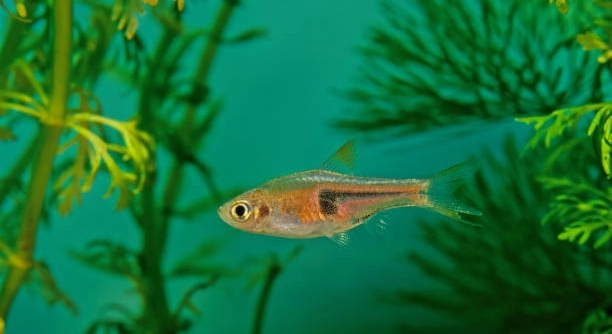
Rasboras are small, social fish that thrive in groups, enjoying the company of their own kind. Their peaceful nature makes them popular in community aquariums, and they respond strongly to the presence of tank mates. Observing them alone can feel unusual.
Rasboras can tolerate temporary isolation, but extended periods may cause stress and reduced activity. Short-term separation is generally safe if their environment remains stable, well-oxygenated, and free from sudden changes that could negatively affect their health and behavior.
Understanding how temporary isolation affects rasboras can help maintain their wellbeing and prevent behavioral issues, ensuring they remain active and healthy in their aquatic environment.
Understanding Rasboras’ Social Needs
Rasboras are schooling fish that rely heavily on social interaction for both mental stimulation and physical activity. In a group, they swim in coordinated patterns, which helps reduce stress and promotes natural behaviors. Isolation, even if temporary, can disrupt these patterns and cause noticeable changes in mood. They may become less active, hide more often, or appear skittish, showing that they are sensitive to changes in their environment. Observing their behavior over time can reveal how strongly they depend on group dynamics. Providing visual barriers, gentle lighting, and minimal disturbances during isolation can help maintain their sense of security. Even a few hours alone can feel significant to them, but careful management ensures that they return to their usual behavior quickly once reunited. Understanding these nuances is important for maintaining a balanced and healthy aquarium, keeping stress levels low and overall wellbeing high.
Monitoring isolation effects allows you to respond quickly to changes in behavior.
Short periods of separation should be managed with a stable environment, clean water, and minimal stressors to prevent long-term issues.
Tips for Temporary Isolation
If you must isolate a rasbora, choose a tank with similar water conditions and gentle filtration to mimic their usual environment. Keep the temperature consistent and avoid sudden lighting changes. Provide hiding spots, such as plants or small decorations, to reduce stress and offer a sense of security. Avoid introducing new stimuli or handling them unnecessarily during this time, as they are more vulnerable when alone.
Temporary isolation can be handled effectively by monitoring their behavior and maintaining routine care. Stress indicators include lethargy, loss of appetite, or erratic swimming. A rasbora separated for several hours to a day will usually readjust quickly once returned to its group, provided the isolation period was calm and the environment safe. It is essential to maintain water quality, as any fluctuations can worsen stress. Frequent observation during isolation helps detect early signs of discomfort. Minimal interaction, steady feeding schedules, and stable conditions support their recovery. Reintroducing them gradually allows the fish to reintegrate smoothly without aggression or fear. Proper planning ensures that temporary separation does not negatively impact their health, keeping their behavior consistent and their group dynamics intact.
Monitoring Behavior During Isolation
Keeping track of a rasbora’s behavior while isolated helps identify stress early. Look for changes in swimming patterns, hiding frequency, and feeding habits. Even subtle signs, like reduced fin movement or less interaction with the environment, can indicate discomfort that needs addressing quickly.
Stress in isolated rasboras can manifest in multiple ways. Some may swim erratically, while others retreat to corners or behind plants. Appetite loss is common, and fish that usually explore may become stationary. Water quality, lighting, and tank layout all influence their response. By observing these behaviors closely, adjustments such as adding hiding spots, maintaining consistent temperature, and reducing noise can mitigate negative effects, allowing the fish to remain stable and healthy during temporary separation.
Frequent monitoring ensures that any signs of aggression or fear are caught early. Even minor adjustments, like moving the isolation tank away from high-traffic areas or adding gentle current, can improve their comfort. Understanding how each individual responds allows better planning for future isolations, reducing the risk of long-term stress and supporting overall wellbeing.
Maintaining Water Quality
Stable water conditions are essential for isolated rasboras. Regular testing for ammonia, nitrite, and nitrate levels helps prevent stress, as fluctuations can quickly affect their health. Gentle filtration ensures oxygen circulation without causing turbulence.
Changes in water parameters can exacerbate stress during isolation. Even small shifts in temperature, pH, or hardness may affect appetite and activity levels. Consistent water changes, careful monitoring, and avoiding overcrowding reduce the risk of sudden fluctuations. Providing familiar décor and plants helps the fish feel secure while maintaining water stability. Observation during this period is crucial, as rasboras are sensitive to environmental changes.
Maintaining water quality also involves monitoring for leftover food or waste accumulation. Excess waste can raise ammonia levels, harming fish health and increasing stress. Using a soft sponge or siphon for cleaning prevents disturbance, while consistent feeding routines keep their metabolism steady. Isolation periods are more successful when water conditions replicate their usual environment, minimizing shock and ensuring smooth reintegration into the main tank.
Signs of Stress
Isolated rasboras may show stress through hiding, reduced activity, or irregular swimming. Appetite changes and clamped fins are also common indicators. Observing these behaviors helps ensure timely adjustments to their environment and care.
Behavioral changes can occur quickly. Some fish may appear restless, while others remain still for long periods. Monitoring ensures that isolation does not negatively impact their health.
Reintroducing Rasboras
When returning a rasbora to its group, gradual reintroduction minimizes aggression. Use slow acclimation techniques to help them readjust without triggering territorial disputes. Maintaining familiar water conditions between tanks reduces shock.
Environmental Adjustments
Adding plants, gentle lighting, and hiding spots eases stress during isolation. These adjustments create a sense of security, helping the fish maintain normal behavior patterns.
FAQ
How long can rasboras safely stay in isolation?
Rasboras can handle short-term isolation for several hours to a day without major issues. Extended isolation, however, increases stress and may affect appetite, swimming behavior, and overall health. Short separations are manageable if the tank is stable, quiet, and free from sudden changes.
What are the most common stress signs in isolated rasboras?
Stress signs include hiding, clamped fins, reduced activity, erratic swimming, and loss of appetite. Some fish may appear lethargic or stay in corners, while others might move nervously around the tank. Frequent observation helps detect subtle changes early.
Can a single rasbora be comfortable alone for a day?
Yes, a single rasbora can remain alone for a short period if the environment is stable. Ensure proper water conditions, gentle lighting, and minimal disturbances to reduce stress and support normal behavior during isolation.
Should I adjust feeding during isolation?
Feeding should remain consistent. Small, regular portions prevent leftover food from affecting water quality. Stress may reduce appetite, so avoid overfeeding. Monitoring eating habits during isolation helps detect behavioral changes quickly.
Does tank size matter for isolation?
Yes, larger tanks provide more space to move and hiding spots, reducing stress. Even small tanks can work if carefully managed, with plants or décor offering shelter and a sense of security.
How do I prepare the isolation tank?
Use water from the main tank to maintain familiar conditions. Add gentle filtration and minimal current to avoid excessive movement. Include plants or small decorations to create hiding spaces. Keep lighting soft and consistent to mimic the main tank.
Is water temperature critical during isolation?
Maintaining stable temperature is essential. Sudden drops or rises can increase stress. Use a heater if needed, and check daily to ensure conditions remain consistent with the main tank.
How do I safely reintroduce rasboras after isolation?
Gradually acclimate them by floating the isolation tank or using a net transfer with care. Ensure water parameters match. Observe for signs of aggression or fear and provide additional hiding spots if necessary.
Can isolation affect long-term behavior?
Short-term isolation usually has minimal long-term effects if the fish is healthy and stress is managed. Extended or repeated isolation can lead to persistent fear, reduced activity, or social withdrawal. Monitoring and careful reintegration are key.
Are all rasboras equally tolerant of isolation?
Tolerance varies by species and individual temperament. Some may handle brief separation calmly, while others become noticeably stressed. Observe each fish closely and adjust isolation practices accordingly.
What should I do if my rasbora shows severe stress?
If stress signs are pronounced—erratic swimming, refusal to eat, or extreme hiding—return the fish to its group promptly. Ensure water quality is optimal and consider adding extra plants or décor to provide security.
Can visual contact with other fish reduce stress?
Yes, seeing other tank mates through a divider or glass can help maintain a sense of security, reducing stress without direct interaction. Avoid overcrowding or creating competitive situations during this time.
Is it safe to isolate multiple rasboras together?
Yes, small groups can be isolated together if the tank is large enough and has sufficient hiding spaces. This maintains social behavior while minimizing stress from being completely alone.
How often should I check on an isolated rasbora?
Frequent but gentle monitoring is important. Observing at least twice daily ensures any signs of stress or water issues are caught early. Avoid tapping the tank or causing sudden disturbances.
Does lighting affect isolated rasboras?
Yes, gentle and consistent lighting helps maintain normal activity and reduces stress. Avoid bright or fluctuating lights, which may increase anxiety and disrupt natural behavior.
Can temporary isolation be used for breeding purposes?
Yes, isolation is sometimes necessary for breeding, but it should be brief. Maintain water quality, stable conditions, and provide hiding areas to keep stress low while encouraging natural behavior.
Are plants important in an isolation tank?
Plants provide hiding spots, reduce stress, and mimic natural conditions. They also improve water quality slightly and create a comfortable environment, helping the fish feel secure while alone.
What is the maximum recommended isolation period?
For most rasboras, 24 hours is the upper limit for safe isolation. Longer periods require careful management of stress, water quality, and environmental enrichment to prevent negative effects.
How can I reduce stress if isolation is unavoidable?
Maintain stable water parameters, provide hiding spots, keep lighting gentle, avoid sudden movements, and monitor behavior closely. Using familiar water from the main tank also helps the fish adjust more comfortably.
Do isolated rasboras eat less?
Some may reduce their food intake temporarily due to stress. Offer smaller portions and monitor consumption. Appetite usually returns once they are reintroduced to their group and feel secure.
Is visual separation enough to prevent aggression during isolation?
Yes, separating fish with a clear divider allows them to see each other without physical contact. This can reduce aggression while maintaining social awareness, especially in territorial or more active species.
How do I know when to end isolation?
End isolation once the fish appears calm, active, and eating normally. Observing normal swimming patterns and interaction with the environment indicates readiness to return to the main tank.
Can isolation affect breeding readiness?
Extended isolation may delay mating behavior in some species. Brief, carefully managed separations usually do not impact long-term reproductive behavior. Monitor closely if breeding is intended.
What precautions should I take if my rasbora is sick?
Isolate sick fish promptly to prevent disease spread. Maintain optimal water conditions, monitor closely, and avoid stressors. Use appropriate treatment while ensuring the fish remains comfortable and secure.
Does age or size influence isolation tolerance?
Younger or smaller rasboras may be more sensitive to stress, while mature fish tend to handle short-term isolation better. Always adjust care according to the individual’s size, health, and temperament.
How do I prevent long-term behavioral changes from isolation?
Limit isolation duration, maintain a stable environment, provide hiding spots, and reintegrate gradually. Regular monitoring and careful management ensure the fish remains social and active after temporary separation.
Can temporary isolation improve health or behavior?
When used appropriately, isolation can reduce aggression, allow observation, or support treatment. The key is maintaining proper conditions, minimizing stress, and returning the fish to its group promptly.
How do I handle multiple isolations for treatment or observation?
Plan short, spaced periods with consistent monitoring. Ensure water quality remains high and stress is minimized. Gradually reintroduce the fish each time to prevent long-term behavioral or health issues.
Is it necessary to quarantine new rasboras separately before adding them to a group?
Yes, quarantine helps prevent disease introduction. Maintain stable conditions, monitor health, and provide hiding spots. A quarantine period also allows fish to acclimate without immediate social stress.
How do I know if an isolated rasbora is adapting well?
Signs of adaptation include normal swimming, regular feeding, calm behavior, and exploration of the tank. Consistent observation ensures any issues are addressed before returning them to their group.
What role does water movement play during isolation?
Gentle water movement provides oxygenation without stressing the fish. Too strong a current may increase anxiety, while still water can reduce activity and appetite. Balance is key for comfort.
Are decorations or tank layout important during isolation?
Yes, familiar décor provides security and encourages natural behavior. Plants, rocks, or small hiding areas reduce stress and help the fish feel more comfortable when alone.
How quickly do rasboras recover after isolation?
Recovery usually occurs within hours to a day if stress was minimal and the environment stable. Observation during reintegration ensures they return to normal social and feeding behaviors.
Can temporary isolation be used for behavioral observation?
Yes, brief isolation helps monitor individual behavior, health, or recovery from stress. Careful observation can reveal issues that are less visible in a group setting.
What is the most important factor during isolation?
Maintaining stable water conditions, minimizing stress, and monitoring behavior closely are the most critical factors. Proper management ensures temporary isolation is safe and does not negatively affect health or social behavior.
How do I minimize stress during unavoidable isolation?
Provide stable water conditions, gentle lighting, hiding spots, and avoid disturbances. Use familiar tank water, observe behavior frequently, and limit the isolation period to maintain health and comfort.
What are the risks of ignoring stress signs?
Ignoring stress can lead to illness, appetite loss, abnormal swimming, or long-term behavioral changes. Early detection and intervention are crucial for maintaining health and normal behavior.
Can isolation tanks be reused for multiple fish?
Yes, but clean thoroughly between uses to prevent disease transmission. Maintain stable water conditions and adjust décor to meet the needs of each fish.
How can I tell if a rasbora is stressed versus just resting?
Stress usually shows multiple signs: hiding, reduced appetite, clamped fins, and erratic swimming. Resting is brief and fish return to normal behavior quickly. Observation over time helps distinguish the two.
Is temporary isolation common in aquarium care?
Yes, it is used for treatment, observation, breeding, or preventing aggression. When done carefully, it supports health without causing long-term issues. Proper planning and monitoring are essential for success.
What should I do if my rasbora refuses to eat during isolation?
Offer small portions, maintain calm conditions, and monitor water quality. Stress often reduces appetite temporarily, but proper care usually restores normal feeding quickly. Patience and stable conditions are key.
Can isolation impact interaction with other tank mates later?
Short-term isolation rarely affects long-term social behavior. Extended or repeated isolation can cause hesitation, reduced activity, or minor social withdrawal. Gradual reintroduction helps restore normal group dynamics.
How do I balance the need for isolation with social needs?
Limit isolation duration, provide a safe and enriched environment, and ensure a smooth return to the group. Careful planning prevents long-term stress while allowing observation or treatment.
Are some rasbora species more sensitive to isolation?
Yes, species like harlequin rasboras tend to be more social and may stress faster, while others tolerate short-term separation more easily. Individual temperament also plays a role.
Does diet affect stress during isolation?
A consistent, balanced diet supports health and reduces stress. Avoid sudden changes, overfeeding, or skipping meals, which can exacerbate anxiety and affect recovery.
Can I isolate a pregnant or breeding rasbora?
Yes, but ensure stable water conditions and minimal disturbances. Isolation can prevent aggression and support safe spawning, but careful monitoring is needed to avoid stress.
How do I handle accidental long isolation?
Return the fish to its group slowly, monitor behavior and appetite, and ensure water quality. Provide hiding spots and calm conditions to help them readjust.
What equipment is essential for an isolation tank?
A small tank, heater, gentle filter, hiding spots, and a thermometer are essential. Proper equipment ensures a stable and safe environment during isolation.
How do I maintain oxygen levels in a small isolation tank?
Use gentle filtration or an air stone, avoid overcrowding, and monitor water temperature. Proper aeration prevents stress and supports normal activity levels.
Can I use isolation to treat disease?
Yes, isolation allows focused treatment and prevents spreading illness. Maintain water quality, minimize stress, and follow treatment instructions carefully. Observation is critical during this time.
What is the best approach for repeated isolation events?
Keep periods short, maintain consistent conditions, monitor stress signs, and provide enrichment. Gradual reintegration each time prevents long-term behavioral or health issues.
How do I avoid water parameter fluctuations during isolation?
Use water from the main tank, maintain filtration, monitor temperature, and perform partial water changes carefully. Consistency is essential for reducing stress.
What is the ideal tank size for temporary isolation?
A tank large enough to allow movement and hiding is ideal, typically 5–10 gallons for a single rasbora. Space reduces stress and supports normal behavior.
Should I change lighting schedules during isolation?
No, maintain a consistent light cycle similar to the main tank. Sudden changes can increase stress and disrupt normal activity patterns.
How do I reduce aggression when reintroducing multiple isolated rasboras?
Provide ample hiding spots, monitor interactions, and reintroduce slowly. Observing for signs of dominance or fear ensures smooth reintegration and preserves group stability.
Can isolation improve observation of subtle health issues?
Yes, temporary separation allows you to detect changes in appetite, swimming, or behavior that might be missed in a group, helping with early intervention.
What is the most effective way to end isolation?
Gradual reintroduction, stable water conditions, and calm surroundings ensure the fish readjust smoothly. Observing behavior and feeding confirms a successful transition.
How do I know if my isolation strategy is working?
Indicators include normal swimming, regular feeding, reduced hiding, and calm behavior. Monitoring closely ensures that the fish remains healthy and stress-free during and after isolation.
Can isolation tanks be kept bare or should they have décor?
Adding plants or decorations is strongly recommended. These provide security, reduce stress, and allow natural behaviors, even in a small temporary tank.
How often should water be changed during isolation?
Partial water changes every one to two days help maintain quality. Avoid complete changes, which may shock the fish. Monitoring ammonia and nitrite ensures safe conditions.
Is isolation stressful for all fish in the same way?
No, individual temperament, species, and previous experiences affect stress levels. Observing each fish closely allows adjustments tailored to its needs, minimizing negative effects.
How long does it take for rasboras to return to normal behavior after isolation?
Usually within hours to a day, provided stress was minimal and conditions are stable. Gradual reintegration and observation ensure smooth recovery.
Can isolation be used to monitor diet preferences?
Yes, isolating a fish allows focused observation of food intake, eating habits, and preferences without competition from tank mates, aiding in dietary management.
What are the risks of frequent isolation?
Repeated or prolonged isolation may lead to chronic stress, social withdrawal, or behavioral changes. Limiting duration and monitoring closely reduces these risks.
How do I balance isolation for health and social needs?
Keep periods short, maintain stable conditions, provide hiding spots, and reintegrate gradually. Observation ensures health without compromising social behavior.
Can isolation affect the immune system?
Stress from prolonged isolation can suppress immunity, making the fish more vulnerable to disease. Short, well-managed separations usually do not have long-term effects.
Is isolation necessary for treating injuries?
Yes, separating injured fish prevents further harm, allows careful observation, and supports healing without aggression or stress from tank mates.
How do I minimize behavioral changes during isolation?
Maintain familiar water, provide hiding spots, keep lighting consistent, and avoid disturbances. Gradual reintegration ensures normal behavior resumes smoothly.
Can isolated rasboras adapt to being alone if needed frequently?
Some may adapt slightly, but repeated isolation can cause stress. Minimizing duration and maintaining stable conditions helps mitigate negative effects.
Should I observe isolated fish differently than in a group?
Yes, focus on individual behavior, swimming patterns, appetite, and stress indicators. Isolated observation reveals subtle changes that may be masked in a group.
Can isolation improve recovery from illness?
Yes, temporary separation allows focused care, reduces stress from competition, and ensures proper medication or treatment is administered effectively.
What is the most critical factor in temporary isolation?
Maintaining stable water conditions, minimizing stress, providing hiding spots, and monitoring behavior closely are essential for safety and wellbeing.
How do I prevent accidental long isolation?
Plan ahead, set reminders, and prepare the tank properly. Keeping the period brief ensures minimal stress and maintains normal behavior.
Can isolation tanks support multiple uses?
Yes, they can be reused for observation, treatment, or temporary separation, provided cleaning and water quality are maintained between uses.
How does isolation affect feeding competition?
Isolation removes competition, allowing observation of individual appetite and ensuring weaker or stressed fish receive adequate nutrition without interference.
Can isolation help identify shy or dominant individuals?
Yes, separating fish allows observation of natural tendencies, including social hierarchy, feeding habits, and personality traits that may be masked in a group.
Is frequent observation more important during isolation?
Yes, it ensures early detection of stress, health issues, or abnormal behavior. Prompt action can prevent long-term consequences and support overall wellbeing.
How can I make isolation less stressful?
Provide stable conditions, familiar water, hiding spots, gentle lighting, minimal disturbances, and monitor behavior carefully. These measures support comfort and reduce anxiety.
Can temporary isolation be part of routine care?
Yes, for treatment, observation, or breeding purposes. Careful planning and management prevent stress while allowing targeted care.
Does the type of filter matter during isolation?
Yes, gentle filtration is preferred. Strong currents can stress the fish, while stagnant water may reduce activity and oxygenation. Balance is key.
What role do plants play in isolation?
Plants reduce stress, offer hiding spaces, and mimic natural conditions, helping fish feel secure and maintain normal behavior during separation.
How can I tell if water quality is affecting stress?
Watch for changes in swimming, hiding, or appetite. Testing ammonia, nitrite, and nitrate confirms whether water quality contributes to stress.
Can isolation support observation of disease progression?
Yes, it allows clear monitoring of symptoms, feeding, and activity without interference from other fish, enabling targeted treatment and early intervention.
Is it necessary to match water parameters exactly between tanks?
Yes, closely matching temperature, pH, and hardness prevents shock and reduces stress during isolation and reintegration.
Can isolation prevent bullying in a community tank?
Yes, separating aggressive or weaker individuals temporarily reduces conflicts and supports overall tank harmony without long-term effects on social behavior.
Does lighting intensity affect stress levels?
Yes, bright or fluctuating light can increase anxiety. Gentle, consistent lighting maintains normal activity and reduces stress.
Are isolation tanks suitable for all aquarium sizes?
Small tanks can work for brief periods, but size should allow movement, hiding, and stable water conditions. Larger tanks are preferred for comfort.
Can isolation impact reproductive behavior?
Brief isolation usually does not. Extended or repeated separation may delay mating or reduce social interaction, depending on species and temperament.
How do I avoid long-term stress from repeated isolation?
Limit duration, maintain stable conditions, provide enrichment, and reintegrate gradually. Observation ensures normal behavior resumes quickly.
What are key signs of adaptation during isolation?
Normal swimming, active exploration, feeding, and calm behavior indicate successful adaptation. Observing these signs confirms the fish is coping well.
Can isolation tanks be bare or must they have décor?
Adding décor is strongly
Temporary isolation is a common practice in aquariums for reasons such as observation, treatment, or breeding. Rasboras, being social fish, rely heavily on group dynamics, and removing them from their usual company can have noticeable effects. While they can tolerate short periods alone, careful planning and attention to their environment are essential to minimize stress. Proper water quality, gentle lighting, and stable temperature help create a safe and comfortable space. Providing hiding spots, whether through plants or small décor, gives the fish a sense of security. Even brief separations can feel significant to these small fish, so monitoring behavior closely is important. Watching for signs such as hiding, clamped fins, reduced activity, or irregular swimming can help determine if adjustments are needed.
When isolating a rasbora, maintaining a consistent routine is key. Feeding schedules should remain regular, and portions should be appropriate to prevent leftover food from affecting water quality. Gentle filtration ensures oxygenation without creating excessive currents that may stress the fish. Using water from the main tank helps maintain familiar conditions and reduces the risk of sudden changes that could impact health. Observing individual behavior during isolation can provide valuable insights into appetite, activity, and stress levels. Gradual reintegration into the main tank ensures the fish readjusts smoothly, avoiding aggression or fear. Even in isolation, rasboras benefit from subtle environmental enrichment, which supports mental stimulation and helps maintain normal behaviors.
Temporary isolation, when managed properly, does not have to negatively affect rasboras’ health or behavior. Short periods alone can be beneficial for monitoring, treatment, or preventing conflicts in a community tank. Understanding their social needs and observing subtle behavioral changes allows aquarists to respond effectively to stress. Maintaining stable water parameters, providing hiding spaces, and minimizing disturbances are practical steps that support their wellbeing. Gradual reintroduction ensures the fish resumes normal social activity and feeding patterns without lasting issues. Isolation should always be planned carefully, with attention to the fish’s physical and mental comfort. When handled thoughtfully, temporary separation can be a safe and effective part of aquarium care, supporting both the health and natural behavior of rasboras in a controlled environment.

Hello,
If you enjoy the content that we create, please consider saying a "Thank You!" by leaving a tip.
Every little bit helps us continue crafting quality advice that supports the health, happiness, and well-being of pets around the world, for pets of all shapes, sizes, and species.
We really appreciate the kindness and support that you show us!