
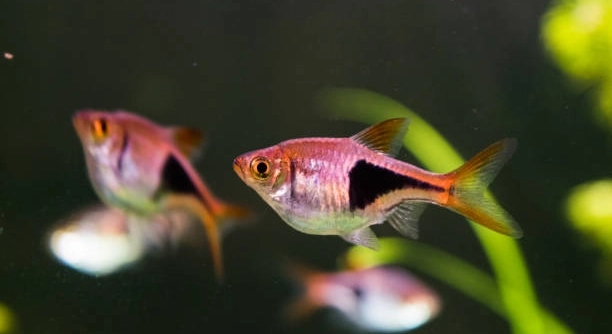
Raising Rasbora fry can be both exciting and challenging, especially when trying to provide the right environment for their growth. Many beginners struggle to maintain consistent tank conditions that support their delicate needs. Proper care ensures healthy and active fry.
The best tank conditions for Rasbora fry include stable water temperature around 25–28°C, gentle filtration, soft slightly acidic water with a pH of 6.5–7, regular water changes, low lighting, ample hiding spots, and minimal stress from tankmates.
Maintaining these conditions helps the fry develop strong bodies and vibrant colors, making your aquarium a thriving and balanced environment.
Water Temperature
Keeping the water at a stable temperature is essential for Rasbora fry. I learned early on that sudden fluctuations can stress the fry and slow their growth. Ideally, the water should stay between 25 and 28°C. Using a reliable heater with a thermostat ensures the temperature remains consistent. Avoid placing the tank near windows or vents where sunlight or drafts can change the temperature quickly. Monitoring the temperature daily helps catch issues before they affect the fry. Even small drops at night or spikes during the day can make the fry weak and vulnerable to disease. I also found that using a thermometer inside the tank, rather than relying on the heater’s setting alone, gives a more accurate reading. Stable water temperature encourages proper feeding habits and healthy development, making the fry more active and less prone to stress-related problems.
Maintaining steady warmth supports metabolism and growth, allowing the fry to thrive without extra stress or health risks.
For me, adjusting the temperature slowly during seasonal changes helped keep the fry calm and active. Sudden shifts caused them to hide or stop feeding. A gradual change of 1°C per day is safe when minor adjustments are needed. Combining the heater with a thermometer and checking it daily became a simple routine. Even a small fluctuation can lead to weaker fry, making them more susceptible to disease or slow growth. Keeping the water warm also improves oxygen absorption and encourages proper digestion. Over time, I noticed that fry raised in stable temperatures grew faster, were more vibrant, and became less prone to deformities. Pairing this with proper water changes and feeding ensured a healthy start for every batch of Rasbora fry I cared for.
Water Filtration
Gentle filtration is crucial for Rasbora fry. Strong currents can harm them or make feeding difficult.
A soft sponge filter works best, providing clean water without creating strong currents. I like to position it near the tank side to allow water movement while letting the fry explore safely. Avoid filters that pull fry into intake tubes or create turbulence. Regularly rinsing the sponge in tank water maintains its efficiency and keeps bacteria colonies healthy. Clean water reduces the risk of disease and keeps the fry active. Over-filtering or using chemical treatments can stress them, so I stick to minimal intervention while ensuring the water stays clear. A quiet and gentle filtration system made a noticeable difference, allowing the fry to swim freely, feed properly, and grow steadily over several weeks. Clean water, combined with temperature control and proper feeding, is the foundation for a thriving Rasbora fry tank.
Water pH
Maintaining slightly acidic to neutral water is important for Rasbora fry. I keep the pH between 6.5 and 7. Frequent testing ensures it stays consistent. Sudden swings can stress the fry and affect their growth. Using natural elements like driftwood helps stabilize the pH.
Testing the water daily became a habit that paid off. I use a reliable pH test kit to monitor levels and make small adjustments with pH buffers if needed. Adding Indian almond leaves or driftwood helps naturally maintain a slightly acidic environment. Avoid drastic chemical changes, as fry are sensitive. Over time, I noticed that keeping a stable pH reduced stress behaviors, like hiding and erratic swimming, and improved feeding responses. The fry seemed more energetic and healthier when the water chemistry was consistent.
Maintaining consistent water chemistry also supports beneficial bacteria growth. I keep a slow filtration system and regular water changes to avoid pH swings. Even minor fluctuations caused noticeable stress in early batches. Keeping the water chemistry stable helps the fry develop immunity and reduces the chance of fungus or infections. I gradually introduced the fry to small pH changes when necessary, letting them adjust slowly over days. This method kept them active, feeding regularly, and allowed for smoother growth during the first critical weeks.
Lighting
Low lighting helps Rasbora fry feel secure. Bright lights stress them and may make them hide. I use dim LED lighting to create a calm environment while still allowing me to monitor their activity.
Soft lighting encourages natural behavior and reduces stress. I noticed fry explore more and feed better under gentle light, compared with bright overhead lights. Keeping lights on for 8–10 hours simulates a natural day-night cycle. Avoid sudden light changes that can startle the fry, causing them to dart or hide. Positioning the lights slightly away from the tank surface and combining with floating plants softens the intensity. I also adjust the light gradually if I need to increase brightness for observation. This balance keeps the fry comfortable while ensuring their growth and feeding patterns remain consistent.
Hiding Spots
Providing hiding spots helps Rasbora fry feel safe. I add small plants, moss, and tiny decorations to the tank. Fry hide when they feel threatened, which reduces stress and supports healthy growth.
Dense plant coverage also encourages natural exploration. The fry move between leaves and moss, gaining confidence and improving their swimming skills. I noticed that batches with plenty of hiding places were calmer, fed more consistently, and had higher survival rates compared with bare tanks. Hiding spots also help reduce aggression if multiple fry are in the same tank, giving each one a safe space to retreat when needed. Over time, the fry learned to use these areas efficiently, making the tank feel balanced and secure.
Water Changes
Regular water changes are crucial for clean and healthy conditions. I change 20–30% of the water twice a week to prevent waste buildup and maintain water quality. Fresh water keeps ammonia and nitrate levels low, which is vital for fry survival and growth.
Tank Size
A larger tank provides more swimming space and reduces stress. I use at least a 20-liter tank for small batches of fry, ensuring they have room to grow without overcrowding.
Minimal Stress
Keeping disturbances low helps fry thrive. I avoid tapping on the glass and handle the tank carefully. Minimizing sudden movements and loud noises keeps the fry calm, encouraging proper feeding and growth.
How often should I feed Rasbora fry?
I feed my Rasbora fry small amounts 3–4 times a day. Overfeeding can quickly foul the water and stress the fry, so I give just enough that they can eat within a few minutes. Initially, I start with infusoria or liquid fry food, then gradually introduce baby brine shrimp and finely crushed flakes as they grow. Feeding frequently in tiny portions helps fry develop steadily and prevents leftover food from polluting the tank. I learned that watching the fry while they eat ensures no uneaten food remains, keeping water quality stable.
What type of food is best for the fry?
High-quality live or frozen foods are ideal for Rasbora fry. I use baby brine shrimp, microworms, and finely crushed flake food to meet their nutritional needs. These foods are small enough for the fry to eat easily and provide essential proteins for growth. I avoid large pellets or foods that sink quickly because fry may struggle to reach them. Over time, I mix live foods with prepared ones to balance variety and nutrition. The fry respond well to live food, showing more active swimming and quicker growth, which makes the feeding process feel rewarding.
Can I keep other fish with Rasbora fry?
I keep fry separate from adult fish or aggressive species. Even small fish can stress or eat fry. A separate nursery tank works best, giving them a safe environment to grow. I occasionally introduce peaceful species only after the fry reach a size where they can swim freely without risk. This setup reduces mortality and ensures the fry get enough food without competition. Observing the fry daily helps me notice any signs of stress or bullying if other fish are present, allowing me to adjust tankmates quickly.
How do I prevent disease in Rasbora fry?
Preventing disease starts with clean water and stable conditions. I perform regular water changes and maintain gentle filtration. Avoiding overfeeding and sudden environmental changes also helps. I quarantine any new fish or plants before adding them to the tank to reduce the risk of introducing pathogens. Maintaining consistent water parameters, including temperature, pH, and hardness, keeps the fry healthy. I also watch the fry for early signs of illness, like faded color, clamped fins, or unusual swimming. Catching problems early allows me to treat minor issues before they become severe.
What is the ideal water hardness for Rasbora fry?
I aim for soft to moderately hard water, around 4–12 dGH. Fry tolerate softer water better, which mimics their natural habitat. I test the water regularly and make adjustments gradually if needed. Sudden changes in hardness can stress the fry and affect feeding and growth. Using a mix of tap water and treated water or adding driftwood helps maintain appropriate hardness. I noticed that fry raised in consistent water hardness develop stronger bodies and more vibrant colors compared with those in fluctuating conditions.
How can I encourage fry to grow faster?
Stable water conditions, frequent small feedings, and minimal stress are the keys. I provide a balanced diet with live and prepared foods, maintain consistent temperature, and ensure hiding spots. Regular monitoring lets me adjust feeding amounts and water quality. Overcrowding slows growth, so I avoid putting too many fry in one tank. Adequate space and proper nutrition help the fry develop evenly. I also avoid disturbing the tank unnecessarily, as stress can reduce appetite and slow growth. Following these steps, I’ve seen steady and healthy development in every batch I raise.
When can I move fry to the main tank?
I wait until fry are large enough to avoid being eaten, usually around 6–8 weeks. Before transferring, I acclimate them slowly to the main tank water to prevent shock. I start with partial water mixing, gradually increasing exposure over a few hours. Ensuring the main tank is free from aggressive fish and has plenty of plants gives the fry safety and space. I also observe their feeding habits to make sure they are strong and active before the move. Proper timing and careful acclimation increase survival rates and help them adapt smoothly to the new environment.
How do I know if the fry are stressed?
Stress signs include erratic swimming, hiding constantly, faded colors, and reduced feeding. I check water parameters first, then consider environmental factors like lighting or tankmates. Keeping a calm and stable setup reduces stress significantly. I learned that even minor disturbances, like sudden noises or tapping the glass, can cause fry to panic. Providing hiding spots, stable temperature, gentle filtration, and low lighting makes a noticeable difference. Observing their behavior daily helps me identify stress early and adjust conditions before it affects growth or health.
How important are plants in the fry tank?
Plants provide hiding spots and improve water quality. I use moss, small floating plants, and fine-leaved varieties to give fry safe areas. They also help maintain stable water chemistry by absorbing nitrates. Plants create a more natural and calm environment, reducing stress and supporting feeding. I noticed fry are more active and confident when they have plants to explore. Adding live plants also encourages microorganisms, which can serve as a supplementary food source for the fry. Choosing fast-growing and hardy plants simplifies maintenance and keeps the tank balanced.
Can I use artificial decorations instead of plants?
I sometimes add artificial moss or small decorations, but live plants remain better for water quality. Decorations give hiding spaces, but they don’t help absorb waste or support microorganisms. I use them mainly to supplement plant coverage, ensuring fry feel secure while still benefiting from a natural setup. Proper placement and size are important to prevent fry from getting trapped or injured. Combining artificial items with live plants offers flexibility while maintaining a healthy, safe environment for growing Rasbora fry.
Raising Rasbora fry requires patience, attention, and consistency. From my experience, the smallest details in tank setup can make a big difference in their survival and growth. Maintaining stable water temperature, gentle filtration, and proper pH levels provides a foundation for healthy development. Even small changes, like fluctuating temperature or water chemistry, can stress the fry and slow their growth. Providing hiding spots and low lighting encourages natural behavior, helping them feel safe while exploring the tank. Each batch of fry responds differently, so careful observation is key. Watching them swim, feed, and interact over time gives valuable insights into their needs and comfort levels.
Feeding plays an important role in the health and growth of Rasbora fry. I learned that frequent, small feedings work better than fewer large meals. Live foods like baby brine shrimp or microworms provide essential nutrients that support faster development, while finely crushed flakes or prepared fry food can supplement their diet. Overfeeding can quickly compromise water quality, so it is important to remove uneaten food and monitor feeding behavior closely. Gradually introducing different food types helps the fry adapt and strengthens their immune system. Observing their responses to food not only ensures they are eating properly but also provides an indication of their overall health and activity levels.
Consistency and careful observation are essential throughout the entire process. Regular water changes, gentle handling, and a calm environment reduce stress and prevent disease. Each element of the tank, from plants and hiding spots to water parameters and lighting, contributes to the fry’s development. While it can take time to see results, the rewards are noticeable when the fry grow strong, active, and colorful. Taking small steps, making gradual adjustments, and staying attentive to their needs ensures a higher survival rate. Rasbora fry require dedication, but with proper care, the tank becomes a thriving, balanced environment where they can grow successfully.

Hello,
If you enjoy the content that we create, please consider saying a "Thank You!" by leaving a tip.
Every little bit helps us continue crafting quality advice that supports the health, happiness, and well-being of pets around the world, for pets of all shapes, sizes, and species.
We really appreciate the kindness and support that you show us!