
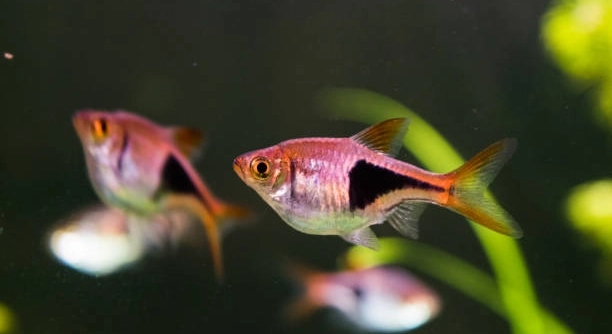
Rasboras are small, social fish often seen swimming and feeding together. Watching them eat as a group can be a relaxing part of keeping an aquarium. When they don’t eat together, it may signal something unusual in their environment.
If rasboras are not eating together, it could indicate stress, illness, or changes in tank conditions. Such behavior often reflects discomfort or competition, which may require adjustments in water quality, feeding routines, or tank mates to restore normal group feeding.
Understanding why rasboras avoid eating together helps keep them healthy and happy. This article explains common causes and what you can do to support your fish’s well-being.
Why Rasboras Sometimes Stop Eating Together
Rasboras naturally like to swim and feed as a group. When they suddenly stop eating together, it can mean something is off. Stress is often the main reason. Changes in water temperature, pH levels, or new tank mates can make them uneasy. Illness may also cause some to lose appetite or avoid others. Sometimes, if the food isn’t spread evenly or if one fish is more aggressive, the group may split during feeding. Overfeeding or poor water quality can make fish less active and less interested in eating. Paying attention to their behavior can help catch problems early. Keeping the tank stable and clean is important to keep rasboras comfortable. Feeding small amounts several times a day can encourage them to eat more evenly. Observing the whole group regularly helps you notice when things aren’t right.
Stress or discomfort usually causes rasboras to stop eating together. Identifying and correcting environmental issues often restores their normal behavior.
Watching their feeding patterns can reveal important signs about their health and tank conditions, helping you care for them better.
Common Tank Conditions That Affect Rasbora Feeding
Poor water quality is a frequent reason rasboras avoid eating together. High ammonia, nitrite, or nitrate levels make fish stressed and sick. Temperature swings or incorrect pH can also cause discomfort. When tank conditions are not ideal, some rasboras hide or refuse to eat. It’s important to test water regularly and perform partial water changes. Adding new fish without quarantine or overstocking the tank increases stress. Uneven lighting or a lack of hiding spots may contribute to anxiety. Keeping the tank environment stable promotes healthy feeding habits. Balanced nutrition with varied foods supports their appetite. If rasboras are sick, they might isolate themselves, so prompt treatment is needed. Tank cleanliness and proper care create a space where rasboras feel safe to eat together again.
Monitoring water and tank setup prevents feeding problems and promotes a peaceful aquarium environment. Maintaining consistency in these areas helps rasboras thrive.
Ensuring water parameters stay within recommended ranges can keep your rasboras calm and willing to eat together. Regular care and a stable tank help prevent feeding disruptions. If feeding issues continue, reviewing diet and tank mates is useful for restoring harmony.
Changes in Social Behavior and Feeding Patterns
Rasboras are social fish that usually eat as a group. When their social behavior changes, it can affect feeding times. Sometimes one fish may become more dominant or shy, which disrupts the group’s feeding routine.
Dominance in the tank can cause some rasboras to eat more while others eat less. This can happen if the group is too small or if new fish have been added. Shyer fish may hide or avoid the food altogether. Aggressive behavior during feeding can create stress and reduce overall appetite. It’s important to observe interactions and adjust feeding methods, like spreading food evenly or feeding smaller amounts more frequently, to reduce competition. Adding plants or decorations can provide hiding spots for less dominant fish.
Changes in feeding patterns often relate to shifts in group dynamics. Helping all fish feel safe encourages them to eat together again.
How to Encourage Rasboras to Eat Together
Offering food in small, spread-out portions helps reduce competition among rasboras. Feeding at consistent times builds routine and comfort. Varying their diet with live, frozen, or high-quality flakes can stimulate appetite.
Keeping the tank environment calm and stable encourages group feeding. Avoid sudden changes in lighting, temperature, or tankmates that could stress the fish. Introducing hiding spots or plants helps shy fish feel secure. Watching their behavior regularly helps catch early signs of trouble. Maintaining water quality and feeding habits supports their health and social behavior, helping them return to eating as a group. Consistency and patience are key to restoring peaceful feeding times for your rasboras.
Impact of Illness on Feeding Behavior
When rasboras get sick, they often lose interest in eating or stop eating with the group. Illness can make them weaker and less social, affecting feeding times.
Early signs of sickness include hiding, slower movements, or faded colors. Treating illness quickly helps restore their appetite and social behavior.
Identifying Common Diseases That Affect Rasboras
Common diseases like ich, fin rot, and internal parasites affect rasboras’ health and appetite. Ich causes white spots and itching, making fish avoid food. Fin rot damages fins, leading to stress and reduced eating. Internal parasites can cause weight loss and lethargy. Observing behavior and appearance closely is important. Quarantine new fish and keep the tank clean to prevent disease spread. If symptoms appear, treating promptly with appropriate medication improves recovery chances and helps rasboras return to normal feeding habits.
When to Seek Professional Help
If feeding problems persist despite care, consult a vet or experienced aquarist. They can diagnose and treat serious health issues quickly.
FAQ
Why are my rasboras not eating even though they swim around normally?
Sometimes rasboras swim actively but still avoid food. This can happen if they are stressed or if the food isn’t appealing. They may also be adjusting to new tank conditions or recovering from mild illness. Try offering different types of food like live or frozen options, and make sure the water parameters are stable. Feeding smaller amounts multiple times a day can help encourage them to eat.
Can overcrowding cause rasboras to stop eating together?
Yes, overcrowding can increase stress and competition for food. When there are too many fish in one tank, dominant individuals may block others from feeding. This causes some rasboras to avoid eating altogether or eat separately. Reducing the number of fish or upgrading to a larger tank can improve their feeding behavior and overall health.
How can I tell if my rasboras are stressed?
Signs of stress include hiding, rapid breathing, clamped fins, and loss of appetite. Changes in coloration and erratic swimming are also common. Stress often leads to changes in feeding habits, such as refusing to eat with the group. Check water quality, temperature, and tank mates if you notice these signs.
Is it normal for rasboras to eat alone sometimes?
It can happen occasionally, especially if some fish are shy or weaker. However, if many rasboras consistently eat apart, it may indicate a problem like stress, illness, or poor tank conditions. Observing patterns over time helps determine if the behavior is a temporary phase or something needing attention.
What should I do if one rasbora is not eating but others are fine?
Isolate the fish in a quarantine tank if possible and monitor for signs of illness. Offer a variety of foods to stimulate appetite. Check water quality and tank conditions to ensure nothing is causing stress. If symptoms persist, seek advice from a vet or aquarium specialist.
Can the type of food affect group feeding behavior?
Yes, if the food sinks too fast or is too large, some rasboras may miss out or lose interest. Using small flakes, pellets designed for small fish, or slow-sinking frozen foods can promote group feeding. Feeding in multiple spots also helps all fish get a chance to eat.
How often should I feed my rasboras?
Feeding small amounts two to three times a day is best. This reduces competition and keeps the fish interested in food. Overfeeding can pollute the water and cause health problems, so only offer what they can finish in a few minutes.
Can tank decorations affect feeding behavior?
Yes, having enough hiding spots with plants or decorations helps shy fish feel secure and encourages them to eat. Too little cover can make timid rasboras avoid feeding areas. A well-decorated tank balances open swimming space and hiding places for all fish.
Does lighting impact how rasboras eat?
Bright or sudden lighting changes can stress rasboras and disrupt feeding. Gentle, consistent lighting helps keep them calm. Feeding during low light or at times when they are naturally more active may improve their eating habits.
What role do tank mates play in feeding behavior?
Aggressive or very active tank mates can scare rasboras away from food. Choosing peaceful species that share similar feeding habits encourages group eating. Monitor interactions and separate aggressive fish if needed to protect rasboras’ feeding routine.
How long does it take for rasboras to return to normal feeding after stress or illness?
Recovery time varies depending on the cause and treatment. Mild stress may only take a few days to resolve. Illness may require weeks of care before feeding normalizes. Maintaining good water quality and reducing stress factors speeds up recovery.
Can changes in water temperature cause feeding problems?
Yes, sudden temperature drops or increases can stress rasboras and reduce their appetite. Keeping temperature stable within their preferred range (around 72-78°F) supports healthy feeding behavior.
Are there specific signs that rasboras are hungry?
Active swimming near the surface or where food is usually given, quick movements during feeding times, and following your hand or food are signs they are hungry and ready to eat.
Is it harmful if rasboras don’t eat together every day?
Occasional separate feeding isn’t harmful, but consistent avoidance of group feeding may signal underlying issues. Addressing causes early helps prevent health problems and keeps your fish social and active.
How can I encourage shy rasboras to eat in a group?
Provide hiding places and feed in calm, quiet conditions. Use gentle feeding methods and offer favorite foods to build trust. Regular routines help shy fish feel more comfortable joining the group during meals.
Rasboras are naturally social fish that usually enjoy eating together. When they stop eating as a group, it is often a sign that something in their environment is not quite right. This could be due to stress, illness, changes in water quality, or problems with tank mates. Understanding these signs helps you care for your fish better and keep them healthy. Paying close attention to their behavior and the conditions in their tank is important for spotting issues early before they become serious problems.
Maintaining stable water conditions is one of the best ways to keep rasboras comfortable and encourage group feeding. Regular testing of water parameters like temperature, pH, and ammonia levels helps catch changes that may cause stress. Keeping the tank clean and avoiding overcrowding also reduces stress on your fish. When feeding, offering small amounts of food spread throughout the tank allows all the fish to eat without competition. Adding plants and decorations gives shy fish places to hide and feel safe, which can improve their willingness to join the group at mealtime.
If you notice that your rasboras are not eating together, try to find the root cause by observing their behavior and checking the tank’s conditions. Sometimes small changes, like adjusting feeding habits or improving water quality, can make a big difference. If illness is suspected, early treatment is important. Patience is key when working to restore peaceful feeding habits. With steady care and attention, your rasboras can return to their natural, social feeding behavior and thrive in your aquarium.

Hello,
If you enjoy the content that we create, please consider saying a "Thank You!" by leaving a tip.
Every little bit helps us continue crafting quality advice that supports the health, happiness, and well-being of pets around the world, for pets of all shapes, sizes, and species.
We really appreciate the kindness and support that you show us!