
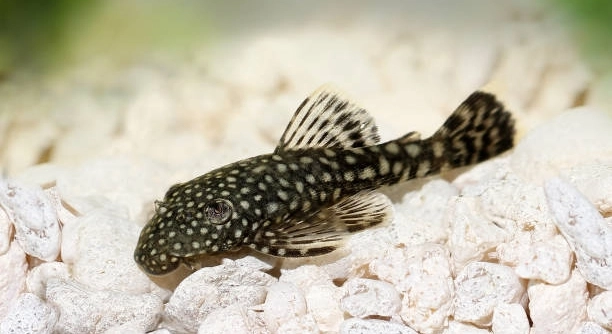
Your pleco moves slowly across the tank, yet there are subtle behaviors that hint at comfort and trust. Observing these gentle signs can help you understand your fish’s wellbeing and the environment you’ve created for them.
A pleco demonstrates safety through consistent, calm swimming patterns, hiding and resting in familiar spots, interacting with tank surfaces without fear, and showing healthy feeding behaviors. These actions collectively indicate the fish feels secure in its surroundings.
Recognizing these cues will help you ensure your pleco remains healthy and content in its aquatic environment.
Calm and Steady Swimming
When a pleco feels safe, its swimming is deliberate and steady. You will notice it gliding along the tank walls or hovering near decorations without sudden bursts or frantic movements. Unlike stressed fish that dart or hide constantly, a calm pleco shows predictable patterns in the water. These movements demonstrate that the fish is comfortable exploring its surroundings and is confident in the security of its tank. Observing this behavior over time helps you understand the subtle ways your pleco communicates comfort. Even small gestures, like slowly adjusting its fins or gently brushing against surfaces, indicate contentment. Tank decorations, hiding spots, and water conditions all contribute to creating an environment that encourages these calm behaviors. Maintaining consistent lighting, temperature, and water quality allows the pleco to feel in control and reduces stress. By paying attention to these steady movements, you can detect early signs of discomfort before they escalate into health issues, ensuring a safe habitat for your fish.
Plecos that swim calmly are less likely to show signs of stress or illness. Their stable movements reflect trust in their surroundings.
These steady swimming patterns also indicate the pleco’s overall wellbeing. Calm, unhurried movement allows it to conserve energy, feed efficiently, and interact naturally with its environment. It signals a balance between security, health, and comfort in the tank ecosystem.
Hiding and Resting Comfortably
A pleco that feels safe uses hiding spots without hesitation.
Safe plecos often rest under rocks, inside driftwood, or near tank corners. These spots offer security, but a comfortable pleco does not panic when approached or during normal tank activity. Over time, you may notice it alternating between exploring and retreating calmly to these spots, showing confidence rather than fear. Unlike stressed fish that hide constantly, a secure pleco maintains a rhythm of activity and rest. Providing multiple hiding places helps reinforce this sense of safety. Observing where and how your pleco rests gives insight into its mental state. These resting behaviors also support overall health by reducing stress, allowing for proper digestion, and conserving energy. A pleco that feels comfortable returning to familiar hiding spots demonstrates that it trusts the tank environment, the water quality, and even your presence as a caretaker. Ensuring stable conditions and gentle handling encourages this natural behavior, promoting a calm and healthy aquatic lifestyle.
Healthy Appetite
A pleco that feels secure will eat regularly and without hesitation. Its feeding behavior is consistent, and it actively searches for food without showing fear or stress.
Regular feeding patterns are a strong indicator of a pleco’s sense of safety. A fish that trusts its environment will approach food calmly, whether it’s algae wafers, vegetables, or sinking pellets. Unlike stressed plecos that may ignore meals or hide during feeding, a safe pleco demonstrates eagerness while maintaining composure. Watching how your pleco eats can reveal changes in health or comfort, making it an important behavior to monitor. Feeding times also reinforce trust in the tank environment, as the fish associates predictable routines with safety. Over time, these positive associations strengthen the pleco’s confidence and overall wellbeing.
A consistent appetite also reflects digestive health. When a pleco feels secure, it can focus on feeding and processing food properly, which contributes to growth, energy, and resistance to disease.
Interaction with Tank Surfaces
Plecos that feel safe often explore and interact with tank surfaces calmly. They graze on algae, inspect decorations, and glide over driftwood without sudden retreats.
Safe plecos show intentional movements when interacting with surfaces, signaling comfort and confidence. They may scrape algae gently, rest briefly on smooth surfaces, or examine new decorations without stress. Observing these behaviors helps identify a secure environment. A pleco that avoids surfaces entirely or skims nervously may be feeling unsafe or unsettled. Providing varied surfaces like driftwood, rocks, and plants encourages natural behaviors and reinforces comfort. When your pleco consistently engages with its surroundings, it demonstrates both curiosity and trust, reflecting a healthy state of mind. Surface interaction is an important part of daily activity and indicates balance between caution and confidence.
Interactions with tank surfaces also promote physical and mental health. Grazing on algae and inspecting structures keeps the pleco active while stimulating natural instincts. These behaviors support proper fin and mouth function, encourage exploration, and provide environmental enrichment, all of which are signs of a fish that feels secure and well-adapted to its habitat.
Gentle Fin Movements
Plecos that feel safe display smooth and relaxed fin movements. Their fins spread naturally as they swim or rest, without rapid twitching or clamping.
Relaxed fin behavior is a subtle but clear sign of comfort. A pleco that feels stressed may keep its fins tight against its body or move them erratically.
Exploration of New Objects
Safe plecos investigate new decorations or changes in the tank without panic. They approach slowly, touch with their mouths, and then return to normal routines.
Observing how a pleco interacts with new objects gives insight into its sense of security. A confident pleco examines additions gradually, showing curiosity rather than fear. Over time, repeated positive experiences with new items reinforce trust in the tank environment. Introducing changes slowly and maintaining consistent water conditions helps the pleco adapt comfortably. Safe plecos demonstrate awareness and adaptability while maintaining calm behavior. Watching these interactions helps you gauge the balance between caution and confidence in your fish, which is crucial for overall wellbeing and long-term comfort in their habitat.
Resting in Open Areas
Some plecos feel safe enough to rest in open spaces, away from hides or corners.
FAQ
How can I tell if my pleco is feeling safe in its tank?
A pleco that feels safe will show calm swimming patterns, relaxed fin movements, and a healthy appetite. It will explore decorations slowly, interact with surfaces without panic, and use hiding spots in a balanced way. Consistent routines and predictable behavior are key indicators of comfort.
Why does my pleco hide so much?
Hiding is a natural behavior, but a pleco that hides constantly may be stressed or uncomfortable. Safe plecos alternate between hiding and exploring. If your pleco only stays in corners or caves, check water quality, tank conditions, and lighting, as these factors strongly influence their sense of security.
Is it normal for my pleco to rest in open areas?
Yes. When a pleco rests away from shelters, it signals confidence. Feeling safe allows them to trust the environment and approach open spaces without fear. Observing resting locations can reveal comfort levels and help you understand how secure your pleco feels overall.
What behaviors show that my pleco trusts me?
Safe plecos may swim calmly near you or eat without retreating during tank maintenance. They may inspect your hand if gently placed near the tank, but they will not act erratically. These subtle interactions indicate trust and a strong sense of security in their surroundings.
How does feeding behavior relate to safety?
Plecos that feel safe will eat regularly and without hesitation. They approach food calmly, whether algae wafers, vegetables, or sinking pellets. Irregular feeding, hesitation, or avoidance can signal stress or discomfort, often caused by environmental changes or poor water conditions.
Can changes in the tank make my pleco feel unsafe?
Yes. Sudden changes in temperature, lighting, decorations, or water chemistry can cause stress. Safe plecos adapt gradually when introduced to new objects or conditions. Ensuring stability and gradual adjustments supports their comfort and encourages natural exploratory behavior.
How can I encourage my pleco to feel safe?
Provide hiding spots, maintain clean water, and avoid sudden disturbances. Allow the pleco to explore at its own pace and offer regular feeding routines. Gentle observation without constant handling helps the fish build trust in the environment and promotes calm, confident behavior.
What signs indicate my pleco is stressed rather than safe?
Erratic swimming, clamped fins, constant hiding, loss of appetite, or aggressive grazing are signs of stress. Observing changes in behavior over time helps identify discomfort early, allowing you to address environmental or health issues before they escalate.
Does interacting with decorations help my pleco feel secure?
Yes. Investigating surfaces, scraping algae, or resting on driftwood reflects comfort and engagement with the tank. Positive experiences with objects reinforce a sense of safety, encouraging exploration and healthy mental stimulation in the pleco’s environment.
How often should I check on my pleco to ensure it feels safe?
Daily observation is sufficient. Look for steady swimming, relaxed fins, proper feeding, and calm interaction with tank surfaces. Monitoring these behaviors regularly ensures early detection of stress or discomfort, helping maintain a safe and healthy environment for your pleco.
Can multiple plecos feel safe together?
Yes, if the tank is large enough and provides ample hiding spots. Safe plecos establish personal space and routines. Overcrowding can lead to stress and aggression, so ensuring adequate territory and resources supports comfort for all inhabitants.
How does water quality affect my pleco’s sense of safety?
Poor water quality is a major stress factor. Stable temperature, clean water, and proper filtration are essential. Safe plecos feel confident in a well-maintained environment, which supports normal behaviors, feeding, and interaction with tank features.
Are there subtle signs I might miss that indicate safety?
Yes. Slow fin flicks, gentle grazing on surfaces, or brief pauses in movement can indicate contentment. These small behaviors often go unnoticed but are reliable indicators that your pleco feels secure and is adjusting well to its surroundings.
Can a pleco ever feel unsafe even if it seems healthy?
Yes. A pleco may appear physically healthy but still experience stress due to minor environmental issues. Observing behavioral cues like hesitation, excessive hiding, or irregular swimming helps detect discomfort that is not yet affecting physical condition.
What is the most important factor for a pleco’s sense of safety?
Consistency in the tank environment is crucial. Stable water parameters, adequate hiding spaces, predictable feeding, and minimal disturbances provide a foundation for a pleco to feel secure and exhibit natural, confident behaviors.
How long does it take for a pleco to feel safe in a new tank?
It varies by individual. Some plecos adjust within days, while others may take weeks. Gradual introduction of decorations, consistent feeding routines, and maintaining stable water conditions accelerate the adaptation process and build confidence.
Does lighting affect my pleco’s comfort level?
Yes. Bright or sudden changes in light can stress plecos. Providing dim or consistent lighting, along with shaded areas, helps them feel secure and encourages natural behaviors like grazing and resting.
How do I know if my pleco trusts me during tank maintenance?
A pleco that trusts you will continue normal activities while you are near the tank, such as feeding or resting. They may approach cautiously but will not dart away or show signs of panic. Calm behavior reflects confidence and trust in the environment and caretaker.
Can a pleco feel safe in a small tank?
Size matters. While plecos can survive in smaller tanks, space limitations can increase stress. Providing hiding spots, stable conditions, and gentle care helps them feel secure, but larger tanks better support natural behaviors and long-term wellbeing.
How do I maintain a safe environment long-term?
Regular water checks, stable conditions, consistent feeding, and adequate hiding spots are essential. Observing behavior daily ensures your pleco remains calm and comfortable. Gradual adjustments and minimal stressors maintain a reliable, safe habitat for long-term health and confidence.
What should I do if my pleco suddenly shows signs of stress?
Check water parameters, examine the tank for disturbances, and review feeding routines. Correcting any environmental issues quickly helps restore a sense of safety. Monitoring behavior closely after adjustments ensures the pleco returns to calm, confident activity without lingering stress.
Final Thoughts
Observing your pleco carefully can reveal a lot about how comfortable and safe it feels in its environment. Unlike other pets, plecos express their wellbeing mainly through subtle behaviors. Calm swimming, gentle fin movements, consistent feeding, and measured interaction with decorations all signal a sense of security. These behaviors are not always obvious, so taking the time to notice patterns and changes is essential. When you provide a stable environment, the pleco can focus on natural behaviors rather than reacting to stressors. Hiding spots, clean water, and consistent lighting create a predictable habitat, helping your pleco feel in control. Over time, watching how your pleco explores and rests can become a reliable way to assess comfort, giving you insight into its overall health. Paying attention to these small details allows you to intervene if something changes and maintain a safe, stable environment.
A pleco’s sense of safety also affects its long-term health. Fish that feel secure tend to eat regularly, rest appropriately, and interact naturally with their surroundings. These behaviors support growth, energy levels, and disease resistance. In contrast, stressed plecos may avoid food, hide excessively, or move erratically, which can lead to health problems if left unchecked. By understanding the signs of safety, you can create a routine that promotes comfort. Regular observation, gradual introduction of new objects, and gentle tank maintenance all contribute to a pleco feeling secure. Even small adjustments, like adding driftwood or adjusting lighting, can make a noticeable difference. Recognizing subtle cues early ensures that your pleco remains healthy and confident, reducing the risk of stress-related issues. Feeling safe is as important as nutrition or water quality in supporting a thriving fish.
Finally, building trust with your pleco takes patience and attention. Unlike pets that show obvious affection, plecos demonstrate trust through calm behavior and consistent routines. Allowing your fish to explore at its own pace, maintaining stable tank conditions, and offering regular feeding times fosters confidence. Observing how your pleco interacts with its environment helps you respond to its needs without causing stress. Over time, you will notice patterns in movement, feeding, and resting that indicate contentment. A pleco that feels safe is more likely to display natural behaviors and adapt well to changes in the tank. Consistency, care, and observation are the keys to ensuring that your pleco thrives in a secure and supportive environment, making your efforts as a caretaker meaningful and effective.

Hello,
If you enjoy the content that we create, please consider saying a "Thank You!" by leaving a tip.
Every little bit helps us continue crafting quality advice that supports the health, happiness, and well-being of pets around the world, for pets of all shapes, sizes, and species.
We really appreciate the kindness and support that you show us!