
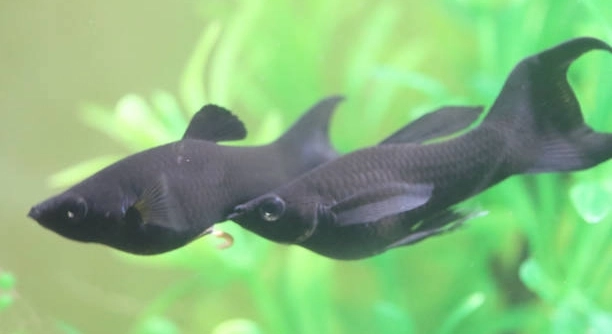
As your Black Molly grows older, you may notice small changes in how it swims and interacts with its environment. These subtle behaviors can signal natural aging rather than illness, helping you understand your fish better.
Aging Black Mollies often show slower swimming, reduced activity, and changes in feeding habits. They may spend more time near the bottom or hide more frequently, reflecting normal metabolic and behavioral shifts associated with age rather than health concerns.
Recognizing these early signs can help you provide better care and maintain a comfortable environment for your aging fish.
Slower Swimming Patterns
As Black Mollies age, you may notice them swimming more slowly than before. Their once energetic movements become calmer, and they might spend more time gliding near the bottom of the tank. This slowdown is a natural result of aging, as their muscles gradually lose strength and stamina. You might also see them pausing more often while exploring, sometimes lingering in one spot without apparent reason. Older Mollies may avoid chasing food aggressively, opting instead to nibble at slower speeds. Their interactions with other fish can also change; younger, more active tank mates might outpace them during group swims. Tank conditions, like water temperature and cleanliness, still play a role in their energy levels, so maintaining a stable environment helps them stay comfortable. Observing these changes patiently allows you to adapt feeding routines and tank arrangements, ensuring your fish remain content and less stressed during their later years.
Slower swimming is a normal part of aging and usually does not indicate illness if appetite and behavior remain steady.
Monitoring these patterns helps you adjust tank activities and feeding times. By noticing the small shifts in speed, you can reduce stress and provide a more accommodating environment. A simple rearrangement of decorations or lowering water flow may encourage older Mollies to move comfortably. Understanding their limits ensures they stay active without overexertion, preserving overall health while respecting their aging bodies.
Reduced Appetite
Older Black Mollies may eat less frequently or seem less eager during feeding times. This reduction is a standard effect of aging, often linked to slower metabolism and decreased energy needs.
A declining appetite can sometimes cause minor weight loss. While it may seem concerning, maintaining a consistent feeding schedule and offering softer or more easily digestible foods can help older Mollies adjust. Small, frequent meals tend to be more effective than larger portions, allowing them to maintain proper nutrition without forcing them to overeat. Observation is key; monitor their intake closely and watch for signs of illness or unusual behavior. Gradually adjusting food type and quantity ensures they get adequate nutrients while accommodating their natural changes. Tank mates may eat faster, so separating portions temporarily can prevent competition. Over time, you’ll notice their feeding habits stabilizing, reflecting their comfort and adaptation to the slower pace of aging. Careful attention to diet and portion size supports their health and promotes longevity, keeping them active without causing stress.
Increased Hiding
Older Black Mollies tend to hide more often, especially when tank conditions feel stressful or crowded. They may stay behind decorations or plants, avoiding the center of the tank and minimizing interaction with more active fish.
This behavior is a natural response to aging. As Mollies get older, their energy levels drop, and they feel more vulnerable around active or aggressive tank mates. Hiding provides a sense of security, allowing them to rest without disturbance. Over time, they may spend more hours in these quiet spots, emerging primarily during feeding or calm periods. Creating safe hiding spaces with plants, rocks, or other decorations helps them feel comfortable while reducing stress. Ensuring stable water conditions and limiting sudden changes also supports this behavior, allowing older fish to remain active without feeling threatened.
Watching these hiding tendencies can guide you in arranging the tank more thoughtfully. By giving older Mollies areas to retreat, you reduce stress, maintain their well-being, and encourage natural behavior patterns that support long-term health.
Color Fading
As Black Mollies age, their dark, vibrant coloration often becomes duller or lighter. This change occurs gradually and is a normal part of aging rather than illness.
Fading colors are linked to reduced pigment production in older Mollies. Over time, the cells responsible for black coloration slow down, resulting in a softer, less intense appearance. Tank conditions, including lighting and diet, can influence how noticeable this fading becomes, but it is rarely a cause for concern. Mollies with previously deep black shades may show greyish tones or uneven patches. While color change is natural, keeping the tank clean, feeding a varied diet rich in nutrients, and maintaining optimal water quality can help older Mollies retain some vibrancy. These adjustments do not reverse aging but support overall health and help the fish remain visually appealing throughout their later years.
Color changes may also signal minor stress if accompanied by other behavioral shifts. Monitoring your fish closely ensures you can distinguish natural aging from potential health issues. Adjusting lighting, decorations, and feeding practices keeps older Mollies comfortable and maintains the best possible appearance despite gradual fading.
Less Social Interaction
Older Black Mollies often spend less time swimming with other fish. They may avoid group activities, preferring to stay alone in quiet areas of the tank.
This shift is part of natural aging. Reduced energy and increased caution make older Mollies less inclined to join fast-moving or playful tank mates.
Change in Breeding Behavior
As Mollies age, their breeding activity declines. Females may produce fewer fry, and males show less courtship behavior. Hormonal changes and slower metabolism reduce reproductive drive, making breeding less frequent or noticeable in older fish. Maintaining healthy tank conditions can support overall vitality, but breeding naturally decreases with age.
Resting More Often
Older Black Mollies spend more time resting on the bottom or near decorations. This behavior helps conserve energy as their stamina decreases over time.
FAQ
Why is my Black Molly swimming slower than before?
Slower swimming is a natural part of aging. As Black Mollies grow older, their muscles lose strength, and their energy levels decrease. This means they won’t chase food as quickly or swim as actively with tank mates. It does not usually indicate illness if they are eating normally and showing no signs of distress.
Why does my older Molly hide more often?
Hiding is a way for older Mollies to feel safe. Reduced stamina and slower reflexes make them more cautious. They often seek quiet areas behind plants or decorations to rest and avoid fast-moving or aggressive tank mates. Providing safe hiding spaces can reduce stress.
Why has my Molly’s color faded?
Color fading is normal in aging Mollies. Pigment-producing cells slow down with age, making their once-dark black tones appear lighter or uneven. Lighting, diet, and tank cleanliness can influence the intensity of color, but fading alone is usually harmless.
Why is my Molly eating less?
A reduced appetite is common in older Black Mollies. Slower metabolism and lower energy needs mean they may nibble smaller amounts or eat less frequently. Offering softer foods in small portions can help maintain proper nutrition without forcing them to overeat.
Why does my Molly rest more often on the tank bottom?
Increased resting is a natural response to aging. Older Mollies need to conserve energy and may spend long periods near decorations or the bottom of the tank. This behavior is normal if they are otherwise active during feeding or calm periods.
Why has my Molly stopped breeding or showing courtship behavior?
Reproductive activity declines with age. Females produce fewer fry, and males show less courtship. Hormonal changes and lower energy contribute to this shift. Proper tank conditions and a balanced diet can support overall health but will not fully restore breeding activity.
Should I worry if my older Molly seems less social?
Reduced interaction is normal. Aging Mollies often avoid group swims or playful tank mates due to slower movement and increased caution. Observing them without forcing social interaction ensures they remain comfortable while minimizing stress.
Can tank conditions affect aging behaviors?
Yes, water quality, temperature, and tank layout significantly impact older Mollies. Stable conditions, gentle water flow, and accessible hiding spots support their health and reduce stress, helping them maintain natural behaviors more comfortably.
Are supplements or special diets necessary for older Mollies?
Special diets can help, but the focus should be on balanced nutrition. Foods high in vitamins and easily digestible proteins support aging Mollies. Avoid overfeeding, and provide small, frequent meals to match their slower metabolism.
How can I make my older Molly more comfortable?
Provide gentle water flow, safe hiding areas, consistent feeding schedules, and maintain clean water. Observing their behavior and adjusting tank arrangements to reduce stress helps older Mollies stay healthy, active, and comfortable in their later years.
How long can a Black Molly live?
Black Mollies typically live 3–5 years, though proper care can sometimes extend lifespan slightly. Aging signs such as slower swimming, hiding, color fading, and reduced breeding are normal and expected as they approach the later stages of life.
Can I keep older Mollies with younger fish?
Yes, but consider energy differences. Older Mollies may struggle to keep up with younger, faster fish. Creating quieter zones, reducing competition for food, and providing adequate hiding spots ensures all fish can coexist comfortably.
Is sudden behavioral change a sign of illness or aging?
Observe closely. Gradual changes, like slower swimming or fading color, are normal with age. Sudden changes, such as drastic loss of appetite, erratic swimming, or physical signs like clamped fins or lesions, may indicate illness and require attention.
Can I reverse aging signs in Black Mollies?
Aging cannot be reversed. Proper care, a balanced diet, and a stress-free environment can help maintain their health and slow the progression of aging symptoms, but natural declines in energy, color, and activity are inevitable.
How can I monitor my aging Molly effectively?
Watch feeding habits, swimming patterns, color, and interactions with tank mates. Keeping a simple observation log or notes helps identify gradual changes, allowing timely adjustments in diet, tank setup, or care routines to support aging Mollies.
What is the most important thing to remember about aging Mollies?
Patience and observation are key. Understanding natural changes and providing a supportive environment ensures older Black Mollies remain healthy, comfortable, and stress-free throughout their later years.
Aging Black Mollies show many small changes in behavior that are completely natural. Slower swimming, increased resting, and hiding more often are all signs that your fish is adjusting to its later stages of life. While these changes can seem concerning at first, they are usually part of the normal aging process. Recognizing these behaviors allows you to provide the right care without unnecessary worry. Older Mollies do not need dramatic changes in their environment, but they do benefit from subtle adjustments that make daily life easier. For example, creating more hiding spots and ensuring gentle water flow can reduce stress and allow them to rest comfortably. Paying attention to these patterns helps you understand your fish better and maintain a supportive tank environment.
Diet and nutrition play an important role in helping aging Mollies remain healthy. As their metabolism slows, they often eat smaller amounts or show less interest in food. Offering smaller, more frequent meals with easily digestible ingredients helps maintain proper nutrition without overwhelming them. Including high-quality proteins and necessary vitamins can support overall vitality and color retention, even as natural fading occurs. Maintaining a consistent feeding schedule also gives older Mollies a sense of security, as sudden changes can be stressful. Observing how they eat and adjusting portions when necessary ensures they receive the right amount of food. Tank mates may still compete for food, so separating portions or slowing down the feeding pace can prevent older Mollies from being outcompeted, keeping them comfortable and healthy.
Regular observation is key to supporting older Black Mollies. Watch for changes in swimming, coloration, appetite, and interaction with other fish. Gradual shifts are normal, but sudden or drastic changes can indicate illness and require attention. Ensuring clean water, stable temperatures, and a calm environment helps reduce stress and supports long-term health. By making small, thoughtful adjustments in their tank setup, feeding, and care routines, you can make a significant difference in their quality of life. Aging does not mean your fish cannot live a happy, comfortable life. Understanding their needs and responding with patience and consistency allows them to remain active, comfortable, and well-cared for, even as they show the natural signs of aging.

Hello,
If you enjoy the content that we create, please consider saying a "Thank You!" by leaving a tip.
Every little bit helps us continue crafting quality advice that supports the health, happiness, and well-being of pets around the world, for pets of all shapes, sizes, and species.
We really appreciate the kindness and support that you show us!