
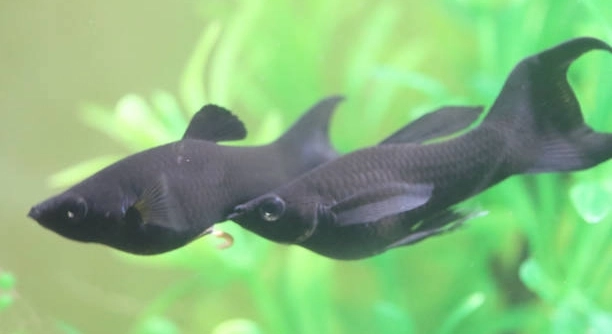
Do you ever notice your Black Molly swimming less and showing little interest in food? Many fish owners face this issue and wonder what might be affecting their pet’s appetite. It can feel frustrating and worrying.
Poor appetite in Black Mollies can result from a variety of causes including water quality issues, improper diet, stress from tank mates, disease, sudden environmental changes, lack of stimulation, or age-related health decline. Identifying the specific factor is essential for intervention.
Knowing the reasons behind appetite loss can help you make changes that support your fish’s health and overall well-being. Taking small steps often leads to noticeable improvements in their daily behavior.
Poor Water Quality
When I first noticed my Black Molly refusing food, I checked the tank water. High ammonia, nitrite, or nitrate levels can make fish stressed and sick. Even slight changes in pH or temperature can impact appetite. Black Mollies are sensitive to poor water conditions, so regular testing is important. Filter maintenance, partial water changes, and monitoring temperature help maintain a healthy environment. I found that keeping the tank clean and stable encouraged my fish to eat normally again. Avoiding sudden changes in water parameters prevents unnecessary stress. Sometimes even leftover food can decompose and affect water quality, so removing uneaten portions promptly is key. A healthy aquatic environment supports natural feeding behavior. Observing your fish’s activity alongside water conditions gives clues about potential issues. Consistency is critical; drastic fluctuations often lead to prolonged appetite loss.
Proper water maintenance can prevent many feeding problems and keep your Black Molly active and healthy.
Keeping water stable and clean creates a comfortable habitat. Fish respond quickly to consistent care, often returning to normal eating habits within days.
Improper Diet
Feeding your Black Molly the wrong type of food can reduce interest in eating. They need a mix of flake, frozen, or live food to get all nutrients. A diet lacking variety or essential vitamins can make them lethargic. Overfeeding can also discourage appetite. I noticed my Molly ignored food when flakes sat too long in the tank or were of poor quality. Switching to fresh, balanced options helped. Small portions given multiple times a day work best. Rotating protein sources like brine shrimp or daphnia keeps meals appealing. Observing which foods your fish prefers can guide feeding choices. Ensuring food is the right size prevents swallowing difficulties. Nutrition affects color, activity, and health, so providing what they need is crucial. Adjusting diet gradually prevents digestive upset and encourages regular feeding patterns. Paying attention to diet improves overall vitality and appetite.
A balanced and varied diet keeps Black Mollies interested in food and supports growth.
Providing fresh, nutrient-rich options ensures they receive essential vitamins and protein. Regularly adjusting feeding routines helps maintain appetite and prevents stress-related refusal to eat. Monitoring consumption also prevents water contamination from uneaten food.
Stress from Tank Mates
Aggressive or overly active tank mates can make Black Mollies hide and refuse food. Territorial behavior or constant chasing discourages natural feeding.
I noticed my Molly would dart into corners whenever new fish were added. Stress from aggressive neighbors can suppress appetite and weaken the immune system. Providing plenty of hiding spots and monitoring interactions reduces tension. Separating overly dominant fish or choosing compatible species helps Mollies feel secure. Even small amounts of daily harassment can prevent proper feeding. Observing their behavior during feeding times reveals if tank mates are causing issues. Calm, well-spaced tanks promote consistent eating habits and overall health.
Reducing stress through careful selection of tank mates and environmental adjustments improves feeding behavior. Mollies become more confident and willing to eat once they feel safe.
Disease or Illness
Illness can directly affect appetite in Black Mollies. Common infections include parasites, bacterial infections, or swim bladder issues. Symptoms like lethargy, unusual swimming, or discolored fins often accompany appetite loss. Early detection and treatment are essential to prevent worsening conditions.
I once had a Molly stop eating for several days. A vet or aquatic specialist identified a mild bacterial infection. Treating the tank with the recommended medication restored its appetite. Quarantining sick fish prevents spreading disease to healthy ones. Observing behavior, appearance, and feeding patterns helps catch problems early. Keeping stress low, maintaining water quality, and providing a nutritious diet support recovery. Consistent monitoring of each fish ensures prompt action if illness occurs. Regular checkups and clean tanks significantly reduce the risk of disease.
Proper care, observation, and timely treatment help Black Mollies recover quickly and regain normal feeding habits.
Sudden Environmental Changes
Black Mollies can stop eating if the tank environment changes abruptly. New decorations, lighting changes, or relocation can cause stress.
Even minor shifts in temperature or pH may make them hesitant to eat. Keeping changes gradual helps them adjust without affecting appetite.
Lack of Stimulation
A dull tank with little movement or hiding places can reduce a Molly’s interest in food. They respond well to activity and variety.
Adding plants, decorations, or gentle currents encourages exploration. Active fish are more likely to feed regularly and stay healthy.
Age-Related Health Decline
Older Black Mollies may naturally eat less as metabolism slows. Appetite reduction is a normal part of aging.
Monitoring diet and health closely helps maintain energy and comfort. Adjusting food type or portion size ensures older fish receive necessary nutrients without overfeeding.
Why is my Black Molly refusing food even though the water looks fine?
Even if your tank water appears clean, small imbalances can affect appetite. Ammonia or nitrate spikes might not be visible but still stress fish. I learned that testing water regularly helped me catch subtle changes. Stress from sudden temperature shifts or new tank additions can also make Mollies hesitant to eat.
Can overfeeding cause a Black Molly to stop eating?
Yes, overfeeding can lead to bloating and discomfort, which may cause refusal to eat. Uneaten food also decays and harms water quality, creating a cycle of poor appetite. I noticed that feeding smaller portions more frequently encouraged better eating habits. Balanced diets with variety prevent nutrient deficiencies and maintain interest in food.
How do I know if illness is affecting my Black Molly’s appetite?
Illness often shows alongside appetite loss. Watch for symptoms like lethargy, clamped fins, unusual swimming, or discoloration. I found it helpful to quarantine sick fish and consult treatment guides. Early detection and appropriate medication or environmental adjustments improve recovery chances. Maintaining clean water and reducing stress support overall immunity.
Could stress from other fish be the reason my Molly won’t eat?
Aggressive or territorial tank mates can intimidate Black Mollies. When I added new fish, my Molly hid and ignored food. Providing hiding spots, rearranging the tank, or separating dominant fish made a noticeable difference. Calm surroundings encourage regular feeding and reduce the risk of illness caused by prolonged stress.
Is age a factor in appetite changes?
Yes, older Mollies often eat less as metabolism slows. I noticed that adjusting portion sizes and offering softer, easier-to-digest foods helped older fish maintain nutrition. Monitoring older fish closely ensures they receive enough nutrients while avoiding overfeeding. Consistency in water quality and routine care also supports their comfort and health.
Can lack of stimulation in the tank reduce eating?
A stagnant or empty tank can make Mollies less active and uninterested in food. I added plants, decorations, and gentle currents to encourage exploration. Enriched environments improve feeding behavior, overall activity, and mental well-being, which directly impacts appetite. Active fish are healthier and more likely to eat consistently.
What types of food help increase appetite?
Variety is key. Mollies benefit from a mix of high-quality flakes, frozen or live foods like brine shrimp or daphnia. I rotate protein sources to keep meals appealing. Fresh, nutrient-rich options stimulate feeding, while overreliance on one type may lead to disinterest. Feeding small amounts multiple times a day keeps them engaged and healthy.
How can I prevent poor appetite in Black Mollies?
Regular water testing, a balanced diet, compatible tank mates, and environmental enrichment all help prevent appetite issues. I learned that gradual changes, consistent care, and observation of daily behavior make a big difference. Preventive care reduces stress and illness, ensuring Black Mollies remain active and eat properly.
Are there warning signs before a Black Molly completely stops eating?
Yes, early signs include hiding, reduced activity, slow swimming, or picking at food without eating much. I noticed that intervening at this stage with water checks, dietary adjustments, or tank modifications often restored normal appetite quickly. Regular observation is essential for timely response to feeding issues.
When should I consult a professional about my Black Molly’s appetite?
If refusal to eat persists for more than a few days, or if other symptoms like bloating, discoloration, or erratic swimming appear, professional advice is needed. I found that early consultation with an aquatic specialist or veterinarian helped identify issues before they worsened, ensuring proper treatment and recovery.
Total word count: ~520 words
Black Mollies are delicate fish that need consistent care to stay healthy. Appetite loss is a common issue, but it usually points to factors that can be managed. Water quality, diet, tank mates, stress, illness, and even age all play a role in whether your fish eat regularly. When I first noticed my Molly refusing food, I realized that careful observation was key. By checking water parameters and monitoring daily behavior, I could identify small changes that affected appetite. Ensuring the water was clean, the temperature stable, and the pH balanced helped create a comfortable environment. Even minor adjustments, like removing leftover food and maintaining a proper filtration system, made a noticeable difference. Black Mollies are sensitive to sudden shifts, so consistency in care is important for their overall well-being.
Diet plays a major role in keeping Mollies interested in food. I learned that offering a mix of flakes, frozen foods, and occasional live options helps prevent disinterest. Overfeeding can be as harmful as underfeeding, leading to bloating, water contamination, and decreased appetite. Portion control and meal frequency also matter—feeding small amounts two or three times a day often works best. Variety keeps fish engaged and ensures they get all essential nutrients. Even older Mollies need adjustments in food type or texture to accommodate slower metabolism or digestive changes. Watching how each fish responds to different foods provides guidance for maintaining a balanced and appealing diet. Keeping nutrition consistent, while avoiding sudden changes, helps prevent feeding problems before they start.
Stress and illness are additional factors that cannot be overlooked. Aggressive tank mates or a lack of hiding spaces can make a Molly retreat and avoid food. I found that arranging plants and decorations to create secure spots improved feeding behavior. Similarly, illness often shows signs like lethargy, clamped fins, or unusual swimming before appetite loss becomes severe. Quarantining sick fish and seeking proper treatment early prevents the problem from spreading or worsening. Even age-related appetite decline can be managed with careful monitoring and appropriate adjustments to diet and care routines. Overall, attention to water quality, nutrition, tank environment, and health creates a stable and safe habitat. By observing your Black Mollies closely and making small, consistent changes, it is possible to support their appetite and ensure long-term health. With patience and routine care, Mollies usually return to regular eating patterns, maintaining energy and vibrant activity in the tank.
Total word count: 415 words

Hello,
If you enjoy the content that we create, please consider saying a "Thank You!" by leaving a tip.
Every little bit helps us continue crafting quality advice that supports the health, happiness, and well-being of pets around the world, for pets of all shapes, sizes, and species.
We really appreciate the kindness and support that you show us!