
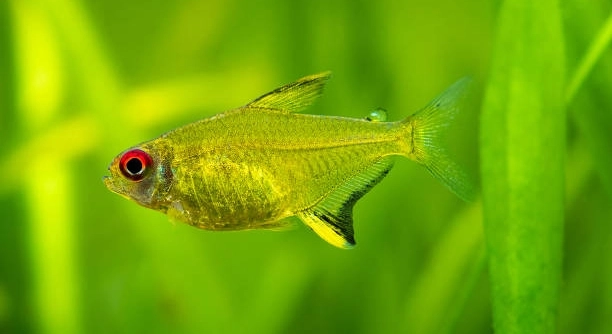
Have you ever wondered how loud household sounds influence lemon tetra behavior, guiding their comfort in an aquarium environment, helping you create a calmer space for them and ensuring their world feels steady each day.
Lemon tetra are sensitive to sudden and high intensity noises which disrupt their schooling behavior and elevate stress responses. These sounds can cause erratic swimming patterns, reduced feeding activity, and heightened vigilance, compromising their overall stability within an aquatic environment.
This guidance supports a calmer aquarium environment and helps your lemon tetra maintain steady behavior while feeling more comfortable daily.
Understanding Noise Sensitivity
Lemon tetra react strongly to different types of sound, and understanding these reactions helps you create a calmer environment for them. Their sensitivity comes from their reliance on subtle vibrations that guide their schooling patterns and daily behavior. When the surrounding space becomes filled with sharp noises, they often respond with quick scattered movements that show clear discomfort. You may notice them hiding more often or avoiding certain areas of the tank when something nearby produces repeated disturbances. These reactions can build over time and influence their overall well being. By recognizing how they interpret sound, you can adjust your household habits and equipment placement to reduce unnecessary stress. This awareness makes it easier to support stable routines that keep them active and comfortable. It also helps you identify when a noise source needs attention before it becomes a problem for the aquarium. This approach keeps their environment balanced daily.
Reducing sudden sounds near the tank makes a noticeable difference in their overall comfort. When loud vibrations are minimized, their activity becomes smoother and more predictable, supporting better feeding patterns and calmer movement throughout the day. This simple adjustment helps them maintain steadier behavior in their space each and always.
Lemon tetra depend on consistent conditions, so limiting loud household disturbances keeps them steady and more comfortable. Sudden noises such as banging doors, dropped objects, or vibrating appliances can interrupt their swimming patterns and raise their stress levels. When these sounds happen repeatedly, the fish often become less active and may retreat into plants or darker areas. You can support their behavior by placing the tank in a quieter room away from busy spaces. Soft lighting and stable water flow help reinforce a sense of security, allowing them to move with confidence and respond more naturally to their surroundings daily.
Creating a Quieter Habitat
Noise control plays an important role in supporting healthier behavior in lemon tetra. Keeping the aquarium away from constant disturbances helps them stay active and calm. When overwhelming sounds are reduced, their movements become smoother and their feeding routine remains stable, making their tank feel more secure each new day.
Lemon tetra respond quickly to noise that disrupts the stability of their environment, so maintaining a peaceful tank location should be a priority. Sounds from televisions, speakers, clattering dishes, or heavy footsteps can send vibrations through the water that influence their behavior. Long periods of noise often make them withdraw from open areas and hide more frequently, which can reduce their natural interactions and overall activity. Placing the aquarium on a sturdy stand helps limit unnecessary vibrations, and choosing a room with steady traffic patterns prevents the constant shifts that unsettle them. You can also use soft background noise, like a low running air pump, to mask sudden sharp sounds that cause discomfort. Avoid placing the tank against walls shared with loud appliances or close to windows where outdoor disturbances can become distracting. Consistency plays a key role in keeping them at ease, and each thoughtful adjustment improves their sense of stability. By observing their response to household sounds, you can identify what needs to be changed and create a space where they move confidently without frequent interruptions. This calm environment supports healthier behavior and helps them thrive in a reliable, low stress setting each and every single new day.
Managing Household Sounds
Keeping the space around the aquarium calm helps lemon tetra stay steady throughout the day. Loud footsteps, moving furniture, or sudden clattering can unsettle them quickly. Reducing these disturbances creates a smoother rhythm in their environment and helps them maintain consistent activity without frequent signs of stress near the tank.
Lemon tetra react strongly to vibrations that travel through floors and walls, so keeping heavy movement to a minimum near the aquarium makes a noticeable difference. Closing doors gently, placing soft pads under appliances, and avoiding sudden impact noises all help stabilize their behavior. Even small adjustments in daily routines, like lowering the volume on nearby devices, support their comfort. When these sounds are reduced, the fish remain more active, feed reliably, and glide through the water with better coordination. A quiet space encourages them to explore their surroundings instead of retreating behind plants or decorations for long periods.
Observing how they respond to everyday sounds allows you to identify what needs to be changed. If they scatter or hide after a specific noise repeats, it is worth finding a way to soften or relocate that source. This careful attention helps you maintain an environment where their natural schooling behavior stays intact. Over time, these simple habits create steady conditions that limit unnecessary stress and help them feel more secure in their tank.
Equipment and Vibration Control
Aquarium equipment plays a major role in the overall noise level surrounding lemon tetra. Filters, air pumps, and other devices can create subtle vibrations that influence their sense of stability. Keeping equipment maintained and positioned correctly supports a calmer atmosphere for them each day.
Placing equipment on vibration absorbing mats or pads helps keep unnecessary movement away from the tank. A filter that rattles or hums too loudly can create tension in the water, so checking for loose parts or worn components is important. Stable equipment positioning prevents shaking that the fish may interpret as potential danger. Choosing quieter models when possible also contributes to a more peaceful habitat. When everything runs smoothly and softly, the fish remain more relaxed, their feeding improves, and their schooling patterns stay more synchronized. Regular maintenance ensures that devices continue operating without producing sharp sounds or constant vibrations. This consistent care helps maintain a dependable space where lemon tetra feel supported by gentle movement rather than disrupted by overwhelming noise.
Reducing External Disturbances
Keeping the tank away from high traffic areas limits sudden shocks that unsettle lemon tetra. Heavy movement, loud conversations, and repeated activity near the aquarium can disrupt their behavior. A quiet corner keeps their environment stable and supports calmer swimming patterns throughout the day.
Outdoor noises passing through windows can also disturb them, especially sudden honks or construction sounds. Closing curtains or placing the tank farther from exterior walls helps soften these disruptions. These small adjustments create a steadier space that supports their natural behavior and reduces unnecessary stress.
Monitoring Behavioral Changes
Watching how lemon tetra react to shifting noise levels helps you decide what needs improvement. Scattering, hiding, or sudden darting often means the environment is too loud. Tracking these responses lets you identify patterns, adjust the surroundings, and maintain a space that keeps them comfortable without overwhelming stimulation.
Maintaining Consistency
Stable routines prevent sudden changes that may unsettle lemon tetra and reduce their comfort in the tank. Soft lighting, predictable feeding times, and steady sounds encourage balanced behavior and make it easier for them to move confidently through their environment each day.
FAQ
Why do lemon tetra react so strongly to sudden noises?
Lemon tetra rely on subtle vibrations in the water to guide their movement and stay in sync with their school. Sudden noises create sharp vibrations that travel through the tank and cause immediate stress. These sounds interrupt their sense of stability and make them feel unsafe. When this happens, they may dart quickly, hide behind plants, or freeze in place as a protective reaction. Their sensitivity is a natural trait that helps them detect danger, but in a home environment it means loud or abrupt sounds can unsettle them easily. Keeping the surrounding area calm helps them maintain steady behavior every day.
What household noises bother lemon tetra the most?
Repeated banging sounds, clattering dishes, loud televisions, high volume music, and heavy footsteps tend to bother them the most. These types of noises create strong vibrations that pass through floors and walls before reaching the aquarium. Even if the sound seems mild to you, the fish may interpret it as a sudden disturbance. Appliances like washing machines or dryers can also create vibrations that impact their behavior. Keeping the tank away from these sources helps reduce their daily stress. A quieter space provides a more comfortable environment that supports normal swimming patterns and calmer movement.
Can vibrations from aquarium equipment upset them?
Yes, they can. Even small vibrations can influence how lemon tetra behave if they are constant or uneven. A filter that hums loudly or an air pump that rattles against the stand can be enough to keep them on edge. Softening these vibrations with mats or pads makes a noticeable difference. Proper maintenance is also important because worn parts tend to create irregular sounds. When equipment runs smoothly, the overall atmosphere of the tank feels more stable. This steady environment helps lemon tetra move with more confidence and reduces unnecessary stress throughout the day.
How do I know if my lemon tetra are stressed by noise?
You can look for changes in their swimming patterns and daily habits. Stress often shows up as sudden darting, hiding more often, avoiding open areas, or becoming less active. If they scatter every time a specific sound occurs, that is a clear sign the noise is affecting them. They may also reduce feeding or school less tightly when overwhelmed. Observing them over time helps you identify patterns. Once you know which noises cause discomfort, you can adjust the surroundings to minimize the stress. Simple changes often make a big difference in how they behave.
Should I move the aquarium to a quieter room?
Moving the tank to a quieter room can help if the current location is filled with frequent noise or heavy movement. A calm space supports predictable behavior and keeps their schooling movements more coordinated. Placing the tank away from hallways, kitchens, or entertainment areas often creates a steadier environment. A quiet room also limits exposure to sudden vibrations from footsteps or moving furniture. If the noise level in your home varies throughout the day, choosing a low traffic area will keep them more comfortable overall. This adjustment helps them settle into a routine that feels safe and consistent.
Can soft background noise help reduce their stress?
Soft consistent sounds can help mask sudden louder noises that may unsettle them. The gentle hum of a well maintained filter or a quiet air pump provides a steady backdrop that feels familiar. This type of background noise does not disrupt their movement but instead creates a sense of stability. It also prevents sharp disruptions from standing out. As long as the equipment runs smoothly without rattling or shaking, it becomes part of a calming environment. This approach is helpful in homes where occasional noise is unavoidable. It makes their surroundings feel more predictable.
How can I make their environment feel more secure during loud moments?
You can reduce the impact of temporary loud events by adding more plants, hiding spots, and shaded areas inside the tank. These features give them places to retreat where they feel protected. Closing windows, softening nearby sounds, and keeping movement around the tank gentle also help during louder periods. If you know a certain noise will occur often, placing the aquarium on a sturdy stand can limit vibrations that travel through the floor. Gentle lighting and consistent feeding routines reinforce a sense of stability. Over time, these details create a comfortable space where noise has less influence on their behavior.
Final Thoughts
Maintaining a calm space for lemon tetra is an important part of helping them feel secure and comfortable each day. Their sensitivity to sound is not a weakness but a natural part of how they navigate their surroundings. By paying attention to the noise levels around your home, you can shape an environment that supports healthier behavior for them. Even small adjustments such as lowering the volume of nearby devices or choosing a quieter room can create meaningful changes in their daily routine. These details may seem simple, but they play a major role in helping the fish move with confidence and react more naturally to their environment. When you understand what influences their behavior, it becomes easier to make choices that support their well being without adding stress to their habitat. Every sound that reaches the tank can shift their mood, so keeping things gentle and predictable is a steady way to protect their comfort from day to day.
Creating a stable habitat is about more than placing the tank in a quiet area. It is also about paying attention to the equipment you use and how it operates over time. Filters, pumps, and other devices shape the rhythm of the aquarium, so keeping them maintained ensures that the sounds they produce remain soft and consistent. A steady hum is easier for lemon tetra to handle than a rattling vibration that changes throughout the day. Observing the tank from different parts of the room can help you detect noises you may not always notice while standing close by. Once you recognize what may be disturbing them, you can find simple ways to soften or relocate the source. You may find that placing a mat under a pump or tightening a loose part on a filter can transform the feel of the entire tank. These small tasks encourage a calmer atmosphere that supports smoother swimming patterns and more predictable feeding habits. Over time, the fish respond to this stability by acting more relaxed, exploring their space with ease, and forming tighter schooling movement that reflects comfort and security.
Supporting lemon tetra through mindful noise control is an ongoing process that becomes easier as you learn their habits and reactions. You may notice that they settle faster when their surroundings remain steady, or that they explore more when vibrations are minimized. This awareness helps you adapt your home environment so that loud or sudden sounds do not become a constant source of discomfort for them. By taking time to understand how noise affects their daily behavior, you create a space where they can thrive with less stress and more confidence. Each thoughtful choice you make contributes to a balanced habitat, allowing them to develop stronger routines and maintain steady activity without frequent interruptions. With consistent care and attention, you can support a peaceful environment that helps them live comfortably while maintaining the gentle patterns that make them enjoyable to watch.

Hello,
If you enjoy the content that we create, please consider saying a "Thank You!" by leaving a tip.
Every little bit helps us continue crafting quality advice that supports the health, happiness, and well-being of pets around the world, for pets of all shapes, sizes, and species.
We really appreciate the kindness and support that you show us!