
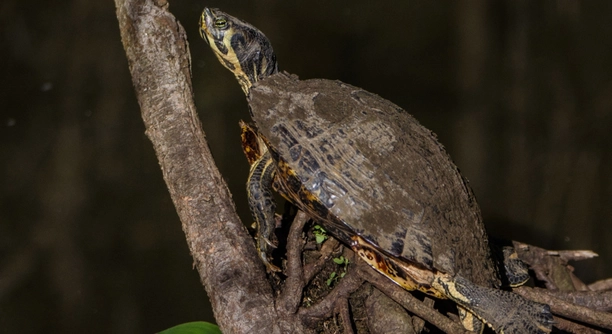
Yellow-Bellied Sliders are fascinating creatures, but when they start scratching their shells, it might be a cause for concern. This behavior can often be an indicator of something happening with your pet’s health or environment.
Shell scratching in Yellow-Bellied Sliders can be caused by various factors such as irritation, parasites, or improper tank conditions. It’s essential to investigate the specific cause to ensure the well-being of your pet and address any underlying issues.
Learning about the possible reasons behind your turtle’s behavior will help you provide the best care. Taking action early ensures your pet remains healthy and happy.
Common Causes of Scratching in Yellow-Bellied Sliders
There are several reasons why a Yellow-Bellied Slider may begin scratching its shell. One of the most common causes is shell rot, which can occur when the turtle’s shell becomes infected due to an injury or poor tank conditions. This may lead to discomfort, prompting the turtle to scratch to relieve irritation. Another reason might be the presence of parasites, which can affect the skin or shell. If your turtle is scratching excessively, it could be trying to ease the itching or discomfort caused by these invaders. Additionally, stress from unsuitable living conditions, such as a tank that is too small or water that is too dirty, may also cause your pet to engage in this behavior. Understanding the root of the scratching is key to providing the right care and treatment.
If your turtle is scratching its shell, you must first rule out any environmental issues. Check the temperature, water quality, and tank size to ensure it meets your turtle’s needs.
In some cases, the scratching behavior may not be a sign of an immediate health problem but rather a sign of general discomfort. If the tank conditions are fine and no visible wounds are present, it’s possible that the scratching is just a way for your turtle to stretch or keep its shell clean. Yellow-Bellied Sliders are naturally active and may scratch their shells simply as a part of their routine behavior. However, if you notice other symptoms such as swelling, discoloration, or signs of infection, it’s important to seek professional advice from a vet specializing in reptiles.
How to Prevent Shell Scratching
To prevent scratching, focus on creating a proper environment for your turtle. Maintaining a clean tank, ensuring the right temperature, and providing a spacious living area can make a significant difference.
Addressing these environmental factors will not only help your turtle avoid the need for constant scratching but will also promote its overall health. Be sure to keep the water clean and well-filtered to minimize bacteria or parasites that may lead to infection. Regular shell checks for any signs of damage or infection can also help catch issues early.
Shell Rot and Its Impact on Scratching Behavior
Shell rot occurs when bacteria or fungi infect the outer layer of the shell. This often leads to swelling, soft spots, or discoloration. If your turtle is scratching its shell, this could be due to irritation from an infected area. The discomfort caused by the infection may make the turtle try to relieve the itching by scratching.
If you notice any abnormal changes in the appearance of your turtle’s shell, it’s important to address it immediately. Clean the tank thoroughly, ensure proper lighting, and use a water filter to maintain water quality. Regularly check your turtle’s shell for signs of damage, and if symptoms of shell rot appear, it’s best to consult a vet. In many cases, medication or topical treatments may be necessary to treat the infection and prevent it from worsening.
A healthy shell is crucial for your turtle’s overall well-being. Shell rot can quickly progress if untreated, leading to deeper infections that may compromise the turtle’s health. Ensuring your turtle is living in clean, suitable conditions will reduce the risk of shell rot and keep them comfortable, preventing unnecessary scratching. Regular maintenance of their habitat is the best way to avoid such issues.
How Stress Can Lead to Scratching
Stress is another common factor that can contribute to excessive scratching. Yellow-Bellied Sliders are sensitive to changes in their environment. If their habitat isn’t optimal—such as water temperature fluctuations, overcrowding, or lack of hiding spaces—stress can cause them to scratch or engage in other abnormal behaviors. Providing a stable and quiet environment is key to reducing stress and preventing these behaviors.
Turtles are creatures of habit, and when they feel threatened or uncomfortable, their natural instincts may cause them to scratch. Ensuring that your turtle has enough space to move around, proper water temperature, and clean water can significantly reduce stress. A good practice is to observe their behavior closely and take note of any changes that could be triggering stress. Additionally, make sure that there are no other animals that might be harassing or stressing out your turtle. Keeping their environment calm and quiet is the first step in reducing stress-related behaviors like scratching.
Parasites and Their Role in Scratching
Parasites can cause your turtle to scratch its shell, as they irritate the skin and create discomfort. External parasites like mites or ticks often cling to the turtle’s shell and cause itching. This scratching helps the turtle relieve the irritation caused by these pests.
Regularly check your turtle’s skin and shell for any signs of external parasites. If you suspect your turtle is infested, you’ll need to carefully remove the parasites and treat the turtle with proper medications. Consult a vet if you’re unsure how to handle parasite-related issues, as professional help is sometimes necessary.
Tank Conditions and Scratching Behavior
Tank conditions like dirty water, improper temperatures, or lack of basking spots can make your turtle uncomfortable. Scratching may be a sign of environmental stress. Clean water, proper filtration, and maintaining the right humidity and temperature levels can help eliminate this issue. Adjust the environment to suit your turtle’s needs.
Making sure that your turtle’s tank is the right size, with appropriate basking spots and clean water, is essential for reducing stress and discomfort. Regular maintenance and monitoring of temperature and humidity will ensure your turtle has a happy, healthy environment.
FAQ
Why is my Yellow-Bellied Slider scratching its shell?
Scratching can be a sign of several issues. It might be caused by shell rot, parasites, or stress. If your turtle’s shell is infected or damaged, it might scratch to relieve discomfort. Stress from improper tank conditions, like dirty water or inadequate space, can also trigger this behavior. Always check the condition of the shell and the tank to rule out environmental factors and health issues.
How can I tell if my turtle has shell rot?
Shell rot often shows up as soft spots, discoloration, or a foul odor coming from the shell. The affected area may feel spongy or have a noticeable depression. If you see these signs, it’s important to consult a vet. Early intervention can prevent the infection from spreading and causing long-term damage.
Can parasites cause scratching in turtles?
Yes, external parasites like mites or ticks can irritate a turtle’s skin and shell. These parasites often cause itching and discomfort, leading to scratching. Regularly check your turtle for any visible parasites and remove them carefully. If the problem persists, seek advice from a reptile veterinarian to properly treat the infestation.
What should I do if my turtle is scratching a lot?
First, check your turtle’s living conditions. Ensure the water temperature and quality are appropriate, and the tank is spacious. Look for signs of shell rot or parasites. If the scratching continues or worsens, it’s best to consult a vet to identify any underlying health issues that need attention.
How often should I clean my turtle’s tank?
Your turtle’s tank should be cleaned regularly to maintain good water quality. At minimum, clean it once a week, but you may need to clean it more frequently if your turtle produces a lot of waste. Regularly change the water and scrub the tank to avoid any build-up of harmful bacteria or algae that can lead to health issues like shell rot.
What is the proper water temperature for my Yellow-Bellied Slider?
Yellow-Bellied Sliders require a water temperature of 75-80°F (24-27°C) to stay healthy. A basking area should be around 85-90°F (29-32°C) to allow your turtle to regulate its body temperature. Use a reliable thermometer to monitor the temperature and ensure your turtle is comfortable.
How do I know if my turtle is stressed?
Turtles may show signs of stress through behaviors such as scratching, hiding, or being unusually inactive. Changes in appetite or erratic swimming can also indicate stress. Stress can be caused by poor tank conditions, overcrowding, or environmental changes. Ensuring that your turtle has a stable and clean environment will help reduce stress.
Can I treat shell rot at home?
Mild cases of shell rot can sometimes be treated at home with proper care. Keep the shell clean, dry, and free from bacteria. You may use a mild antiseptic to disinfect the affected area, but severe cases should be treated by a vet. If you see any worsening signs, seek professional treatment.
Is it normal for my turtle to scratch its shell without showing any other symptoms?
If your turtle is only scratching occasionally and there are no other signs of illness, it may simply be cleaning its shell or stretching. However, if the scratching becomes more frequent or is accompanied by signs like swelling, redness, or an unpleasant odor, it’s important to investigate further.
What is the best way to prevent scratching in my turtle?
To prevent scratching, maintain optimal tank conditions. Keep the water clean and ensure it is at the right temperature. Provide plenty of space for your turtle to swim and bask. Regularly check for signs of shell rot or parasites. A stable environment will keep your turtle happy and reduce scratching behaviors.
How do I remove parasites from my turtle?
To remove parasites, first identify what type of parasite is affecting your turtle. External parasites can be carefully removed using tweezers or a soft brush. You may also need to treat your turtle with a vet-approved medication. It’s important to address the infestation quickly to prevent further discomfort or health issues.
Can scratching lead to injury?
Excessive scratching can lead to self-inflicted injuries, especially if your turtle is scratching at infected or damaged areas. This can cause open wounds, which might lead to further infection. It’s important to address the cause of the scratching before it becomes a more serious problem. If you notice any injuries, consult a vet immediately.
Should I use any special products to care for my turtle’s shell?
There are specific shell care products available, such as shell conditioners and cleansers. These can help maintain the health of the shell and prevent infection. However, always ensure that these products are safe for use with reptiles. Consulting with a vet will guide you in choosing the right products for your turtle.
How can I make my turtle’s habitat more comfortable?
Create a spacious, clean, and well-lit environment for your turtle. Ensure the water is filtered and kept at the correct temperature. Provide basking spots where your turtle can dry off and warm up. Adding decorations like rocks or logs can also give your turtle places to hide and feel secure.
What should I do if my turtle’s scratching doesn’t stop?
If the scratching persists despite addressing potential environmental factors, shell rot, and parasites, it’s best to consult a reptile vet. Persistent scratching could indicate a deeper health issue, such as an infection or underlying disease. A vet can diagnose the problem and offer the proper treatment.
Final Thoughts
If your Yellow-Bellied Slider is scratching its shell, it’s important to pay attention to the behavior and try to identify the underlying cause. While occasional scratching can be normal for a turtle, persistent or excessive scratching could be a sign of a health issue. Common causes of scratching include shell rot, external parasites, and stress from poor tank conditions. Each of these factors can be addressed with proper care and attention, ensuring your turtle remains healthy and comfortable.
Regularly maintaining your turtle’s environment is crucial. Clean water, the right temperature, and ample space to swim and bask are the foundation of a happy and healthy turtle. Stress caused by improper tank conditions can lead to behaviors like scratching, so it’s important to regularly check the tank for cleanliness, correct water parameters, and appropriate hiding or basking spots. Ensuring that your turtle’s living space is suitable for its needs can prevent many potential health problems. It’s also essential to keep an eye on the condition of the shell and monitor for any signs of damage or infection that could require immediate attention.
If the scratching persists or if other symptoms such as swelling, discoloration, or a foul odor appear, it’s best to consult a reptile vet. They can help diagnose any underlying health problems, like shell rot or parasite infestations, and recommend the best course of action for treatment. Prompt action will ensure that your turtle stays healthy and happy. With a little care and observation, most causes of scratching can be addressed early, allowing your turtle to thrive in its habitat without unnecessary discomfort.

Hello,
If you enjoy the content that we create, please consider saying a "Thank You!" by leaving a tip.
Every little bit helps us continue crafting quality advice that supports the health, happiness, and well-being of pets around the world, for pets of all shapes, sizes, and species.
We really appreciate the kindness and support that you show us!