
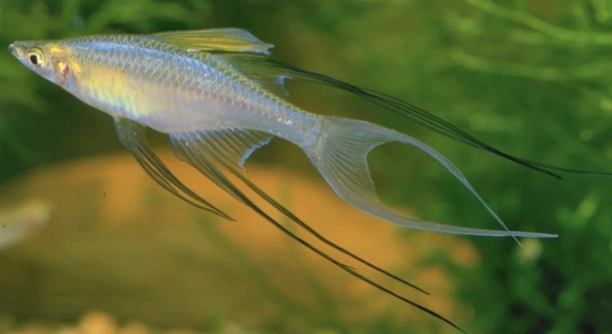
Getting threadfins to accept new foods can be a slow process, especially if they are used to their usual diet. Many owners face the challenge of expanding their fish’s nutrition safely and effectively over time.
The most effective approach involves gradually introducing new foods while maintaining consistent feeding schedules. Alternating familiar and novel items in small amounts encourages acceptance, reduces stress, and ensures nutritional variety without disrupting established eating patterns or causing aversion behaviors.
By following these practical steps, you can help your threadfins enjoy a wider range of foods and improve their overall diet.
Understanding Threadfins’ Eating Habits
Threadfins are naturally cautious when it comes to new foods. They often prefer what they are familiar with, and sudden changes in diet can cause stress or refusal to eat. Observing their current feeding patterns is essential. Notice the times they are most active and which types of food they show interest in. Some threadfins respond better to live or fresh foods, while others may accept frozen or prepared options. Gradually introducing changes helps reduce anxiety and promotes acceptance. Feeding in small portions multiple times a day encourages natural foraging behavior. Maintaining consistent water conditions and minimizing distractions during feeding also improves success rates. By understanding their preferences and behavior, you can plan an approach that encourages healthy eating habits without overwhelming them. Patience and consistency are key when attempting dietary changes, ensuring the threadfins remain healthy and energetic throughout the process.
Observing patterns over a week helps identify which foods are more likely to be accepted by each fish.
Gradual introduction is critical. Begin by mixing small amounts of the new food with familiar items. Monitor reactions closely and adjust portions accordingly. Avoid forcing food, as threadfins may associate stress with new items. Once they accept a small portion consistently, increase the amount slowly. Repetition and consistency strengthen positive associations with the new diet. Using feeding tools like tongs or spreading food in multiple areas can reduce competition and encourage exploration. Environmental factors such as lighting, water flow, and tank size can influence willingness to try different foods. Keeping the feeding area calm and predictable supports better adaptation. Tracking progress with notes or photos helps determine which strategies are most effective. Over time, most threadfins will accept a broader range of foods, improving overall nutrition and reducing selective eating tendencies.
Introducing New Foods Gradually
Start by offering tiny amounts of the new food alongside the usual diet to prevent refusal.
Consistency is essential when introducing new foods. Offer the new item at the same time daily and in the same location. This creates a predictable routine that reduces stress and encourages trial. Combining familiar foods with the new option masks unfamiliar flavors and textures, making them less intimidating. Rotate different types of new foods to maintain variety and prevent boredom. Monitor each feeding closely, noting which foods are partially eaten or completely rejected. If a new food is ignored for several feedings, pause and try a different type or preparation method, such as chopping or softening it. Ensuring water quality remains stable during this process is crucial, as sudden changes can discourage feeding. Over time, threadfins will associate these small, consistent offerings with positive experiences, gradually expanding their diet without causing stress or aversion. This method strengthens both acceptance and nutritional diversity, benefiting long-term health.
Using Appealing Textures
Threadfins often respond to texture as much as taste. Soft, small pieces are easier to consume than large, firm chunks, especially for younger or smaller fish.
Offering a variety of textures helps maintain interest. Some threadfins prefer finely chopped or shredded items, while others enjoy small, dense pellets or flakes. Rotating textures keeps them engaged and encourages exploration. Combining textures in a single feeding can increase acceptance of new foods. Observing which textures are eaten first allows you to adjust future feedings. This approach also helps identify individual preferences, which can vary widely within a single tank. Gradually changing textures over time supports a smoother transition to unfamiliar items.
Softening frozen or dried foods in water before feeding can make them more appealing. Threadfins may hesitate to try hard or dry items initially. Alternating soft and firm foods encourages experimentation while ensuring they still receive nutrients from familiar items. Tracking their reactions allows you to fine-tune texture combinations for the best results.
Consistency in texture presentation is important. Feeding similar textures at the same time daily reinforces positive associations. Mixing textures gradually prevents rejection while introducing new options. Observing their responses informs future adjustments, ensuring all fish in the tank adapt comfortably.
Temperature and Presentation
Threadfins may reject foods that are too cold or presented inconsistently. Maintaining a stable, appropriate temperature improves acceptance.
Warming frozen or refrigerated items slightly can make them more recognizable and easier to eat. Foods presented at the same depth or location in the tank reduce hesitation and stress. Small, gradual changes in temperature or position help threadfins adapt without causing refusal. Ensuring food sinks or floats naturally, depending on their typical feeding behavior, encourages natural foraging. Presentation consistency strengthens positive feeding habits while minimizing wasted food. Observing how they respond to different presentation methods guides adjustments for better acceptance.
Proper presentation also involves timing. Offering new foods during peak activity periods ensures the fish are alert and motivated. Avoid introducing multiple changes at once, as this can overwhelm them. Using the same tools or techniques for each feeding session reduces stress. Monitoring their behavior allows fine-tuning of presentation style, ensuring the new diet becomes a regular part of their routine. Over time, these small adjustments in temperature and placement increase overall food acceptance, supporting healthier feeding patterns and improved nutrition for all threadfins.
Pairing New Foods with Favorites
Introducing new foods alongside favorites increases acceptance. Threadfins are more likely to try unfamiliar items when they see familiar foods.
Start by mixing a small portion of the new food with their usual diet. Gradually increase the amount of the new food while reducing the old.
Observing and Adjusting
Closely monitor how threadfins react to new foods. Take note of partial consumption, hesitation, or outright refusal. Adjust feeding strategies based on their responses. Some may need more time or smaller portions to accept changes.
Maintaining a Calm Environment
Stress can prevent threadfins from trying new foods. Keep the tank quiet and avoid sudden movements during feeding.
FAQ
How long does it take for threadfins to accept new foods?
The timeline varies depending on the individual fish and the type of food introduced. Some threadfins may try new items within a few days, while others take several weeks. Consistency and patience are essential. Offering small amounts regularly helps them adjust without stress. Avoid rushing the process or forcing food, as this can create aversion and make future introductions more difficult. Track their progress and make incremental adjustments to portions and presentation, ensuring they gradually build familiarity with the new items.
Can threadfins eat frozen or dried foods?
Yes, threadfins can eat both frozen and dried foods. Frozen items often retain more nutrients and resemble natural prey, making them appealing. Dried foods, such as pellets or flakes, are convenient and shelf-stable but may need to be softened in water before feeding. Combining both types ensures variety and balanced nutrition. Observe which forms are eaten more readily to adjust your feeding routine. Introducing new textures gradually helps the fish adapt to different consistencies without hesitation or stress.
What is the best way to mix new foods with their current diet?
Start with a small amount of the new food mixed with a larger portion of familiar items. Gradually increase the ratio of the new food while reducing the old. This creates a positive association and reduces the risk of rejection. Monitor their reactions closely to determine if adjustments are needed. If the new food is ignored repeatedly, try chopping it into smaller pieces or softening it. Using consistent feeding times and locations also strengthens their comfort level and encourages acceptance over time.
Should temperature of the food matter?
Yes, food temperature affects acceptance. Cold items straight from the fridge or freezer may be less appealing. Slightly warming frozen foods or allowing refrigerated items to reach room temperature can improve recognition and palatability. Presenting foods at a consistent temperature also reduces hesitation and encourages natural feeding behavior. Small adjustments to temperature can make new foods easier to try and help the fish feel more comfortable during feeding sessions.
What if my threadfins still refuse certain foods?
Refusal is normal at first. Some threadfins may be more selective and require extra time. Break the food into smaller pieces, soften it in water, or pair it with a highly favored item. Avoid feeding large amounts repeatedly, as this can lead to waste and frustration. Observe their preferences and adapt accordingly. Persistence and consistency often lead to gradual acceptance. Some foods may never be fully embraced, so focus on providing a balanced diet with multiple options.
How often should I offer new foods?
Introduce new foods in small portions once or twice a day alongside the regular diet. Repetition without overwhelming them is key. Gradually increasing frequency as they show interest supports adaptation. Maintain consistent timing and portion size to reinforce positive feeding behavior. Over time, this routine encourages exploration and acceptance while maintaining overall nutrition.
Can stress affect feeding habits?
Yes, stress significantly impacts willingness to try new foods. Loud noises, rapid movements, or sudden changes in the tank environment can cause hesitation. Keep the tank calm, maintain stable water conditions, and feed at predictable times. A relaxed environment increases the chances of successful dietary introductions. Reducing stress also improves overall health and appetite.
Is it necessary to track progress?
Tracking progress helps identify which foods are accepted and which need more time. Use notes, photos, or logs to monitor consumption, portion sizes, and behavioral responses. This allows you to adjust feeding strategies effectively. Tracking also helps identify patterns, such as times of day when the fish are more willing to experiment. Consistent monitoring ensures gradual and successful integration of new foods into their diet.
Can presentation style impact acceptance?
Yes, how food is offered affects willingness to eat. Present items at consistent locations and depths in the tank. Spread food to encourage exploration and prevent competition. Small adjustments, like changing the position or using tongs, can improve acceptance. Proper presentation supports natural feeding behaviors and reduces rejection of unfamiliar foods.
Are there long-term benefits to diversifying their diet?
Expanding their diet improves nutrition, supports growth, and enhances overall health. A varied diet prevents deficiencies and stimulates natural foraging instincts. Over time, threadfins become less selective, which simplifies feeding and ensures they receive essential nutrients. Diversification also helps maintain energy levels, vitality, and resilience against illness, supporting a healthier and more active fish population in the tank.
How do I know if a food is safe for threadfins?
Only offer foods formulated for marine or freshwater species compatible with threadfins. Avoid items with additives, artificial colors, or preservatives that could be harmful. Research each food type and observe the fish for any adverse reactions. Safe foods promote healthy growth, energy, and immune function. Introducing one new food at a time helps detect potential issues before widespread feeding.
Can I use live foods to encourage new eating habits?
Live foods are effective for enticing threadfins, especially for picky eaters. They stimulate natural hunting behavior and curiosity. Combine live items with new frozen or prepared foods to create positive associations. Monitor consumption closely and ensure live foods are free from parasites or contaminants. Using live foods strategically accelerates acceptance of other dietary options and enhances overall nutrition.
How important is patience in this process?
Patience is essential. Rushing changes can stress threadfins and lead to refusal or illness. Gradual introduction, consistent routines, and careful observation ensure foods are accepted safely. Every fish adapts differently, and respecting their pace guarantees healthier feeding habits and long-term dietary success.
What are signs that a threadfin has accepted a new food?
They consume the new item without hesitation, show eagerness during feeding, and maintain normal behavior afterward. Eating consistently over multiple feedings indicates acceptance. Reduced waste and leftover food also suggest the diet change is successful. These signs confirm that your gradual approach is effective.
How do I deal with multiple fish having different preferences?
Offer a variety of foods simultaneously to cater to individual tastes. Observe which fish eat which items and adjust portioning accordingly. Using separate feeding zones or tools can prevent competition and ensure each fish gets its preferred diet. Gradual adjustments help all fish adapt without stress.
Is it okay to rotate foods regularly?
Yes, rotation prevents boredom and ensures nutritional variety. Alternate types, textures, and forms to maintain interest. Consistent rotation, combined with gradual introduction, encourages acceptance while promoting a balanced diet. Tracking reactions helps refine rotation schedules for optimal results.
Can pairing new foods with live or favorite foods improve results?
Yes, combining new foods with items they already enjoy makes them more appealing. This association reduces hesitation and encourages trial. Over time, they begin to accept the new food on its own. The pairing method is effective for introducing multiple dietary options gradually.
What is the safest way to introduce supplements or vitamins?
Incorporate supplements slowly into familiar foods. Ensure dosage is appropriate and distributed evenly. Gradually increase frequency as acceptance improves. Monitor for any digestive issues or behavioral changes. This method ensures nutritional benefits without stressing the fish or causing refusal of essential items.
How do I prevent overfeeding during the introduction phase?
Offer small portions of both new and familiar foods. Remove uneaten items promptly to avoid water contamination. Track intake to avoid excess calories. Overfeeding can reduce interest in new foods and harm water quality. Controlled portions encourage consistent feeding habits and successful dietary adaptation.
Can environmental enrichment support new food acceptance?
Yes, adding hiding spots, plants, or substrate encourages natural foraging. This reduces stress and makes threadfins more willing to explore new foods. Enrichment stimulates activity, curiosity, and healthier feeding behavior, improving acceptance of unfamiliar items.
What should I do if a food causes digestive issues?
Immediately stop offering the problematic item. Monitor the fish for signs of stress or illness. Introduce alternative foods gradually and consult nutritional guidelines for threadfins. Ensuring safe and digestible options maintains health while expanding the diet successfully.
How can I make feeding sessions more predictable?
Feed at the same times daily, using consistent amounts and locations. Predictability reduces stress and encourages trial of new foods. Consistent routines support natural feeding behaviors and reinforce acceptance of dietary changes.
Are there foods that should be avoided entirely?
Avoid foods with high preservatives, artificial coloring, or inappropriate nutrients. Certain human foods or untreated live items may carry bacteria or toxins. Stick to species-appropriate options to prevent illness, digestive problems, and long-term health issues.
What if one fish dominates the feeding area?
Use multiple feeding points or tools to distribute food evenly. Separating aggressive or faster eaters from others ensures all fish have access to new items. Gradual adaptation and observation prevent stress and encourage equal participation in diet changes.
How do I know when to stop pairing new foods with favorites?
Once the new food is consistently eaten without hesitation, reduce the amount of the favorite food gradually. Monitor acceptance over several feedings before eliminating the old item completely. This ensures smooth transition and long-term dietary variety.
Can repeated failure affect their willingness to try new foods later?
Yes, repeated negative experiences can make threadfins wary. Slow, positive reinforcement, small portions, and consistent routine help prevent lasting aversion. Patience and careful monitoring are critical for long-term acceptance of new foods.
Is it better to introduce one food at a time or multiple items?
Introducing one food at a time is safer. It allows you to monitor reactions and detect issues easily. Multiple new foods simultaneously can overwhelm or confuse the fish, reducing acceptance. Gradual, controlled introduction ensures successful dietary expansion.
Can tank mates influence acceptance of new foods?
Yes, observing others eating new foods can encourage hesitant fish. Dominant or confident fish may model behavior, prompting others to follow. Pairing cautious fish with experienced feeders in small doses can increase willingness to try unfamiliar items.
How do I balance nutrition while introducing new foods?
Ensure that familiar foods continue to provide essential nutrients while new items are gradually added. Monitor portions, rotation, and consumption to maintain a balanced diet. Diversifying slowly prevents deficiencies while supporting overall health and growth.
Are live, frozen, and dried foods equally important?
Each type serves a role. Live foods stimulate hunting behavior and encourage interest, frozen foods preserve nutrients, and dried foods offer convenience and consistency. A balanced combination supports growth, vitality, and adaptation to a broader diet.
How do I manage picky eaters among multiple threadfins?
Observe individual preferences and adjust portioning. Offer varied textures and presentation methods. Use separate feeding zones if necessary. Gradual introduction of new items ensures all fish have opportunities to accept new foods without stress.
Can seasonal changes affect feeding behavior?
Yes, water temperature, light, and seasonal variations can influence appetite. Adjust feeding times, portion sizes, and presentation accordingly. Awareness of these factors helps maintain consistent acceptance of new foods year-round.
What signs indicate a balanced diet after introducing new foods?
Healthy growth, consistent energy levels, normal behavior, and minimal leftovers suggest the diet is balanced. Fish should actively feed on a variety of items, indicating acceptance and nutritional adequacy. Regular monitoring ensures continued success.
How do I prevent wastage during experimentation?
Offer small portions and remove uneaten items promptly. Track consumption and adjust quantities based on acceptance. This reduces waste and maintains water quality while allowing gradual introduction of new foods.
Can repeated exposure alone make a food acceptable?
Yes, repeated positive exposure over time increases familiarity and acceptance. Consistency, calm environment, and pairing with familiar foods strengthen positive associations, encouraging trial and eventual consumption of previously rejected items.
Is it necessary to change feeding tools when introducing new foods?
Not always, but using tongs or separate containers can help control portions and prevent aggression. Consistent handling ensures the fish associate feeding with a calm and predictable routine, supporting acceptance of new foods.
How important is timing of introduction during the day?
Timing affects willingness to try new foods. Offer new items when threadfins are most active and hungry. Consistent daily timing reduces hesitation and increases the likelihood of successful acceptance.
Can gradual reduction of old foods help adoption of new ones?
Yes, slowly decreasing familiar foods while increasing new items encourages acceptance. Abrupt removal can cause stress, while gradual changes allow the fish to adapt naturally and maintain proper nutrition.
What is the role of observation in this process?
Careful observation helps identify preferences, acceptance rates, and potential issues. It guides adjustments in portioning, texture, presentation, and environmental conditions. Continuous monitoring ensures the introduction of new foods is effective and safe.
How do I handle multiple refusals without stressing the fish?
Pause the problematic item and offer familiar foods to maintain appetite. Reintroduce slowly later using smaller portions, improved presentation, or pairing with preferred foods. Patience prevents stress and encourages eventual acceptance.
Can offering variety too quickly be counterproductive?
Yes, too many new foods at once can overwhelm threadfins. Introduce one item at a time or pair with a familiar favorite to ensure gradual acceptance. Controlled variety supports adaptation and reduces rejection risk.
How can I track which foods are most effective?
Keep a log of food type, texture, portion size, consumption, and reactions. Note partial consumption, refusals, and changes in behavior. Over time, this data identifies preferred items and informs future feeding strategies.
Are there signs of nutrient deficiencies during food transition?
Watch for slow growth, lethargy, pale coloration, or reduced appetite. These may indicate insufficient nutrition. Ensure familiar and new foods together provide balanced nutrients to prevent deficiencies.
Should new foods be offered at all feedings initially?
Start with one or two feedings per day. Offering at every feeding can overwhelm or stress the fish. Gradual integration ensures positive association while maintaining nutrition from familiar foods.
Can certain foods be used as incentives?
Yes, favorite items can motivate trial of new foods. Pairing less-preferred items with highly favored foods encourages acceptance and creates positive reinforcement without forcing consumption.
How do I ensure long-term success with new foods?
Maintain consistency, track progress, rotate items gradually, and observe preferences. Provide balanced nutrition, manage stress, and adjust portioning. Patience and careful monitoring ensure threadfins continue to accept a varied diet safely and consistently.
What is the best approach if some foods are never accepted?
Focus on alternatives that provide similar nutrients. Not all foods will be embraced. Ensure a balanced diet using items the fish do accept. Gradual experimentation can continue, but prioritize overall health.
Can presentation with natural movements help?
Yes, moving food slightly or mimicking prey behavior can entice fish to explore new items. This triggers natural feeding instincts and increases willingness to try unfamiliar foods.
How can I prevent selective eating in the future?
Offer a variety of foods early and consistently. Rotate textures, types, and presentation methods. Gradual introduction and pairing with favorites reduces the likelihood of long-term pickiness.
Are supplements necessary if the diet is diversified?
If foods are nutrient-rich and varied, supplements may not be required. Assess diet completeness and only add vitamins or minerals if deficiencies are likely. Monitoring health ensures balanced nutrition.
How do I encourage less active fish to try new foods?
Place items closer to their usual position in the tank, reduce competition, and offer softer textures. Small, gradual exposure encourages trial without stress.
Can I combine multiple strategies at once?
Yes, combining texture variation, pairing with favorites, consistent presentation, and temperature adjustments often yields the best results. Monitor responses carefully to avoid overwhelming the fish.
How do I know if my threadfins are thriving on the new diet?
Signs include consistent eating, active swimming, bright coloration, and stable health indicators. Minimal leftover food and eagerness at feeding times show the diet is successful and accepted.
What role does social learning play?
Observing other fish eat new foods encourages hesitant individuals. Confident feeders can model acceptance, making new items more approachable for less adventurous fish.
Can environmental changes improve acceptance of new foods?
Yes, stable water conditions, proper lighting, and minimal disturbances reduce stress and improve willingness to explore unfamiliar foods. Gradual adjustments support successful dietary transition.
Should I document feeding strategies?
Yes, documenting foods, textures, portions, and responses helps refine techniques and ensures consistent, effective approaches for current and future feedings.
How often should I review feeding progress?
Weekly monitoring is recommended. Review logs, observe behavior, and adjust portions or presentation as needed. Frequent review ensures continued acceptance and healthy nutrition.
Is it okay to give up on some foods?
Yes, if a food is repeatedly rejected, focus on alternatives that provide necessary nutrients. Avoid forcing items to prevent stress or aversion. Gradual experimentation can continue with other options.
What is the main takeaway for introducing new foods?
Patience, consistency, careful observation, and gradual changes are key. Combining familiar items, adjusting textures, temperature, and presentation encourages acceptance while maintaining overall health.
How do I handle sudden changes in appetite during transitions?
Pause the new food if appetite drops. Offer familiar items to restore eating habits. Reintroduce gradually later while monitoring reactions. Ensuring a calm and predictable environment prevents long-term feeding issues.
Can I use seasonal or fresh variations of foods?
Yes, rotating seasonal or fresh items provides variety and improves nutrition. Introduce gradually and observe acceptance. This supports a diverse diet without causing stress or rejection.
Are there common mistakes to avoid?
Avoid forcing food, introducing multiple items at once, skipping observation, and neglecting stress factors. Consistency, patience, and careful monitoring are essential for success.
How do I balance individual and group feeding needs?
Offer varied portions in multiple locations to accommodate preferences. Observe individual consumption while maintaining overall nutrition for the group. Gradual, careful introduction ensures all fish benefit without stress or competition.
Is it okay to adjust strategies mid-transition?
Yes, adjusting portion sizes, presentation, textures, or pairing methods is normal. Monitor responses closely and implement changes gradually to maintain progress and reduce stress.
Can supplements be integrated with new foods?
Yes, sprinkle appropriate doses onto familiar or softened foods. Gradually increase as acceptance improves. Monitor health indicators to ensure proper nutrition without overloading.
How do I maintain interest in new foods long-term?
Rotate items, vary textures, and continue pairing occasionally with favorites. Consistency in routine and gradual introduction prevents boredom while ensuring ongoing acceptance and balanced nutrition.
What is the most important factor in success?
Patience combined with careful observation and consistency ensures threadfins gradually accept new foods while remaining healthy, active, and well-nourished.
Can combining several small strategies accelerate acceptance?
Yes, using texture variation, pairing with favorites, controlled presentation, and gradual temperature adjustments together often speeds up acceptance. Monitor responses closely to avoid overwhelming the fish.
How do I address selective eating in older threadfins?
Older fish may be more set in their habits. Gradual introduction, pairing with preferred foods, and careful monitoring help expand diet without causing stress or refusal. Consistency is key.
Is it necessary to separate aggressive feeders?
Yes, separating dominant fish during new food introduction ensures all fish
Final Thoughts
Introducing new foods to threadfins requires patience, observation, and consistency. Each fish is different, and some will be more willing to try new items than others. It is normal for threadfins to hesitate at first, especially if they are used to a limited diet. The key is to introduce changes gradually, giving them time to adapt without stress. Small portions of new foods mixed with familiar items work best. Over time, repeated exposure helps the fish become comfortable with unfamiliar textures, flavors, and presentations. Consistent feeding routines also support acceptance, as threadfins respond well to predictable schedules. Watching their reactions closely allows for adjustments to portion size, texture, and presentation, ensuring a smooth transition to a more varied diet.
A calm and stable environment greatly impacts the willingness of threadfins to try new foods. Sudden movements, loud noises, or abrupt changes in water conditions can discourage feeding. Keeping the tank environment quiet, maintaining water quality, and feeding at the same locations daily reduces stress and encourages exploration. Presentation style matters too. Foods placed at consistent depths or spread across different areas of the tank make it easier for threadfins to discover and try them. Some fish respond better to softer textures or smaller pieces, while others prefer firmer foods. Using a combination of textures and gradually adjusting consistency can improve acceptance. Observation is essential throughout this process, as it helps identify individual preferences and guides future feeding strategies.
Maintaining a varied diet is essential for the overall health and vitality of threadfins. Offering a mix of live, frozen, and prepared foods ensures they receive balanced nutrition while also encouraging natural foraging behavior. Pairing new foods with favorites can make the introduction process less stressful and more successful. Tracking progress, noting which foods are accepted, and adjusting portions or presentation accordingly helps maintain a steady routine. Over time, most threadfins will accept a wider variety of foods, which reduces selective feeding and supports long-term health. With patience, consistent effort, and careful observation, expanding the diet of threadfins becomes a manageable process that benefits both the fish and their caretakers.

Hello,
If you enjoy the content that we create, please consider saying a "Thank You!" by leaving a tip.
Every little bit helps us continue crafting quality advice that supports the health, happiness, and well-being of pets around the world, for pets of all shapes, sizes, and species.
We really appreciate the kindness and support that you show us!