
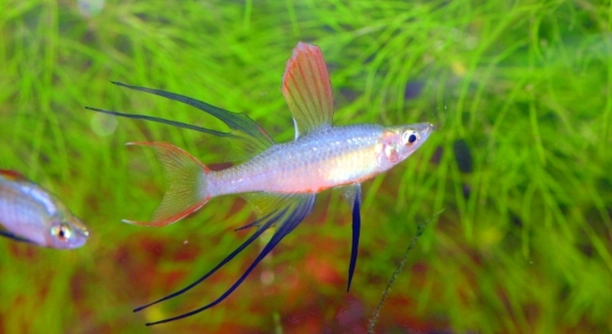
Do your threadfins swim around their tank, gently brushing past plants as if checking their surroundings? These graceful fish often interact with their environment in subtle ways, creating a sense of rhythm and balance within their aquatic home. Their behavior can be surprisingly observant, revealing small habits that hint at awareness.
Threadfins do notice when a plant is removed. Their sensory systems allow them to detect changes in their environment, including the absence of familiar structures. This awareness can affect swimming patterns, exploration behavior, and interactions with remaining tank elements.
Understanding these responses helps maintain a stable environment for threadfins and ensures their comfort. Observing their behavior can provide valuable insight into their well-being.
How Threadfins React to Changes
When a plant is removed from a tank, threadfins often react quickly. They may swim in circles near the empty spot, pause to investigate, or even nudge other plants. These fish rely on familiar structures to feel secure, and sudden changes can make them cautious. Observing their behavior reveals how sensitive they are to environmental shifts. Even small adjustments in tank layout, such as moving decorations or adding new plants, can trigger noticeable responses. Over time, threadfins learn to adapt, but their initial reaction shows that stability in their surroundings is important. Watching these patterns helps aquarists understand what makes threadfins comfortable and what might stress them. Their reactions are subtle yet telling, often including changes in swimming speed, position in the tank, and interactions with other fish. Regular observation allows owners to maintain a harmonious and supportive aquatic environment for these fish.
These responses highlight the need for careful planning when adjusting a tank’s setup.
By noticing how threadfins interact with the absence of plants, aquarists can make informed decisions. Careful introduction of new elements or gradual rearrangement minimizes stress. Threadfins show patience but remain cautious, often testing the area before returning to normal routines. Providing hiding spots and maintaining some familiar structures helps them feel secure. Over time, consistent observation of their behavior allows for a well-balanced environment where these fish can thrive. Understanding their sensitivity also helps prevent sudden disruptions that could affect feeding patterns or social interactions. Adjustments in plant placement, decorations, and tank organization should consider their natural instincts. Threadfins value predictability and structure, and meeting these needs promotes healthy activity and reduces anxiety. Observing their curiosity and cautious investigation gives insight into their intelligence and environmental awareness. Gradual changes encourage confidence while maintaining the peaceful dynamics of the tank. A well-planned setup ensures they remain active, healthy, and engaged with their surroundings.
Maintaining a Stable Environment
Keeping the tank consistent reduces stress for threadfins. Sudden removal of plants can disrupt swimming habits, feeding routines, and interactions with other fish.
Gradual adjustments help threadfins adapt without causing panic. When adding or removing plants, it’s best to do so slowly, allowing them to explore new spaces in a controlled way. Stability also includes water conditions, lighting, and tank decoration placement. Consistent routines encourage natural behaviors and improve overall health. Stress from environmental changes can reduce appetite and increase aggression, so gradual modifications prevent negative outcomes. Threadfins respond better when familiar elements remain, giving them comfort while they adjust. Providing multiple hiding spots and areas for exploration ensures they feel secure. Observing their response to small changes helps predict how they will react to larger adjustments. A carefully maintained tank supports healthy activity, social interactions, and long-term well-being. Prioritizing stability allows threadfins to thrive while adapting to their evolving aquatic environment.
Observing Behavioral Changes
Threadfins often linger near the area where a plant was removed. Their swimming slows, and they seem to explore cautiously. Subtle shifts in position or fin movement can indicate they are aware of the change and adjusting to the new layout.
These fish display curiosity and caution simultaneously. After a plant is removed, threadfins may repeatedly circle the empty space, pausing to investigate from different angles. Some may interact with nearby plants more frequently, using them as temporary cover. Others might hover near tank walls or decorations they usually ignore. These behaviors show that even minor environmental changes influence their patterns. Watching these adjustments provides insight into how threadfins perceive their surroundings. Over time, they may return to normal routines, but initial reactions are often clear and measurable.
It is also common for threadfins to temporarily avoid areas of the tank that feel exposed. Their sense of security relies on consistent visual cues, so missing plants can disrupt their confidence. Providing alternative cover or gradually removing plants allows them to adapt more smoothly. Some threadfins explore new spaces more readily than others, reflecting individual personalities and levels of boldness. Observing how each fish responds helps tailor tank adjustments to minimize stress. This understanding improves overall management, keeping the environment engaging without causing unnecessary disruption. Gradual changes support healthy behavior and reinforce familiar routines.
Environmental Factors Influencing Awareness
Water clarity and lighting play a significant role in threadfins noticing changes. Clear water and consistent lighting make missing plants more obvious to them.
Other environmental factors also affect their reactions. Water temperature, flow, and the presence of other fish can influence how threadfins respond to a plant removal. Strong currents may encourage faster movement, masking subtle behavioral shifts, while calm water allows for more noticeable exploration. The number and arrangement of remaining plants can either comfort or stress them. If multiple plants remain, threadfins may quickly adapt, but a nearly bare tank increases sensitivity. Social dynamics also matter; a dominant fish may monopolize safe spots, causing others to react more cautiously. Consistent environmental conditions support predictable behavior, allowing threadfins to regain routine patterns more easily. Regular monitoring ensures the tank remains stable while accommodating their natural responses.
Signs of Stress
Threadfins may show stress when a plant is removed, including erratic swimming or hiding more than usual. These subtle cues indicate they are adjusting to the change and seeking familiar cover for comfort.
Increased aggression or competition for remaining plants can also occur. Stress responses vary between individual fish but are often temporary.
Encouraging Adaptation
Gradually introducing changes helps threadfins adapt without long-term stress. Adding new plants slowly or rearranging decorations in small steps allows them to explore safely. Observing reactions during these adjustments ensures they remain comfortable. Providing multiple hiding spots and maintaining some familiar areas encourages confidence and reduces anxiety. Adaptation is smoother when changes are predictable and consistent.
Maintaining Routine
Keeping feeding and cleaning schedules consistent supports stability. Threadfins rely on routine to feel secure, even when their environment changes.
FAQ
Do threadfins always notice when a plant is removed?
Yes, threadfins generally notice when a plant is removed, though the intensity of their reaction can vary. Some fish investigate immediately, circling the empty spot, while others take a more cautious approach. Their natural instincts make them sensitive to environmental changes, especially in a tank where plants provide security and hiding spaces. Noticing these changes helps them maintain awareness of potential threats and navigable areas within the tank.
How long does it take for threadfins to adapt to the absence of a plant?
Adaptation depends on the individual fish and the tank setup. Some threadfins adjust within a few hours, while others may take several days to return to normal swimming and exploration patterns. Providing alternative hiding spaces and keeping the environment consistent accelerates the process. Observing their behavior during this period helps ensure they are coping well and not showing prolonged signs of stress. Gradual adjustments to tank layout also improve adaptation.
Can removing a plant affect their social behavior?
Yes, the removal of a plant can influence interactions among tank mates. Threadfins may compete for remaining shelter or temporarily become more cautious in their swimming. Dominant fish might take over safer areas, while others hide or avoid confrontation. These social changes are usually temporary, and restoring balance with additional cover or rearranging tank elements gradually can help normalize interactions. Monitoring the tank after changes ensures all fish remain comfortable and stress is minimized.
What signs indicate threadfins are stressed after a plant is removed?
Common signs include erratic swimming, hiding more than usual, or avoiding areas that were previously safe. Some may become less active or show increased aggression toward other fish. Stress can also appear in changes to appetite or fin movement. Recognizing these signs early allows for adjustments to tank layout, providing extra cover, or restoring familiar plants to reduce stress. Maintaining stable water conditions and consistent routines further supports their well-being during these periods.
Is it better to remove plants gradually or all at once?
Gradual removal is generally better. Slowly adjusting the tank allows threadfins to explore the space safely and reduces sudden stress. Immediate removal of multiple plants can cause significant disruption, affecting swimming patterns and social behavior. Small, controlled changes help them adapt naturally, maintaining confidence in their surroundings. Providing alternative hiding spots during transitions ensures they continue to feel secure while exploring the new layout.
Do all threadfins react the same way to plant removal?
No, reactions vary based on personality, previous experiences, and tank dynamics. Some fish are naturally bolder and investigate the empty space quickly, while others are cautious and avoid the area for longer periods. Understanding these differences helps in designing a tank layout that accommodates individual needs and reduces stress. Observing behavior over time provides insight into each fish’s comfort level and adaptation speed.
Can replacing a removed plant with a new one help them adjust?
Yes, introducing a new plant can provide familiar structure and cover, easing the transition. Threadfins respond well when alternative hiding spaces or visual barriers are available. Gradual introduction of the new plant, combined with careful observation, allows them to explore safely and regain confidence. The new plant helps maintain environmental enrichment while supporting their natural instincts to navigate and seek shelter.
Does plant removal affect feeding habits?
It can, especially if the fish feel exposed or stressed. Threadfins may hesitate to leave hiding spots or swim openly to reach food. Maintaining a consistent feeding routine and providing food near familiar areas can reduce disruption. Over time, as they adapt to the new layout, feeding behavior typically returns to normal. Careful monitoring ensures they continue receiving proper nutrition without added stress.
How important is water quality during plant removal?
Water quality remains crucial. Changes in plants can affect filtration, oxygen levels, or waste accumulation. Keeping water parameters stable reduces additional stress on threadfins during adjustments. Regular testing and maintenance, along with gradual plant changes, help ensure their environment stays healthy and supportive for adaptation.
Are there long-term effects if a plant is removed abruptly?
Abrupt removal can temporarily increase stress and alter behavior, but long-term effects are usually minimal if the tank is otherwise stable. Providing cover, maintaining routines, and allowing time for adaptation mitigates potential negative outcomes. Observing fish carefully ensures they regain normal patterns and remain healthy over time.
Can rearranging other decorations help compensate for removed plants?
Yes, adding new decorations or repositioning existing ones can create cover and visual barriers. This helps threadfins feel secure and reduces stress caused by missing plants. Careful placement allows exploration while maintaining a sense of safety, supporting natural behavior and social interactions. Gradual changes are preferable to sudden rearrangements.
Is it necessary to monitor fish more closely after removing plants?
Absolutely. Monitoring ensures stress signs are detected early, feeding habits remain normal, and social interactions stay stable. Observing behavior for a few days after changes allows adjustments to tank layout or care routines to support the fish effectively. Regular observation helps maintain a healthy environment.
Can adding floating plants help after removal of substrate plants?
Floating plants provide cover from above and can give threadfins additional sense of security. They help break open spaces and reduce exposure, allowing fish to explore without feeling vulnerable. Combining floating and remaining substrate plants creates a balanced environment, supporting adaptation to changes in tank layout.
Should plants be removed differently in community tanks?
Yes, community tanks require careful consideration of all species. Removing plants may affect multiple fish differently. Gradual changes, maintaining cover, and observing interactions ensure all tank mates remain comfortable. Providing sufficient hiding spots and minimizing disruption helps prevent stress across the community.
How can I tell if a threadfin has fully adapted?
Full adaptation is indicated by resumed normal swimming patterns, regular feeding, and consistent interaction with tank mates. Fish explore the tank confidently, use remaining or new cover naturally, and show no prolonged stress behaviors. Observing these patterns over several days confirms successful adjustment.
Can temporary plant removal be used to study behavior?
Yes, carefully controlled temporary removal allows observation of exploration, stress response, and social interactions. Documenting behavior helps understand how threadfins perceive environmental changes. This method should be applied gradually and monitored closely to avoid long-term stress or disruption.
Is there a difference between natural and artificial plants?
Threadfins may react differently depending on texture, placement, and density. Natural plants can provide familiar shelter and subtle water benefits, while artificial plants offer predictable structure. Both types affect behavior, but maintaining consistency and cover is more important than plant type alone.
What precautions should be taken when removing multiple plants at once?
Avoid removing multiple plants suddenly unless necessary. Doing so can cause stress, aggression, and disrupted routines. If multiple removals are unavoidable, introduce alternative cover, maintain water quality, and monitor behavior closely. Gradual adjustment remains the safest approach.
How do tank size and layout influence reactions?
Larger tanks with more hiding spots allow threadfins to adjust more easily. Smaller tanks increase sensitivity to missing plants. Layout should balance open swimming areas with cover to ensure security, natural exploration, and reduced stress. Proper planning ensures smoother adaptation and stable behavior patterns.
Can other fish influence how threadfins respond to plant removal?
Yes, dominant or territorial fish may occupy remaining hiding spots, increasing stress for others. Observing social dynamics and providing sufficient cover helps all fish adjust without conflict. The presence of calm tank mates promotes quicker adaptation.
Is frequent rearrangement of plants recommended?
Frequent changes are not recommended. Threadfins benefit from stable environments. Occasional, gradual adjustments for enrichment are acceptable, but maintaining consistent layout and familiar structures reduces stress and promotes well-being. Gradual changes combined with observation ensure a healthy tank.
Can removing plants affect breeding behavior?
Yes, missing plants can reduce suitable hiding or spawning areas. Maintaining adequate cover supports breeding instincts and reduces stress. Careful planning ensures reproductive behavior continues naturally while preserving tank aesthetics.
How should I introduce new plants after removal?
Introduce new plants slowly, placing them in areas that provide cover while allowing exploration. Monitor responses, ensuring fish are comfortable. Gradual introduction allows threadfins to investigate safely and regain confidence in the altered environment.
Do threadfins notice subtle plant trimming?
Yes, even minor trimming can be noticed. They may explore the trimmed area or adjust swimming patterns. Gradual pruning minimizes stress while maintaining tank aesthetics and plant health.
Can plant removal be part of regular tank maintenance?
Yes, but it should be planned and gradual. Removing or replacing plants during maintenance allows observation of behavior and ensures stability. Combining care routines with consideration of fish behavior supports a healthy and comfortable environment.
What is the best approach to maintain comfort after plant removal?
Maintain alternative hiding spots, monitor behavior, provide consistent feeding, and introduce changes gradually. Observing reactions allows timely adjustments and ensures threadfins feel secure while exploring their tank environment. Gradual, thoughtful changes support well-being and natural behavior patterns.
How long should I monitor fish after plant removal?
Monitor closely for at least several days, noting swimming patterns, feeding behavior, and social interactions. Continuous observation ensures stress is managed, adaptation is proceeding well, and the tank environment remains supportive. Regular checks maintain comfort and health.
Does plant density affect adaptation speed?
Yes, higher plant density offers more cover, allowing faster adaptation. Sparse tanks make fish more cautious. Maintaining balanced density ensures threadfins adjust efficiently and remain confident while exploring their surroundings.
Can plants be rotated instead of removed?
Yes, rotating plants gradually can provide enrichment without sudden loss of cover. Observing reactions ensures minimal stress. This method balances environmental stimulation with stability, supporting natural exploration and comfort.
Are some threadfins more sensitive to plant removal than others?
Yes, individual differences exist. Some fish are naturally cautious, while others are bolder. Tailoring adjustments to accommodate sensitive individuals helps maintain overall tank harmony and reduces stress.
How do I know if additional cover is needed?
If fish spend extended periods hiding, show increased aggression, or avoid certain areas, adding cover is necessary. Proper placement encourages exploration while maintaining a sense of security, ensuring balanced behavior.
Can plant removal affect long-term health?
Temporary removal usually has minimal impact if other conditions remain stable. Long-term health may be affected by stress, poor water quality, or inadequate cover. Proper management ensures fish remain healthy despite environmental changes.
Should I document behavioral changes?
Documenting observations helps track adaptation, identify stress patterns, and inform future adjustments. Keeping notes allows better understanding of individual and group behavior, supporting overall tank management and fish welfare.
Can plant removal be combined with other environmental changes?
Yes, but changes should be gradual. Combining multiple adjustments increases stress risk. Implementing one change at a time allows monitoring and ensures threadfins remain comfortable while adapting to their environment.
Do juvenile threadfins react differently than adults?
Juveniles may be more cautious, exploring slowly and hiding frequently. Adults are typically bolder but still notice missing plants. Observing both age groups helps adjust tank conditions appropriately for their needs.
How important is observation frequency?
Frequent observation is crucial after plant removal. It ensures early detection of stress, feeding changes, and social disruption. Regular monitoring supports timely adjustments and maintains a comfortable, healthy environment.
Can seasonal changes affect reactions to plant removal?
Yes, temperature fluctuations or lighting changes with seasons may influence sensitivity. Stable conditions and careful adjustment of plants help threadfins adapt smoothly despite seasonal variations.
Is it necessary to replace every removed plant?
Not always. Maintaining sufficient cover and visual barriers is enough. Replacement depends on tank size, density, and fish behavior. Observing adaptation helps determine if additional plants are needed.
How do tank decorations interact with plant removal?
Decorations provide cover and visual cues, mitigating stress from missing plants. Proper placement complements remaining plants, supporting exploration and security, especially in tanks with fewer live plants.
Can sudden plant removal trigger long-term behavioral changes?
Usually, changes are temporary if the environment remains stable. Prolonged stress may occur in poorly managed tanks, emphasizing gradual adjustment and careful monitoring to maintain normal behavior patterns.
What is the safest method for plant removal?
Remove plants gradually, provide alternative cover, maintain water quality, and monitor behavior. This method minimizes stress, ensures smooth adaptation, and preserves tank harmony for threadfins.
Does the size of the removed plant matter?
Yes, larger plants create more noticeable empty spaces, eliciting stronger reactions. Smaller plants may have subtler effects. Considering size and coverage helps predict behavioral responses and plan adjustments effectively.
How can I support timid fish during removal?
Provide hiding spots, keep water calm, and introduce changes slowly. Observing reactions ensures timid fish remain secure and gradually gain confidence in the altered tank environment.
Can plant removal be part of enrichment?
Yes, when done gradually and with alternative cover. Controlled changes stimulate exploration and observation while maintaining security, supporting healthy mental and physical activity in threadfins.
Are artificial plants better for gradual adjustments?
Artificial plants offer predictable placement and minimal disruption. They can be moved or replaced without affecting water chemistry, making gradual adjustments easier while maintaining visual cover.
Do threadfins prefer dense or sparse planting?
They prefer moderate to dense planting, offering cover, resting areas, and visual boundaries. Sparse planting may increase caution and stress, particularly after plant removal or rearrangement.
Can plant removal influence dominance hierarchies?
Yes, removing plants can temporarily shift dominance, as safer areas are limited. Providing alternative cover reduces conflict and helps restore balanced social behavior among threadfins.
How do I balance aesthetics with threadfin comfort?
Arrange plants and decorations to maintain visual appeal while providing sufficient cover. Gradual changes and observing reactions ensures the tank remains attractive and supportive for fish behavior and well-being.
Is monitoring required after every plant adjustment?
Yes, even minor adjustments should be observed. This ensures fish remain comfortable, feeding is consistent, and social interactions stay stable, preventing unnecessary stress.
Can plant removal be combined with water changes?
Yes, but both should be gradual. Combining multiple changes at once can stress threadfins. Staggering adjustments ensures smooth adaptation and maintains overall health and comfort.
Do threadfins explore removed plant areas immediately?
Often, yes, but cautious investigation is common. Some may circle the area or nudge remaining decorations, reflecting their awareness and natural curiosity while assessing safety.
How can I measure successful adaptation?
Successful adaptation is indicated by resumed normal swimming, consistent feeding, balanced social behavior, and confident exploration of the tank. Observing these patterns over several days confirms comfort and adjustment.
Can plant removal improve tank management?
Yes, when done carefully. Removing old or overgrown plants allows better water flow, cleaning, and new plant placement. Gradual adjustments ensure fish comfort while maintaining a healthy tank.
Should I adjust lighting when removing plants?
Consistent lighting is important. Sudden changes combined with plant removal may increase stress. Gradual adjustment ensures threadfins perceive the environment as stable and safe.
Are there signs they prefer certain plant types?
Yes, threadfins may favor plants offering dense cover or preferred textures. Observing which areas they frequent helps determine placement for comfort and security after removals.
Can plant removal affect nocturnal behavior?
Yes, absence of cover may alter hiding patterns at night. Ensuring adequate shelter allows threadfins to maintain natural resting and nocturnal activity without stress.
Is it helpful to record behavior changes?
Yes, recording changes aids understanding of adaptation speed, stress responses, and preferred areas. Documentation guides future adjustments and ensures long-term well-being.
Do some tank layouts make removal easier?
Yes, layouts with modular decorations and flexible plant placement allow gradual adjustments while maintaining cover, reducing stress, and supporting smooth adaptation.
How often can I safely remove or replace plants?
Occasional, gradual adjustments are safe. Frequent or abrupt changes increase stress. Planning and observation help maintain balance between enrichment, aesthetics, and fish comfort.
Do threadfins interact differently with live versus artificial plants after removal?
They may respond more cautiously to live plant removal due to subtle environmental cues. Artificial plants provide consistent cover, making adaptation smoother. Observing behavior ensures successful adjustment regardless of plant type.
Is there a difference in response between single and group fish tanks?
Group tanks may show social cues influencing reactions. Single fish may investigate more boldly, while groups may exhibit caution or competition for remaining cover. Understanding these dynamics helps manage tank adjustments effectively.
Can plant removal be used to encourage exploration?
Yes, when done gradually with alternative cover. Controlled changes stimulate natural curiosity and exploration, supporting mental activity and confidence without causing undue stress.
Do threadfins remember removed plants?
They likely remember spatial layouts and areas that offered cover. Absence of familiar plants triggers cautious behavior, indicating awareness and memory of previous tank structure.
How do I know if adaptation is complete?
When swimming patterns, feeding, and interactions return to baseline, and fish explore confidently without prolonged hiding, adaptation is complete. Continued monitoring ensures long-term comfort.
Can plant removal affect territorial behavior?
Yes, missing plants may shift territorial boundaries temporarily. Providing additional cover and observing interactions ensures dominance hierarchies stabilize without prolonged conflict.
Are there differences in response based on plant size?
Larger plants create noticeable gaps, eliciting stronger investigation. Smaller plants have subtler effects. Adjustments should consider coverage to predict behavioral responses effectively.
Can plant removal influence breeding or spawning sites?
Yes, missing plants may reduce ideal spawning areas. Maintaining alternative cover supports reproductive behavior and ensures safe spaces for egg-laying or fry development.
Is temporary stress harmful long-term?
Short-term stress from gradual plant removal is usually harmless if water quality and cover are maintained. Long-term harm is minimized with careful planning and observation.
Does tank location matter during removal?
Yes, avoiding areas with high traffic, drafts, or sudden light changes reduces stress during adjustments. A stable, quiet location supports smooth adaptation.
Can plant removal be combined with rearranging rocks or decorations?
Yes, but both should be done gradually. Gradual rearrangement preserves cover and visual cues, minimizing stress while maintaining natural exploration opportunities.
Should I adjust feeding location after plant removal?
Placing food near remaining cover encourages confident feeding while fish adapt. Consistency in feeding location supports normal behavior and reduces stress during transitions.
Do fish show signs of preference for remaining plants?
Yes, threadfins often spend more time near plants that offer cover or are in familiar locations. Observing these preferences informs placement after removal or rearrangement.
How do I ensure minimal stress during multiple adjustments?
Introduce one change at a time, provide cover, maintain water quality, and monitor behavior closely. Gradual adjustments preserve confidence and normal routines.
Can temporary hiding spots reduce stress after removal?
Yes, adding floating plants, decorations, or artificial shelters provides cover, allowing fish to explore safely while adapting to missing plants.
Is gradual removal always better than sudden removal?
Yes, gradual removal minimizes stress, preserves normal behavior, and supports adaptation. Sudden removal may cause temporary disorientation, hiding,
Final Thoughts
Threadfins are sensitive to changes in their environment, and removing a plant from their tank can trigger noticeable reactions. They rely on plants for shelter, security, and a sense of familiarity. Even small adjustments, like trimming or repositioning a single plant, can influence their swimming patterns, exploration, and interactions with other fish. Observing these reactions is important for understanding their behavior and maintaining a stable environment. Fish often circle the area where the plant was, pause to investigate, or shift to remaining cover. These behaviors indicate awareness of the change and a need to adjust. Recognizing these subtle cues allows aquarists to make informed decisions when arranging or maintaining a tank, ensuring the well-being of threadfins and other tank inhabitants.
Gradual adjustments are more effective than abrupt changes. Removing plants slowly or providing alternative cover helps threadfins adapt without excessive stress. This approach allows them to explore safely, regain confidence, and resume normal behaviors such as feeding, swimming, and interacting with other fish. Maintaining a consistent routine with feeding, water changes, and lighting also supports their comfort. Observing individual differences is key, as some fish are naturally bolder while others are more cautious. Providing multiple hiding spots, whether through live plants, artificial plants, or decorations, helps all fish feel secure while changes are implemented. Understanding these needs reduces the risk of stress-related behaviors, such as hiding excessively, aggression, or disrupted feeding patterns. A careful balance of stability and enrichment ensures a harmonious environment where threadfins can thrive and display natural behaviors.
Paying attention to their environment and reactions fosters healthier, more confident fish. Tank adjustments should always prioritize the comfort of the fish, considering factors like plant placement, density, and type. Clear water, consistent lighting, and adequate cover help threadfins feel safe even as changes occur. Monitoring behavior after plant removal allows aquarists to identify stress signals early and make appropriate adjustments. Over time, threadfins typically adapt to their new surroundings, exploring confidently and interacting normally with tank mates. Maintaining a thoughtful approach to plant management not only supports their physical health but also encourages natural behavior and a stable social structure. By observing, adjusting gradually, and providing adequate cover, aquarists create an environment where threadfins can remain active, curious, and secure, demonstrating their awareness and adaptability.

Hello,
If you enjoy the content that we create, please consider saying a "Thank You!" by leaving a tip.
Every little bit helps us continue crafting quality advice that supports the health, happiness, and well-being of pets around the world, for pets of all shapes, sizes, and species.
We really appreciate the kindness and support that you show us!