
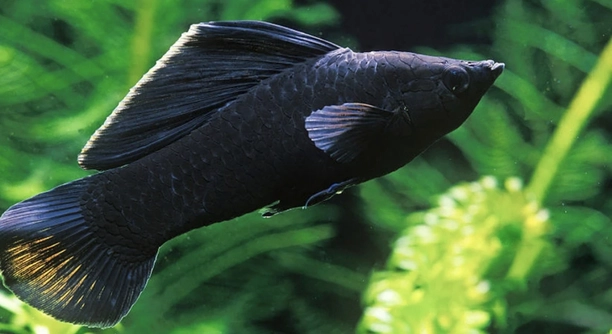
Do you ever find yourself setting up a beautiful aquarium only to notice your Black Molly seems less vibrant than expected? Bright substrate may look appealing, but it can actually affect your fish in subtle ways.
Black Mollies thrive best over darker or neutral substrates. Bright substrates can cause stress, reduce natural coloration, and impact feeding behavior. Choosing appropriate substrate improves fish health, enhances coloration, and creates a more comfortable and stable environment for their growth.
Understanding the impact of substrate choices can greatly improve your aquarium setup and keep your Black Molly happy and healthy for years.
How Bright Substrate Affects Black Molly Stress Levels
Bright substrate can create a stressful environment for Black Mollies. These fish are naturally adapted to softer, darker backgrounds that help them feel secure. When placed on a reflective or overly bright substrate, Black Mollies may become skittish, hiding more often and avoiding open areas of the tank. Constant stress can weaken their immune system, making them more susceptible to illness and reducing overall lifespan. Observing their behavior, such as rapid swimming or hiding, can indicate substrate-related stress. Choosing darker gravel or sand provides a sense of safety, allowing mollies to swim freely, explore, and interact with tank mates without constant alarm. Stress can also affect feeding habits, causing fish to eat less or become aggressive. Even subtle changes in substrate color can make a noticeable difference in mood and coloration over time, creating a calmer, healthier aquarium environment.
Maintaining a darker substrate helps mollies feel secure, reducing stress and encouraging natural behavior, contributing to overall health and longevity.
A simple swap from bright to darker substrate often transforms a Black Molly’s behavior. Fish that once hid constantly start exploring more, interacting with other tank mates, and feeding regularly. This change also allows their natural colors to show vividly. Less stress means fewer illnesses, reducing the need for medications or interventions. Over time, the tank environment feels more balanced, and the fish exhibit calmer, more confident behavior. Observing these improvements can be satisfying and reinforces why substrate choice is critical. Small adjustments, such as adding darker gravel or sand, plants, and subtle hiding spots, complement the change. The impact goes beyond aesthetics; it affects daily routines, mood, and long-term health.
Color Fading on Bright Substrate
Bright substrate can cause Black Mollies to display duller colors than normal.
When exposed to highly reflective or white substrates, Black Mollies may lose their natural deep black sheen. Their skin adapts to lighter surroundings by becoming paler as a form of camouflage. Over time, this can result in reduced vibrancy and less striking coloration, which may be disappointing for aquarium owners. In addition to affecting appearance, this color fading is another indicator of stress. Fish naturally show their brightest colors when they feel secure and comfortable in their environment. Using darker substrate not only enhances their visual appeal but also supports natural behavior, making feeding, swimming, and social interactions more consistent. Choosing sand or gravel in shades of gray, black, or dark brown promotes healthy coloration, reduces stress, and improves overall fish vitality. Small decor additions like plants or rocks complement darker substrates and encourage Black Mollies to thrive, showing their full, rich colors consistently.
Increased Risk of Algae Growth
Bright substrate reflects more light, which encourages algae growth in the aquarium. Excessive algae can cover decorations, plants, and tank walls, making the tank look messy and affecting water quality. Managing algae becomes harder, requiring more frequent cleaning and maintenance.
Algae thrives in well-lit environments, and bright substrates amplify this effect. Black Mollies may avoid certain areas covered in algae, reducing their swimming space and interaction. Over time, excessive algae can also compete with live plants for nutrients, further destabilizing the tank ecosystem. Maintaining a darker substrate can reduce light reflection, slowing algae growth naturally and creating a cleaner, more balanced environment for both fish and plants. Small adjustments in lighting and substrate help maintain a healthy aquarium without relying heavily on chemicals or constant cleaning.
The impact of bright substrate on algae is subtle but persistent. Even if the tank initially appears clean, algae can develop quickly on reflective surfaces, creating a constant maintenance challenge. By switching to darker substrate and carefully managing light exposure, algae growth slows, giving the tank a more natural appearance. Black Mollies feel safer and more comfortable in these conditions, which encourages natural behavior and consistent feeding. Proper substrate choice reduces the need for disruptive cleaning sessions, preserves water quality, and ensures plants and fish thrive together, making tank management less stressful over time.
Difficulty in Observing Health Issues
Bright substrate can make it harder to notice early signs of illness in Black Mollies. Stress and color changes may be masked, delaying proper intervention.
Fish health monitoring becomes more challenging on highly reflective surfaces. Small lesions, fin damage, or subtle discoloration are less visible against a bright background. Early detection of illness is crucial for effective treatment, and a darker substrate provides better contrast, allowing issues to be noticed promptly. Regular observation is easier, making disease management more straightforward.
Monitoring Black Mollies’ health requires attention to both behavior and appearance. Bright substrates reflect light and obscure minor signs of illness, such as faint spots or changes in fin shape. Subtle behavioral cues, like reduced movement or hiding, may also be harder to detect when the substrate distracts from natural coloration. Choosing a darker substrate enhances visibility, making small changes in skin tone or fin condition stand out. This allows for faster action if health concerns arise, improving survival rates and reducing prolonged stress. A simple substrate change can make a significant difference in maintaining a healthier, more visible aquarium environment for Black Mollies.
Hiding Spots Seem Less Effective
Bright substrate makes hiding spots less secure for Black Mollies. Fish may avoid open areas, feeling exposed even near plants or decorations.
A reflective or pale substrate reduces the contrast of shelters, making them appear less protective. Black Mollies rely on safe areas to rest and explore confidently, so a darker base improves their comfort.
Feeding Behavior Changes
Black Mollies may become hesitant to feed on bright substrate. Their natural instincts favor darker bottoms where food appears more visible and safe to approach.
Eye Strain and Sensitivity
Bright substrate can cause eye strain in Black Mollies. Constant exposure to reflective surfaces may make them squint, hide, or swim erratically. Adjusting to darker substrate reduces visual stress and promotes calmer, healthier behavior in the tank.
What type of substrate is best for Black Mollies?
Black Mollies thrive on darker substrates such as black or dark gray sand and gravel. These colors help them feel secure, reduce stress, and allow their natural coloration to appear more vivid. Avoid highly reflective or white substrates, which can cause discomfort and behavioral changes.
Can I mix bright and dark substrates in my tank?
Mixing substrates is possible, but it should be done thoughtfully. Placing darker substrate in the areas where Black Mollies spend most of their time and using lighter colors in less frequented zones can work. Avoid overwhelming the tank with bright colors that increase stress and make health monitoring difficult.
Will bright substrate harm Black Mollies immediately?
Bright substrate does not usually cause immediate physical harm, but it can lead to gradual stress and behavioral changes. Over time, this stress can weaken the immune system, reduce coloration, and make fish more prone to illness. Early attention to substrate choice helps prevent long-term issues.
How can I reduce algae growth if I have bright substrate?
Reducing light intensity and duration, adding live plants, and cleaning regularly are helpful strategies. However, bright substrate will still reflect light and encourage algae growth. Switching to darker substrate provides a more natural solution that slows algae accumulation without heavy intervention.
Does substrate affect breeding behavior?
Yes, substrate plays a role in breeding. Black Mollies feel safer laying eggs on darker substrates, which resemble natural habitats. Bright substrates can make them hesitant, reduce egg-laying frequency, and increase stress during breeding. Providing darker areas encourages natural reproductive behavior and higher survival rates of fry.
Can I improve my Black Mollies’ coloration without changing substrate?
Color enhancement is limited without adjusting the substrate. While high-quality food and water quality improve coloration, stress from bright substrates can counteract these benefits. Darker substrate creates a stable, comfortable environment that allows natural pigmentation to develop fully over time.
How often should I monitor my Black Mollies on bright substrate?
Monitoring should be frequent, ideally daily. Bright substrate can mask subtle signs of illness or stress, so observing behavior, feeding, and color is important. Regular checks help catch problems early and allow corrective measures before long-term health issues develop.
Are there any plants or decorations that help with bright substrate?
Yes, adding dense plants, rocks, or caves can help provide hiding spots and reduce stress. Even with bright substrate, these decorations create shaded areas and visual barriers, giving Black Mollies places to retreat. Darker décor combined with darker substrate is the most effective for comfort.
Can Black Mollies adapt to bright substrate over time?
Some adaptation may occur, but it is usually partial. Stress and behavior changes often persist, and coloration may remain subdued. Long-term comfort and health are better supported with darker substrate, as it aligns with their natural habitat and reduces environmental stressors.
Is switching substrate risky for my Black Mollies?
Changing substrate requires care. Remove fish to a temporary holding tank or provide gentle acclimation. Sudden changes can stress the fish or disturb the tank’s biological balance. Gradual transition and maintaining water parameters help Black Mollies adjust safely while improving their environment.
Does substrate impact tank maintenance?
Yes, substrate affects cleaning and overall tank stability. Bright substrate shows debris and algae more clearly, often requiring more frequent cleaning. Darker substrate hides detritus and encourages natural grazing behavior, making routine maintenance easier and less stressful for both the fish and the owner.
Can I use substrate color to improve the tank’s aesthetic without affecting fish?
It is possible if the substrate is not overly bright or reflective. Neutral, darker tones complement décor while keeping Black Mollies comfortable. Avoid stark white or very light-colored substrates, as these compromise fish behavior and coloration, even if they look attractive in photos or displays.
How long does it take for Black Mollies to adjust after switching to dark substrate?
Adjustment usually occurs within a few days to a week. Fish become more active, explore open areas, and regain vibrant coloration. Stress-related behaviors, such as hiding or skittish swimming, diminish as they acclimate, highlighting the importance of substrate in promoting healthy, natural activity patterns.
Are there any signs that my Black Mollies prefer the new substrate?
Yes, positive signs include active swimming, exploring previously avoided areas, more consistent feeding, and brighter coloration. Fish may spend more time near the substrate without hiding. Observing these changes indicates comfort and reduced stress, confirming the benefits of darker, natural-looking substrate.
Does water chemistry interact with substrate choice?
Indirectly, yes. Some substrates release minerals or alter pH, but in general, dark inert gravel or sand is neutral. Bright substrates may reflect light and impact algae growth, indirectly affecting water quality. Choosing stable, dark substrates minimizes environmental fluctuations and supports consistent water chemistry.
Can substrate alone solve stress and color issues in Black Mollies?
Substrate is a major factor, but not the only one. Water quality, diet, tank mates, and lighting also influence stress and coloration. However, providing darker substrate significantly reduces environmental stress, supporting overall health and making other care factors more effective.
Will substrate affect juvenile and adult Black Mollies differently?
Yes, juveniles are often more sensitive to bright environments and may hide excessively, eat less, or show stunted growth. Adults may tolerate bright substrate better but still experience stress and reduced coloration. Darker substrate benefits all life stages by offering a secure and natural environment.
Is substrate change worth the effort for a small tank?
Even in small tanks, substrate impacts behavior, health, and maintenance. The effort pays off with calmer fish, better coloration, and easier monitoring. Small adjustments, like dark gravel or sand, improve both fish well-being and the tank’s visual appeal without extensive remodeling.
Can substrate affect interactions with other fish?
Yes, bright substrate can increase stress in Black Mollies, making them less social or more aggressive. Darker substrate promotes comfort, allowing more natural interactions, reducing conflict, and supporting a balanced community environment. Proper substrate choice helps all tank inhabitants coexist peacefully.
How do I choose the right shade of dark substrate?
Opt for medium to dark tones, such as black, charcoal, or dark gray. Avoid very rough or sharp textures that could injure fins. Matte finishes reduce reflection, keeping stress low and creating a natural look. Match substrate to tank décor and lighting for best results.
Does substrate affect the lifespan of Black Mollies?
Yes, indirectly. Stressful bright substrates can weaken immunity, reduce feeding efficiency, and impair coloration, which may shorten lifespan. Dark, comfortable substrate reduces chronic stress, supports health, and encourages natural behavior, ultimately contributing to longer, healthier lives for Black Mollies.
Can I layer substrates for both aesthetics and fish comfort?
Layering is possible with a darker base for fish comfort and lighter decorative layers on top. Keep the dark substrate dominant where Black Mollies spend most of their time to maintain security while still achieving a visually appealing tank design.
Are there any signs my substrate choice is wrong?
Persistent hiding, faded coloration, erratic swimming, reduced feeding, or stress-related illness indicate substrate may be unsuitable. Observing these behaviors signals the need for adjustment to a darker, safer environment for Black Mollies.
Is sand or gravel better for Black Mollies?
Both can work if dark and smooth. Sand allows natural digging and easier egg-laying, while gravel provides better anchoring for plants. Avoid rough or light-colored materials. The main factor is a darker shade that reduces stress and enhances coloration consistently.
How important is substrate compared to water quality?
Both are essential, but substrate directly influences stress and natural behavior. Poor water quality affects health immediately, while substrate affects long-term comfort and coloration. Together, they determine overall well-being. Prioritizing both ensures Black Mollies thrive in a balanced, stable environment.
How often should substrate be cleaned?
Regular cleaning prevents waste buildup and maintains water quality. Dark substrate hides debris better but still requires routine vacuuming. Consistent cleaning supports fish health, prevents algae overgrowth, and maintains a visually appealing tank without causing stress to Black Mollies.
Can substrate affect fry survival?
Yes, bright or reflective substrate may make fry more visible to adults or increase stress. Dark substrate provides hiding spaces and reduces predation risk, improving fry survival and supporting natural behavior during early growth stages.
Is there a specific brand or type of substrate recommended?
No single brand is required. Look for inert, dark-colored sand or gravel that is smooth, safe for fish, and does not alter water chemistry. Choosing reputable aquarium substrates ensures safety, reduces stress, and supports long-term tank stability.
Does substrate color impact nocturnal behavior?
Yes, darker substrates reduce reflection at night, allowing Black Mollies to rest naturally. Bright substrates may cause discomfort under low lighting, disrupting sleep patterns and daily activity cycles. Maintaining a natural color palette promotes calm and consistent nocturnal behavior.
How can I gradually transition from bright to dark substrate?
Remove fish temporarily or create a partial overlay of dark substrate. Gradually increase coverage over days to reduce stress. Ensure water parameters remain stable and provide hiding spots to help Black Mollies acclimate smoothly to the new environment.
Are there any plants or decorations that work well with dark substrate?
Live plants, driftwood, and rocks complement dark substrate. They create hiding spots and visual contrast, reducing stress and supporting natural behavior. This combination improves tank aesthetics while maintaining a secure, healthy environment for Black Mollies.
Does substrate choice affect feeding efficiency?
Yes, Black Mollies feed more confidently on darker substrates. Bright or reflective bases may make food less visible or cause hesitation. Dark substrates enhance feeding behavior, ensuring proper nutrition and reducing stress during mealtime.
Can substrate choice reduce aggressive behavior?
Yes, darker substrate promotes security and reduces territorial disputes. Bright substrates may increase stress, leading to skittish or aggressive behavior. A calm environment encourages peaceful interaction and overall tank harmony.
How do I know if my Black Mollies are happier on new substrate?
Positive signs include increased swimming activity, feeding regularly, exploring more, and showing brighter coloration. Hiding decreases, and interactions with other fish improve, indicating the new substrate provides a secure, comfortable environment.
Is substrate change suitable for all tank sizes?
Yes, small or large tanks benefit from darker substrate. It reduces stress, improves coloration, and helps monitor health. Proper substrate selection is effective regardless of tank dimensions, providing consistent advantages for Black Mollies.
Can substrate affect water circulation or filtration?
Indirectly, yes. Thick layers of fine sand may compact and affect water flow near the bottom, impacting filtration efficiency. Dark gravel or lightly compacted sand maintains circulation while providing comfort and reducing reflection.
Does substrate choice influence tank temperature?
Not directly. Substrate color does not significantly affect temperature but may influence light reflection and heat absorption from lighting. Darker substrates reduce glare and contribute to a visually stable environment without altering water temperature.
Can substrate affect compatibility with other fish?
Yes, stressed Black Mollies on bright substrate may be less tolerant of tank mates. Darker substrate promotes comfort, reducing stress-induced aggression and supporting more harmonious interactions with compatible species.
Is substrate important for planted tanks with Black Mollies?
Absolutely. Dark substrates enhance fish comfort while providing a base for plant roots. Plants also offer additional hiding spots and shade, complementing substrate choice to create a natural, stress-free habitat for Black Mollies.
Do I need to change substrate if I add new Black Mollies?
Yes, ensuring the substrate is already dark and secure helps new arrivals acclimate comfortably. Bright substrates may increase stress and territorial disputes. A prepared environment supports smoother integration and reduces behavioral issues.
How does substrate impact overall tank aesthetics?
Darker substrates enhance natural coloration of Black Mollies and create a clean, balanced look. Bright substrates may appear visually striking but can cause stress, reduce coloration, and require more maintenance to maintain a pleasing appearance.
Can substrate choice affect oxygen levels in the tank?
Indirectly, yes. Dense, compacted sand layers may limit circulation near the bottom, slightly affecting oxygen availability. Dark gravel or lightly compacted sand maintains comfort while ensuring proper water movement and oxygenation for Black Mollies.
What maintenance adjustments are needed with dark substrate?
Routine vacuuming to remove waste is sufficient. Dark substrate hides debris but does not eliminate the need for cleaning. Regular checks and water changes ensure a healthy, stable environment for Black Mollies.
Does substrate choice affect disease transmission?
Bright substrate can obscure early signs of disease, delaying intervention. Dark substrates make subtle changes in coloration, fin condition, or behavior more visible, allowing faster response and reducing the spread of illness.
Can substrate help reduce fin damage?
Yes, smooth dark sand or gravel prevents abrasions. Rough or sharp materials, especially in bright colors, may injure fins. Choosing appropriate substrate minimizes damage and supports healthy growth for Black Mollies.
Is substrate choice important for long-term tank success?
Absolutely. Proper substrate reduces stress, enhances coloration, supports feeding, and improves health monitoring. It contributes to a stable, comfortable environment that promotes natural behavior, longevity, and easier maintenance.
Can substrate color affect reflection from aquarium lights?
Yes, bright substrate reflects light more strongly, increasing stress. Dark substrates absorb light and reduce glare, promoting calmer behavior and more natural coloration in Black Mollies.
Are there any alternatives to changing substrate for bright tanks?
Some alternatives include adding dark mats, extensive plant cover, or decorative stones. These reduce light reflection and provide hiding spots, partially mitigating bright substrate effects. However, a full switch to darker substrate is more effective for long-term fish comfort.
Can substrate choice impact social hierarchy among Black Mollies?
Yes, bright substrates can increase stress, making dominant fish more aggressive and submissive fish more withdrawn. Darker substrates create a secure environment that reduces conflict and supports balanced social interactions.
Does substrate choice affect breeding success in mixed tanks?
Yes, darker substrate encourages egg-laying, reduces stress, and improves fry survival. Bright substrates may delay breeding, cause hiding, or reduce reproductive activity. Proper substrate supports healthier offspring and natural breeding behavior.
Is substrate color more important than grain size?
Both matter, but color directly affects stress and coloration. Grain size impacts digging, egg-laying, and plant rooting. Ideally, choose dark, smooth substrates that balance safety, comfort, and tank aesthetics for Black Mollies.
How do I transition between different substrate types safely?
Gradually introduce new substrate in layers or sections while monitoring fish behavior. Maintain water parameters and provide hiding spots. Slowly replacing or overlaying substrate minimizes stress and preserves the tank’s biological stability.
Can substrate influence territorial behavior?
Yes, bright substrates may increase stress-induced aggression. Darker substrates make fish feel secure, reducing territorial disputes and promoting peaceful coexistence in community tanks.
How long should I observe after changing substrate?
Observe fish closely for at least one to two weeks. Watch for activity levels, feeding, coloration, and hiding. This period ensures Black Mollies adjust comfortably and that any behavioral changes are noticed promptly.
Are there specific lighting adjustments needed with dark substrate?
Moderate lighting works well with dark substrates. High-intensity lights may reduce contrast benefits, while low light enhances comfort. Adjust lighting to complement the substrate without causing glare or excessive reflection.
Can substrate affect nutrient absorption in planted tanks?
Yes, nutrient-rich dark substrates support plant growth, which indirectly benefits Black Mollies by providing shelter, shade, and natural filtration. Bright, inert substrates may limit plant growth and reduce these environmental benefits.
Do Black Mollies prefer smooth or rough substrate?
Smooth substrates are preferred. Rough or sharp surfaces, regardless of color, may injure fins and stress fish. Smooth dark sand or gravel ensures safety, comfort, and optimal behavior.
Can substrate color affect the tank’s perceived depth?
Yes, darker substrates create a sense of depth and contrast that highlights Black Mollies and décor. Bright substrates may flatten the visual effect and stress fish due to glare.
How often should I reassess substrate impact on fish behavior?
Monitor weekly, especially after changes in lighting, décor, or fish population. Behavioral signs such as hiding, color fading, or reduced feeding indicate substrate-related issues that may require adjustments.
Is substrate choice critical for community tanks with other species?
Yes, substrate affects all species in the tank. Darker substrates reduce stress, support natural behaviors, and encourage peaceful coexistence, while bright substrates may increase tension and stress across multiple species.
Can substrate influence water clarity over time?
Indirectly, yes. Bright substrates show debris and algae more clearly, requiring frequent cleaning. Dark substrates hide minor debris, maintain a cleaner appearance, and promote better water clarity with routine maintenance.
Does substrate impact oxygenation for bottom-dwelling species?
Yes, compacted or fine substrates may limit water flow near the bottom. Dark gravel or lightly compacted sand supports proper circulation, benefiting Black Mollies and any bottom-dwelling species in the tank.
Are there health risks if substrate is too bright?
Chronic stress, reduced immune response, and subtle behavioral changes can occur. Over time, these factors may lead to illness, reduced lifespan, and diminished coloration. Dark substrates mitigate these risks effectively.
Can substrate choice affect aquarium aesthetics long-term?
Yes, dark substrates highlight fish colors, plants, and décor consistently. Bright substrates may initially appear striking but can show algae, debris, and stress-related fish color fading over time, requiring more maintenance and reducing overall appeal.
How do I combine substrate choice with plant growth?
Choose dark, nutrient-rich sand or gravel to anchor plants and support root development. This provides hiding spots and shaded areas for Black Mollies, improving comfort, behavior, and overall tank balance.
Are artificial substrates safe for Black Mollies?
Yes, inert artificial substrates in dark tones are safe. Avoid those that alter water chemistry or have sharp edges. Proper artificial substrates offer similar benefits to natural gravel or sand.
How does substrate affect overall fish activity?
Darker substrates reduce stress and provide a sense of security, increasing exploration, feeding, and interaction. Bright substrates may suppress activity and natural behaviors, creating a less dynamic and healthy environment.
Is substrate color important for photography or display?
Yes, dark substrates enhance Black Mollies’ natural coloration in photos and display. Bright substrates may reflect light, cause glare, and reduce visual impact of the fish’s appearance.
How long before I see behavior improvements after substrate change?
Behavior improvements, such as increased activity, feeding, and color vibrancy, can be observed within a few days to a week. Gradual acclimation ensures lasting positive effects.
Does substrate choice interact with tank lighting schedules?
Yes, bright substrates amplify light intensity, increasing stress and algae growth. Dark substrates balance lighting effects, reduce reflection, and support natural day-night behavior patterns.
Can substrate affect fish appetite?
Yes, Black Mollies feed more confidently on darker substrate. Bright or reflective surfaces may discourage feeding, reduce food visibility, and cause hesitation, impacting nutrition and overall health.
Are there any natural alternatives to dark gravel or sand?
Yes, natural river
Bright substrate may seem visually appealing at first, but it is not ideal for Black Mollies. These fish are naturally adapted to darker, more neutral environments that provide security and comfort. Bright or reflective surfaces can create stress, mask subtle health issues, and reduce the vibrancy of their natural coloration. Over time, even small amounts of stress from the substrate can affect behavior, feeding patterns, and immune function. Choosing a darker substrate is a simple adjustment that supports a healthier, calmer environment. It allows Black Mollies to exhibit their natural behaviors, explore the tank freely, and maintain better overall well-being.
Darker substrates also make it easier to monitor the health of Black Mollies. Early signs of illness, such as small color changes, fin damage, or abnormal behavior, are more visible against a dark background. Bright substrates, in contrast, can obscure these signs, delaying intervention and increasing the risk of illness spreading. Additionally, darker substrates reduce light reflection, which can cause eye strain or discomfort in fish. They also help manage algae growth naturally, since less light is reflected throughout the tank. This creates a more balanced ecosystem, benefiting both plants and fish, and reducing the amount of time needed for cleaning and maintenance. By selecting the right substrate, the aquarium becomes both a visually pleasing and functional environment that supports long-term fish health.
Beyond health benefits, darker substrates enhance the overall appearance of the aquarium. They provide a natural contrast to the fish’s colors, making Black Mollies appear more vibrant and lively. Plants, decorations, and hiding spots are also highlighted better against a darker base, creating a more aesthetically balanced tank. The improved comfort for the fish, combined with reduced stress, results in more active and social behavior, which is rewarding to observe. Simple changes, such as choosing black or dark gray sand or gravel, can make a significant difference in the success of the aquarium. Ultimately, the right substrate is not just about looks; it is about creating a safe, stable, and comfortable environment that allows Black Mollies to thrive while making tank management easier and more enjoyable.

Hello,
If you enjoy the content that we create, please consider saying a "Thank You!" by leaving a tip.
Every little bit helps us continue crafting quality advice that supports the health, happiness, and well-being of pets around the world, for pets of all shapes, sizes, and species.
We really appreciate the kindness and support that you show us!