
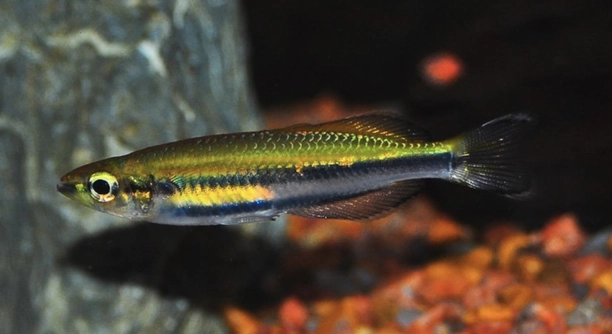
Rainbowfish are admired for their vibrant colors, bringing life to any aquarium. Many owners notice fading hues over time, which can be concerning. Understanding why their colors diminish is key to keeping them healthy and bright.
Color loss in rainbowfish typically results from a combination of poor water quality, inadequate diet, stress, disease, aging, lack of proper lighting, and inappropriate tank mates. Each factor can weaken pigmentation and affect overall fish health.
Knowing the causes of color loss can help you make simple changes to maintain your fish’s natural vibrancy and long-term well-being.
Poor Water Quality
Maintaining clean water is essential for rainbowfish. Dirty or unbalanced water can stress them, causing colors to fade. Ammonia, nitrite, and nitrate levels must be checked regularly, and partial water changes should be performed weekly. Even slight shifts in pH or temperature can weaken pigmentation. Filtration is important to remove debris, and overfeeding should be avoided to prevent water pollution. Some rainbowfish are more sensitive than others, making water monitoring even more crucial. Stress from poor water quality also increases susceptibility to disease, which can further diminish color. A stable and clean environment allows rainbowfish to display their natural brilliance and maintain good health over time. Observing the fish regularly helps detect subtle changes early, allowing adjustments before color loss becomes severe. Taking these steps creates a healthier tank and encourages the fish to thrive, showing off vibrant, lively shades that are the hallmark of the species.
Keeping water clean is the easiest and most effective way to support rainbowfish coloration.
Regular testing, proper filtration, and consistent water changes prevent stress and maintain their bright hues. Monitoring water keeps fish healthy.
Inadequate Diet
Rainbowfish need a varied diet to maintain vivid colors. Feeding only flakes or a single type of food can lead to dull pigmentation. Nutrients like carotenoids and proteins are essential for maintaining bright scales. High-quality flakes, pellets, frozen or live foods provide balanced nutrition. Fresh vegetables can supplement their diet for added vitamins. Overfeeding should be avoided as it can degrade water quality and indirectly affect coloration. A poor diet reduces energy, making fish more vulnerable to illness and stress, which also impacts their appearance. Feeding multiple times in small amounts encourages proper digestion and nutrient absorption. Paying attention to how your rainbowfish respond to different foods allows adjustments to enhance color naturally. With consistent care and a balanced diet, the vibrant shades of rainbowfish can be restored or maintained, reflecting their healthy state. Colorful fish are often a sign of proper feeding and attentive care.
A varied and nutrient-rich diet directly supports rainbowfish color intensity, health, and longevity.
Stress
Stress affects rainbowfish coloration quickly. Sudden changes in environment, overcrowding, or aggressive tank mates can make them lose their vibrant hues.
Stress reduces immune function, making fish more susceptible to illness. Frequent handling, rapid water changes, or constant disturbances in the tank increase stress levels. Even subtle changes, like adjusting decorations or adding new fish, can affect some species. Consistently high stress leads to faded colors and lethargic behavior. Ensuring a calm environment with hiding spots, stable water conditions, and peaceful companions helps rainbowfish feel secure. Maintaining routine feeding schedules and minimizing sudden changes supports their natural coloration. Observing behavior and recognizing stress signs early allows quick intervention. Over time, a stable and low-stress environment helps fish regain brightness naturally. Creating a predictable and safe space in the tank is one of the most effective ways to protect their appearance and health.
Providing hiding spots and keeping a calm tank environment reduces stress and preserves natural coloration.
Minimizing disturbances, maintaining stable water conditions, and keeping compatible tank mates ensures rainbowfish display their best colors consistently.
Disease and Parasites
Illness can dramatically affect rainbowfish color. Common diseases like ich, fungal infections, and bacterial issues cause scales to dull or develop patches. Parasites also weaken fish, leading to faded hues and lethargy. Early detection is crucial for recovery and restoring color.
Maintaining proper water quality, quarantining new fish, and observing behavior regularly can prevent many infections. Treating disease promptly helps minimize damage to pigmentation. Medications should be carefully dosed and tank conditions monitored to reduce stress during treatment. A balanced diet supports the immune system, improving resistance to pathogens. Rainbowfish recovering from illness often regain color gradually, reflecting improved health. Consistent tank maintenance and attentive care prevent recurring problems. By combining preventive measures with immediate treatment when needed, the vibrancy of rainbowfish can be preserved even after health challenges. Preventing outbreaks is more effective than trying to restore color after prolonged illness.
Quarantining new fish and maintaining cleanliness are essential to reduce disease risk and maintain vivid coloration.
Aging
As rainbowfish age, their colors naturally fade. Older fish may show duller shades compared to their younger counterparts.
Even with perfect care, pigmentation decreases over time. Aging affects metabolism, energy levels, and scale brightness. Providing a stable environment and proper nutrition helps slow color loss and keeps older fish looking healthy for longer.
Lighting
Proper lighting enhances rainbowfish coloration. Natural daylight-spectrum lights help maintain vibrant scales, while dim or inconsistent lighting can cause dullness.
Inappropriate Tank Mates
Aggressive or territorial tank mates stress rainbowfish, leading to fading colors. Constant chasing or bullying affects both appearance and behavior.
Lack of Nutrients
Deficiencies in essential nutrients directly reduce coloration. Vitamins, minerals, and carotenoids are needed for bright, healthy scales. A diet lacking variety or essential elements weakens pigmentation, making colors appear washed out and less striking.
FAQ
What is the most common reason rainbowfish lose their color?
The most frequent cause is stress from poor water quality, aggressive tank mates, or sudden environmental changes. Stress affects their immune system and metabolism, leading to dull or faded scales. Maintaining stable water conditions and a calm environment helps preserve their natural brightness over time.
How can I improve my rainbowfish’s color naturally?
A balanced, nutrient-rich diet is key. Include high-quality flakes, pellets, live or frozen foods, and foods rich in carotenoids. Proper lighting, clean water, and minimal stress also support natural coloration. Consistent care allows colors to return gradually and remain vibrant.
Does water temperature affect rainbowfish color?
Yes, sudden temperature changes or prolonged exposure to inappropriate temperatures can stress rainbowfish. Optimal temperature depends on the species, but keeping it stable helps maintain metabolism and pigmentation. Using a reliable heater and thermometer ensures proper conditions.
Can disease cause permanent color loss?
If treated early, most diseases allow color to recover. Advanced or prolonged infections may damage scales or skin, causing long-term fading. Preventing illness with clean water, quarantined new fish, and careful observation reduces risks of permanent color loss.
How often should I change the water to maintain color?
Partial water changes of 20–30% weekly are ideal for most rainbowfish tanks. This removes toxins, reduces stress, and supports overall health, keeping colors bright. Overly frequent or large changes can also stress the fish, so balance is important.
Do older rainbowfish always fade in color?
Aging naturally reduces brightness, though good care slows the process. Older fish may display less intense hues, but proper nutrition, clean water, and minimal stress can help retain some vibrancy. Even aging fish can appear healthy and lively with consistent care.
Will tank size affect color retention?
Yes, overcrowded tanks increase stress, aggression, and poor water quality, all of which lead to color loss. Adequate space allows rainbowfish to swim freely and maintain natural behaviors, supporting their overall appearance and reducing stress-induced fading.
Can lighting alone restore color?
Lighting improves visibility and encourages pigmentation, but it cannot restore color by itself. It works best combined with proper diet, water quality, and low-stress conditions. Using daylight-spectrum lighting for 8–12 hours daily promotes optimal coloration without overexposing the fish.
Is it normal for rainbowfish to lose color after moving them?
Yes, relocation or rearranging a tank can cause temporary stress, leading to faded colors. They usually recover once they adapt. Providing hiding spots, stable water, and minimal disturbances speeds up recovery and helps them regain their natural brightness.
Are all rainbowfish equally sensitive to color loss?
No, some species and individual fish are more sensitive to stress, diet, or water changes. Observing behavior and physical changes closely helps identify issues early. Tailoring care to each fish’s needs ensures the best chance to maintain vibrant colors.
Can supplements help restore rainbowfish color?
Yes, carotenoid-rich foods and vitamin supplements support pigmentation. They are most effective when paired with a healthy diet, clean water, and stable tank conditions. Supplements cannot replace poor husbandry but can enhance natural coloration over time.
How long does it take to see color improvement?
It varies depending on the cause. With proper care and diet, noticeable changes may appear in a few weeks. Recovery from illness or severe stress can take longer. Patience and consistent maintenance are essential for restoring and preserving bright colors.
Are there signs that indicate color loss is permanent?
Permanent fading is usually linked to advanced disease, severe stress, or aging. Scales may appear damaged, patchy, or transparent. Early intervention is critical; maintaining water quality, diet, and low-stress conditions can prevent irreversible loss in most cases.
How can I prevent color loss long-term?
Maintain stable water conditions, a balanced diet, proper lighting, and peaceful tank mates. Monitor health, observe behavior, and perform regular maintenance. Consistency and attention to detail are the most effective strategies for keeping rainbowfish vibrant throughout their lives.
Rainbowfish are valued for their vivid colors, which make any tank more appealing and lively. Observing a rainbowfish with bright scales is rewarding, but maintaining that appearance requires consistent care. Color loss can happen for many reasons, including stress, poor water quality, disease, aging, inadequate diet, improper lighting, and aggressive tank mates. Each factor directly influences the fish’s health and overall vibrancy. Paying attention to these details ensures the fish remain bright and healthy over time. Simple changes in care routines, such as monitoring water parameters, providing a balanced diet, and maintaining a stable environment, can prevent or reduce fading. Even small adjustments in daily maintenance routines can have a noticeable effect on their coloration, making them look healthier and more energetic.
Caring for rainbowfish also involves observing their behavior and responding to any signs of stress or illness. Fish that are hiding constantly, swimming erratically, or appearing lethargic may be experiencing stress or early stages of disease. Prompt intervention can prevent long-term damage to their coloration and overall health. Providing hiding spots, maintaining appropriate tank sizes, and selecting compatible tank mates are practical steps to reduce stress. Nutrition plays a significant role as well; a varied diet that includes high-quality flakes, pellets, and occasional live or frozen foods ensures that rainbowfish receive the necessary vitamins, minerals, and carotenoids to maintain vibrant colors. Lighting conditions should mimic natural daylight, which not only enhances their visual appeal but also supports normal biological functions. Regular observation and maintenance allow issues to be identified early, which is crucial for preventing permanent color loss. Maintaining a calm, stable environment is essential for the longevity and well-being of rainbowfish.
Even with perfect care, some factors, such as aging, may naturally cause color fading. Older fish may show less intense hues despite a clean tank and proper diet. While this process is inevitable, maintaining optimal conditions helps slow the decline and keeps the fish looking as bright as possible for their age. Preventive measures, like water changes, proper nutrition, and stress reduction, remain the most effective ways to protect their colors. Understanding and addressing the causes of color loss allows fishkeepers to make informed choices about tank setup, diet, and care routines. Consistency in these practices ensures rainbowfish not only survive but thrive, maintaining their natural beauty. By observing, adjusting, and caring thoughtfully, the vibrancy of rainbowfish can be preserved, allowing them to remain a visually striking and healthy part of the aquarium over time.

Hello,
If you enjoy the content that we create, please consider saying a "Thank You!" by leaving a tip.
Every little bit helps us continue crafting quality advice that supports the health, happiness, and well-being of pets around the world, for pets of all shapes, sizes, and species.
We really appreciate the kindness and support that you show us!