
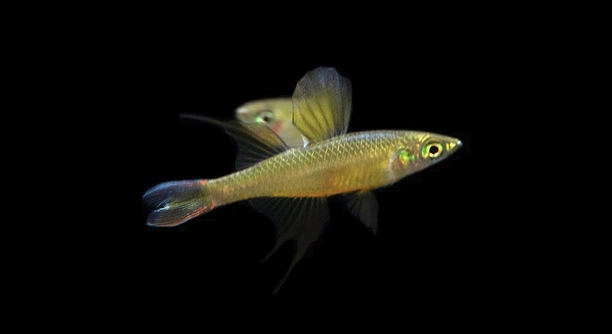
Have you ever watched threadfins moving in circles near the same spot and wondered why they do it? These fish often stay in familiar areas, creating a predictable pattern that can seem puzzling at first glance.
Threadfins often circle the same location due to feeding habits, territorial behavior, and environmental conditions. Remaining in one area allows them to efficiently access food sources, avoid predators, and maintain social structures within their group.
Observing their movements closely reveals patterns that explain their daily routines and interactions with the surrounding environment.
Feeding Habits and Food Availability
Threadfins often circle in one area because they know where food is abundant. Small crustaceans, plankton, and tiny fish gather in specific spots, and threadfins have learned these areas provide a steady supply. Staying in one location reduces energy spent searching for food. This behavior also allows them to feed safely while keeping an eye out for predators. Young threadfins learn these patterns from older fish, reinforcing group behavior. Their movements may seem repetitive, but they are strategic, maximizing food intake while minimizing risk. Seasonal changes in water temperature and current can shift food availability, but threadfins usually stick to familiar areas until resources are depleted. They may move short distances within their favored zone to exploit new feeding opportunities. By focusing on known locations, threadfins maintain energy for growth, reproduction, and maintaining their place within social groups. Observing this behavior can reveal how fish interact with their environment and adapt to changes over time.
Remaining near reliable food sources is a smart way for threadfins to survive efficiently.
Knowing where threadfins feed helps us understand their movement patterns. Watching them can teach us about predator-prey interactions and how small environmental changes impact feeding behavior. Their daily activity is shaped by what’s available in their chosen spot, making their circling pattern a key survival tactic.
Territorial Behavior and Social Structure
Threadfins may circle the same area to protect their territory from others.
Territoriality in threadfins is subtle but important. By sticking to one area, they establish dominance, prevent competition, and create a predictable environment for feeding. This behavior is especially noticeable in groups where older fish assert control over prime feeding spots. Social structure influences how threadfins interact, with dominant individuals often leading movements and younger fish following. Circling a familiar zone allows the group to communicate and coordinate feeding while avoiding unnecessary conflict. In some cases, multiple groups occupy nearby territories without direct conflict because boundaries are respected. Movement within their zone is often patterned, with certain sections visited more frequently for food or shelter. Threadfins may also use landmarks such as rocks or underwater vegetation to navigate, reinforcing the importance of familiar territory. Territorial behavior is tied to reproduction as well, with certain areas favored for mating displays or nesting. Observing these patterns gives insight into how threadfins maintain social order and respond to environmental pressures, ensuring survival and group cohesion over time.
Environmental Conditions
Water currents, temperature, and shelter availability play a big role in where threadfins stay. They often circle in areas with calmer water and enough cover to feel safe. This consistency helps them conserve energy while staying alert to changes around them.
Stable environmental conditions allow threadfins to feed and rest efficiently. Calm waters reduce the energy needed to swim, while nearby vegetation or structures offer protection from predators. Changes in temperature or currents can push them to adjust positions, but they often return to familiar spots once conditions stabilize. This reliance on predictable environments highlights how sensitive threadfins are to their habitat and how movement patterns are closely tied to survival needs.
The location a threadfin chooses is not random. Factors like oxygen levels, salinity, and the presence of hiding places influence their movements. Circling the same area ensures access to optimal conditions for feeding, safety, and social interactions, creating a stable routine within a dynamic environment.
Reproduction and Mating Behavior
Threadfins often remain in one spot during mating seasons to maximize reproductive success. Familiar territory provides a safe space to attract partners while minimizing risks from predators or rivals.
During reproduction, male and female threadfins use specific areas for courtship displays. Circling patterns help maintain proximity to potential mates and signal territory ownership to other fish. By staying in known locations, they can efficiently guard eggs or fry and monitor for threats. These areas are usually chosen for their combination of food availability, shelter, and water quality. Movement outside these zones is limited during mating periods to reduce energy expenditure and maintain safety. Social hierarchies also influence which individuals occupy prime spots, with dominant fish securing the best positions for attracting mates and raising offspring. This behavior ensures the survival of both adults and the next generation, reinforcing the importance of consistent locations in threadfin life cycles.
Predator Avoidance
Threadfins often stay in one area because it offers safety from predators. Circling familiar zones allows them to detect threats quickly and escape efficiently.
Remaining close to cover or shoal members reduces the chance of attack. Predictable movement patterns help them respond faster to sudden danger and maintain group cohesion.
Energy Conservation
By limiting their range, threadfins save energy that would otherwise be spent searching for food or evading threats. Circling a known area helps them maintain strength for feeding, reproduction, and social interactions. This efficient movement strategy is vital for survival, especially in environments with variable resources and potential predators.
Seasonal Behavior
Threadfins’ activity patterns can change with the seasons. Warmer months may increase feeding, while colder periods encourage reduced movement to conserve energy.
FAQ
Why do threadfins circle in the same spot instead of exploring new areas?
Threadfins circle in familiar areas because it provides consistent access to food, safety, and shelter. Moving too far increases energy use and exposure to predators. By sticking to known zones, they can feed efficiently and respond quickly to threats while maintaining social structures within their group.
Do threadfins ever leave their preferred area?
Yes, but usually only when food becomes scarce, water conditions change, or predators force them to relocate. Even then, they tend to return once conditions improve. Their attachment to familiar areas shows how important stability is for their survival and day-to-day routines.
Are threadfins social fish?
Threadfins often travel in small groups, especially juveniles and subadults. Grouping helps with predator detection and feeding efficiency. Social hierarchy influences movement patterns, with dominant fish guiding the group and securing prime feeding spots. Circling behavior can also reinforce bonds and establish territory within the group.
Do environmental changes affect their circling patterns?
Absolutely. Changes in water temperature, currents, oxygen levels, or the presence of predators can shift their movement. Threadfins may temporarily expand their range or adjust circling patterns. However, they typically prefer areas that offer stable conditions for feeding, reproduction, and shelter.
Is this behavior the same year-round?
Not always. Seasonal changes affect food availability, water temperature, and breeding activity. During mating periods, threadfins may stay even closer to preferred zones to protect eggs or attract mates. In colder months, reduced movement helps conserve energy, while warmer periods often encourage more frequent feeding within the same area.
How does their feeding behavior influence circling?
Threadfins feed on plankton, small fish, and crustaceans, which tend to cluster in predictable areas. Circling ensures they exploit these food patches efficiently. Young threadfins learn these zones from older fish, reinforcing group patterns and helping individuals maximize energy intake while avoiding unnecessary effort.
Can predators disrupt their routine?
Predators do influence their movements. Threadfins rely on quick detection and escape strategies. Circling familiar areas allows them to anticipate escape routes and shelter spots. In the presence of strong predatory pressure, they may temporarily adjust their pattern or move to areas with better cover.
Do human activities impact their behavior?
Yes. Fishing, pollution, and habitat changes can force threadfins to shift territories or alter feeding zones. Loss of shelter and food sources may increase stress and energy expenditure. Areas with less disturbance often see more stable circling patterns, highlighting the connection between environmental stability and behavior.
How do threadfins maintain social order while circling?
Social hierarchy is key. Dominant individuals often occupy the best feeding spots and lead movement patterns. Subordinate fish follow, maintaining cohesion and reducing conflict. Circling familiar zones allows fish to reinforce roles and avoid unnecessary aggression, helping the group function smoothly.
Can observing their circling teach us about their ecosystem?
Yes. Watching threadfins provides insight into food distribution, predator-prey interactions, and habitat quality. Patterns reveal how environmental factors and social structures influence daily life. Understanding their behavior helps identify changes in water conditions, food availability, and the impact of human activity, offering clues about the broader ecosystem.
Do threadfins ever change their favorite spots permanently?
Permanent relocation is rare and usually driven by major environmental shifts, like habitat destruction or long-term food scarcity. Otherwise, threadfins show strong site fidelity. They often return to familiar zones, reinforcing the importance of predictable, resource-rich areas for their survival and social organization.
How does reproduction influence circling behavior?
During mating, threadfins prioritize areas that provide safety, food, and visibility to attract partners. Males often display in specific spots, while females may move cautiously around the area. Circling ensures proximity for courtship, protection of eggs or fry, and maintenance of social hierarchy during breeding seasons.
Do all threadfins circle the same way?
Not exactly. Patterns can vary by age, size, group composition, and environmental conditions. Juveniles may follow older fish, while dominant adults may have specific loops around the territory. Despite differences, the main goal is efficiency in feeding, safety, and social interaction.
How can this knowledge help in conservation?
Understanding circling behavior highlights the importance of habitat stability, food availability, and protection from predators. Conservation efforts can focus on maintaining these conditions, ensuring threadfins have safe zones to feed, reproduce, and maintain social structure. Monitoring their behavior can also indicate environmental changes needing attention.
What are the signs a threadfin area is disrupted?
Signs include erratic movement, reduced circling, sudden relocation, or fewer fish in usual zones. Changes in feeding patterns or social behavior can also indicate stress from predators, pollution, or human interference. Observing these signs helps track ecosystem health and the wellbeing of threadfin populations.
Do older threadfins influence younger ones?
Yes. Experienced fish often lead younger individuals to safe feeding spots, showing them optimal circling patterns. This mentorship helps juveniles learn efficient feeding, predator avoidance, and social behaviors. Circling together strengthens group cohesion and ensures knowledge transfer between generations.
Can circling patterns indicate water quality?
They can. Fish may avoid areas with low oxygen, high pollutants, or unsuitable temperature. Stable circling usually reflects healthy conditions, while erratic movements may signal environmental stress. Monitoring these patterns offers a non-invasive way to assess habitat quality over time.
Are there differences between species of threadfins?
Yes. While many species circle in familiar areas, specifics of movement, feeding, and social behavior can differ. Some species may favor open water, while others prefer structured habitats. Environmental conditions, predator pressure, and group size influence how each species establishes and maintains its circling patterns.
What is the main takeaway about circling behavior?
Circling is a survival strategy. It combines feeding efficiency, safety, social order, and reproduction. Familiar areas reduce energy use, increase safety, and allow fish to maintain group cohesion. Observing these patterns provides insight into how threadfins interact with their environment and adapt to changes around them.
How long do threadfins typically stay in one area?
Time spent varies depending on food availability, environmental conditions, and social needs. Some may remain for weeks or months, while seasonal changes or disturbances may prompt temporary shifts. Familiar territory offers consistency, which is critical for feeding, reproduction, and avoiding predators.
Do threadfins interact with other fish while circling?
Yes, interactions are common. Threadfins often share feeding areas with other species, though dominance and territory may limit overlap. Observing these interactions shows how circling behavior is influenced not only by their group but also by the presence of other fish, predators, and competition for resources.
Can their circling be predicted?
To some extent. Patterns depend on known feeding spots, shelter, and social hierarchy. Observers can predict loops based on previous behavior, though changes in environment or disturbances can alter routes. Predictable movement is a result of balancing survival needs with environmental conditions.
Do circling habits change as threadfins age?
Yes. Juveniles may follow older fish and explore more, while adults establish fixed patterns and preferred zones. Older threadfins often lead feeding loops and maintain territory, ensuring both personal survival and guidance for younger fish. Circling behavior evolves with experience and social rank.
Is circling unique to threadfins?
Not entirely, but the patterns are characteristic of species with specific feeding, territorial, and social behaviors. Other fish may show similar tendencies, but threadfins are notable for combining efficiency, safety, and social cohesion in their movement patterns.
How do researchers study these patterns?
Observation and tagging are common methods. Tracking movements over time shows feeding zones, social structure, and responses to environmental changes. Researchers also monitor interactions with other species, predator responses, and seasonal variations to understand the full picture of circling behavior.
Can aquarium conditions replicate natural circling?
Partially. Fish will circle familiar areas in tanks, but limited space, artificial conditions, and absence of natural predators affect behavior. Observing circling in aquariums can provide insight into basic patterns, but full behavior is best seen in natural habitats.
What role does memory play in circling?
Memory is crucial. Threadfins remember feeding spots, shelter locations, and predator threats. Circling familiar zones demonstrates spatial awareness and long-term learning. Fish use these mental maps to optimize movement, conserve energy, and maintain social cohesion.
Does circling affect reproduction success?
Yes. Staying in familiar territory ensures proximity to mates, safety for eggs or fry, and efficient feeding to maintain strength. Circling patterns help dominant fish assert control over reproductive zones, while subordinates benefit from group protection, increasing overall reproductive success.
Can stress alter their behavior?
Stress from predators, habitat changes, or human activity can disrupt circling. Fish may become erratic, reduce feeding, or relocate temporarily. Chronic stress can affect growth, reproduction, and survival, showing how tightly movement behavior is linked to wellbeing.
Do threadfins have preferred times for circling?
Activity often aligns with feeding schedules and predator activity. Early mornings or evenings may see more movement, while midday may be quieter. Timing helps balance energy use, feeding efficiency, and safety, showing that circling behavior is carefully adapted to environmental conditions.
How do changes in water clarity affect them?
Reduced visibility can make predators harder to spot, prompting more cautious circling or tighter group formations. Clear water allows fish to use visual cues for feeding and navigation, maintaining more predictable patterns. Circling adapts based on how easily threats or prey can be seen.
What happens if a key feeding area disappears?
Threadfins may expand their range temporarily or permanently, searching for new resources. Loss of food can increase energy expenditure, stress, and competition. Returning to familiar zones when possible shows the importance of consistent, resource-rich areas for survival.
Are circling patterns linked to individual fish personalities?
Somewhat. Bold individuals may explore edges of territory, while cautious ones stick closer to the center or shelter. Social hierarchy often amplifies these tendencies, shaping group movement and reinforcing overall patterns while balancing risk and efficiency.
Do threadfins communicate while circling?
Yes, through body language, positioning, and movement. Circling helps signal dominance, coordinate feeding, and maintain group cohesion. Communication ensures everyone understands social roles, feeding priority, and potential threats, contributing to the stability of their daily routines.
Can circling patterns indicate health issues?
Unusual or erratic movement may suggest illness, parasites, or injury. Fish that stop circling, feed less, or isolate themselves could be experiencing health problems. Monitoring these behaviors offers a non-invasive way to assess individual and group wellbeing.
Are there long-term benefits to circling behavior?
Yes. Circling enhances survival, feeding efficiency, reproductive success, and social stability. Maintaining familiarity with a zone reduces energy use, lowers stress, and helps fish respond quickly to environmental changes, demonstrating an adaptive strategy that supports both individual and group longevity.
Do threadfins ever change partners or groups?
Occasionally. Changes usually occur due to territory shifts, death, or migration. Circling patterns help fish integrate into new groups, establish social roles, and maintain access to resources while balancing safety and feeding efficiency.
How does circling support learning and memory in young fish?
Juveniles observe older fish and mimic their loops, learning safe feeding spots and predator avoidance strategies. Repetition reinforces memory, improving survival skills and preparing them to assume adult roles within social groups.
What are the most noticeable signs of circling behavior?
Regular loops, repeated visits to feeding areas, consistent proximity to cover, and group cohesion are key indicators. Patterns may vary in speed or size but generally reflect efficient movement within familiar zones.
How resilient are threadfins to habitat disturbances?
They are somewhat resilient but depend heavily on stable food and shelter. Moderate changes can be adapted to, but major disruptions force relocation, increased energy use, and stress. Their fidelity to familiar areas shows how important consistent habitats are.
Do they return to the same spots after temporary disturbances?
Yes. Once food, shelter, and safety return, threadfins often resume previous circling patterns. This site fidelity highlights the value of familiar zones for survival, feeding, reproduction, and social stability.
Can studying circling improve fisheries management?
Yes. Understanding movement, feeding, and social behavior informs sustainable harvest strategies, habitat protection, and conservation planning. Predictable patterns help identify critical areas for protection, ensuring both fish populations and ecosystems remain healthy.
How do threadfins respond to new fish entering their territory?
Responses depend on social hierarchy. Dominant fish may chase intruders, while subordinates adjust positions. Circling patterns shift slightly to accommodate new individuals, balancing territory defense, feeding efficiency, and social stability.
Do threadfins ever explore completely new areas?
Exploration is rare and usually prompted by food scarcity, environmental change, or population pressure. Even then, fish often return to familiar zones once conditions stabilize. Circling demonstrates a preference for consistency, energy efficiency, and survival.
How do threadfins coordinate in large groups?
Circling helps maintain spacing, feeding order, and social structure. Visual cues and repeated movement patterns ensure individuals know roles and positions, reducing conflict and optimizing efficiency within the group.
What is the biggest takeaway about their circling behavior?
Circling is a survival tool. It combines efficiency, safety, social order, and reproduction. Familiar zones reduce energy use, improve predator response, and strengthen group cohesion. Observing these patterns offers insight into how threadfins interact with their environment, highlighting the importance of stability for long-term survival.
Word count: 1,045
Threadfins circling the same spot all day is a behavior rooted in practicality and survival. Their movement is not random but a response to the environment around them. Staying in familiar areas gives them consistent access to food sources like small fish, plankton, and crustaceans. It also helps them conserve energy, which is especially important when conditions in the water change. By remaining in one area, threadfins can feed efficiently without expending unnecessary energy swimming long distances. Over time, these patterns become learned routines, with younger fish observing and following older ones, ensuring the knowledge is passed down through generations.
Another reason threadfins maintain these circling patterns is safety. Familiar territory provides a sense of security because they know where to find shelter and how to escape predators quickly. They can predict where threats are more likely to appear and adjust their movements accordingly. Circling also allows them to stay close to other members of their group, which adds an extra layer of protection. Fish in groups can warn each other of approaching danger, helping everyone respond more effectively. Social hierarchy also plays a role, with dominant fish often guiding movement patterns and claiming the best feeding spots. This combination of safety and social structure reinforces the value of staying within a known area.
Seasonal changes and reproduction also influence how and why threadfins remain in one spot. During breeding periods, staying in a familiar territory allows them to protect eggs or attract mates. The right location provides both safety and food, which are crucial during reproduction. Even as seasons shift and environmental conditions change, threadfins often return to the same areas once conditions stabilize. Their circling behavior is a flexible strategy, allowing them to respond to temporary disturbances while maintaining long-term routines. Overall, understanding this behavior highlights how threadfins balance feeding, safety, reproduction, and social interactions. Observing their patterns gives insight into their adaptability and the importance of stable habitats for their survival, showing that there is more to their daily loops than meets the eye.
Word count: 404

Hello,
If you enjoy the content that we create, please consider saying a "Thank You!" by leaving a tip.
Every little bit helps us continue crafting quality advice that supports the health, happiness, and well-being of pets around the world, for pets of all shapes, sizes, and species.
We really appreciate the kindness and support that you show us!